 admin
admin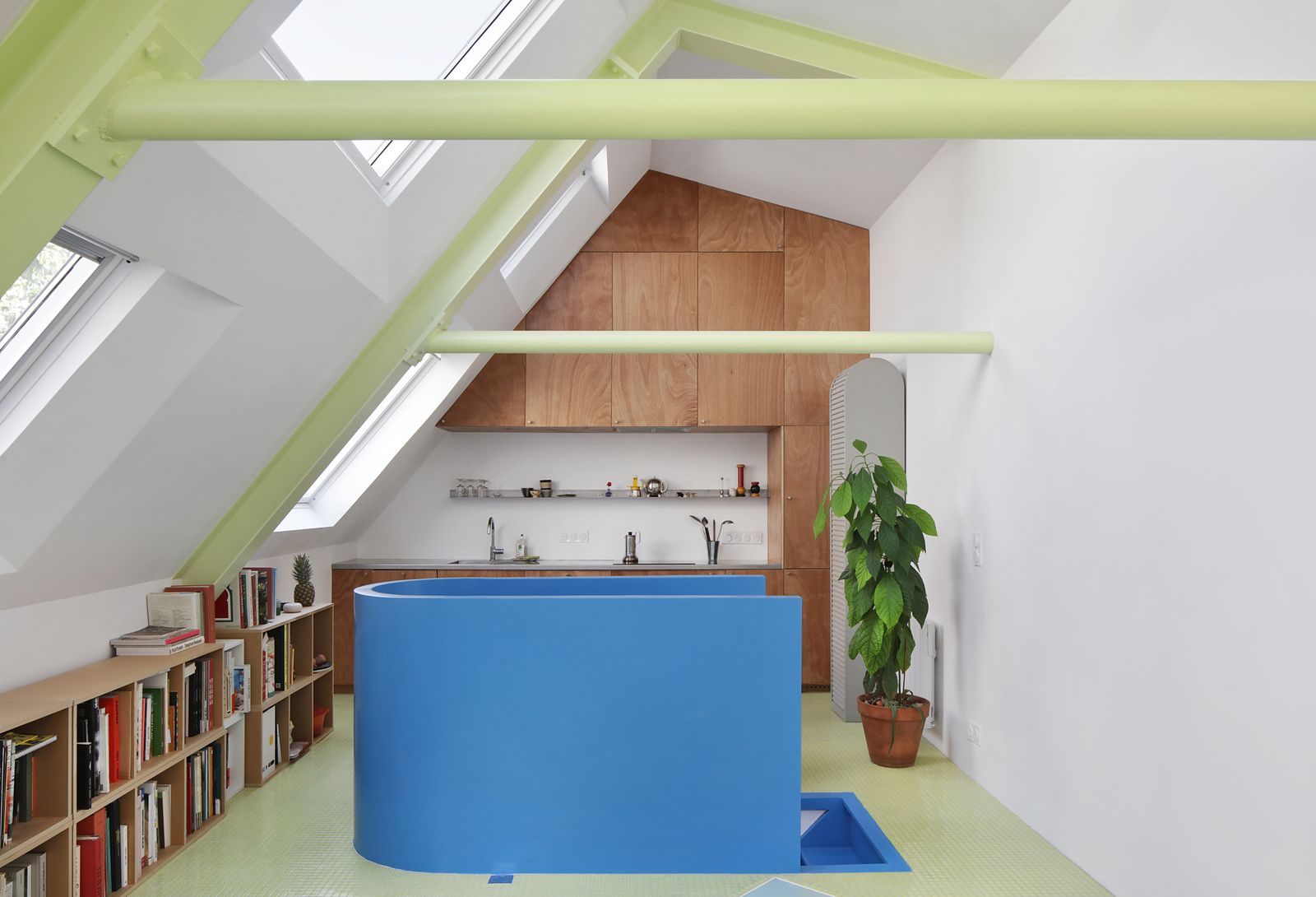
Bagnolet, France – In a testament to ingenious urban design and sustainable renovation, a formerly modest workshop in the densely populated Parisian suburb of Bagnolet has been dramatically reimagined into a luminous and adaptable family residence. The project, spearheaded by Parisian architecture firm 127af, addresses the universal challenge of increasing living space within highly constrained urban footprints, particularly for growing families navigating tight budgets and intricate neighborhood dynamics. Completed and documented by February 25, 2026, this renovation stands as a compelling case study for sensitive and strategic architectural intervention in historic, compact environments.
Project Genesis and the Bagnolet Context
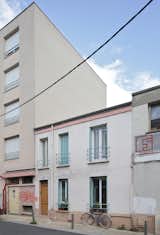
The dwelling, one in a row of four terraced structures along a narrow plot in Bagnolet, originally embodied the utilitarian character of the area. Historically, these buildings served as workshops, constructed from ordinary materials, typical of the industrial and artisanal fabric that once defined the peripheral zones of Paris. Over time, as Bagnolet transitioned into a residential hub for families seeking proximity to the capital, many of these workshops underwent conversions into homes. This particular typology, often described as "small workers’ houses" or even "precarious forms of housing" akin to shacks, presents unique challenges for modernization. Their inherent structural fragility and often ad-hoc construction demand an exceptionally careful and respectful approach to any transformation.
Bagnolet, located just east of Paris in the Île-de-France region, is characterized by its dense urbanism and a mix of historical and contemporary architecture. The demand for affordable housing in this region consistently outstrips supply, pushing many families into smaller, older properties. For a young family with a second child on the way, the existing 592-square-foot footprint of this Bagnolet home, with its single ground-floor living space and two low-ceilinged attic bedrooms, had become critically insufficient. The primary objective of the renovation was to expand the attic space, transforming a cramped, underutilized area into a vibrant, functional heart for the home.
Architectural Vision: An "Embroidery" of Space
Architect 127af approached the project with a philosophy described as "an intervention akin to embroidery," a metaphor that perfectly encapsulates the delicate and precise nature of the work. This wasn’t merely about adding square footage; it was about weaving new elements into an existing, sensitive urban tapestry. The site’s interlocking plot shapes and close proximity to neighbors necessitated meticulous planning to avoid intrusive views, preserve existing thresholds of privacy, and, crucially, ensure that surrounding properties retained their access to natural sunlight. Such considerations are paramount in French urban planning, where the "droit à la vue" (right to a view) and "droit à l’ensoleillement" (right to sunlight) are often protected.
The firm’s design process began with an in-depth analysis of the existing structure and its environment. They recognized that the narrow access through a rear courtyard of a street-front building – limited to a single door and a narrow corridor – would impose significant logistical constraints on construction. Furthermore, the clients’ tight budget added a critical "social dimension" to these technical and contextual challenges. The architects were tasked not just with expanding space, but with doing so affordably, ensuring the project remained viable for a young family for whom gaining extra room was an absolute necessity.
Reimagining Layout: Functionality and Light
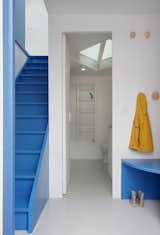
The most significant functional reorientation proposed by 127af involved a bold inversion of the traditional home layout. Recognizing the limitations of the ground floor – which, facing a party wall, received minimal natural light – the architects decided to relocate the bedrooms and bathroom to this naturally cooler, darker level. This strategic move created intimate, private sleeping quarters that are inherently shielded from the summer heat and offer a sense of retreat.
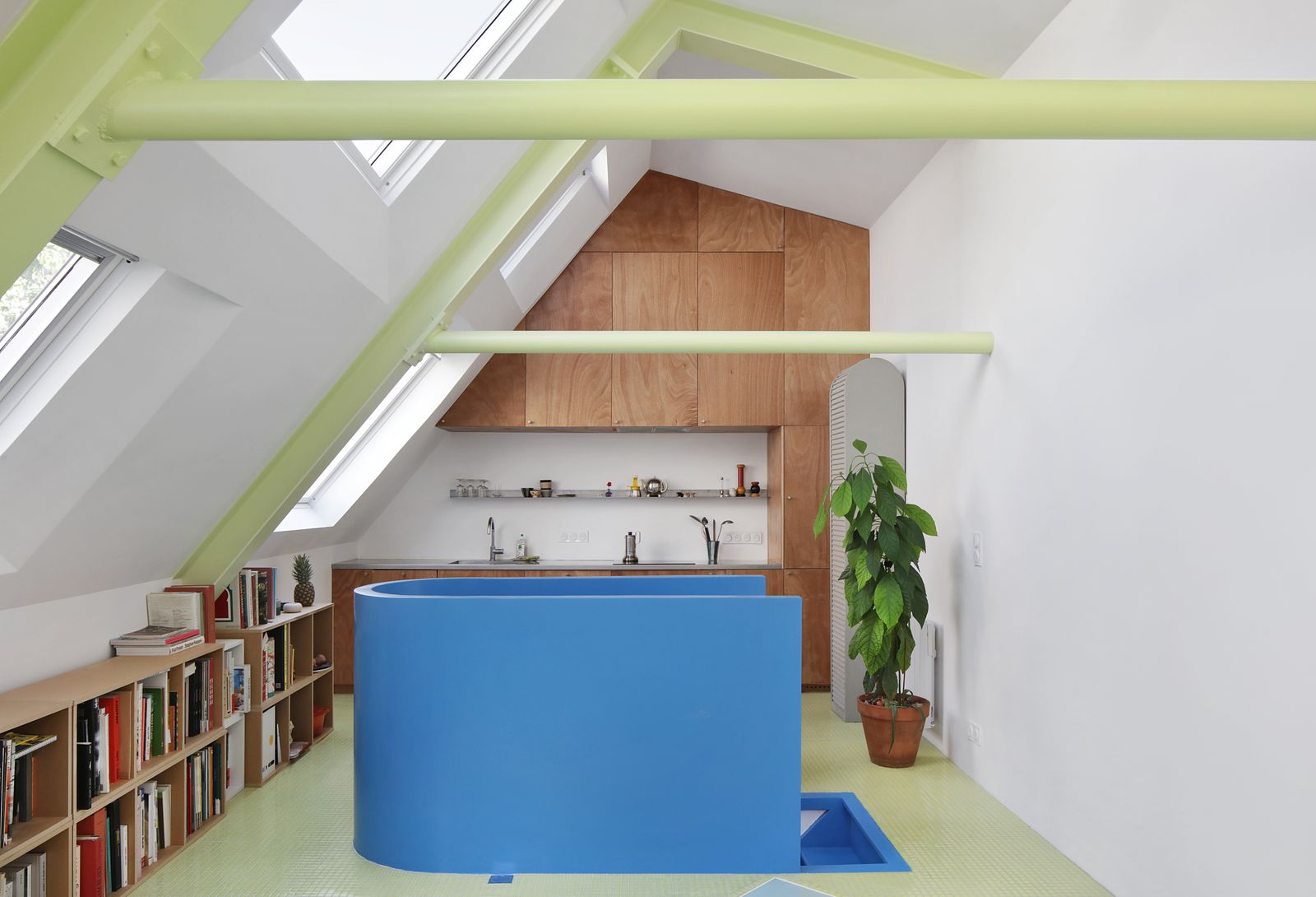
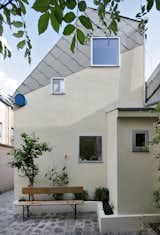
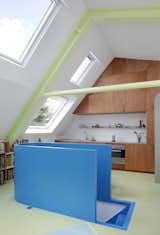
The true innovation, however, lay in elevating the primary living spaces. The new upper level, created by altering the roofline, was envisioned as a spacious, light-filled volume that would house the kitchen and main living room. This choice was reinforced by two key factors:
- Future Adaptability: The new volume was designed with the potential for vertical subdivision in mind. The structural framework, featuring exposed steel trusses, was sized specifically to allow for the future addition of a mezzanine workspace or an additional bedroom, providing invaluable flexibility as the family’s needs evolve over time. This foresight aligns with contemporary trends in urban living, where adaptable spaces are increasingly valued.
- Climatic and Lighting Optimization: By placing the living areas upstairs, the design maximizes access to generous daylight and effective cross-ventilation. Carefully positioned new openings, complemented by the reuse of existing small Velux windows on the south-facing facade, ensure a continuous flow of fresh air and an abundance of natural light throughout the day. This contrasts sharply with the naturally darker and cooler ground-floor rooms, creating a comfortable and energy-efficient living environment across both levels.
Overcoming Structural and Logistical Hurdles
The structural fragility of the existing building posed a considerable hurdle. Any new construction had to be lightweight to avoid overloading the historic foundations. This constraint, combined with the severely limited site access, dictated the choice of a construction system that could be assembled by hand, piece by piece, rather than requiring heavy machinery.
The solution was a timber-frame construction system, renowned for its strength-to-weight ratio and ease of assembly. This choice also aligned with sustainable building practices. The timber frame was insulated with recycled textile fibers, a modern, eco-friendly material offering excellent thermal and acoustic properties while repurposing waste. The exterior cladding of Eternit slates further contributed to the lightweight nature of the extension, while providing a durable, weather-resistant finish that respects the traditional aesthetic of the neighborhood.
The integration of two exposed steel trusses was a deliberate design decision, not just for structural integrity but also for future planning. These trusses not only support the new roof but also define the potential for a future mezzanine, showcasing the project’s commitment to long-term adaptability. The pitch of the new roof was meticulously determined to ensure that the south-facing facade of the adjacent street-front building retained its sunlight, demonstrating 127af’s careful negotiation of urban planning regulations and neighborly considerations.
Sustainable Design and Future-Proofing
The Bagnolet renovation exemplifies a holistic approach to sustainable urban living. Beyond the use of recycled materials and lightweight construction, the design prioritizes passive environmental strategies:
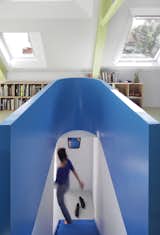
- Natural Light and Ventilation: The strategic placement of living areas on the upper floor, coupled with large, carefully aligned openings, maximizes daylight penetration and promotes efficient cross-ventilation. This significantly reduces the need for artificial lighting and air conditioning, lowering energy consumption.
- Thermal Comfort: The ground-floor bedrooms benefit from their cooler, darker disposition, providing a natural respite during warmer months. The well-insulated timber frame further enhances thermal performance, keeping the home warm in winter and cool in summer.
- Material Efficiency: The reuse of existing Velux windows and the selection of materials like recycled textile fibers underscore a commitment to minimizing waste and environmental impact.
The project’s forward-thinking design ensures its longevity and relevance. The capacity for future vertical division, such as the addition of a mezzanine workspace, acknowledges the evolving needs of modern families, particularly in an era where remote work is increasingly common. This adaptability means the home can grow and change with its occupants, extending its functional lifespan and reducing the likelihood of future, more disruptive renovations.
Broader Implications for Urban Densification
The Bagnolet renovation by 127af offers valuable insights for urban planners, architects, and homeowners facing similar challenges in dense metropolitan areas worldwide. It demonstrates that:
- Vertical expansion is a viable solution for space constraints: When lateral expansion is impossible, building upwards, even on fragile existing structures, can unlock significant potential.
- Sensitive design is crucial in historic contexts: The "embroidery" approach highlights the importance of respecting neighborhood character, privacy, and sunlight rights.
- Sustainable and lightweight construction methods are key: Timber frames, recycled insulation, and hand-assembly techniques can overcome logistical hurdles and reduce environmental impact.
- Prioritizing adaptability enhances long-term value: Designing for future flexibility ensures homes can meet evolving family needs without requiring wholesale reconstruction.
- Addressing social dimensions is vital: Affordable, thoughtful design can significantly improve the quality of life for families on tight budgets in high-cost urban environments.
This project is a powerful example of how thoughtful architecture can transform what appears to be a limiting historical typology into a beacon of modern, sustainable, and adaptable urban living. It’s not just a house; it’s a blueprint for enriching and expanding life within the existing fabric of our cities.
Project Team and Recognition
The successful realization of this complex renovation is a testament to the collaborative efforts of a dedicated team. 127af, the lead architect, worked closely with Renobati, the builder, to execute the intricate construction plans. Structural integrity was ensured by StructuraLab, whose expertise was critical in reinforcing the fragile existing structure while accommodating the new lightweight addition. The remarkable transformation was captured through the lens of photographer Filip Dujardin, whose images convey the project’s blend of historical context and contemporary innovation. This "House We Love" exemplifies the potential for remarkable spaces to emerge from challenging conditions, enriching both individual lives and the broader urban landscape.