 admin
admin
The Canadian design landscape is currently undergoing a significant transformation, characterized by a fusion of sustainable material science, interactive industrial design, and a revitalized interest in niche print media. As urban centers like Toronto and Vancouver continue to solidify their reputations as international hubs for creativity, a new generation of designers and entrepreneurs is redefining the boundaries of their respective fields. This evolution is not merely aesthetic but is rooted in a shift toward ethical manufacturing, gender-inclusive branding, and the prioritization of human connection through physical objects. From the ephemeral artistry of biodegradable balloon floristry to the enduring legacy of avant-garde footwear, the current trajectory of Canadian design reflects a sophisticated balance between whimsical expression and rigorous functionality.

Sustainable Ephemerality: The Rise of Balloon Floristry in Toronto
In the realm of event design and temporary installations, the Toronto-based studio Ballooms has emerged as a pioneer, introducing the concept of the "balloon florist" to the Canadian market. Founded by Dylan Kwacz, the studio has moved beyond the traditional associations of balloon art—often relegated to simple sculptures or children’s entertainment—to create sophisticated, larger-than-life floral arrangements. These "Ballooms" are crafted from 100 percent natural biodegradable latex, a material choice that addresses the growing demand for sustainable practices within the event industry.
The environmental impact of the décor industry has faced increasing scrutiny in recent years. Natural latex, harvested from the sap of Hevea brasiliensis (rubber trees), is a renewable resource. Studies indicate that high-quality natural latex balloons decompose at a rate comparable to an oak leaf under similar environmental conditions. By utilizing this material, Ballooms positions itself at the intersection of high design and environmental responsibility. The studio’s growth is evidenced by its expanding portfolio of high-profile collaborations. To date, Ballooms has executed installations for major retail and cultural entities, including Lululemon, Aritzia, and the Power Plant Contemporary Art Gallery (PowerPlant TO).

Industry analysts suggest that the "balloon florist" model represents a broader trend toward "sculptural ephemerality," where consumers and brands seek high-impact visual experiences that do not leave a permanent environmental footprint. Kwacz’s vision for the studio involves moving toward more dynamic, large-scale installations that challenge the structural limitations of air-filled media, signaling a shift from retail products to architectural interventions.
Materiality and Inclusivity: The Artisanal Approach of Ste. Marg Scot
As the fashion industry grapples with the social and environmental costs of "fast fashion," Canadian labels are increasingly turning toward local production and specialized materials. Ste. Marg Scot, a Canadian wool goods company, has gained recognition for its commitment to gender-inclusive outerwear and accessories. The brand’s recent line of floral brooches, specifically the sky-blue Peony Brooch, exemplifies a blend of traditional craftsmanship and modern accessory design.

Constructed from 100 percent sustainably sourced wool, these pieces are manufactured locally, supporting the regional textile economy. Ste. Marg Scot’s positioning as a gender-inclusive brand reflects a significant demographic shift in the Canadian market. According to recent retail data, the demand for gender-neutral apparel and accessories has grown by over 20% in urban Canadian centers over the last three years. By removing traditional gender markers from their marketing and design philosophy, Ste. Marg Scot appeals to a broader consumer base prioritizing utility and aesthetic value over conventional norms.
The brand’s presence at major design forums, such as the Interior Design Show (IDS) Toronto and the One of a Kind Show, highlights the cross-pollination between the fashion and interior design sectors. These brooches are marketed not just as apparel accents but as "design objects" in their own right, reflecting a timeless quality that contrasts with the rapid cycle of trend-based consumption.

The Print Renaissance: Issues Magazine Shop and the ‘Cover to Cover’ Conference
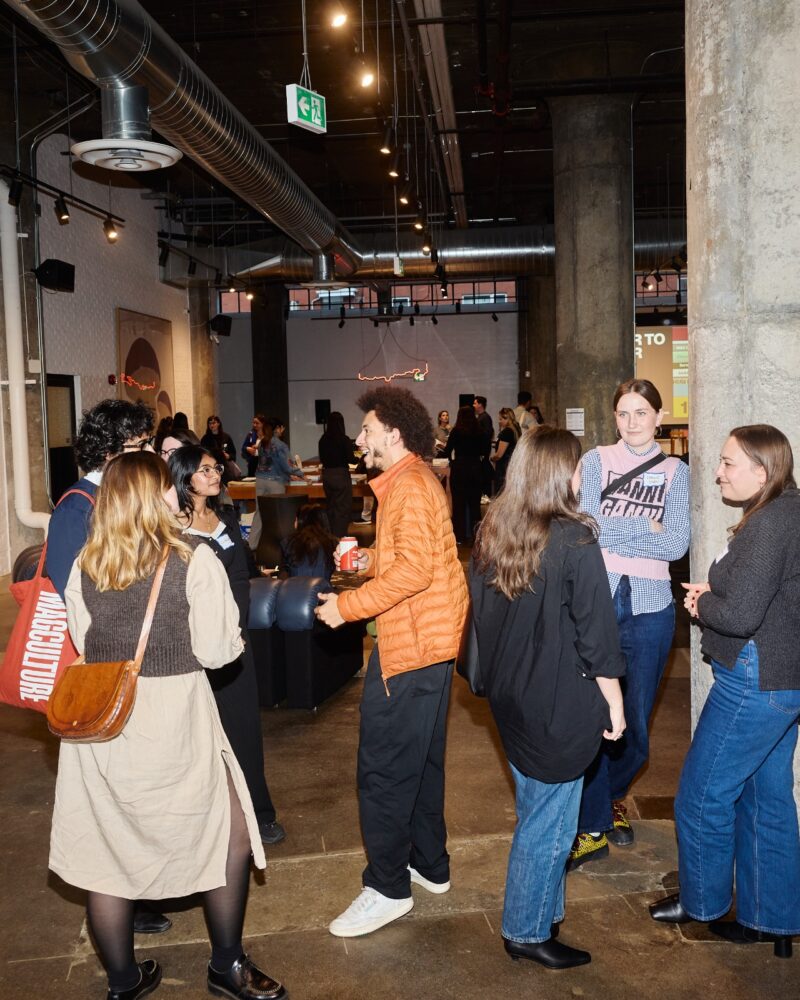
Despite the global shift toward digital-first media consumption, Toronto is witnessing a resurgence of interest in independent print publishing. This movement is spearheaded by the Issues Magazine Shop, an independent retailer dedicated to niche and international periodicals. To foster community and professional development within this sector, the shop launched "Cover to Cover," a one-day magazine conference designed for writers, designers, and publishing enthusiasts.
The inaugural conference, held last October, served as a diagnostic of the current state of the industry. It featured panel discussions with indie publishers, magazine founders, and creative directors who explored the challenges and opportunities of the physical medium. The upcoming iteration of the conference, scheduled for March 22, aims to build on this momentum.

Market research indicates that while mass-market magazine circulation has declined, the "indie" sector is thriving. Readers are increasingly seeking "tactile luxury"—publications with high production values, specialized paper stocks, and long-form content that provides a respite from the brevity of digital feeds. The Cover to Cover conference acts as a critical node in this ecosystem, providing a platform for industry experts to discuss the economic viability of independent print. The event also highlights the role of the "Assistant Editor" and other mid-level creative professionals, such as Sophie Sobol, in maintaining the editorial integrity of these publications.
Interactive Lighting: The Touch Point Sconce and Human-Centric Design
At the most recent DesignTO festival—Canada’s largest annual design celebration—industrial designers Mark Khoury and Devansh Shah debuted the Touch Point Sconce. This piece represents a significant advancement in the field of interactive lighting, moving away from automated sensors toward intentional physical engagement.

The design of the sconce requires a central disc to make contact with a hanging puck to achieve full illumination. As the pendant is moved away, the light fades proportionally to the distance. This "physical dimming" mechanism is a deliberate commentary on the importance of human touch and connection in an increasingly digital and contactless world.
From a technical standpoint, the Touch Point Sconce fits into the emerging category of "Human-Centric Lighting" (HCL). The HCL market is projected to grow significantly as designers focus on how light affects human circadian rhythms and emotional well-being. By requiring a physical "hug" or "touch" to activate the light, Khoury and Shah’s design transforms a utilitarian object into a tool for mindfulness and connection. The sconce is produced on a made-to-order basis, aligning with the "slow design" movement that prioritizes quality and intentionality over mass production.

Legacy and Maximalism: John Fluevog’s International Footprint
No analysis of the Canadian design landscape is complete without acknowledging the influence of John Fluevog. Founded in Vancouver in 1970, the Fluevog brand has evolved from a local boutique into an international icon of "maximalist" footwear. The brand’s Spring/Summer 2025 (SS25) collection, featuring the Super Provog Inder Thick-Laced Sneakers, continues Fluevog’s tradition of using bold color palettes and unconventional forms.
Fluevog’s success is often attributed to his ability to maintain a "cult" brand identity while scaling globally. The brand operates stores across North America and Europe, yet it remains deeply rooted in its Canadian heritage. This connection is further emphasized by the architectural collaborations associated with the brand’s founder. Fluevog’s personal residence in Vancouver, designed by MA+HG Architects, reflects the same design language as his footwear: angular forms, citrus-toned exteriors, and a playful use of material.
The sneakers in the SS25 collection, characterized by cheetah prints and oversized laces, cater to a growing "maximalist" trend in fashion. Retail analysts note that after years of minimalist dominance, consumers are increasingly gravitating toward "statement" pieces that allow for individual expression. Fluevog’s longevity in the industry—spanning over five decades—is a testament to the viability of adventurous, non-conformist design in the global marketplace.
Broader Impact and Implications for the Canadian Creative Economy
The convergence of these five distinct design entities—Ballooms, Ste. Marg Scot, Issues Magazine Shop, the Khoury-Shah partnership, and John Fluevog—points toward a robust and diversified creative economy in Canada. Collectively, these designers and organizations contribute to a national identity that is increasingly defined by innovation, sustainability, and a refusal to adhere to traditional industry silos.

The economic implications of this vibrant design sector are substantial. According to recent data from the Conference Board of Canada, the creative industries contribute approximately $58 billion to the national GDP and support over 1.1 million jobs. Events like DesignTO and the Cover to Cover conference serve as essential infrastructure for this economy, facilitating the exchange of ideas and the formation of professional networks.
Furthermore, the emphasis on "locally made" and "sustainably sourced" materials across these sectors reflects a shift in consumer values. As the global community moves toward a circular economy, Canadian designers are positioning themselves as leaders in ethical production. Whether through the use of biodegradable latex or the revitalization of local wool manufacturing, the focus is on creating value that extends beyond the immediate aesthetic appeal of the object.

In conclusion, the current state of Canadian design is one of high-energy experimentation grounded in practical concerns. The "Take 5" highlights of the current season—ranging from interactive sconces to indie magazine conferences—demonstrate that Toronto and Vancouver are not just consuming global trends but are actively shaping the future of international design. As these creators continue to blow up, both figuratively and literally, they reinforce the idea that good design is a fundamental component of a connected, conscious, and vibrant society.