 admin
admin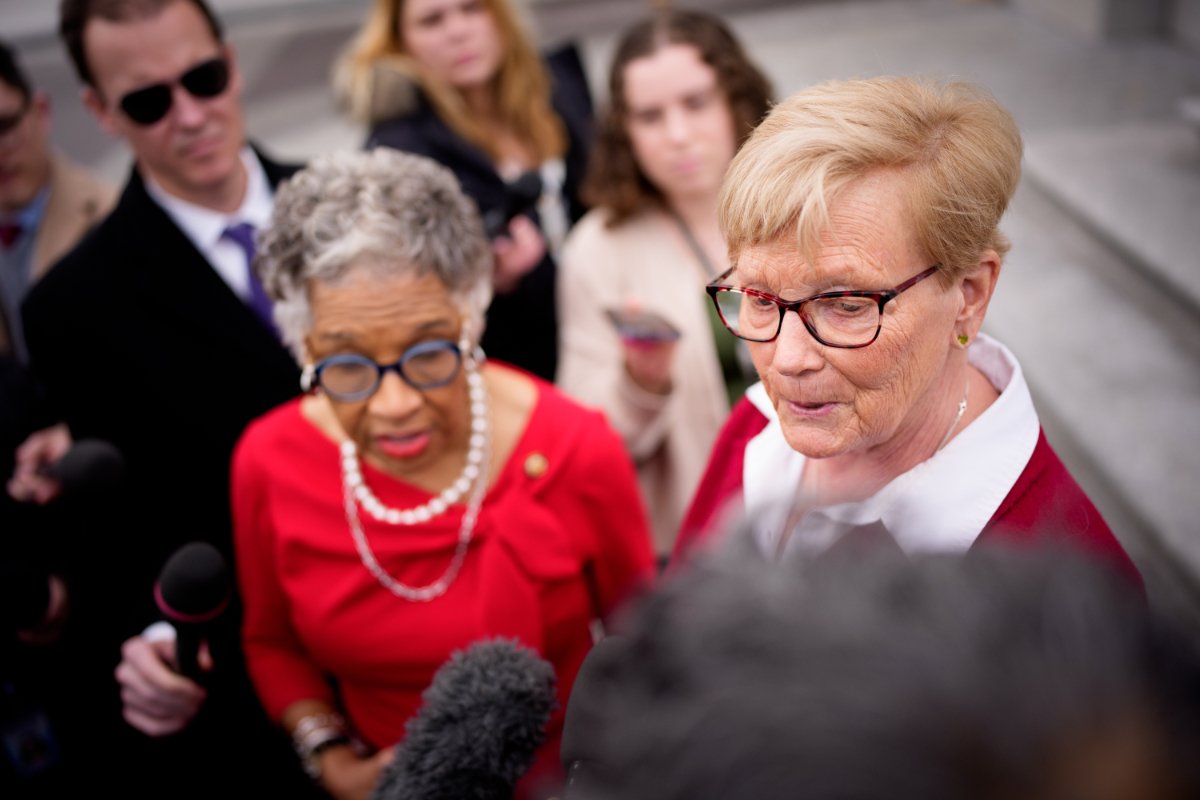
On Friday, the House Agriculture Committee’s Republican majority released their initial framework for the comprehensive 2026 Farm Bill, officially titled the "Farm, Food, and National Security Act of 2026." This pivotal legislative endeavor arrives at a moment of acute financial strain for American farmers, who are grappling with a confluence of challenges including escalating input prices and persistently difficult market conditions, marking a decade-high gap between production costs and commodity prices received. The unveiling of this 802-page draft sets the stage for what is expected to be a contentious legislative battle, highlighting deep ideological divides over agricultural policy, food security, and environmental regulation.
The Quadrennial Legislative Behemoth: Understanding the Farm Bill’s Scope
The Farm Bill is one of the most significant and far-reaching pieces of legislation passed by the U.S. Congress, typically reauthorized every five years. It is an omnibus bill, meaning it encompasses a vast array of programs and policies that touch nearly every aspect of the nation’s food and agricultural system. Its scope extends far beyond just farms, influencing everything from the prices consumers pay at the grocery store to environmental conservation efforts, rural development, and crucial nutrition assistance programs for millions of Americans. Historically, the bill originated in the Great Depression as a response to widespread rural poverty and agricultural instability. Over decades, it has evolved into a complex framework designed to stabilize commodity markets, ensure a reliable food supply, support farm income, and provide a safety net for vulnerable populations.
The sheer breadth of the Farm Bill means it is divided into a dozen or more "titles," each addressing a specific area. These typically include titles for Commodities (price and income support for staple crops), Conservation (programs promoting sustainable land use), Nutrition (including the Supplemental Nutrition Assistance Program, or SNAP), Crop Insurance (risk management tools for farmers), Trade (agricultural export promotion), Credit (loans for farmers), Rural Development, Research, Forestry, Energy, Horticulture, and Livestock. This intricate structure necessitates broad bipartisan consensus for passage, a challenge that has become increasingly difficult in recent years. The current political climate, characterized by a narrowly divided Congress and heightened partisan tensions, casts a long shadow over the prospects of timely reauthorization.
The Unveiling of the "Farm, Food, and National Security Act of 2026"
The release of the House Republican draft is a critical step in the reauthorization process, even as it immediately sparked debate. The committee’s chairman, G.T. Thompson (R-Pennsylvania), spearheaded the effort, aiming to address the pressing concerns of the agricultural sector. Farmers across the nation have voiced growing frustration over economic pressures, including record-high costs for inputs such as fertilizer, fuel, and seeds, which have seen double-digit percentage increases in recent years. Simultaneously, volatile commodity markets, exacerbated by global trade disputes and supply chain disruptions, have made it increasingly difficult for producers to turn a profit. For instance, the cost-price squeeze has meant that while gross farm income has remained relatively high in some years, net farm income, a more accurate measure of farmer profitability, has been significantly eroded by surging expenses.
The timing of this draft is also crucial, given the looming deadline for a comprehensive reauthorization. The previous legislative package, the 2018 Farm Bill, officially expired in 2023. Since then, Congress has been unable to pass a successor, relying instead on a series of short-term extensions and provisions tucked into other legislative packages, creating uncertainty and hindering long-term planning for farmers, conservationists, and food security advocates alike. This piecemeal approach underscores the profound challenges inherent in forging a consensus on such a multifaceted bill.
Navigating a Lapsed Mandate: The Road to Reauthorization
The failure to pass a new Farm Bill in 2023 marked a significant legislative setback. The 2018 Farm Bill’s expiration left many programs in limbo, operating under temporary extensions or facing potential lapses. This legislative paralysis has forced lawmakers to resort to stopgap measures, such as continuing resolutions and specific provisions integrated into broader appropriations bills. For example, some conservation programs received extensions through legislation aimed at averting government shutdowns, while certain commodity program baselines were adjusted in other financial packages.
This reliance on short-term fixes has not only created administrative headaches for the U.S. Department of Agriculture (USDA) but also introduced instability for farmers and communities that depend on Farm Bill programs. The absence of a clear, long-term policy framework complicates everything from farm business planning to rural infrastructure development and food aid distribution. The current Republican draft represents a concerted effort to break this cycle of extensions and establish a definitive policy direction, albeit one that is already facing stiff opposition from across the aisle. Democrats have firmly stated their unwillingness to support the bill without a reversal of the Supplemental Nutrition Assistance Program (SNAP) cuts enacted in previous legislative actions, setting up a major political showdown. The House Agriculture Committee has nevertheless scheduled a markup session for February 23, where members will debate, amend, and ultimately vote on the bill’s components before it can advance further.
Key Pillars and Subtle Shifts: Core Titles of the Farm Bill
The "Farm, Food, and National Security Act of 2026" primarily focuses its new changes on areas less impacted by the legislative maneuvers of the past year. Because significant adjustments and extensions to the four largest and most financially impactful titles—Nutrition, Crop Insurance, Commodities, and Conservation—were previously made through other legislative vehicles, the current 802-page draft introduces fewer dramatic overhauls to these sections.
In the Conservation title, for instance, major programs like the Environmental Quality Incentives Program (EQIP) and the Conservation Stewardship Program (CSP) were reauthorized in prior legislative packages. Consequently, the new bill does not need to re-fund these programs from scratch. Instead, it proposes more granular changes, focusing on which specific practices farmers can adopt under these initiatives, particularly emphasizing precision agriculture technologies. Precision agriculture, which utilizes GPS, sensors, and data analytics to optimize resource use, is seen as a way to enhance environmental outcomes while potentially boosting farm efficiency. The draft also notably reauthorizes the Conservation Reserve Program (CRP), which had not been included in other funding packages. The CRP, which pays farmers to remove environmentally sensitive land from agricultural production and plant species that improve environmental quality, would maintain its cap of 27 million acres over the next five years under this proposal. This ensures continued support for land retirement aimed at reducing soil erosion, improving water quality, and enhancing wildlife habitat.
While the Nutrition title largely avoids major structural changes to the administration of SNAP benefits, it includes critical provisions aimed at enhancing access and security. The Commodities and Crop Insurance titles, which provide essential safety nets for farmers against market fluctuations and natural disasters, also see more incremental adjustments rather than wholesale revisions, reflecting their prior treatment in other legislative actions. The strategy appears to be one of consolidating previous legislative adjustments while introducing new policies in areas that have not yet been addressed.
Battlegrounds Emerge: Controversial Provisions
Despite the relatively stable approach to the largest titles, the Republican draft includes several provisions that are already igniting fervent opposition and are poised to be central to upcoming debates. These contentious elements highlight fundamental disagreements over regulatory philosophy, corporate liability, states’ rights, and public health.
Pesticide Liability and State Preemption
One of the most controversial inclusions is text from the proposed Agricultural Labeling Uniformity Act. This provision would significantly complicate, if not outright prevent, individuals from suing pesticide companies based on claims that their products cause cancer or other illnesses. This move has been anticipated by health advocates, as Chairman Thompson has previously signaled strong support for such measures. The pharmaceutical and life sciences giant Bayer, which inherited thousands of lawsuits over its flagship weedkiller Roundup (glyphosate) and its alleged link to non-Hodgkin’s Lymphoma following its acquisition of Monsanto, has been a leading force in lobbying for this type of legal protection. These lawsuits have resulted in multi-million dollar verdicts against Bayer, highlighting the significant financial and reputational risks faced by the industry.
This is not the first attempt to secure such protections. Lawmakers tried to insert a similar provision into an EPA funding bill just last month, but it was ultimately removed after a concerted effort led by Representative Chellie Pingree (D-Maine) and supported by various public health and environmental groups, including the Make America Healthy Again (MAHA) agenda. Geoff Horsfield, legislative director at the Environmental Working Group (EWG), issued a scathing statement following the draft’s release, asserting, "House Republicans can’t credibly claim to back an agenda that supports public health or protects kids while advancing a bill that weakens protections from pesticides and hands more power and profits to foreign pesticide manufacturers." EWG and other advocates also point to other provisions in the bill that could overturn existing state and local laws restricting pesticide use in public spaces like parks and near schools, further eroding local control over environmental health. MAHA Action has already launched a public campaign urging lawmakers to remove this provision during the markup process, signaling an intense fight ahead.
Animal Welfare and States’ Rights
Another flashpoint within the draft bill concerns its attempt to overturn state laws that regulate agricultural practices, particularly California’s Proposition 12. This landmark state law, passed by voters, bans the sale of pork, eggs, and veal within California if the animals were raised in extreme confinement conditions, such as gestation crates for sows. This has effectively required producers nationwide who wish to sell into California’s massive market to comply with the state’s animal welfare standards.
The National Pork Producers Association (NPPA) has vigorously lobbied Congress to nullify Prop 12, arguing it imposes undue burdens on interstate commerce and unfairly dictates production standards across state lines. However, efforts to overturn such state laws face significant opposition, not only from Democrats but also from a notable contingent of Republicans who prioritize states’ rights. These Republicans argue that federal preemption in this area could set a dangerous precedent, undermining states’ authority to regulate within their borders and potentially opening the door for other countries to impose their own standards on U.S. agricultural exports. Furthermore, many groups of farmers, particularly smaller and mid-sized operations, support laws like Proposition 12. They contend that such regulations create niche markets for higher-value, humanely raised meat, allowing them to differentiate their products and secure better prices. Brent Hershey, a hog farmer from Pennsylvania and member of the American Meat Producers Association, articulated this concern, stating, "Farmers have already made financial investments in more humane pork, and this Farm Bill would devastate many farmers." This provision thus pits powerful industry interests against animal welfare advocates, states’ rights proponents, and a segment of the farming community.
Strengthening the Safety Net and Dietary Guidance
Beyond the contentious elements, the draft Farm Bill also includes provisions related to nutrition assistance and the process for developing national dietary guidelines.
SNAP Enhancements and Security
While avoiding significant structural changes to the Supplemental Nutrition Assistance Program (SNAP), the bill includes important updates aimed at improving accessibility and security for beneficiaries. Crucially, it mandates that the U.S. Department of Agriculture (USDA) make permanent a pilot program that allows SNAP users to purchase groceries online. This initiative, which rapidly expanded during the COVID-19 pandemic, has been a major priority for hunger advocacy groups, as it significantly increases food access for individuals with limited mobility, transportation challenges, or those living in food deserts. Data from the USDA has shown that online SNAP purchasing dramatically improved convenience and access, especially for rural and elderly beneficiaries.
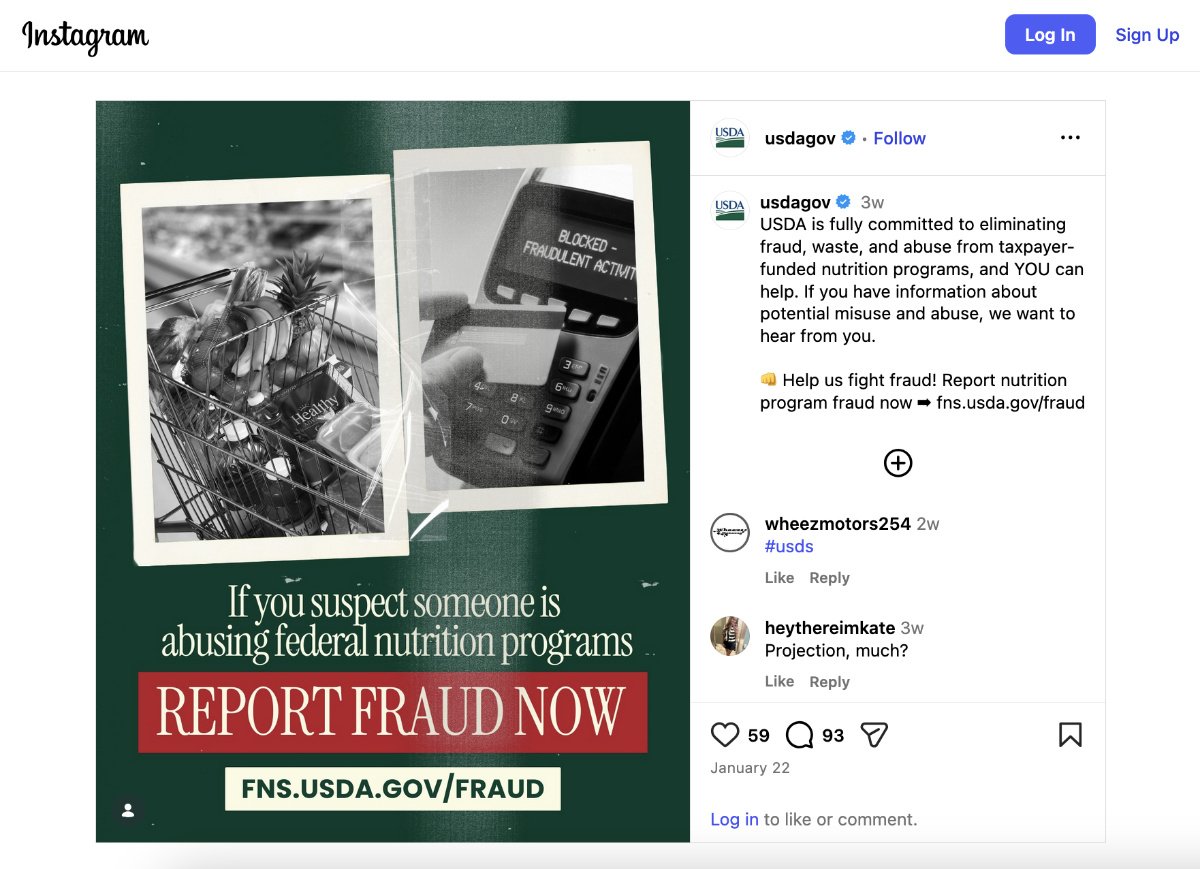
The draft bill also directs the USDA to accelerate the transition to chip-enabled benefit cards for the Electronic Benefit Transfer (EBT) system. This measure is a direct response to the growing problem of "skimming," where criminals use fraudulent devices at payment terminals to steal EBT card data and subsequently drain benefits from recipients’ accounts. By setting a six-month deadline for the USDA to propose rules enhancing EBT card security, the bill aims to protect vulnerable individuals from fraud and ensure that their much-needed benefits are used as intended.
Reforming Dietary Guidelines
In the wake of the recent release of the 2025–2030 Dietary Guidelines for Americans, the Farm Bill draft proposes significant reforms to the guideline development process. These changes include expanding the timeline for each iteration of the guidelines, installing a separate expert panel to select the research questions addressed by the Dietary Guidelines Advisory Committee (DGAC), and increasing transparency reporting requirements.
However, these proposed reforms have raised concerns among nutrition experts. Critics point to the recent guidelines, which were perceived by many public health groups as largely discarding the scientific findings of the DGAC in favor of recommendations that seemed to prioritize industry interests, particularly concerning animal protein and dairy. The 2025-2030 guidelines were notably published alongside a separate scientific report that was not subjected to the same transparent public scrutiny as the DGAC’s traditional process. Nutrition and public health organizations fear that the proposed changes in the Farm Bill could further politicize the guideline development process, potentially undermining the scientific integrity and public health focus of future recommendations. They argue that expanding the timeline and adding layers of review could be used to dilute evidence-based recommendations, making them more susceptible to lobbying from powerful food industry groups.
Local Food Systems: Bipartisan Promise, Funding Gaps
Perhaps the most promising area for bipartisan cooperation within the draft bill lies in its provisions for local food programs, many of which inherently overlap with nutrition and public health initiatives. However, even here, advocates warn of potential shortcomings in securing robust, long-term funding.
The bill maintains funding for the popular Local Agriculture Market Program (LAMP), which provides grants to farmers to help them develop higher-value food products and supports farmers’ market initiatives, strengthening local food economies. It also introduces changes to the Gus Schumacher Nutrition Incentive Program (GusNIP), allowing SNAP users to purchase a broader range of fruits and vegetables, including frozen and canned options, which can significantly enhance access to nutritious foods in areas with limited fresh produce availability. Despite these positive adjustments, groups like the Center for Science in the Public Interest (CSPI) have criticized the draft for failing to increase funding for GusNIP, a program that has demonstrated clear success in boosting fruit and vegetable consumption among SNAP beneficiaries and supporting local farmers.
Most notably, the draft incorporates significant portions of the "Local Farmers Feeding Our Communities Act," a marker bill introduced by Representatives Rob Bresnahan (R-Pennsylvania), David Valadao (R-California), and Chellie Pingree (D-Maine), which enjoys strong bipartisan support. This legislation aims to create a permanent program modeled after the successful Local Food for Schools (LFFS) and Local Food Purchasing Assistance (LFPA) programs. These Biden administration initiatives, established during the pandemic, enabled schools and food banks to purchase fresh, local produce directly from small and mid-sized farms in their regions, simultaneously supporting local economies and increasing food access for underserved communities. These programs were originally slated to end in 2026 but were controversially canceled early by then-Secretary of Agriculture Brooke Rollins, eliminating over $1 billion in expected funding for farms.
Under the current draft Farm Bill, this new permanent program would be eligible for up to $200 million in annual funding, to be administered by state, local, or tribal governments. While this represents a significant endorsement of local food systems, a critical distinction noted by Mike Lavender, policy director at the National Sustainable Agriculture Coalition (NSAC), lies in its funding mechanism. Unlike the original marker bill, which proposed $200 million in appropriations on top of $200 million in mandatory funding, the Farm Bill draft offers only an "authorization of appropriations." Lavender explained to Civil Eats that "an authorization of appropriations is essentially an empty promise," meaning that Congress would still have to actively allocate the funds each year, a process that is increasingly difficult and susceptible to political whims. This lack of mandatory funding for a critical local food program, as well as for a proposed program to fund local meat processing, represents a significant concern for advocates.
During NSAC’s annual gathering, many farmers underscored the "Local Farmers Feeding Our Communities Act" as a top legislative priority. Ed Dubrick, an independent Illinois farmer raising chickens, turkeys, and sheep, shared his experience selling to his local food bank through LFPA. He described the program as "absolutely tremendous for us," enabling him to invest in "infrastructure, capacity, production, transport, storage, all those things" due to the consistent market it provided. The difference between authorized and mandatory funding could mean the difference between a thriving program and one perpetually struggling for resources.
A Thorny Path Ahead: Political Outlook and Congressional Hurdles
Regardless of the merits or drawbacks of individual provisions, the entire Farm Bill draft faces an exceptionally challenging political landscape. Democrats have already drawn a line in the sand, unequivocally stating that they will not support any Farm Bill that does not reverse the SNAP cuts implemented in previous legislative packages. This fundamental disagreement over the nation’s primary anti-hunger program represents a significant hurdle that will require extensive negotiation.
Furthermore, the House draft is only one piece of the puzzle. The Senate Agriculture Committee has yet to unveil its own proposal, and it is highly likely to differ significantly from the House version, setting the stage for complex reconciliation negotiations. With midterm elections looming in November, a razor-thin Republican majority in the House of Representatives, and other pressing legislative priorities competing for congressional attention this year, the path forward for the "Farm, Food, and National Security Act of 2026" remains highly uncertain. The political will and ability to bridge these divides will determine whether a comprehensive Farm Bill can be enacted or if Congress will once again resort to temporary measures, leaving farmers, food systems, and communities in a state of prolonged uncertainty. The stakes are high, impacting everything from agricultural stability to the nutritional well-being of millions of Americans, making the upcoming debates and negotiations critical for the nation’s future.