 admin
admin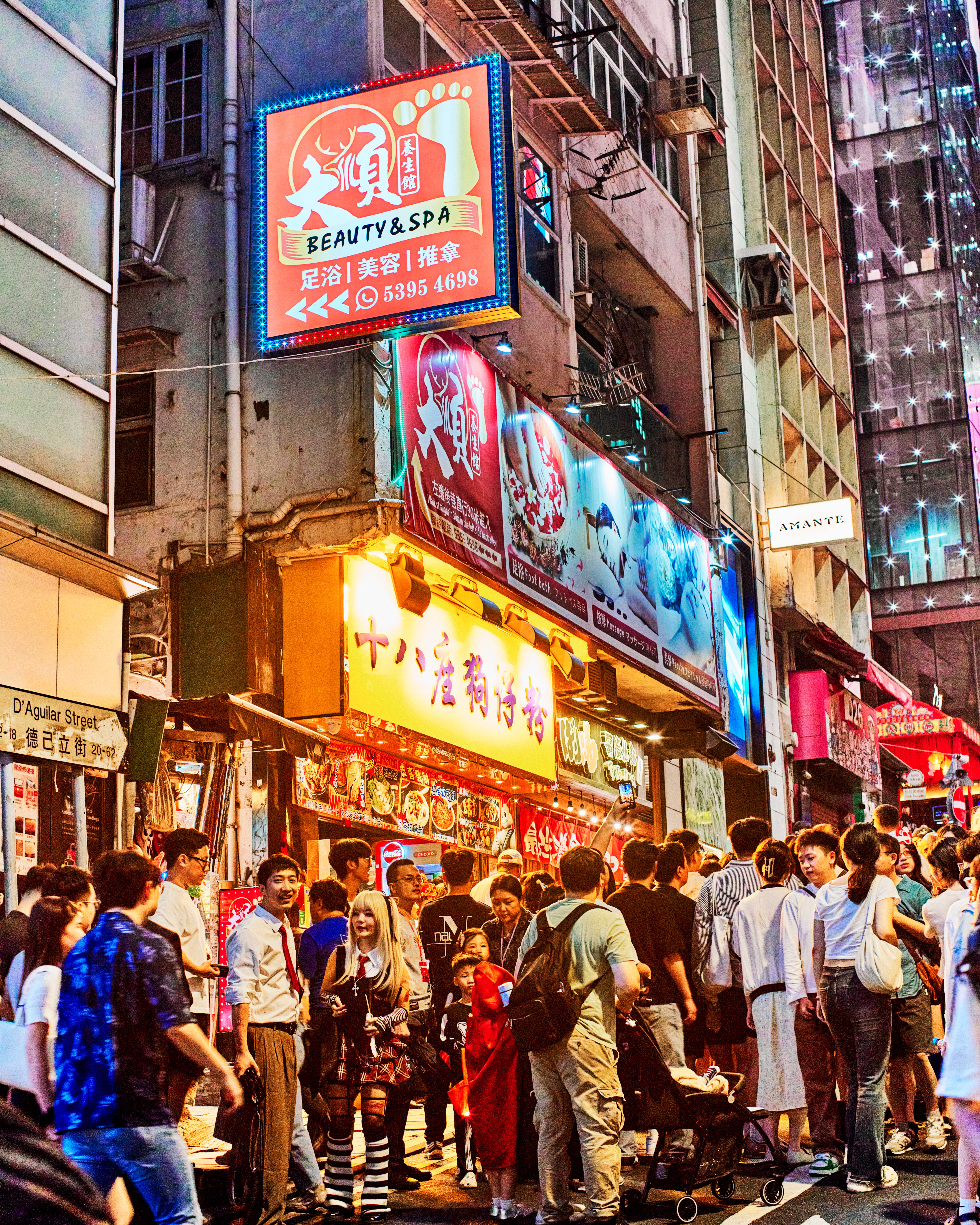
In the vibrant tapestry of Hong Kong’s Cantonese language, hunger is not merely a physical sensation but a poetic expression: "My stomach is beating drums." This evocative phrase perfectly encapsulates the city’s electrifying after-dark culinary scene, a symphony of flavors that awakens with the setting sun. From the bustling streets of Kowloon, where skewers of curry fish balls beckon, to the eclectic alleys of Sheung Wan, offering succulent beef brisket noodles, and the ubiquitous stalls serving steaming cups of hot milk tea, Hong Kong’s night is a testament to its enduring love affair with food.
This deep-seated connection to feasting after dark is woven into the very fabric of the city’s identity. As a resident of this dynamic metropolis for eight years, I’ve learned that Hong Kong operates on a different rhythm, one that favors the nocturnal. The early morning hours, for instance, are notoriously quiet, a stark contrast to the vibrant energy that ignites after sunset. This is when the city truly comes alive, illuminated by a dazzling display of neon signs, drawing in a diverse crowd—from trendsetting youths and elegantly dressed grandmothers to spirited expatriates—all converging on noodle bars and the quintessential cha chaan tengs, the local equivalent of a diner.
The intense heat and humidity of Hong Kong’s daylight hours play a significant role in shaping its identity as a city of night owls. It is precisely when the mercury begins to drop and the city’s iconic neon lights flicker to life that Hong Kongers emerge to frequent their favorite eateries and cafes. These establishments often possess an ambiance reminiscent of scenes from a Wong Kar-wai film, adding a cinematic flair to the everyday act of dining.

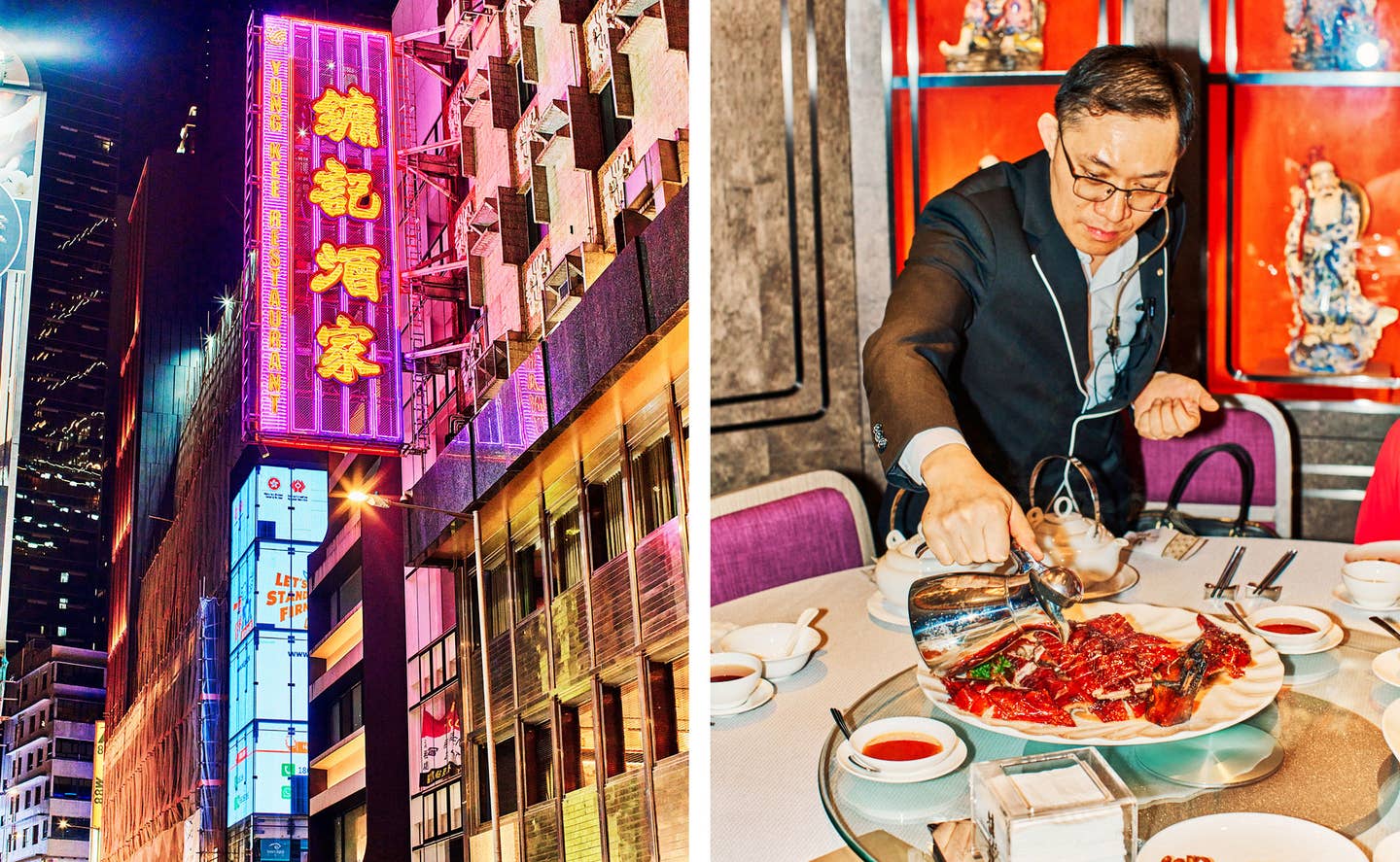
The heart of this nocturnal gastronomic adventure beats strongly in the Central District and its neighboring enclaves of Sheung Wan, Sai Ying Pun, and Kennedy Town. This area is a culinary melting pot, boasting everything from a Michelin-starred Peking duck restaurant and authentic Japanese yakitori joints to traditional Chinese clay pot rice establishments. The sheer variety ensures that every palate can find its satisfaction under the cloak of night.
However, the allure of late-night dining in Hong Kong is not without its challenges. The humid heat can make waiting in line a test of endurance. To mitigate this, a common strategy among locals is to seize the opportunity to grab an ice-cold beer or a refreshing cold-brew tea from one of the omnipresent convenience stores. In Hong Kong, 7-Eleven stores are so ubiquitous that they often serve as impromptu air-conditioned havens, transforming into bustling social hubs affectionately known as "Club 7-Eleven." This phenomenon highlights the resourcefulness and adaptability of Hong Kongers in navigating their urban environment.
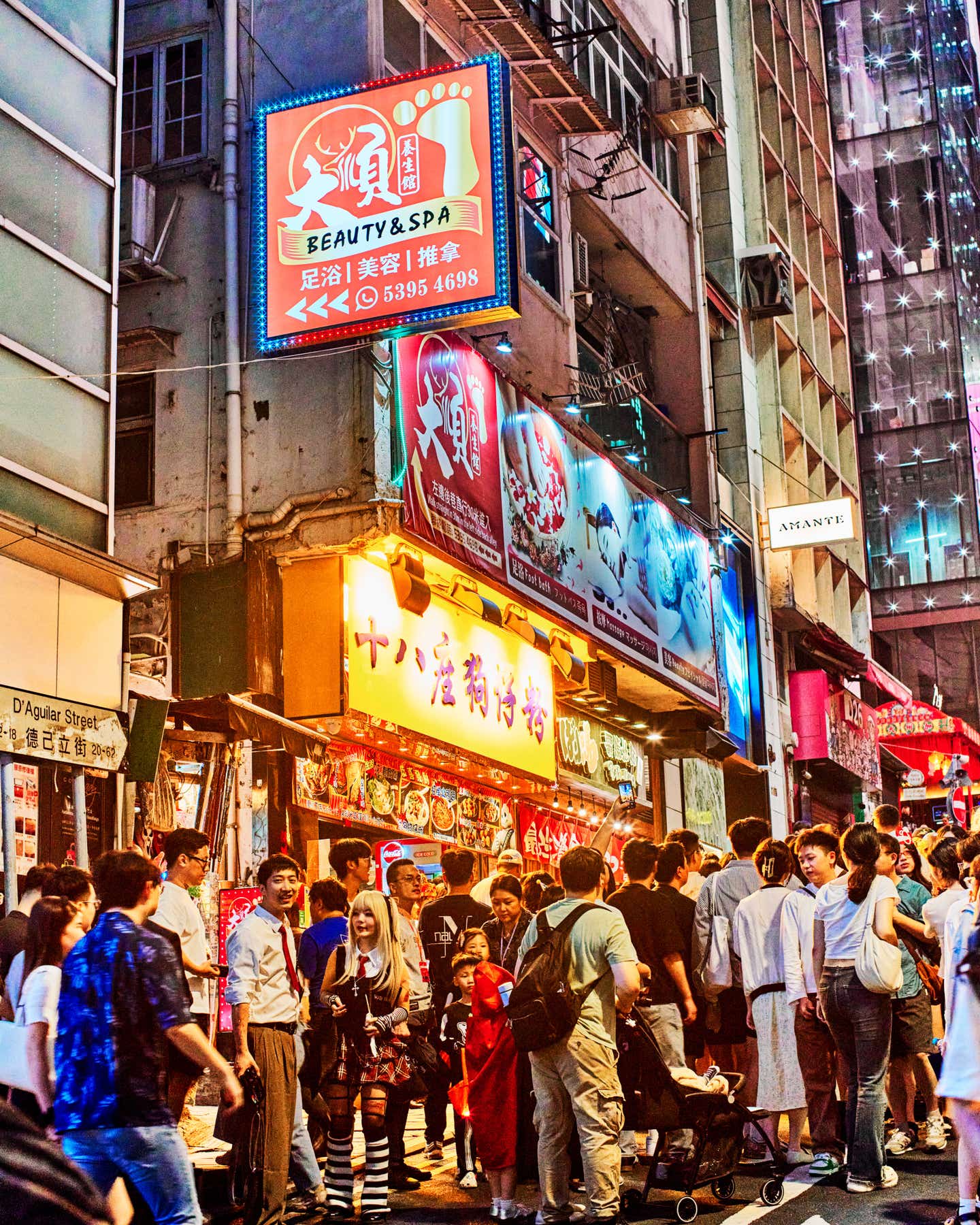
Regardless of the chosen destination, one thing remains certain: the pulsating rhythm of this city of nightcrawlers is infectious, stirring the heart and amplifying the "drums" of one’s stomach.
Culinary Highlights of Hong Kong’s Nightlife
Ho Lee Fook: While dim sum is traditionally a daytime affair, this playfully named restaurant, whose Cantonese moniker translates to "good mouth taste," defies convention by serving its delectable bites well into the early morning hours. Patrons can savor pandan cakes shaped like mahjong tiles, "Tetris-style" pineapple and mango slices, and vibrant purple corn dumplings. The ambiance is further enhanced by an alt-’90s playlist featuring artists like Björk and Pulp, creating a unique and nostalgic dining experience. To complement the meal, the "Lucky Buck" cocktail—a potent blend of scotch, yuzu, honey, and ginger beer—is served in a golden lucky cat glass, adding a touch of whimsy to the sophisticated flavors. The restaurant’s innovative approach to traditional dim sum has garnered significant attention, positioning it as a must-visit for those seeking a modern twist on Cantonese cuisine.
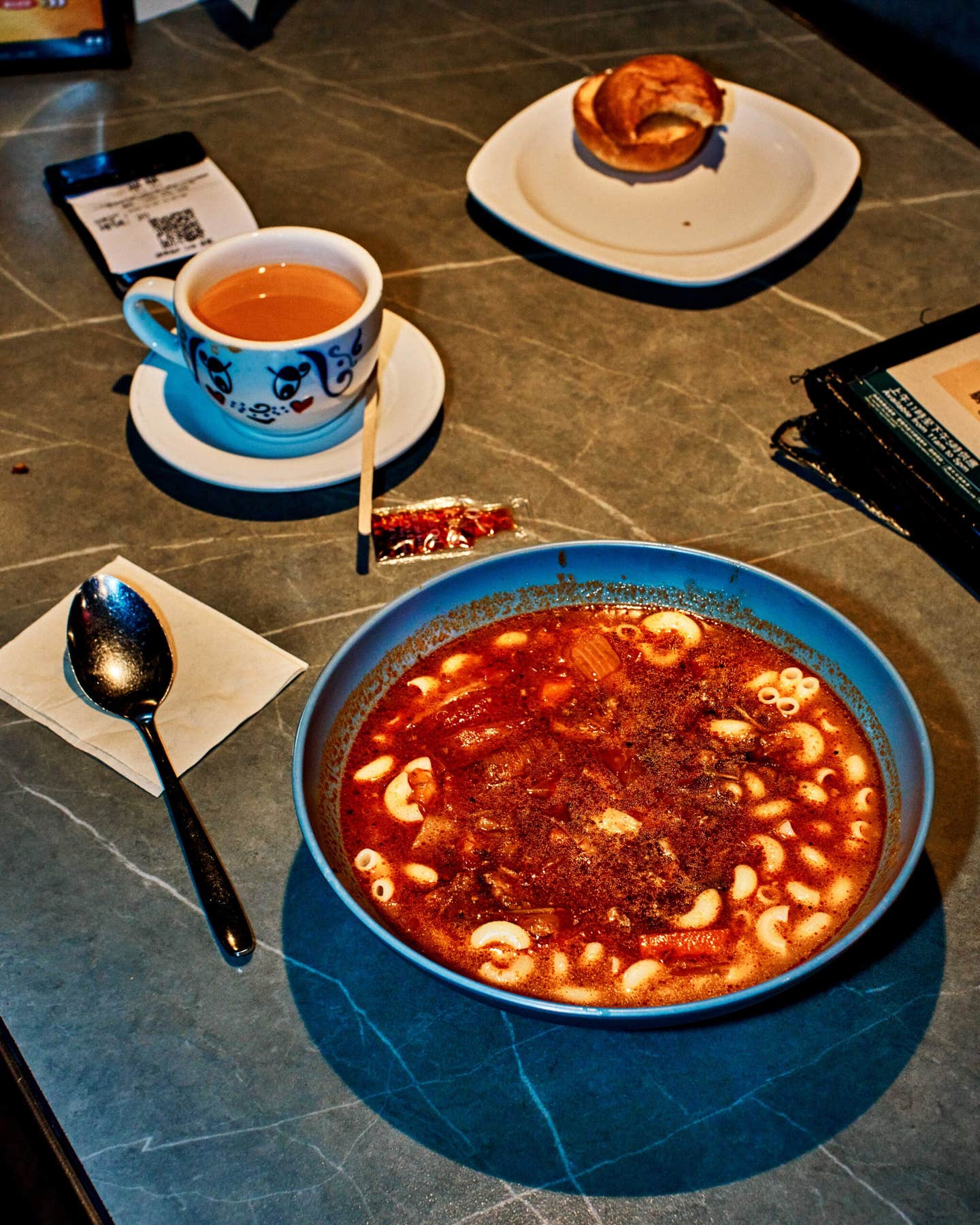
Tsui Wah: For those seeking a quick, no-frills post-night out meal, this beloved fast-food chain offers a comforting and efficient dining experience. The priority here is swift service, allowing patrons to quickly indulge in their cravings, such as the perfectly springy fish ball soup. The hot, nourishing broth is elevated by a side of lai cha, Hong Kong’s signature blend of black tea with evaporated milk, a beverage with roots tracing back to World War II, underscoring the historical depth of the city’s culinary traditions. Tsui Wah’s enduring popularity is a testament to its ability to provide consistent quality and comforting flavors, making it a reliable choice for late-night sustenance. The chain’s expansion beyond Hong Kong further solidifies its status as a culinary ambassador for local tastes.
Central District Cafe: The experience of savoring a bowl of hot, brothy noodles with sweat trickling down your neck is a quintessential local rite of passage. In this minimalist cafe located in the Central District, the anise-infused beef noodle soup, generously studded with chunks of turnip cake, is a highly recommended indulgence. A key aspect of the dining experience here is the communal table, where sharing space with strangers is not just common but an integral part of the authentic Hong Kong culinary encounter. This practice fosters a sense of community and shared experience, even among those who have never met before. The cafe’s commitment to traditional preparation methods, particularly the slow simmering of broths, results in deeply flavorful and satisfying dishes.
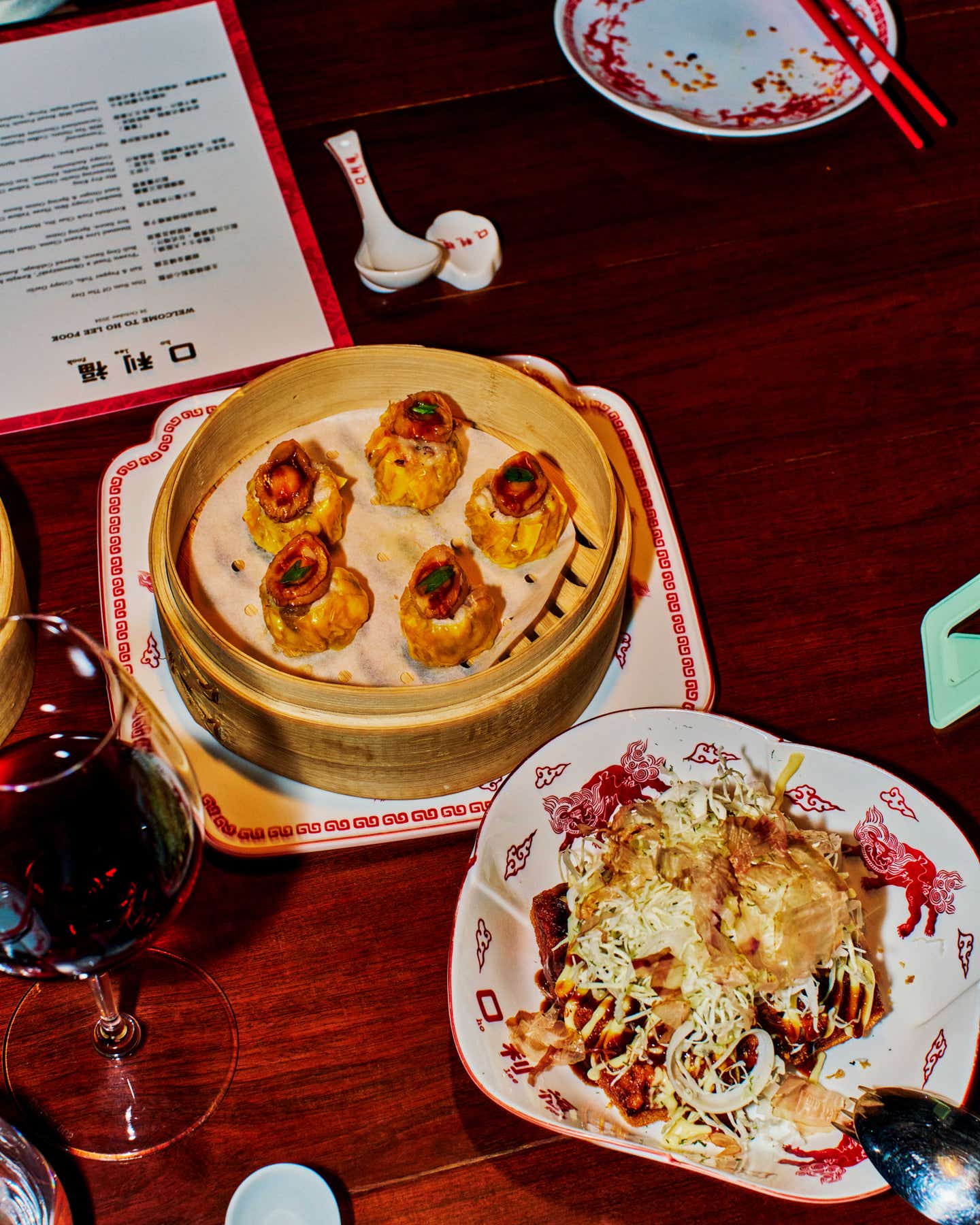
Exploring Further Culinary Frontiers
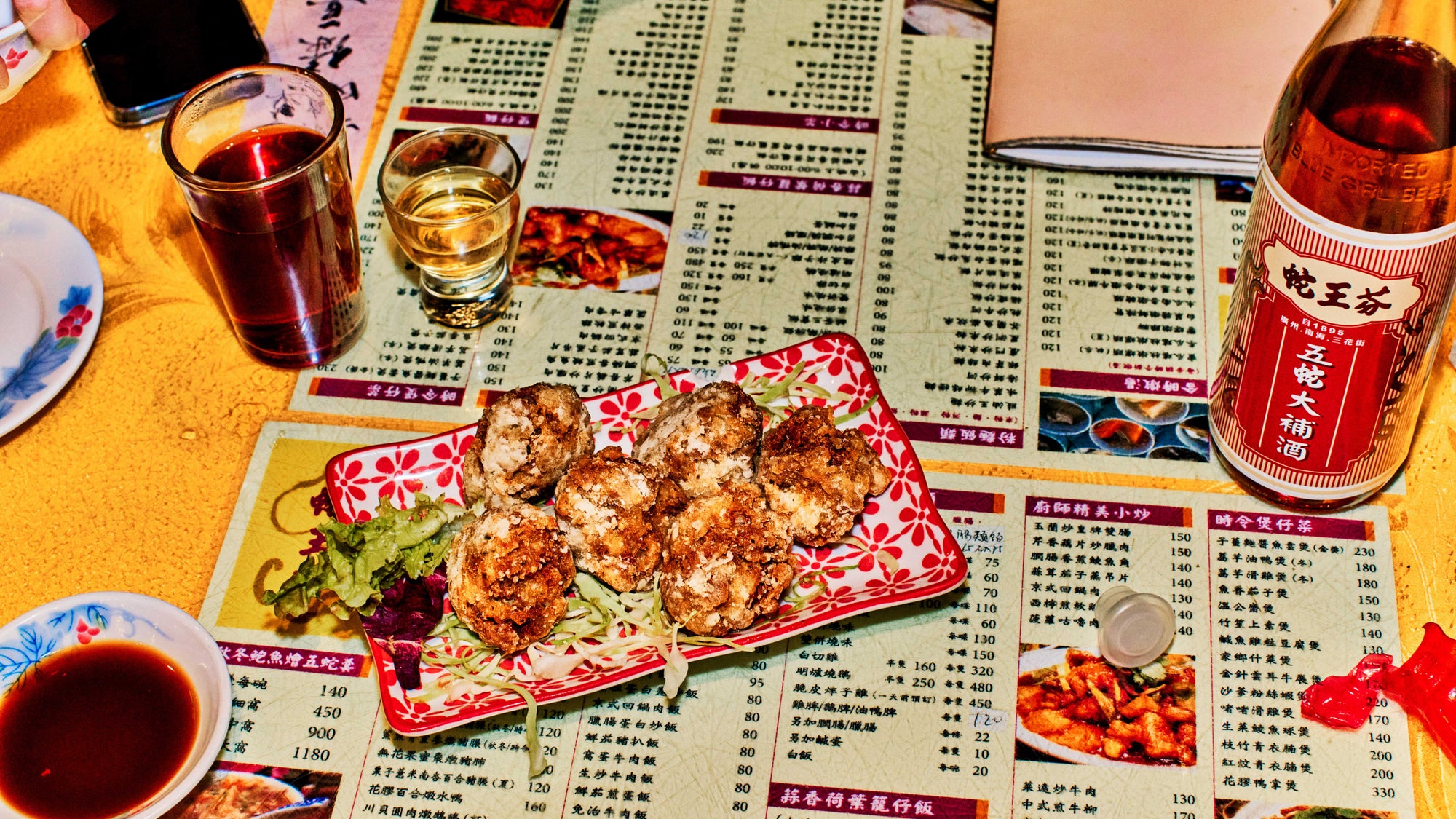
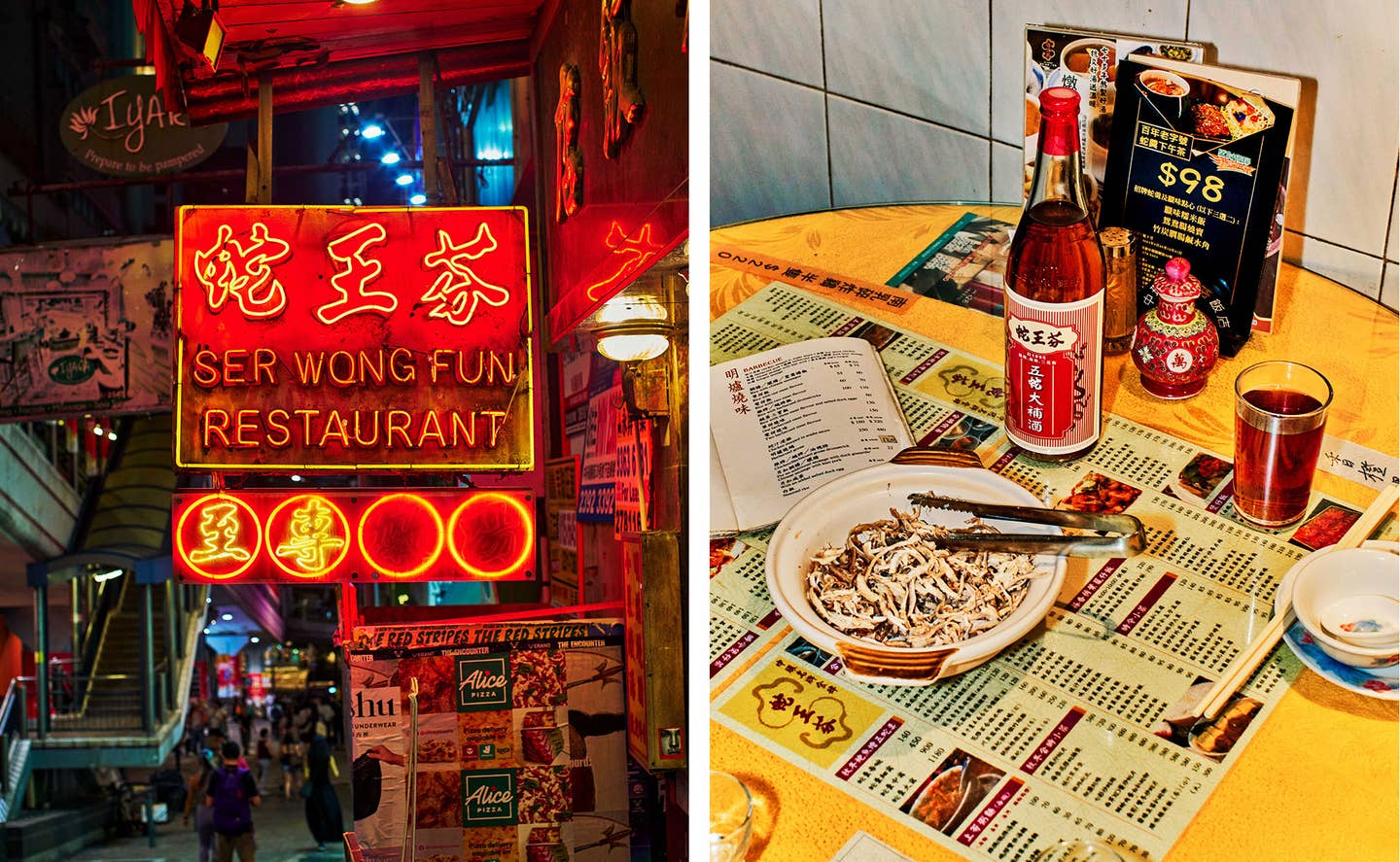
Ser Wong Fun: For the adventurous palate, Ser Wong Fun offers a unique opportunity to sample snake, a delicacy that has been a part of Hong Kong’s culinary heritage for centuries. The reptile is prepared in various ways, including deep-fried into bite-sized balls or shredded and incorporated into a tangerine-infused soup known as ser geng. To accompany these distinctive dishes, patrons can opt for a shot of snake "wine"—a potent, homemade hooch infused with the essence of the serpent, offering a fiery and sharp kick. The restaurant’s dedication to preserving and innovating with traditional ingredients like snake meat highlights a significant aspect of Hong Kong’s diverse food culture, often overlooked by mainstream tourism. The nutritional claims and traditional medicinal properties associated with snake consumption also add a layer of historical and cultural intrigue.
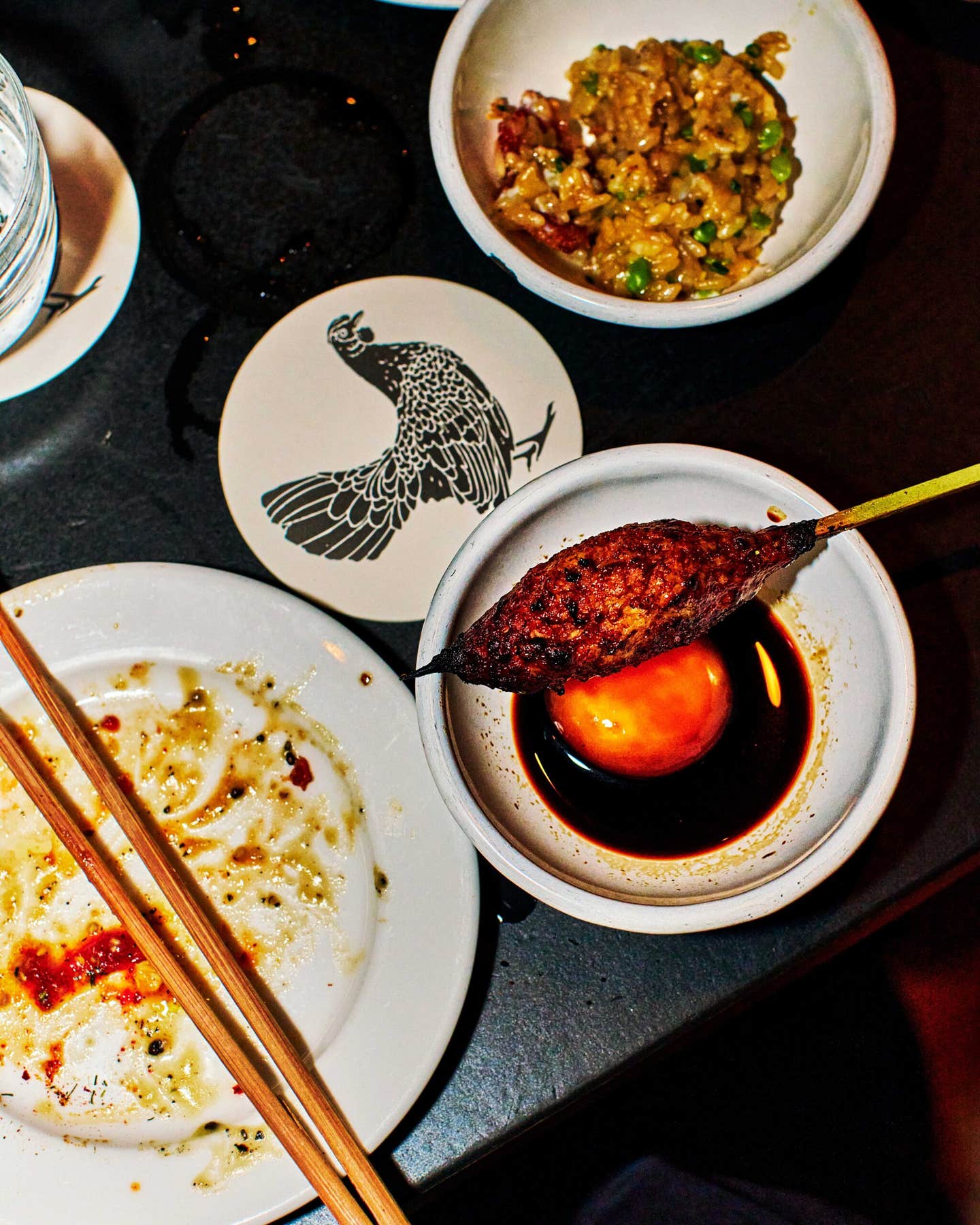
Yardbird: This popular Sheung Wan eatery redefines the perception of chicken, showcasing the exceptional flavors that can be derived from less conventional parts like the neck, gizzard, and skin. These cuts are transformed into phenomenally flavorful skewers, bursting with a harmonious blend of salt, smoke, and acidity. Diners can choose to secure a table or join the lively crowd at the bar, expertly juggling skewers in one hand and a highball in the other. The experience is further elevated by the housemade sesame ice cream, a perfect cooling finale, sandwiched between delicate sesame cookies. Yardbird’s success lies in its commitment to high-quality ingredients and innovative preparation techniques, particularly its focus on nose-to-tail utilization of poultry. The restaurant’s vibrant atmosphere and expertly crafted dishes have made it a consistent favorite among locals and international visitors alike.
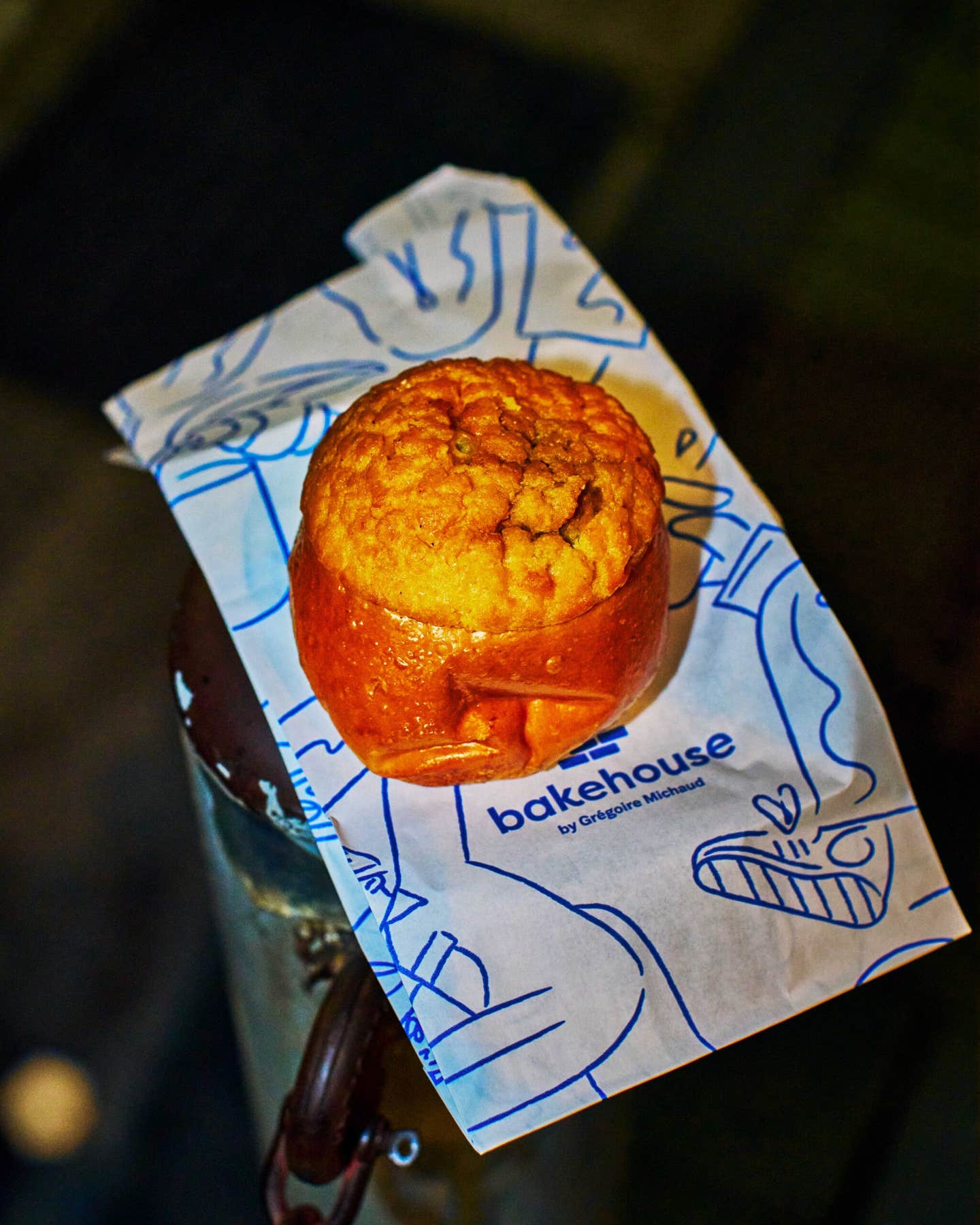
Bakehouse: Egg tarts, a beloved pastry, found their way to Hong Kong in the 17th century via Macau, where Portuguese sailors had introduced the custardy pastéis de nata. The Hong Kong iteration is notably denser than its European predecessor. At Bakehouse, a charming tile-floored bakery, these egg tarts are a standout, particularly their buttery sourdough pastry crust. The bakery’s dedication to artisanal baking techniques and the use of high-quality ingredients have earned it a reputation for producing some of the finest baked goods in the city. The fusion of traditional Portuguese influences with local adaptations creates a unique and highly sought-after pastry. The bakery’s commitment to sourdough fermentation also adds a distinct flavor profile and texture to their offerings, setting them apart from conventional bakeries.
Traditional Flavors and Local Institutions
Lee Kung Kee North Point: The iconic bubble waffle, a street food staple, owes its unique texture—simultaneously fluffy and crisp—to its signature air pockets. It is a mesmerizing sight to watch the skilled cooks at Lee Kung Kee North Point artfully fold ingredients like matcha, chocolate chips, or Ovaltine into the batter. The soft-cooked waffle is then expertly furled into a cone, making it the perfect vessel for on-the-go indulgence. During the summer months, these extra-eggy waffles transform into edible bowls for ice cream, artfully soaking up every last drop of melty sweetness. The visual appeal and the delightful textural contrast make bubble waffles a perennial favorite, especially among younger generations. The restaurant’s consistent quality and the theatricality of its preparation contribute to its enduring popularity.
Sun Hing: This classic cha chaan teng opens its doors at 3:00 a.m., primarily serving the city’s legion of overnight workers. The clientele is remarkably diverse, with Michelin-starred chefs, street cleaners, and truck drivers often sharing cramped plastic tables. They gather to savor hearty dishes such as barbecue pork buns, duck feet congee, fried taro, and lotus-wrapped glutinous rice. The communal dining experience at Sun Hing fosters a unique sense of camaraderie, where individuals from all walks of life converge over a shared love for comforting, traditional fare. The restaurant’s long operating hours and its dedication to classic Cantonese comfort food have cemented its status as a beloved local institution. The no-frills environment and the focus on robust flavors appeal to a wide demographic seeking authentic local cuisine.
Sun Hing (Clay Pot Rice): For those seeking an authentic clay pot rice experience, Sun Hing is a highly recommended destination. The advice is to bypass the queue and head directly to the back to find a seat at a communal table. From this vantage point, one can observe the chefs expertly tending to clay pots filled with rice and various meats, typically eel or Chinese sausage, which develop a delightful crispiness at the bottom. Upon receiving their own pot, diners are encouraged to stir its contents, scraping the smoky, crackly rice into the flavorful roasted meats, creating a deeply satisfying and texturally complex dish. The communal seating arrangement, while sometimes perceived as daunting, is an essential part of the authentic Hong Kong dining experience, promoting interaction and a shared appreciation for the culinary arts. The preparation of clay pot rice is a slow and meticulous process, often involving specific types of rice and carefully controlled heat to achieve the perfect balance of fluffy rice and crispy bottom.
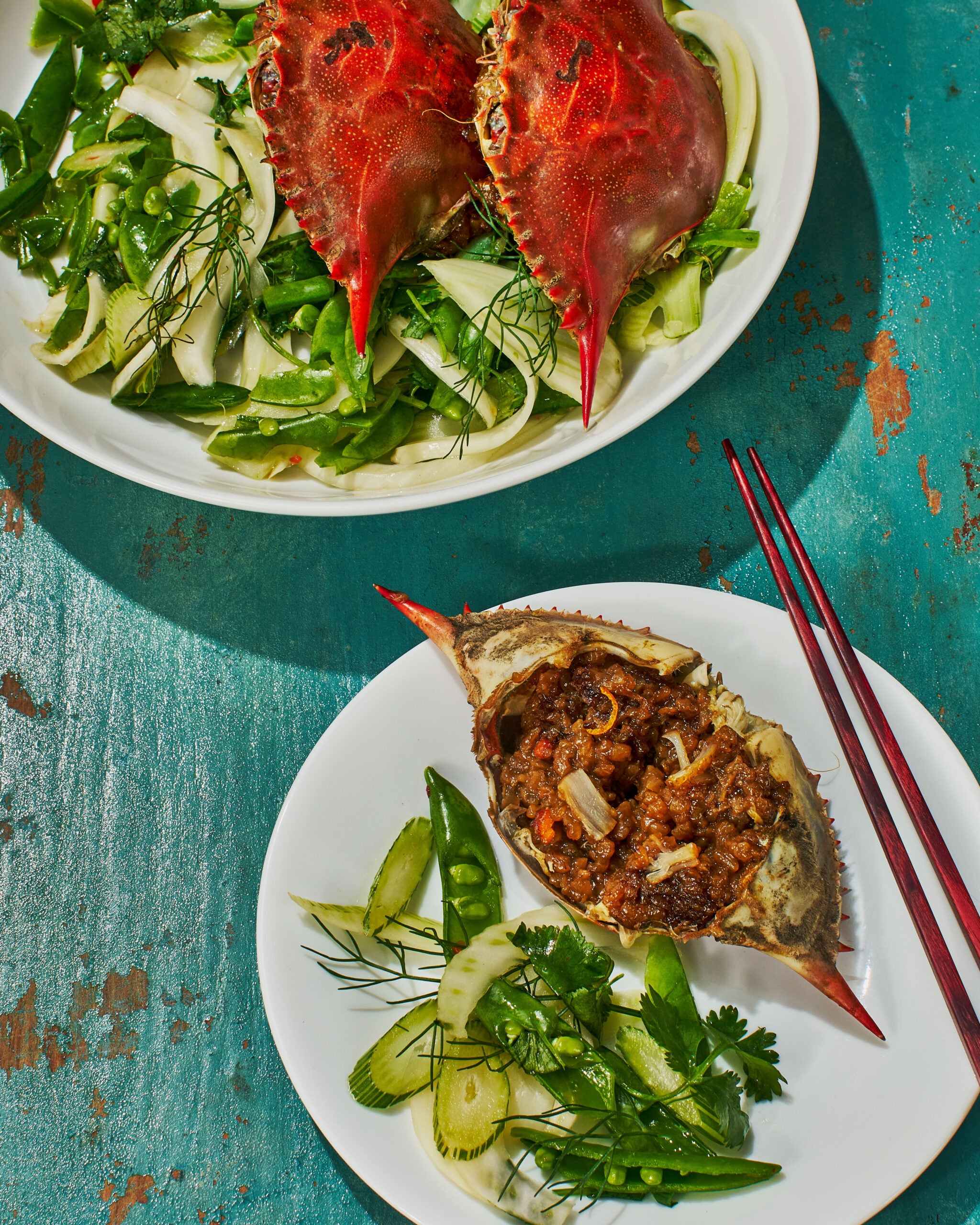
Under Bridge Spicy Crab: As the name suggests, crab is the undisputed star at this establishment. Hong Kong maintains a thriving mud crab industry, with fishermen diligently catching and delivering fresh crustaceans daily to restaurants like this one. Diners select their crabs by weight before they are prepared "typhoon shelter-style." This traditional method involves quick-cooking the whole crab over an open flame, then seasoning it generously with a potent blend of salt, garlic, chilies, and chives. The resulting dish is a fiery, aromatic, and intensely flavorful explosion of oceanic and spicy notes. The "typhoon shelter" preparation is a specific culinary technique that has become synonymous with Hong Kong’s seafood culture, offering a bold and memorable dining experience. The restaurant’s proximity to the city’s bustling markets and its direct relationships with fishermen ensure the freshest possible ingredients, contributing to the exceptional quality of its signature dish. The lively atmosphere and the communal enjoyment of this iconic dish further enhance its appeal.
Broader Implications and Cultural Significance
The vibrant late-night food scene in Hong Kong is more than just a collection of delicious dishes; it is a reflection of the city’s dynamic culture, its resilience, and its ability to blend tradition with modernity. The extended operating hours of many eateries and the willingness of locals to embrace unconventional ingredients speak to a deep-seated appreciation for food as a social and cultural cornerstone. This nocturnal culinary landscape provides a vital social outlet, fostering community and offering a sensory experience that is uniquely Hong Kong.
The economic impact of this sector is also considerable. Street food vendors and local restaurants contribute significantly to the city’s tourism industry, attracting visitors eager to sample authentic Hong Kong flavors. Furthermore, the adaptability of these businesses, from embracing new trends to maintaining time-honored recipes, demonstrates their crucial role in the city’s economic vitality. The accessibility of these food options, often at affordable prices, ensures that enjoying Hong Kong’s culinary heritage is an experience available to a broad spectrum of residents and visitors.
In conclusion, Hong Kong’s after-dark culinary scene is a testament to its enduring spirit. The rhythmic beat of the stomach, a metaphor for hunger, finds its ultimate expression in the myriad of flavors and experiences that unfold after sunset. From the humble street stall to the more established eateries, each establishment contributes to a gastronomic symphony that defines this remarkable city. As the neon lights continue to blaze, the "drums" of Hong Kong’s kitchens will undoubtedly keep beating, inviting all to partake in its unforgettable nocturnal feast. The city’s ability to sustain such a diverse and energetic food culture, even amidst rapid development, underscores its deep-rooted connection to culinary traditions and its ongoing commitment to gastronomic innovation.