 admin
admin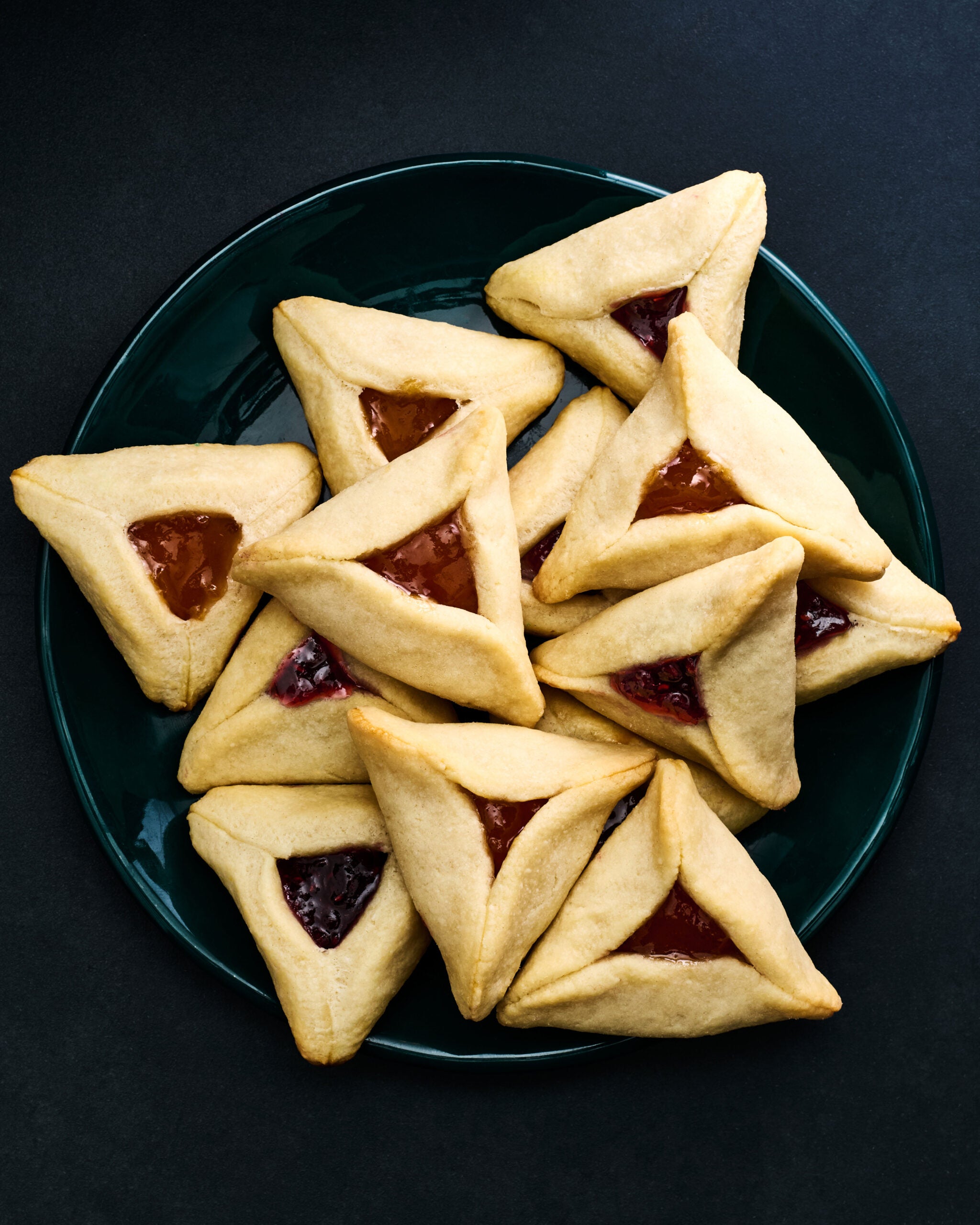
Traditionally served on the Jewish holiday of Purim, these jam-filled triangle cookies make a great snack year-round. The history of hamantaschen is deeply intertwined with the Purim story, a narrative of salvation and celebration within Jewish tradition. This beloved pastry, with its distinctive triangular shape, serves as a delicious edible reminder of the ancient tale of Queen Esther, Mordechai, and the villainous Haman. The tradition of baking and sharing these cookies extends far beyond religious observance, becoming a cherished culinary symbol of Jewish culture and a delightful treat enjoyed by many.
The Purim Narrative: A Foundation for Tradition
The story of Purim, as recounted in the Book of Esther, is central to understanding the significance of hamantaschen. The narrative unfolds in the ancient Persian Empire, where King Ahasuerus, seeking a new queen, chose Esther, a young Jewish woman who had been orphaned and raised by her cousin, Mordechai. Unbeknownst to the king, Esther was Jewish, a fact Mordechai had advised her to conceal.
Haman, the king’s chief advisor, harbored a deep-seated hatred for Mordechai and, by extension, all Jews. He manipulated King Ahasuerus into decreeing the extermination of all Jews throughout the Persian Empire on a specific day, the 13th of Adar. This plot, however, was thwarted by Esther’s courageous intervention. She revealed her Jewish identity to the king and exposed Haman’s wicked intentions. In a dramatic turn of events, King Ahasuerus ordered Haman to be hanged on the very gallows he had prepared for Mordechai, and the decree against the Jews was reversed. The 14th of Adar was then established as a day of feasting, gladness, and sending gifts of food and drink to one another, a practice known as mishloach manot.
The Evolution of Hamantaschen: From Hat to Symbol
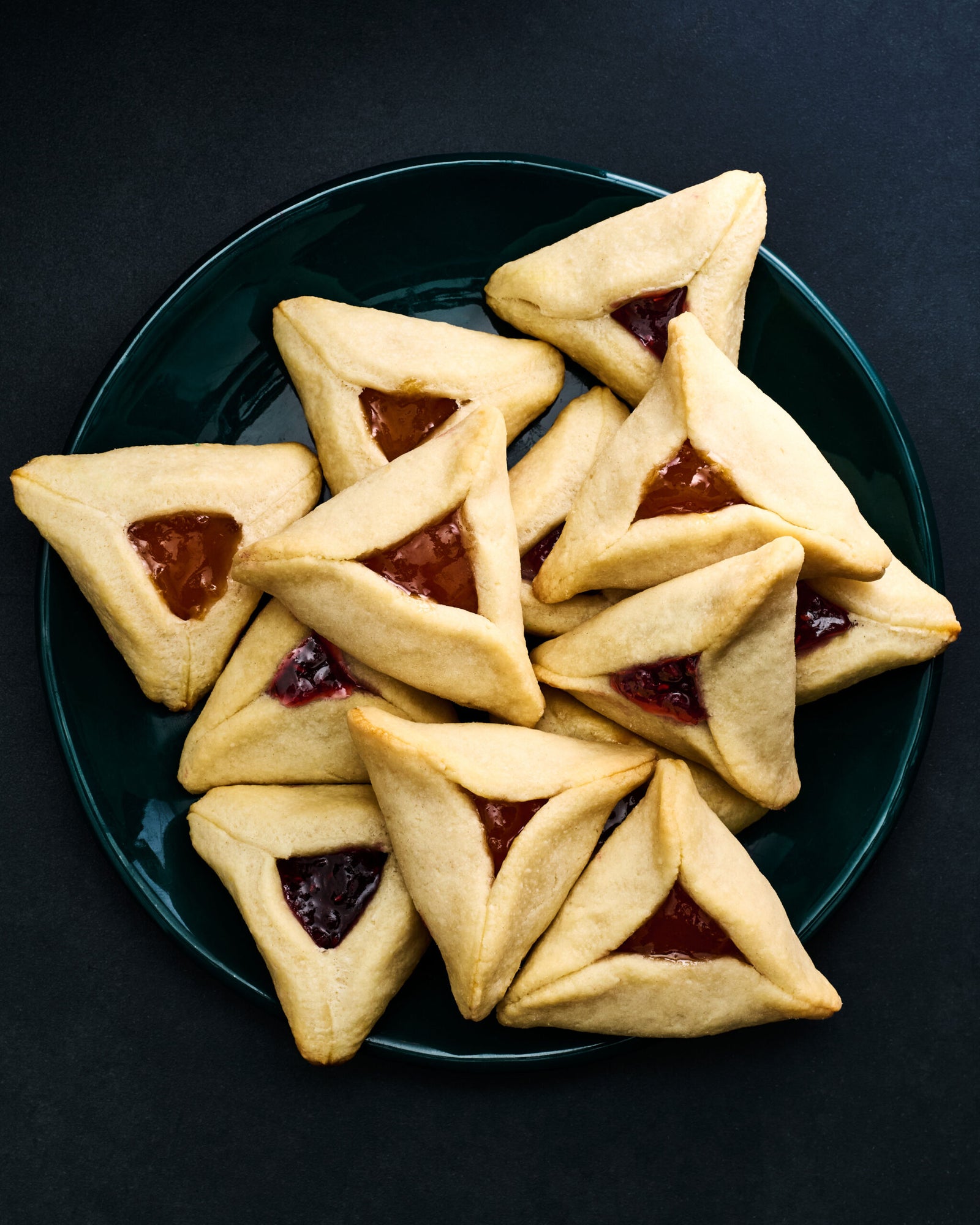
The hamantaschen, meaning "Haman’s ears" or "Haman’s pockets" in Hebrew and Yiddish, is widely believed to represent Haman’s three-cornered hat, a visual symbol of his downfall. While the exact origin of this culinary tradition is debated among scholars, its association with Purim is undeniable. Some theories suggest the triangular shape might also allude to other symbolic elements, such as the biblical patriarchs or even the shape of Haman’s ears, which were supposedly cut off.
The pastry itself is typically made from a sweet, rich dough, often incorporating cream cheese or butter to achieve a tender and flaky texture. The filling, traditionally poppy seed or a sweet fruit preserve, adds a burst of flavor that complements the dough. Over time, the variety of fillings has expanded considerably, reflecting regional preferences and individual creativity. Common fillings include apricot, raspberry, prune, cherry, and even chocolate or sweet cheese.
Betsy Andrews’ personal recollection offers a poignant glimpse into the cultural transmission of this tradition. Her childhood experience at a Jewish youth center in Philadelphia, where she first encountered hamantaschen, highlights how these cookies serve as a gateway to understanding Jewish holidays and heritage, even for those with less religious upbringing. Her grandmother’s superior version, featuring a flaky cream cheese pastry and homemade jams, underscores the difference between a generic offering and a lovingly crafted family recipe. This personal connection emphasizes the emotional and cultural significance embedded within food traditions.
A Delectable Tradition: The Art of Baking Hamantaschen
The process of making hamantaschen, while seemingly straightforward, involves several key steps to ensure a delightful outcome. The dough, often a shortbread-like pastry, requires careful handling to achieve the desired texture.
Ingredients typically include:
- Flour: The structural base of the cookie.
- Fat: Butter and/or cream cheese contribute to richness, flakiness, and tenderness.
- Sugar: Provides sweetness and aids in browning.
- Eggs or Egg Whites: Bind the dough and contribute to texture. Egg whites are often used to seal the edges.
- Flavorings: Vanilla extract or lemon zest can enhance the dough’s flavor.
- Leavening agents (optional): Baking powder or baking soda may be used in some recipes for a slightly lighter texture.
- Fillings: Sweet preserves (apricot, raspberry, cherry, prune), poppy seed paste, chocolate chips, or sweet cheese.
The baking process generally involves:
- Dough Preparation: Creaming the butter/cream cheese with sugar, then incorporating eggs and flavorings, followed by the dry ingredients. The dough is typically chilled to make it easier to handle.
- Shaping: The dough is rolled out to a specific thickness (often around 1/4 inch). Round cutters are used to create uniform circles.
- Filling: A dollop of filling is placed in the center of each dough circle.
- Forming the Triangle: The edges of the dough circle are folded inward towards the center, leaving a small opening at the top, creating the characteristic triangular shape. The corners are then pinched tightly to ensure the filling remains enclosed during baking.
- Chilling: The formed cookies are often chilled again before baking to help them hold their shape.
- Baking: Hamantaschen are baked at a moderate temperature (typically 350°F or 175°C) until lightly golden brown. The baking time can vary depending on the size and thickness of the cookies.
- Cooling: The cookies are cooled on a wire rack to prevent them from becoming soggy.
The recipe provided in the original article details a specific method using cream cheese, butter, sugar, vanilla, salt, and flour for the dough, with apricot and raspberry preserves as fillings. The instructions emphasize chilling the dough, rolling it to 1/4 inch thickness, cutting 2 1/2 inch rounds, and carefully sealing the triangular shape. The inclusion of chilling the shaped cookies before baking is crucial for maintaining their form.
Mishloach Manot: The Spirit of Giving
Beyond the act of baking, Purim is characterized by mishloach manot, the tradition of sending food gifts to friends and family. This practice is rooted in the biblical commandment to increase joy and share abundance. Mishloach manot baskets typically contain at least two different types of ready-to-eat food items, often including hamantaschen, fruits, nuts, or other sweet treats. The purpose is to foster community, strengthen bonds, and ensure that everyone, including the less fortunate, can partake in the festive meal.
For individuals like Betsy Andrews, who may not adhere to every religious observance, participating in the mishloach manot tradition through baking and sharing hamantaschen offers a tangible and joyful connection to their heritage. It demonstrates how cultural practices can be adapted and embraced, transcending strict religious dogma and becoming a vehicle for personal and communal expression.
Broader Impact and Implications: A Culinary Ambassador
The enduring popularity of hamantaschen speaks to its success as a culinary ambassador for Jewish culture. While deeply rooted in religious observance, these cookies have transcended their origins to become a widely recognized and enjoyed treat. Their simple yet satisfying combination of tender dough and sweet filling, coupled with their unique shape and the rich history they represent, makes them appealing to a broad audience.
The tradition of mishloach manot also plays a vital role in community building. By encouraging the exchange of gifts and festive foods, it reinforces social connections and promotes a spirit of generosity and shared celebration. In an increasingly globalized world, such traditions serve as important anchors to cultural identity and heritage.
The adaptability of the hamantaschen recipe, with its myriad of filling options, also contributes to its widespread appeal. This flexibility allows individuals and families to personalize the cookies according to their tastes and preferences, further solidifying their place in personal and communal celebrations. Whether prepared for a religious observance or simply as a delightful homemade treat, hamantaschen continue to evoke a sense of warmth, tradition, and culinary joy. The act of baking and sharing these cookies offers a delicious way to connect with history, culture, and loved ones, making them a timeless symbol of the Purim holiday and a cherished delight year-round.