 admin
admin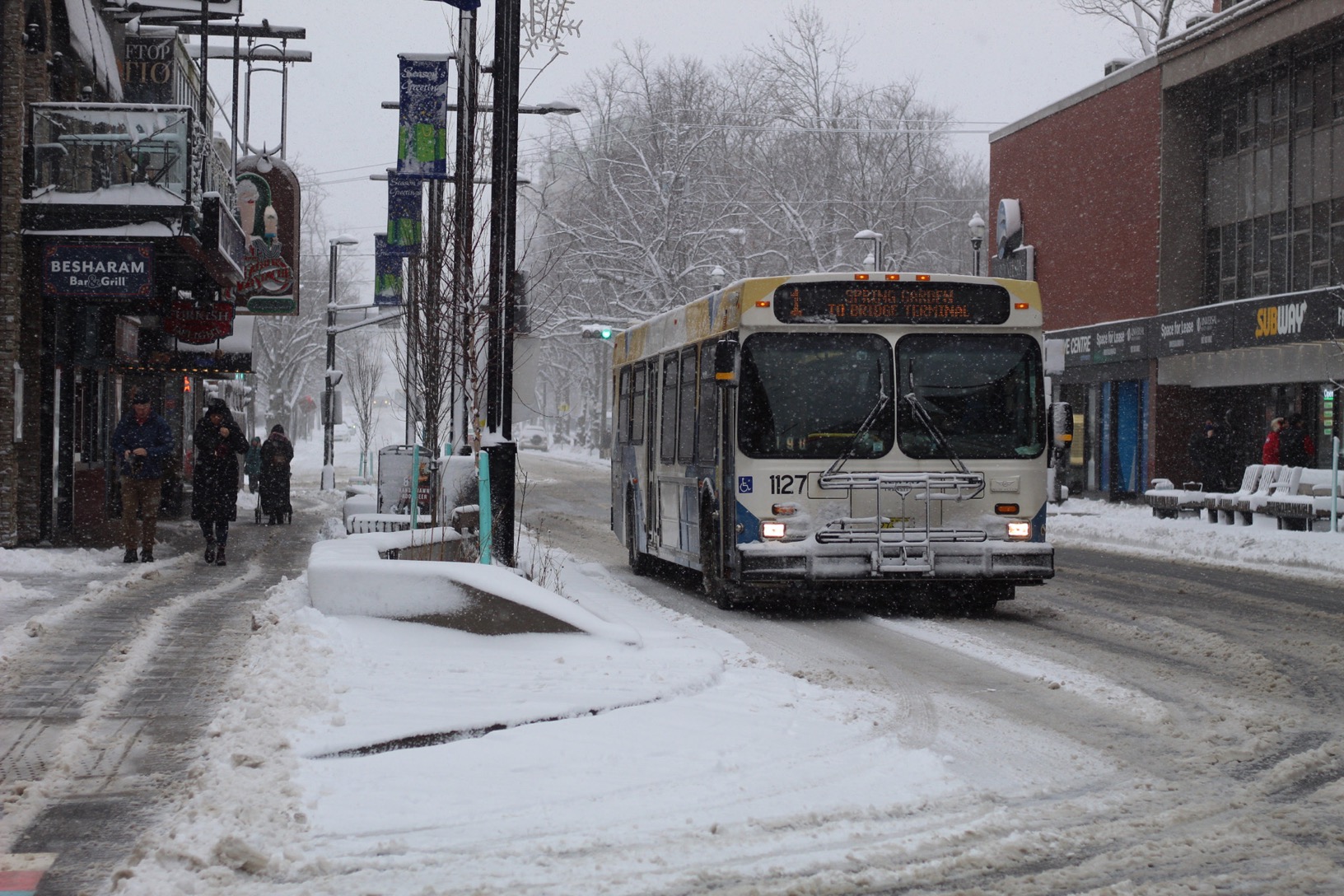
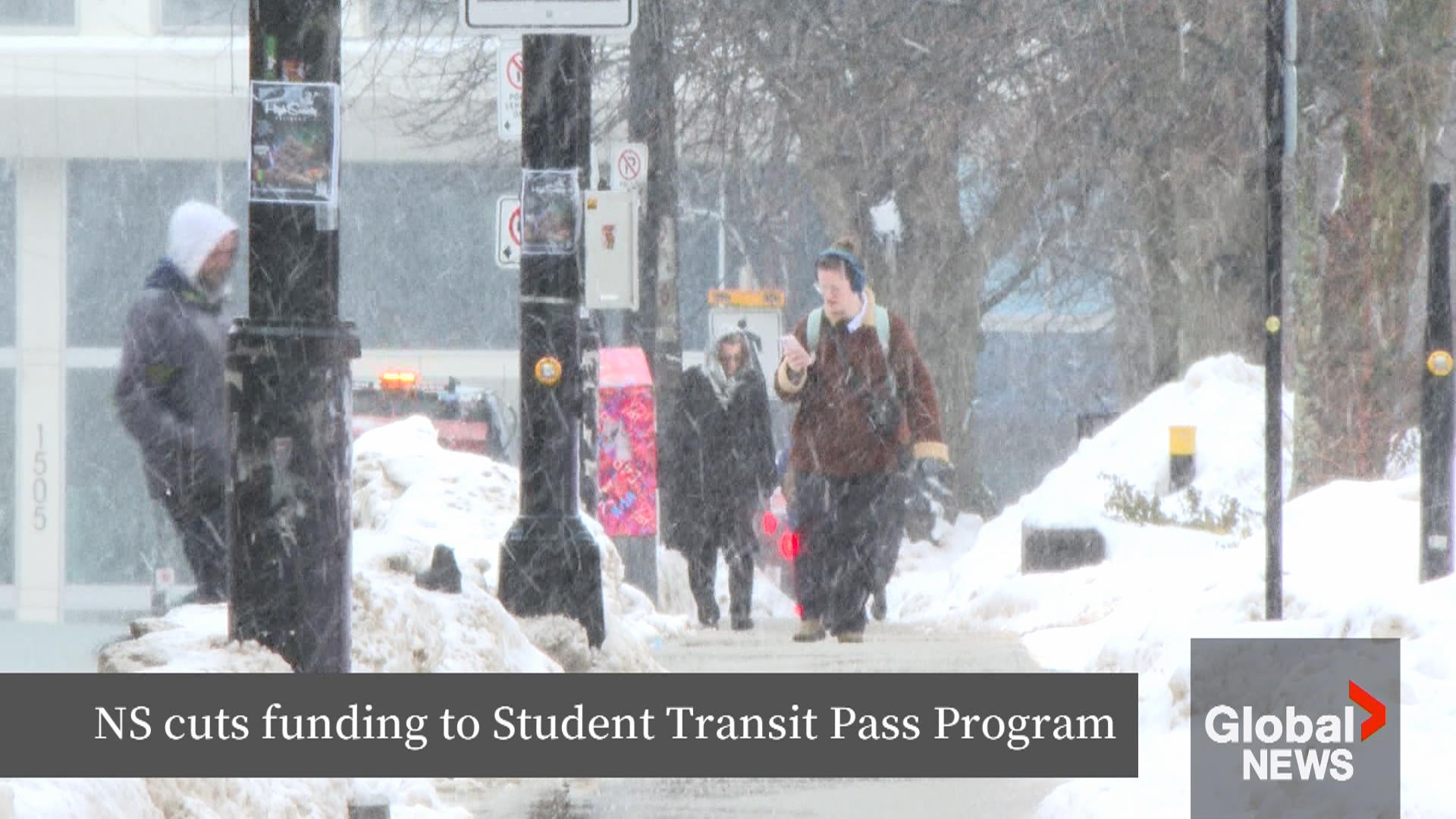
Halifax, Nova Scotia is currently grappling with the profound implications of a recent provincial budget decision that will significantly curtail the free transit pass program for junior high and high school students in the Halifax region. The move, announced as part of the Nova Scotia government’s broader strategy to tackle a substantial provincial deficit, has ignited widespread concern among students, parents, and community advocates who argue it will strip away crucial independence, exacerbate financial burdens on families, and undermine efforts to foster a sustainable public transit culture. Seventeen-year-old Teddie Rofe, a Grade 11 student in Halifax, stands as a poignant symbol of the hundreds of young people directly impacted, articulating a sentiment of loss that resonates across the student body. Her daily life, woven with part-time jobs babysitting and cleaning, and weekly volunteer commitments at a local daycare, now hangs in the balance, jeopardized by the impending cuts to a program she credits with fostering her self-reliance.
The Genesis of the Cuts: Fiscal Pressures and Budgetary Realities
The contentious decision emerged from the provincial government’s recently tabled budget, which outlines a series of fiscal adjustments aimed at addressing Nova Scotia’s formidable $1.2-billion deficit. Premier Tim Houston’s Progressive Conservative government has asserted the necessity of making tough choices, including a sweeping $130 million reduction in grant funding across various sectors. Within this framework, the free student transit pass program, which annually received $1.2 million in provincial funding, is slated for a drastic 50 percent cut, effectively halving its financial support by $600,000. This reduction will directly impact students enrolled in the Halifax Regional Centre for Education (HRCE) and Conseil scolaire acadien provincial (CSAP) schools, the two major school boards serving the Halifax region.
Education Minister Brendan Maguire acknowledged the program’s past successes, describing it as "a positive thing." However, he emphasized the government’s unenviable position of having to make difficult budgetary decisions in the face of significant fiscal pressures. The remaining funds allocated for student transit are not being entirely eliminated but will be redirected. Minister Maguire confirmed that the scaled-back program will see its remaining funds transferred to the Department of Opportunities and Social Development, which oversees an existing initiative providing free bus passes to youth whose families are on income assistance. This strategic shift, while aiming to support the most vulnerable, effectively narrows the eligibility criteria, leaving a vast majority of students who previously benefited from universal access in a precarious position.
A Loss of Liberty: Student Voices on the Front Lines
For students like Teddie Rofe, the impact is immediate and deeply personal. "I wouldn’t be able to do my volunteering, get to my job, or do any of that stuff without the free bus pass," Rofe stated in a recent interview, her words echoing the anxiety felt by many of her peers. The pass, she explained, was more than just a means of transportation; it was a "ticket to freedom," a tangible symbol of her growing independence. It enabled her to navigate her community, pursue opportunities for personal and professional growth, and engage socially without constant reliance on her parents for rides. This newfound autonomy, she lamented, is now threatened, forcing her to reconsider her commitments and potentially limit her experiences.

Neil Wang, an 18-year-old Grade 12 student, shares Rofe’s concerns, describing the bus pass as an indispensable tool in his daily life. Wang balances his academic responsibilities with two part-time jobs – one at McDonald’s and another as a lifeguard. "It is literally every day I use the bus," Wang affirmed, detailing his routine which includes commutes to and from school, to both of his workplaces, to Cadets events downtown on weekends, and for socializing with friends. For Wang, and countless others, the bus pass isn’t a luxury but a fundamental component of their ability to manage their demanding schedules and participate fully in their community. The prospect of losing this critical resource casts a shadow over their ability to continue these essential activities.
The Economic Strain on Families: Beyond Income Assistance
The government’s decision to reallocate funds to a program for families on income assistance, while intended to support the most vulnerable, inadvertently creates a significant financial burden for a broader segment of the population. Teddie Rofe’s mother, Heidi Rofe, highlighted a critical oversight: "There are many families who don’t qualify for income assistance but cannot afford a monthly bus pass." In Halifax, a youth bus pass costs $66 a month – a seemingly modest sum that can quickly become a prohibitive expense for families already navigating the rising cost of living, particularly those with multiple children.
Heidi Rofe elaborated on the profound positive difference the pass had made in her daughter’s life and, by extension, in the family’s dynamic. With both parents working demanding schedules – Heidi managing a small business and her husband engaged in shift work at the airport – the ability for Teddie to independently commute was invaluable. "We live a very busy lifestyle," Heidi Rofe told The Canadian Press. "I work nights and days and all over the place as well. So it’s been incredibly helpful for her to be able to come home from school on the bus and be able to go to a babysitting job or work at the daycare." The removal of the free pass not only impacts the students’ independence but also adds logistical and financial stress to already stretched households, potentially forcing parents to reduce work hours or incur additional transportation costs, further impacting family income.
Advocacy and the Erosion of a Progressive Transit Model
The provincial government’s decision has drawn sharp criticism from transit advocacy groups, who view the cuts as a significant step backward for Halifax, once considered a leader in youth transit accessibility in Canada. Dan Hendry, project director with the advocacy group Get on the Bus, expressed profound disappointment. "This is so hard to see, because the program’s been doing so well… Halifax had really been one of the leaders," he lamented. Hendry pointed out that while approximately 30 communities across Canada offer some form of subsidized or free ridership for youth, Halifax’s model, which provided students with an unlimited pass, was among the most comprehensive and effective.
Hendry’s analysis underscores a broader principle: introducing public transit to young people fosters habits that often extend well into adulthood. By "normalizing transit use," he argued, such programs help "create a transit culture." This cultivation of transit-first thinking has long-term benefits, not only for individual mobility but also for urban planning, environmental sustainability, and the overall efficiency of public infrastructure. The abrupt withdrawal of a program that successfully embedded these habits among a generation of students risks undoing years of progress and potentially shifting young people towards more car-dependent lifestyles as they age.

Supporting Data: A Snapshot of Program Success
The efficacy and popularity of the student transit pass program are not merely anecdotal. A Halifax municipality-run survey involving 2,607 students provided compelling data on its widespread use and positive impact. The survey revealed that a remarkable 90 percent of participating students utilized public transit for school-related trips at least once a week. Equally significant, 90 percent reported using the pass at least once weekly for non-school related travel, encompassing everything from part-time jobs and extracurricular activities to social outings.
Perhaps the most telling statistic is the dramatic shift in primary transportation methods. Before receiving the free pass, only 11.5 percent of students identified transit as their primary way of getting to and from school. With the program in place, this figure surged to 33.7 percent. This nearly threefold increase demonstrates the program’s effectiveness in encouraging public transit adoption and reducing reliance on private vehicles. The cuts, therefore, threaten to reverse these gains, potentially leading to increased traffic congestion, higher carbon emissions, and reduced accessibility for students who have grown to depend on public transport.
Broader Implications: Social Equity, Environmental Concerns, and Educational Access
The implications of these cuts extend far beyond individual students and their families, touching upon critical societal pillars. From a social equity perspective, restricting the program to only those on income assistance creates a significant gap. Students from working-class families who are just above the income assistance threshold but still struggle with discretionary expenses will be disproportionately affected. This could exacerbate existing inequalities, limiting access to opportunities for personal development, academic support, and social engagement for a substantial segment of the youth population.
Environmentally, the decision runs counter to global and local efforts to promote sustainable transportation. Increased car dependency among students and their families could lead to a rise in greenhouse gas emissions and urban congestion, undermining Halifax’s stated environmental goals. Public transit is a cornerstone of sustainable urban development, and investing in youth ridership is a proactive step toward building a greener future. The program’s reduction, therefore, represents a missed opportunity to reinforce environmentally conscious behaviors from a young age.
Furthermore, the cuts could indirectly impact educational outcomes and community engagement. Access to reliable transportation is vital for students to participate in extracurricular activities, academic support programs, and volunteer work – all of which are known to contribute positively to academic success, mental well-being, and civic participation. Without the free pass, some students may be forced to forgo these enriching experiences, potentially leading to reduced engagement in school and community life.

Timeline and Chronology of the Decision
The provincial budget, which outlined these cuts, was tabled by the Nova Scotia government in the spring, with the details of the student transit pass reduction coming to light shortly thereafter. While the exact start date of the free transit pass program was not detailed in the immediate reports, it has been a well-established initiative within the Halifax regional municipality, having garnered significant positive feedback over its operational period. The announcement of the $600,000 cut came amidst broader discussions regarding the province’s fiscal health and Premier Houston’s return to the legislature to address budget criticisms. The implementation of these changes is expected to take effect in the upcoming academic year, leaving little time for affected families and students to adjust to the new financial and logistical realities. Public outcry, including student protests and letters to MLAs, intensified immediately following the budget’s release, indicating a rapid and strong community reaction to the proposed changes.
A Call for Reconsideration
In response to the government’s decision, students like Teddie Rofe are not passively accepting their fate. Rofe has penned a heartfelt letter to her MLA and to Premier Houston, eloquently articulating the importance of the program and urging a reversal of the decision. "We are young people trying to build our futures… I respectfully ask that you reconsider the decision," her letter states, encapsulating the collective plea of her generation. These individual actions, coupled with organized protests and advocacy efforts by groups like Get on the Bus, signify a growing movement demanding that the provincial government acknowledge the multifaceted benefits of the program and prioritize the long-term well-being and independence of its young citizens over short-term fiscal adjustments.
As the debate continues, the Nova Scotia government faces increasing pressure to re-evaluate its stance. The cost of a free bus pass program, when weighed against the potential social, economic, and environmental costs of its absence – including reduced student opportunities, increased family stress, and a step back from sustainable transit goals – presents a complex equation. The voices of students, parents, and advocates serve as a powerful reminder that budget decisions, while often framed in terms of dollars and cents, ultimately have profound human impacts, shaping the lives and futures of the province’s next generation.