 admin
admin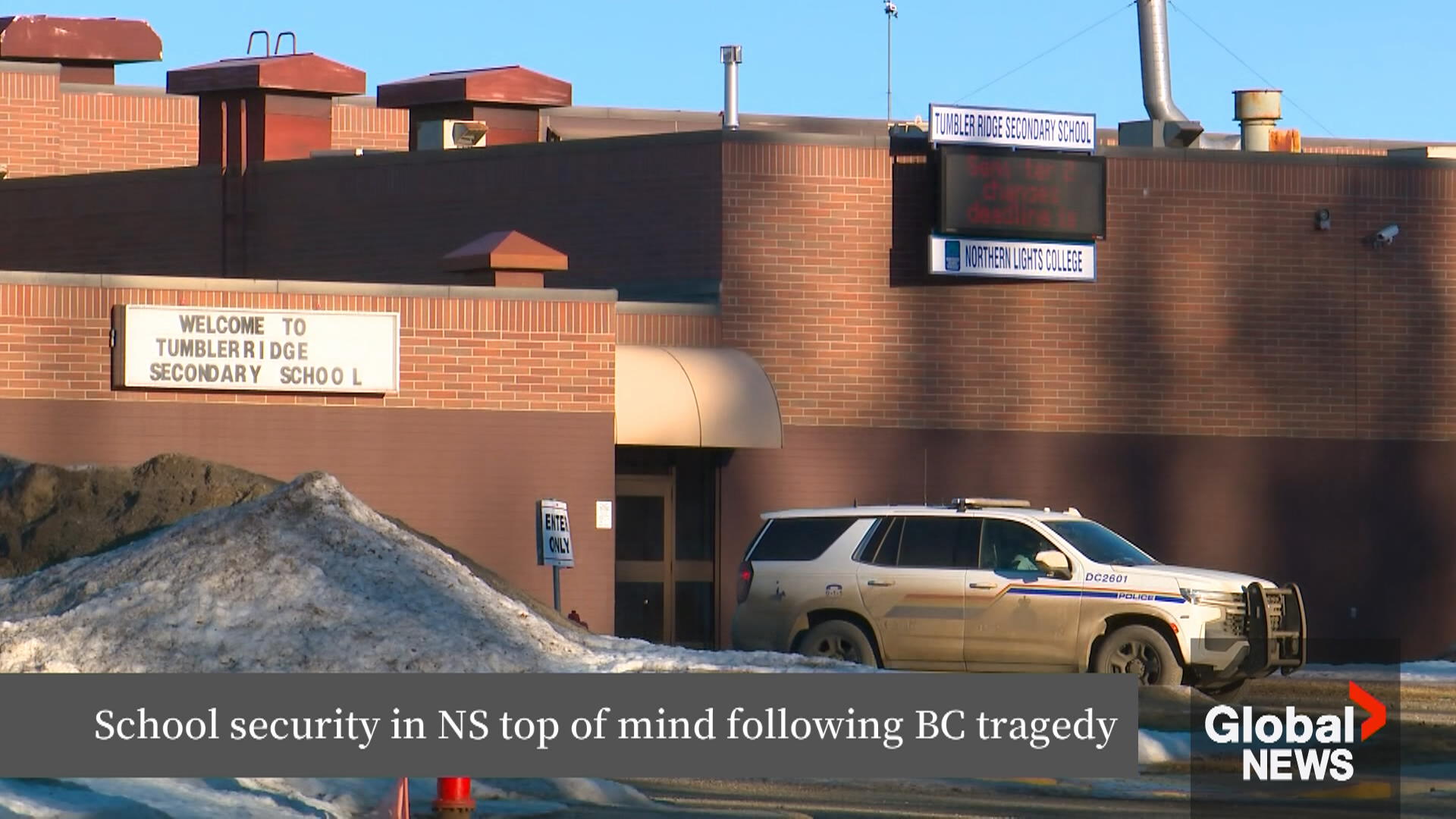
In the wake of the devastating mass shooting at Tumbler Ridge Secondary School in British Columbia, which has plunged communities across Canada into profound grief and introspection, a prominent security professional in Nova Scotia is urging immediate and proactive measures to bolster school safety. Ben Joly, a seasoned security expert with a decade of experience as a school patrol officer, including within the Halifax Regional Municipality, has issued a compelling call to provincial authorities and school boards to consider implementing a uniformed presence in educational institutions before another tragedy strikes. His appeal comes as Canadians grapple with the unfathomable loss of life and the unsettling realization that such horrific events can transcend geographical boundaries, demanding a re-evaluation of security protocols in places once considered sacrosanct.
The recent events in Tumbler Ridge on Tuesday afternoon sent shockwaves throughout the nation. A lone shooter unleashed a torrent of violence at Tumbler Ridge Secondary School, resulting in the senseless deaths of a female teacher and five students. The attack left more than two dozen individuals wounded, some critically, irrevocably altering the lives of the victims, their families, and the entire community. The brutality of the incident extended beyond the school grounds, as investigators later confirmed that the assailant had also killed two other individuals—the shooter’s mother and sibling—at a separate location prior to the school assault. This tragic pre-cursor added another layer of horror to an already devastating narrative, highlighting the complex and often deeply personal motivations that can fuel such acts of violence. The sheer scale of the tragedy ignited a nationwide discussion on vulnerability, preparedness, and the collective responsibility to safeguard the nation’s youth.
The Imperative for Proactive Security: Ben Joly’s Stance
Ben Joly’s advocacy for school patrol officers is not merely a reactive response to the Tumbler Ridge incident but stems from his extensive professional background and a deep understanding of security dynamics within educational environments. "We don’t want to turn our schools into fortresses," Joly asserted, addressing a common concern regarding the potential militarization of schools. "The mindset needs to change. People need to acknowledge that it’s a necessity, especially now." His statement underscores a delicate balance: the need for robust security without sacrificing the welcoming, nurturing atmosphere essential for learning and growth. Joly argues that the evolving threat landscape, exemplified by recent events, mandates a shift in perception towards proactive security measures as an integral component of school operations, rather than an optional add-on.

Drawing from his ten years as a school patrol officer, Joly articulated the tangible benefits of having a uniformed presence in school halls. His experience, particularly with the Halifax Regional Municipality, highlighted the dual role such officers play: not just as deterrents but as community builders. "I was able to build relationships with the staff and the kids, the students," he explained. This relational aspect, often overlooked in discussions focused solely on enforcement, is crucial. It fosters an environment where students feel comfortable approaching an officer with concerns, knowing their anonymity will be protected. "They knew they can come to me anonymously and say, ‘Hey, so-and-so is doing this, or this might happen at lunch hour.’" This intelligence-gathering function, rooted in trust, can be invaluable in pre-empting potential conflicts, acts of bullying, or even more serious threats, allowing for early intervention before situations escalate.
Beyond community engagement, Joly emphasized the critical role of a "well-trained person" in assessing and neutralizing threats. He clarified that effective school security isn’t solely about law enforcement but about specialized training in threat assessment. "(A well-trained person) will be able assess situations, assess body language. There’s many things that you can pick up on when you know what you’re doing," Joly stated. This speaks to a skillset that extends beyond traditional policing, incorporating behavioral analysis, de-escalation techniques, and crisis management. The goal is not just to respond to an active threat but to identify and mitigate risks long before they manifest. Joly succinctly captured the gravity of the situation: "(Chances are,) 99 per cent (of) things don’t happen, right? It’s that one time, and this time (in Tumbler Ridge) it was a bad one." This stark reminder underscores the high stakes involved and the need for preparedness for those rare, but catastrophic, occurrences.
Historical Context and Evolving School Security Debates
The debate around school security, particularly the presence of uniformed officers, is not new, but it has gained renewed urgency following incidents like Tumbler Ridge. Historically, schools were largely considered safe havens, shielded from the more serious crimes that afflicted broader society. However, a series of high-profile school shootings, particularly in North America over the past few decades, fundamentally altered this perception. These events, ranging from the Columbine High School massacre in 1999 to more recent tragedies, initiated a profound re-evaluation of school safety protocols, shifting focus from minor disciplinary issues to active shooter preparedness and threat mitigation.
In Canada, while mass school shootings have historically been less frequent than in some other nations, the nation is not immune. Incidents such as the 1989 École Polytechnique massacre and various school-related violent acts have periodically spurred discussions on gun control and school safety. The concept of School Resource Officers (SROs), typically uniformed police officers assigned to schools, gained traction in many jurisdictions as a direct response to rising concerns about school violence. Proponents argue that SROs deter crime, respond swiftly to emergencies, and build positive relationships between law enforcement and youth. However, the SRO model has also faced criticism, with concerns raised about the potential for increased criminalization of student behavior, disproportionate impact on marginalized student populations, and the blurring of lines between disciplinary issues and criminal offenses. Some educational and civil rights advocates argue that mental health professionals and restorative justice programs offer more effective and less punitive approaches to maintaining school safety and fostering a positive school climate. The Tumbler Ridge shooting reignites these complex discussions, pushing for a careful consideration of all options.

Nova Scotia’s Official Response and Broader Implications
Nova Scotia’s Education Minister, Brendan Maguire, acknowledged the gravity of the situation and the provincial government’s commitment to ensuring student and staff safety. "When our kids go to school, they should feel safe, and so should the staff," Maguire stated, echoing the sentiments of parents and educators across the province. He expressed "full confidence in the regional centers, I have full confidence in those schools," indicating a belief in the existing frameworks and the dedication of school personnel. However, he also signaled an openness to adapting to new challenges, adding a crucial caveat: "but if adjustments need to be made, they’ll be made." This statement suggests a willingness to consider proposals like Ben Joly’s, recognizing that the current landscape demands ongoing evaluation and potential enhancement of security measures.
The prospect of introducing or expanding the presence of school patrol officers in Nova Scotia is likely to spark a multi-faceted provincial dialogue involving various stakeholders. Teachers’ unions, such as the Nova Scotia Teachers Union (NSTU), would likely weigh in on the implications for classroom environments, teacher safety, and potential impacts on student-teacher relationships. While generally supportive of measures that enhance safety, they may advocate for comprehensive approaches that prioritize mental health support, professional development for staff in de-escalation, and adequate resources to prevent violence, rather than solely relying on a uniformed presence. Parent-Teacher Associations (PTAs) and parent advocacy groups would undoubtedly express both support for increased security and concerns about maintaining a positive school atmosphere, potentially debating the balance between safety and an overly securitized environment. Civil liberties organizations might also raise questions about student privacy, the potential for surveillance, and the impact of a visible security presence on the overall school culture.
Diverse Models of School Security: A Comparative Look
The discussion initiated by Joly’s proposal extends beyond merely placing uniformed individuals in schools. It opens the door to examining a spectrum of school security models, each with its own advantages and challenges.
1. School Resource Officers (SROs): As previously discussed, these are typically sworn law enforcement officers stationed in schools. Their presence offers immediate response capabilities during emergencies and can foster police-youth relations. However, critics argue they can contribute to the "school-to-prison pipeline," particularly affecting minority students, by introducing criminal justice interventions for behaviors that might otherwise be handled through school discipline.

2. Civilian Security Guards: This model, closer to what Joly might envision for some contexts, involves trained, unarmed or armed (depending on policy) security personnel who are employees of the school board or a private security firm. They are typically focused solely on school security, potentially allowing for greater integration into the school community without the broader law enforcement mandate of an SRO. Their training, however, becomes paramount.
3. Enhanced Physical Security Measures: This includes controlled access points, surveillance cameras, alarm systems, reinforced doors, and clear visitor protocols. While these measures can deter intruders and provide crucial information during an incident, they are reactive and do not address internal threats or the human element of security.
4. Mental Health and Early Intervention Programs: A proactive and increasingly emphasized approach involves robust mental health support services for students, bullying prevention programs, and threat assessment teams. These teams, comprising educators, administrators, and mental health professionals, are trained to identify and intervene with students who may pose a risk to themselves or others. This approach aims to address the root causes of violence rather than just reacting to its symptoms.
5. Emergency Preparedness and Training: Regular lockdown drills, active shooter training for staff, and comprehensive emergency response plans are fundamental components of modern school safety. These ensure that staff and students know how to react in a crisis, minimizing casualties and aiding emergency responders.

A comprehensive school safety strategy often integrates elements from several of these models, tailored to the specific needs and context of each school and community. The challenge lies in determining the optimal combination that maximizes safety while preserving the educational mission and fostering a positive learning environment.
The Psychological and Societal Impact of School Violence
Beyond the immediate casualties, school shootings leave indelible psychological scars on survivors, witnesses, and the broader community. Students exposed to violence can suffer from post-traumatic stress disorder (PTSD), anxiety, depression, and long-term academic and social difficulties. Teachers, often acting as first responders, bear immense psychological burdens, experiencing moral injury and burnout. The perception of schools as safe havens erodes, leading to increased anxiety among parents and a general sense of insecurity in society. The Tumbler Ridge tragedy, like others before it, forces communities to confront difficult questions about the nature of evil, the vulnerabilities of their institutions, and the collective responsibility to protect the most innocent.
Societally, such events reignite debates on gun control, mental health resources, and the influence of violent media. In Canada, known for its stricter gun laws compared to some of its neighbours, a mass shooting involving firearms still prompts calls for further legislative review and enforcement. There’s also a renewed focus on identifying early warning signs in individuals who might perpetrate violence and ensuring adequate support systems are in place. The long-term societal impact involves a shift in how public spaces, particularly schools, are viewed and secured, potentially leading to permanent changes in architectural design, security protocols, and community engagement.
Implementation Challenges and Forward Considerations
Implementing a new or expanded school security framework in Nova Scotia, such as Ben Joly’s proposed patrol officers, would entail significant challenges and considerations. Financial implications are paramount. Deploying trained security personnel across the province’s numerous schools would require substantial provincial and regional funding, not only for salaries but also for training, equipment, and ongoing professional development. Resource allocation would need to be carefully balanced against other pressing educational needs.

Furthermore, comprehensive training standards would need to be established for any new security personnel, ensuring they possess the specific skills required for a school environment, including de-escalation, youth psychology, and threat assessment, in addition to basic security competencies. Community consultation would be essential to garner support and address concerns from parents, students, and educators. Transparency regarding the role and responsibilities of these officers would be crucial to build trust and avoid misunderstandings.
Another critical consideration is the potential for unintended consequences. Critics of increased security presence often warn against the "school-to-prison pipeline," where minor infractions are increasingly handled by law enforcement rather than school disciplinary processes, potentially funneling students, particularly those from marginalized backgrounds, into the criminal justice system. Any new security model would need safeguards and clear protocols to prevent such outcomes, ensuring that disciplinary matters remain within the purview of school administration where appropriate.
Conclusion: A Multi-faceted Approach to Safety
The Tumbler Ridge school shooting serves as a stark and painful reminder of the persistent threat of violence in educational settings and the urgent need for robust safety measures. Ben Joly’s call for school patrol officers in Nova Scotia is a significant contribution to the ongoing provincial and national dialogue, highlighting the potential benefits of a visible, trained security presence. While Education Minister Brendan Maguire’s receptiveness to "adjustments" is encouraging, it also signals the beginning of a complex process of evaluation and decision-making.
Ultimately, ensuring the safety and well-being of students and staff requires a multi-faceted approach. This includes not only physical security enhancements and the potential deployment of patrol officers but also robust mental health support, early intervention programs, comprehensive emergency preparedness, and a strong community fabric that fosters open communication and mutual support. The tragic events of Tumbler Ridge compel Nova Scotia, and indeed all of Canada, to engage in a profound and collaborative effort to safeguard its schools, transforming them into truly secure environments where learning can flourish without the looming shadow of fear. The path forward demands careful consideration, informed dialogue, and a steadfast commitment to protecting the next generation.