 admin
admin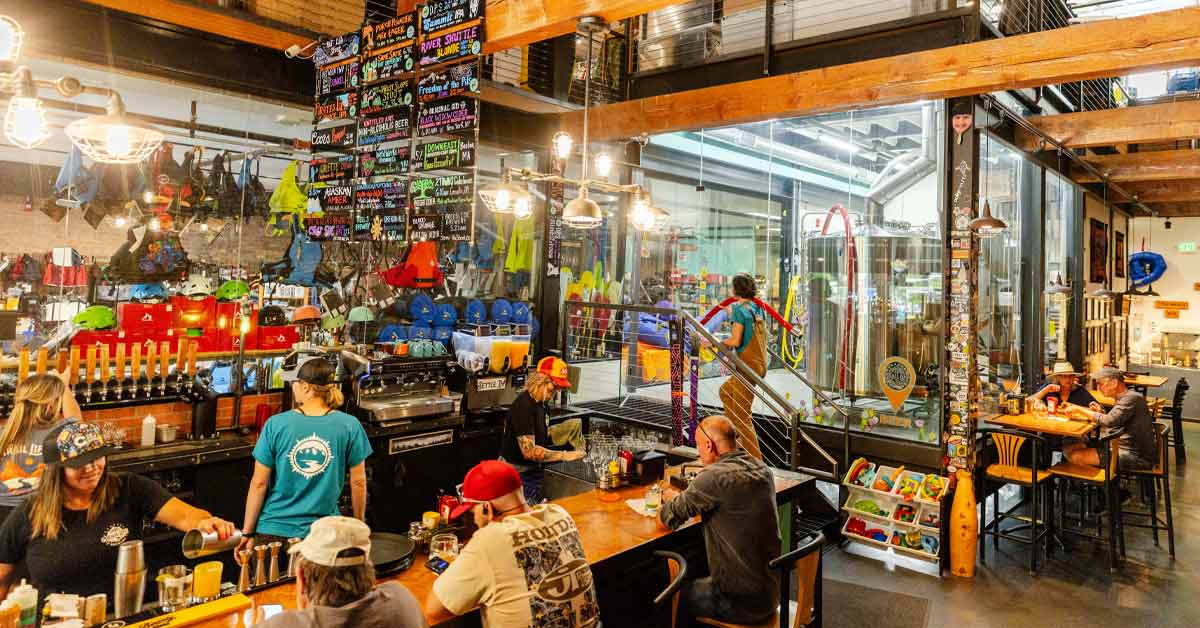
The Colorado National Monument, situated on the western edge of Grand Junction, Colorado, represents one of the American West’s most profound geological treasures, yet it remains remarkably insulated from the heavy tourist traffic that characterizes other regional landmarks. While the Grand Canyon, Arches, and Zion National Parks often struggle with over-tourism and permit-based entry systems, the red rock canyons and monolithic formations of the Colorado National Monument offer a serene alternative. This lack of congestion is a defining characteristic of Grand Junction, a city that is increasingly positioning itself as a premier destination for travelers seeking a convergence of high-level outdoor recreation and a sophisticated, community-driven craft beer scene.
Industry experts and local business owners note that the city’s appeal lies in its authenticity and the absence of the commercial saturation found in Colorado’s Front Range. Adam Kinsey, the founder of Handlebar Tap House and the recently established WestCo Brewing, observes that many travelers bypass Grand Junction in favor of more high-profile destinations. This trend extends to the state’s famous brewing industry; while beer enthusiasts historically flock to the metropolitan hubs of Denver and Fort Collins, Grand Junction has quietly cultivated a diverse and high-quality brewing landscape that serves both the local population and a growing number of "under-the-radar" visitors.
Geographic and Historical Context of the Grand Valley
Grand Junction derives its name from the confluence of two major waterways: the Gunnison River and the Colorado River. Historically, the upper reaches of the Colorado River were known as the Grand River, a nomenclature that persists in the names of local landmarks such as Grand Mesa and the Grand Valley. This geographic setting provides a unique intersection of three distinct landscapes: the high-desert plateau of the Colorado National Monument, the alpine environment of Grand Mesa—the world’s largest flat-top mountain—and the dramatic geological formations of Rattlesnake Arches, which boasts one of the highest concentrations of natural arches outside of Utah.
The city’s development has been intrinsically linked to these natural assets. In recent decades, Grand Junction has transitioned from a primarily industrial and agricultural hub into a center for outdoor tourism. This shift has been supported by the development of world-class mountain biking trails and hiking routes that rival those found in Moab, Utah, but with significantly fewer crowds. The evolution of the city’s beer scene is a direct reflection of this outdoor-centric culture, with breweries often serving as the "third place" for adventurers to congregate after a day in the field.
The Evolution of the Grand Junction Brewing Industry
The foundation of the local craft beer movement can be traced back to 1994 with the opening of The Rockslide Brew Pub. As one of the original craft breweries in Western Colorado, Rockslide established a precedent for brewpubs that prioritized both consistent ale production and community engagement. For over two decades, the scene remained relatively small, but the last five to ten years have seen an exponential increase in both the number of establishments and the technical complexity of the beer being produced.
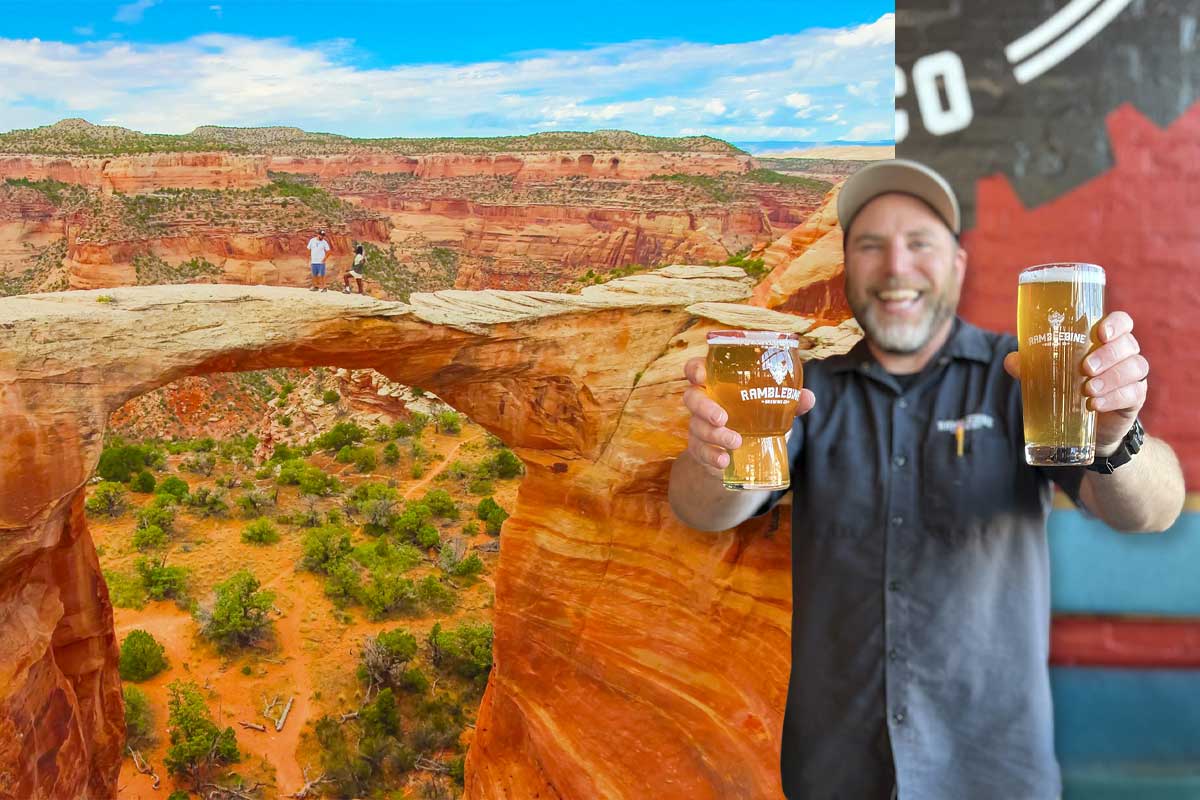
The year 2020 marked a significant turning point for the local industry with the opening of Ramblebine Brewing Company. Despite the challenges posed by the global pandemic, founders Eli Gerson and Rob James introduced a modern, style-diverse approach to brewing that resonated with a more discerning palate. Ramblebine’s portfolio illustrates the technical breadth of the current scene, ranging from traditional crisp lagers and West Coast IPAs to more experimental offerings like "God Hammer," a Norwegian red ale fermented with kveik yeast. The brewery’s ability to maintain a laid-back taproom environment while producing award-winning, nuanced beers has set a new benchmark for the region.
Synergy Between Outdoor Recreation and Craft Beer
A distinctive feature of Grand Junction’s brewing scene is its physical and cultural integration with the outdoor sports industry. This is most evident in establishments like Trail Life Brewing, which operates in direct physical connection to a mountain bike shop. This business model recognizes the symbiotic relationship between the "active" lifestyle and the social consumption of craft beverages.
The energy within these spaces is fueled by a clientele that views beer as a reward for physical exertion. At Trail Life, the tap list reflects this diversity of preference, offering everything from light Mexican-style lagers and blonde ales to the more robust "Pirates Life" Black IPA. Similarly, Handlebar Tap House, also located adjacent to a cycling hub, features 24 rotating taps that showcase the best of regional Colorado brewing. According to Kinsey, the local population is almost universally involved in at least one outdoor activity, whether it be mountain biking, hiking, or skiing on the Grand Mesa, creating a consumer base that values quality and community over mass-market convenience.
New Developments and the Expansion of the "Beer District"
The most recent addition to the landscape is WestCo Brewing, a collaborative project between Kinsey and veteran head brewer Danny Wilson. Situated near the Amphitheater at Las Colonias Park, WestCo is strategically positioned to capitalize on the city’s growing live music and events sector. The brewery’s focus is on "flavor-forward but easy-drinking" styles, such as Japanese-style rice lagers and New England IPAs, designed to appeal to both casual drinkers and aficionados.
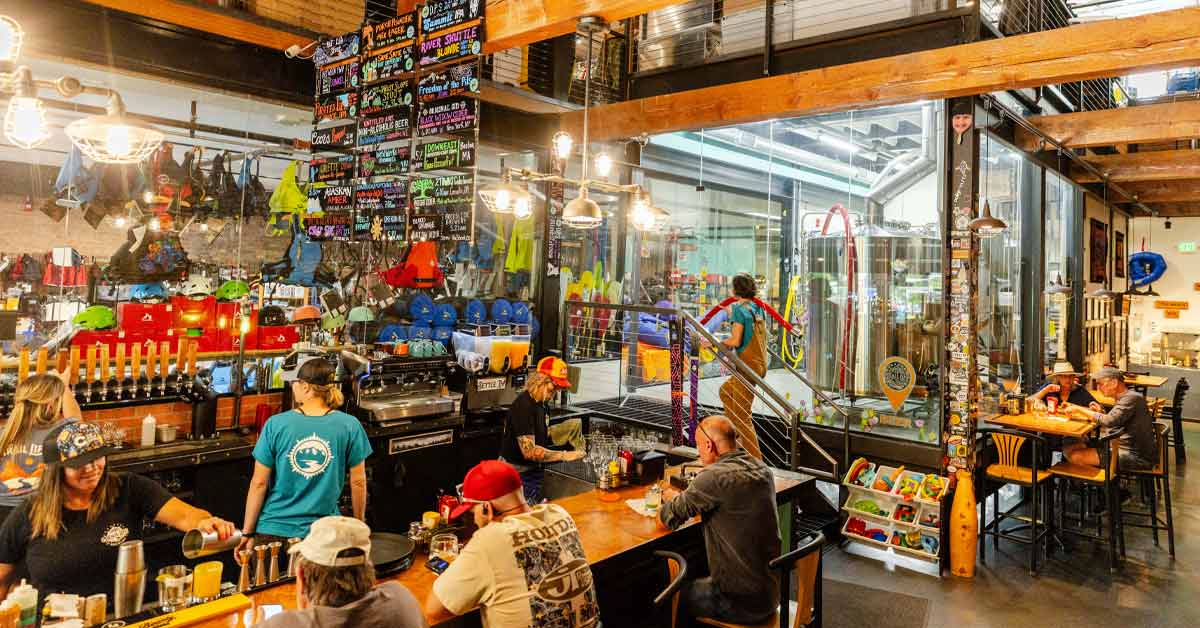
WestCo also represents a broader trend in the industry: the elevation of taproom culinary offerings. Moving beyond standard pub fare, the brewery’s kitchen serves destination-worthy dishes including Japanese chicken curry poutine, katsu fried chicken, and Colorado elk sloppy joes. This focus on high-quality food, combined with its proximity to the Colorado River and local parks, positions WestCo as a central pillar in the city’s efforts to revitalize its riverfront corridors.
Supporting Data and Economic Impact
The growth of the craft beer scene in Grand Junction mirrors broader trends within the state of Colorado, which remains a national leader in the craft brewing industry. According to data from the Brewers Association, Colorado’s craft breweries contribute over $2.4 billion annually to the state’s economy. While much of this impact is concentrated in the Front Range, Western Slope cities like Grand Junction are seeing a higher rate of per-capita growth in brewery openings.
Visitation statistics from the National Park Service (NPS) further highlight the opportunity for Grand Junction. In 2023, the Colorado National Monument saw approximately 600,000 visitors, a fraction of the 4.7 million who visited Zion National Park. This disparity suggests a significant growth ceiling for Grand Junction as travelers seek to escape the congestion of "bucket list" parks. The local hospitality sector has responded by diversifying its offerings, with craft breweries acting as a primary draw for the "high-value" demographic of travelers who spend more on local dining and experiences.
Broader Implications and Future Outlook
The rise of Grand Junction as a beer and outdoor destination suggests a shift in how travelers perceive the American West. There is a growing movement toward "secondary cities" that offer the same natural amenities as major hubs but with a more manageable pace and a lower cost of entry. The success of breweries like Base Camp Beer Works—which experiments with creative ingredients like pineapple, pistachio, and cranberry—indicates a local market that is willing to support innovation.
Furthermore, the presence of Gemini Beer Company, which serves its own IPAs alongside guest taps from other local breweries, highlights a spirit of "co-opetition" rather than cutthroat rivalry. This collaborative environment is essential for the long-term sustainability of the scene, as it allows the city to market itself as a cohesive "beer destination" rather than a collection of isolated businesses.
As the city continues to develop its infrastructure, including improved riverfront access and expanded trail systems, the integration of the craft beer industry will remain a central component of its identity. For the beer enthusiast, Grand Junction offers more than just a place to drink; it offers a look at a maturing market where the quality of the product is matched by the majesty of the surrounding landscape. The "embarrassment of riches" cited by local owners is no longer a secret kept by residents, but a burgeoning reality for the national travel market.
Conclusion
Grand Junction stands at a unique crossroads of geological splendor and artisanal excellence. By leveraging its natural assets—the Colorado National Monument, the Grand Mesa, and the river confluences—with a robust and innovative brewing community, the city has created a template for sustainable tourism. As travelers continue to seek out authentic, less-crowded experiences, Grand Junction is well-positioned to ascend to the top of the national travel discourse, offering a high-quality "ex-beer-ience" that is as deep and varied as the canyons that define its horizon.