 admin
admin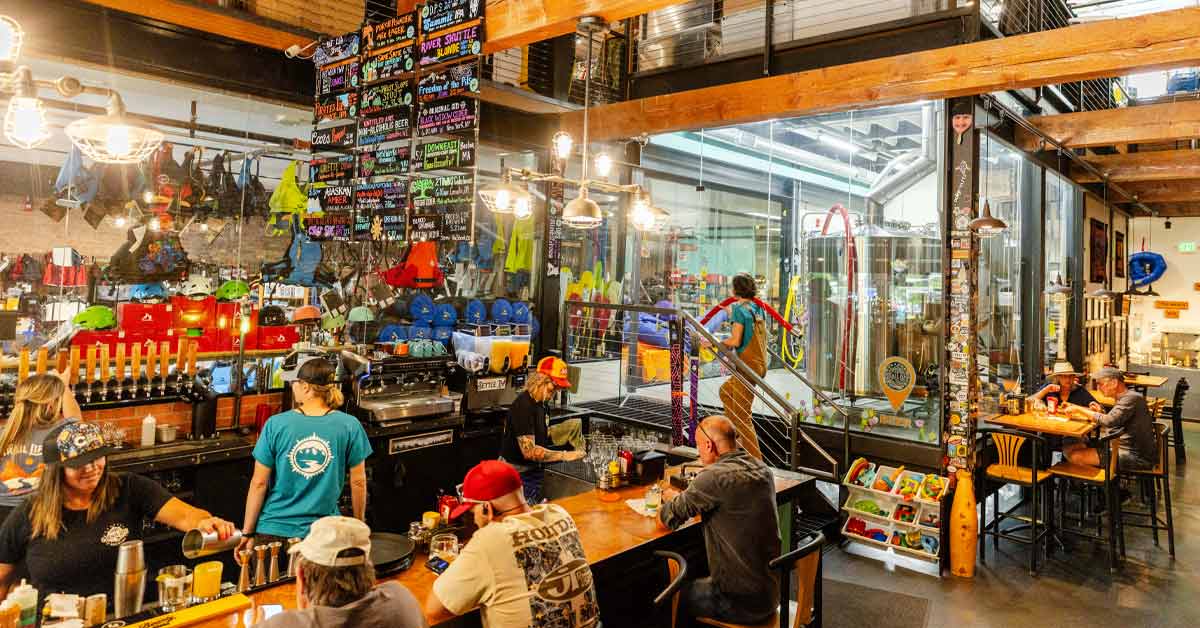
The geographic profile of Western Colorado is defined by a dramatic convergence of high-desert plateaus and lush river valleys, yet for decades, the city of Grand Junction remained a secondary consideration for travelers transiting between Denver and the national parks of Eastern Utah. This regional dynamic is undergoing a fundamental shift as the city leverages its unique natural assets—the Colorado National Monument, the Grand Mesa, and the Rattlesnake Arches—to foster a sophisticated craft beer ecosystem that rivals the established hubs of the Front Range. While the Grand Canyon and Zion National Park grapple with over-tourism and environmental strain, Grand Junction offers a statistically quieter alternative, characterized by a burgeoning "adventure-brewery" model that integrates outdoor recreation directly into the hospitality experience.
The Geographic and Economic Foundation of the Grand Valley
Grand Junction derives its name from the confluence of the Gunnison River and the Colorado River, the latter of which was historically known as the Grand River until 1921. This hydrological junction created a fertile valley that initially supported a robust agricultural sector, particularly stone fruits and viticulture. However, the modern economic identity of the region is increasingly tied to the "outdoor recreation economy," a sector that contributes over $11 billion annually to Colorado’s GDP.
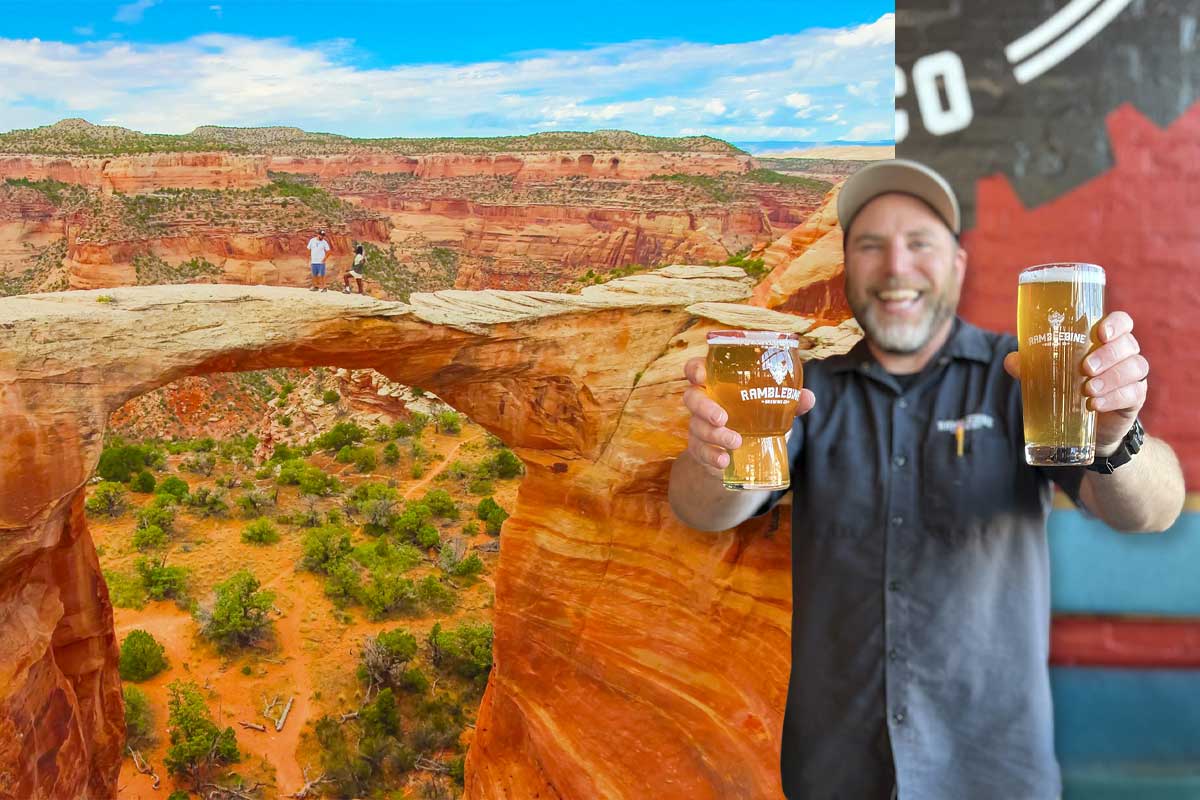
The Colorado National Monument serves as the anchor for this movement. Spanning over 31 square miles, the monument features red rock canyons, towering monoliths, and the historic 23-mile Rim Rock Drive. Despite its visual parity with the Grand Canyon, National Park Service (NPS) data indicates a significant disparity in foot traffic; while the Grand Canyon frequently sees upwards of 4.7 million annual visitors, the Colorado National Monument typically records between 400,000 and 600,000. This lower density has become a primary selling point for the city’s burgeoning tourism board and local entrepreneurs, who argue that the "serenity" of the Western Slope provides a superior experience for enthusiasts of hiking, bouldering, and mountain biking.
The Evolution of the Grand Junction Brewing Timeline
The maturation of the local beer scene has occurred in two distinct phases. The "pioneer phase" began in 1994 with the establishment of The Rockslide Brew Pub. As the city’s first modern craft brewery, Rockslide introduced the community to English-style ales and traditional lagers, serving as a stable anchor on Main Street for nearly three decades.
The "innovation phase" began roughly five years ago, marked by a surge of new licenses and a shift toward experimental brewing techniques. This era is defined by breweries that cater to a demographic that views craft beer as a post-activity ritual. Adam Kinsey, a prominent figure in the local scene and founder of Handlebar Tap House and WestCo Brewing, notes that the local population is almost universally engaged in outdoor activities. This cultural alignment has led to a symbiotic relationship between retail bike shops and fermentation cellars, a trend that is now a hallmark of the Grand Junction experience.
Technical Diversity and Innovation: Ramblebine Brewing
Established in 2020, Ramblebine Brewing represents the technical vanguard of the local scene. Founders Eli Gerson and Rob James have moved beyond the standard rotation of IPAs to explore historically significant and yeast-driven styles. A focal point of their production is the "God Hammer," a Norwegian Red Ale fermented with Kveik yeast.
Kveik, a family of heirloom yeast strains from Norway, has gained popularity in the craft community for its ability to ferment at high temperatures without producing the off-flavors typical of traditional ale yeasts. By utilizing these strains, Ramblebine produces complex, ester-forward beers that bridge the gap between traditional European farmhouse traditions and modern American palates. Their portfolio further includes hoppy pilsners and barrel-aged stouts, reflecting a commitment to stylistic diversity that serves as an educational tool for a local consumer base that is rapidly moving away from macro-brewery products.
The Intersection of Recreation and Retail: Trail Life and Handlebar
The integration of the "bike-and-brew" culture is most visible at Trail Life Brewing. Historically, the American brewery was modeled after the German beer hall or the British pub—a standalone destination for social drinking. Trail Life disrupts this by physically attaching the brewery to a professional mountain bike shop. This logistical configuration targets the "active lifestyle" consumer, providing a seamless transition from the technical terrain of the nearby Lunch Loops trails to the taproom.
The beer program at Trail Life is designed for high-drinkability, featuring Mexican-style lagers and blonde ales that cater to the physiological needs of athletes—lower alcohol by volume (ABV) and crisp finishes. However, they also maintain a commitment to bolder styles, such as their Black IPA, a style that balances the roasted malt profile of a porter with the citrusy hop bitterness of a West Coast IPA.
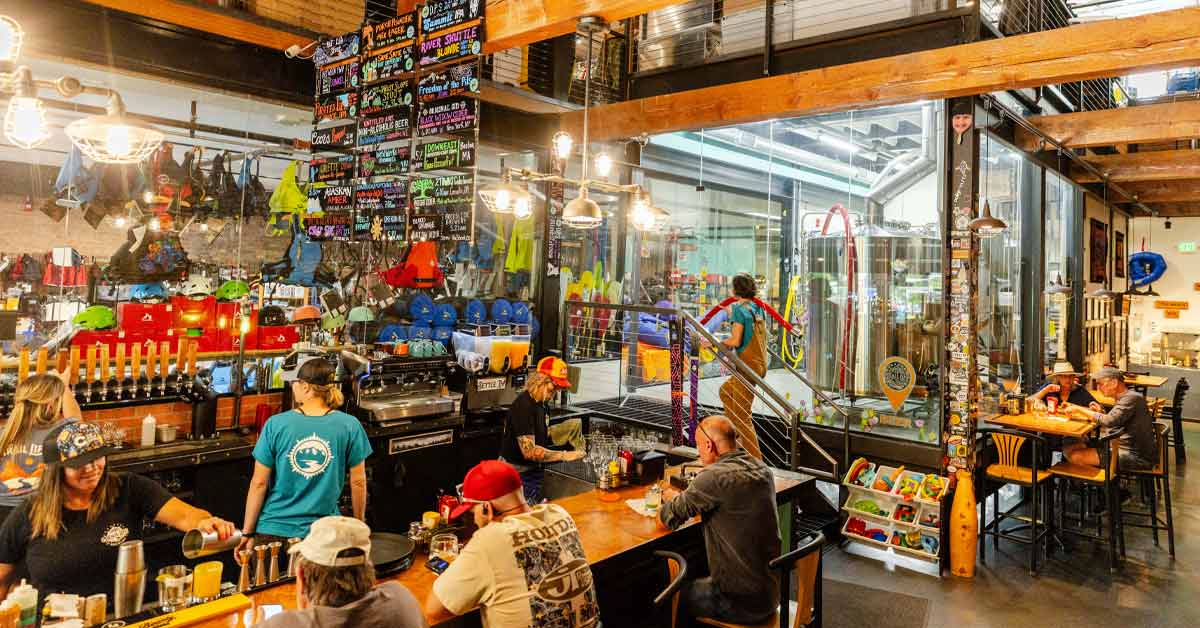
Handlebar Tap House, another Kinsey-led venture located adjacent to a bike shop, functions as a regional showroom for Western Slope brewing. With 24 rotating taps, Handlebar provides a data point for the health of the regional industry, showcasing not only local Grand Junction pours but also beers from the surrounding high-altitude communities.
Strategic Development: WestCo Brewing and Las Colonias Park
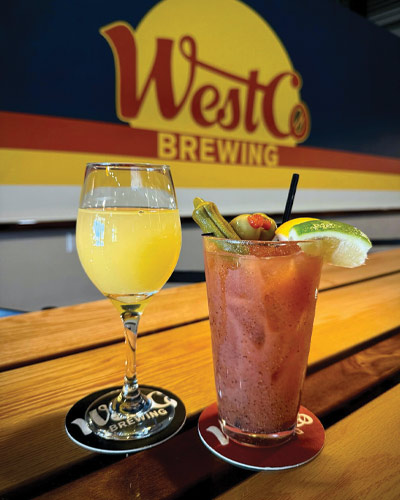
The most recent addition to the landscape is WestCo Brewing, a project that signals a more strategic approach to urban planning and tourism. Located near the Amphitheater at Las Colonias Park, WestCo is positioned to capitalize on the city’s investment in riverfront revitalization. The brewery acts as a community hub for concert-goers and families, utilizing its proximity to the Colorado River to enhance the "destination" aspect of the brand.
WestCo’s brewing philosophy, led by head brewer Danny Wilson, focuses on "flavor-forward but easy-drinking" styles. This includes Japanese-style rice lagers—noted for their light body and clean finish—and New England IPAs characterized by low bitterness and high tropical fruit aromas. The culinary program at WestCo also reflects a sophisticated shift in the city’s food scene, moving beyond standard pub fare to include Japanese chicken curry poutine, ramen, and Colorado elk sloppy joes. This diversification of the menu suggests that the local brewery scene is no longer just about the liquid; it is about providing a comprehensive cultural experience that rivals metropolitan centers like Denver or Fort Collins.
Comparative Analysis: The "Anti-Denver" Appeal
For the craft beer enthusiast, the appeal of Grand Junction lies in its "undiscovered" status. Data from the Colorado Brewers Guild indicates that while Denver remains the epicenter of the state’s brewing industry, the market there is reaching a point of saturation. Competition for shelf space and tap handles is fierce, and the "taproom experience" is often marred by overcrowding.
In contrast, Grand Junction offers a high-quality "ex-beer-ience" (as local residents term it) without the logistical friction of the Front Range. The presence of specialized breweries like Base Camp Beer Works—which experiments with unconventional adjuncts like pineapple, pistachio, and cranberry—indicates a market that is mature enough to support niche products but small enough to maintain a communal atmosphere.
Broader Implications and Future Outlook
The growth of the craft beer sector in Grand Junction has broader implications for the regional economy. As the city successfully markets itself as a hub for both "world-class scenery" and "top-notch fermentation," it attracts a demographic of high-spending "lifestyle tourists." These visitors contribute to the local tax base through lodging and dining, providing the capital necessary for further infrastructure improvements, such as expanded trail systems and riverfront parks.
Furthermore, the success of these breweries serves as a proof-of-concept for other small-to-mid-sized cities in the Intermountain West. By leaning into local geography—the "largest flat-top mountain in the world" at Grand Mesa or the unique geology of Rattlesnake Arches—Grand Junction has created a brand that is difficult to replicate.
As the industry moves toward 2025, the challenge for Grand Junction will be managing this growth to ensure that the "crowd-free" allure that currently defines the city remains intact. For now, the convergence of the Colorado and Gunnison rivers remains a sanctuary for those seeking a high-caliber intersection of wilderness and craftsmanship. The city has moved from a transit point to a terminal destination, proving that in the modern economy, natural splendor and a well-crafted lager are a potent combination for regional revitalization.