 admin
admin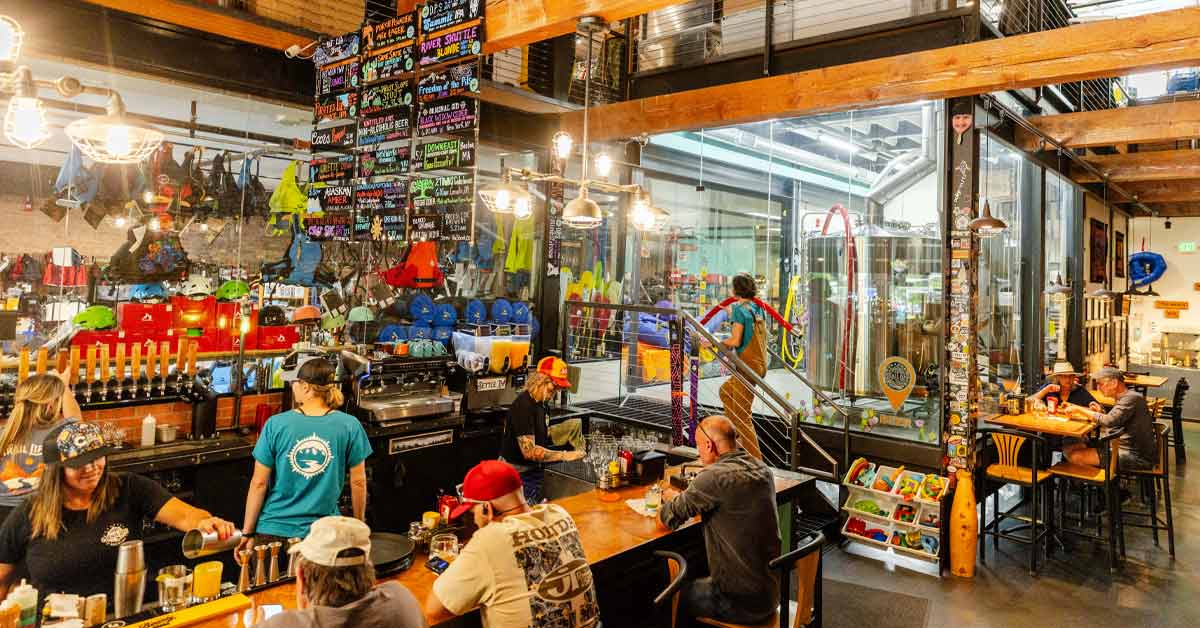
The city of Grand Junction, situated in the heart of Colorado’s Western Slope, is currently undergoing a significant transformation as it evolves from a quiet regional hub into a primary destination for craft beer enthusiasts and outdoor adventurers. While traditional tourism corridors in Colorado often lead travelers toward the high-density areas of the Front Range—specifically Denver, Boulder, and Fort Collins—or the high-altitude ski resorts of the central Rockies, Grand Junction offers a distinct alternative. Characterized by a rare convergence of high-desert canyons, the world’s largest flat-top mountain, and a rapidly maturing brewing industry, the city is positioning itself as an "undiscovered" epicenter of Colorado culture. This development is bolstered by the presence of the Colorado National Monument, a 20,000-acre expanse of red rock canyons and sandstone pillars that remains notably less crowded than national parks like Zion or the Grand Canyon, despite offering comparable geological splendor.
The Geographic and Historical Context of the Western Slope
To understand the current trajectory of Grand Junction’s hospitality and beverage sector, one must first consider the unique geography that defines the region. The city’s name is derived from its location at the confluence of two major waterways: the Gunnison River and the Colorado River. Historically, the upper reaches of the Colorado River were known as the "Grand River," a nomenclature that persists in the names of local landmarks such as Grand Mesa and the city itself.
Grand Junction sits at an elevation of approximately 4,583 feet, providing a temperate high-desert climate that allows for year-round outdoor recreation—a stark contrast to the seasonal limitations faced by many other Colorado mountain towns. The surrounding landscape is defined by three primary geological features: the Colorado National Monument to the west, the Book Cliffs to the north, and the Grand Mesa to the east. The Grand Mesa, spanning roughly 500 square miles and rising to over 11,000 feet, provides a lush, alpine contrast to the arid valley floor. This diversity of terrain has fostered a robust outdoor culture, which in turn has become the foundational demographic for the local craft beer industry.
The Evolution of the Grand Junction Brewing Industry
The craft beer narrative in Grand Junction began in earnest in 1994 with the opening of The Rockslide Brew Pub. As the "original" craft brewery in the city, Rockslide established a precedent for brewpubs in a region that was, at the time, largely dominated by macro-brewery interests. For over two decades, the industry grew at a modest pace, but the last five to ten years have seen an exponential surge in both the number of establishments and the sophistication of the products being offered.
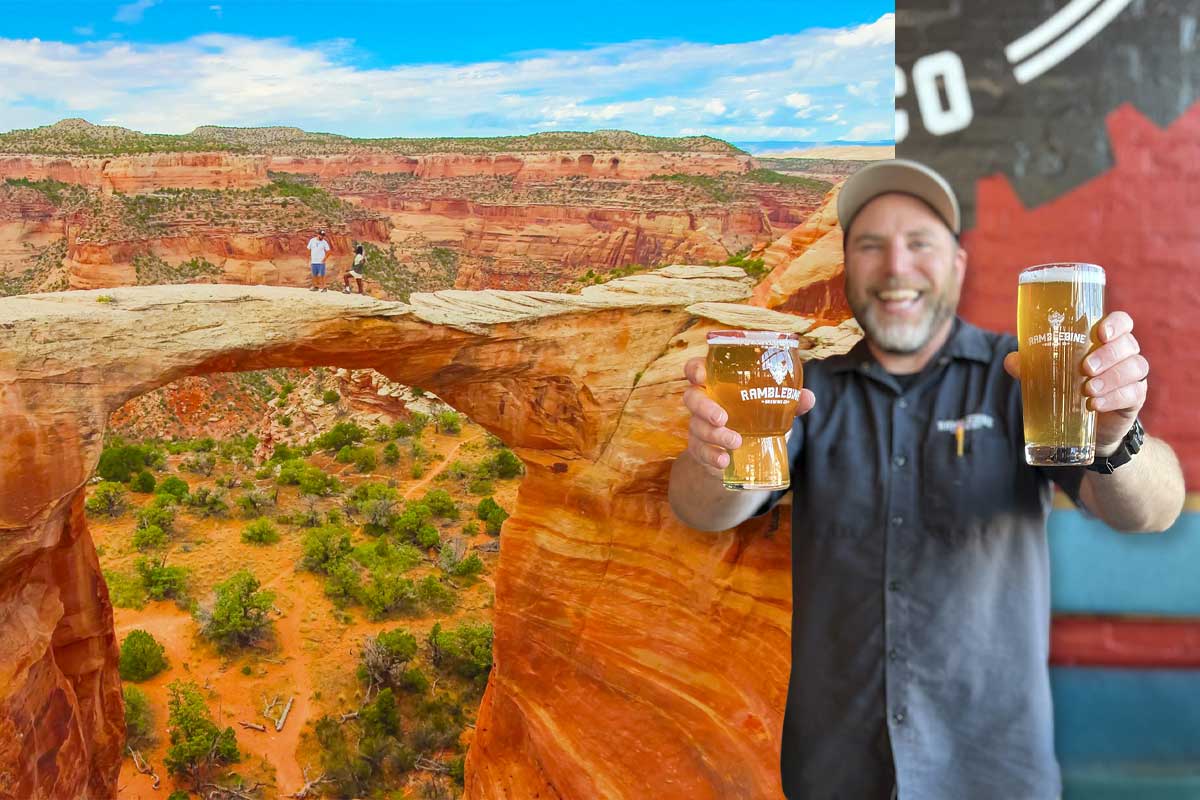
Industry veterans note that the growth of the Grand Junction scene is not merely a reflection of national trends but is specifically tied to the local identity. "People tend to head straight for the Grand Canyon, or maybe Arches or Zion national parks," says Adam Kinsey, a prominent figure in the local scene and founder of Handlebar Tap House and WestCo Brewing. Kinsey observes that while beer-driven tourists have historically flocked to the Front Range, the Western Slope offers a "serenity" and an "embarrassment of riches" that remain virtually untouched by the mass tourism seen elsewhere in the state.
Ramblebine Brewing and the New Wave of Innovation
A pivotal moment in the recent expansion occurred in 2020 with the launch of Ramblebine Brewing. Opening during a global pandemic presented significant logistical challenges, yet founders Eli Gerson and Rob James successfully established the brewery as a cornerstone of the downtown district. Ramblebine’s approach is indicative of the modern Colorado brewery: a focus on stylistic diversity and technical precision.
The brewery has gained a reputation for its "God Hammer," a Norwegian red ale fermented with kveik yeast—a traditional farmhouse yeast known for its ability to ferment at high temperatures while producing complex ester profiles. This willingness to experiment with niche styles, alongside more traditional West Coast IPAs, hazy IPAs, and crisp lagers, reflects a sophisticated local palate. Ramblebine’s success has demonstrated that the Grand Junction market is capable of supporting high-concept brewing that goes beyond standard "pub fare" offerings.
The Intersection of Outdoor Recreation and Taproom Culture
Perhaps the most defining characteristic of the Grand Junction beer scene is its literal and figurative connection to the outdoor industry. This synergy is best exemplified by Trail Life Brewing and Handlebar Tap House. Both establishments are situated in close proximity to, or are physically attached to, mountain bike shops.
Trail Life Brewing operates in a space that celebrates the "adventure-first" lifestyle of the region. The taproom serves as a post-activity hub where hikers and cyclists congregate. The brewery’s portfolio includes a wide range of styles, from Mexican-style lagers to the "Pirates Life" Black IPA, catering to a demographic that values both physical exertion and social relaxation.
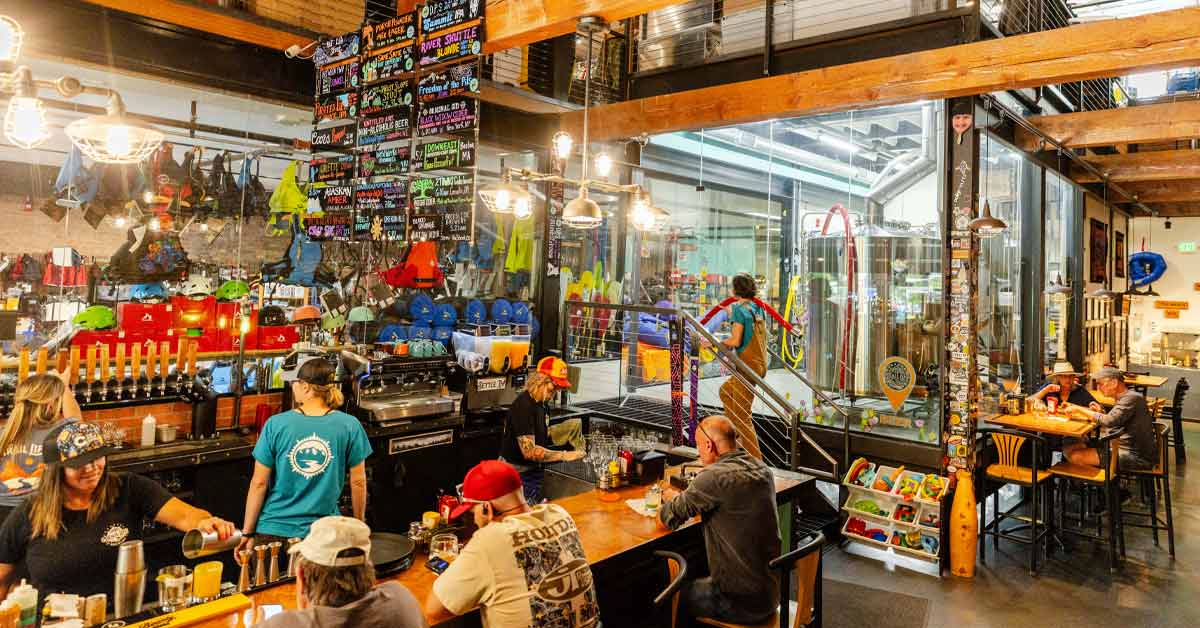
Similarly, Handlebar Tap House has integrated itself into the local cycling community. Located adjacent to a prominent bike shop, it features 24 rotating taps that highlight the best of Western Slope brewing. According to Kinsey, the connection between the outdoors and the brewery is intrinsic to the city’s DNA: "I don’t think anyone lives in Grand Junction who isn’t actively involved in at least one outdoor activity." This sentiment is backed by economic data; the outdoor recreation economy in Colorado contributes billions to the state’s GDP, and Grand Junction is increasingly capturing a larger share of this market by providing the amenities—such as high-quality taprooms—that modern adventurers demand.
Culinary Integration and the Rise of WestCo Brewing
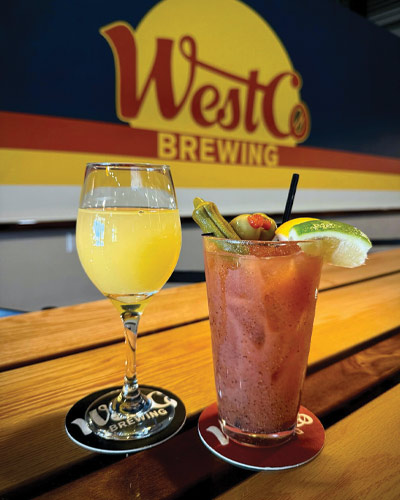
The latest addition to the city’s landscape is WestCo Brewing, a project led by Kinsey and head brewer Danny Wilson. WestCo represents a shift toward more integrated hospitality experiences, combining experimental brewing with a destination-worthy culinary program. Located near the Amphitheater at Las Colonias Park, the brewery serves as a cultural anchor for the city’s developing riverside district.
WestCo’s beer list focuses on "flavor-forward but easy-drinking" styles, such as Japanese-style rice lagers and fruited sours, designed to be accessible to a broad audience. However, it is the kitchen that distinguishes the establishment from traditional breweries. The menu features a sophisticated blend of global influences, including Japanese chicken curry poutine, gyoza, katsu fried chicken, and Colorado-specific delicacies like elk sloppy joes. This focus on "elevated" taproom dining reflects a broader trend in the industry where breweries are becoming full-service community gathering places rather than just production facilities.
Supporting the Ecosystem: Base Camp and Gemini Beer Company
The depth of the Grand Junction scene is further reinforced by specialized operations like Base Camp Beer Works and Gemini Beer Company. Base Camp has carved out a niche by offering highly creative, adjunct-heavy beers that challenge traditional definitions of the craft. Their portfolio includes unique offerings such as a pineapple and pistachio cream ale, and an Irish red ale infused with cranberry, orange, and cinnamon.
Gemini Beer Company, meanwhile, operates with a collaborative spirit, serving its own IPAs and pale ales alongside guest taps from other local breweries. This "co-op" style approach fosters a sense of community over competition, a trait that industry analysts suggest is vital for the long-term sustainability of craft beer in smaller markets.
Economic Impact and Future Implications
The expansion of the brewing industry in Grand Junction has significant implications for the local economy. According to data from the Brewers Association, the craft brewing industry contributed approximately $2.4 billion to Colorado’s economy in recent years. While much of that is concentrated in the Denver metro area, the growth on the Western Slope provides essential economic diversification for Mesa County.
The "brewery effect" often leads to urban revitalization. In Grand Junction, the concentration of breweries in the downtown and riverside areas has spurred secondary investments in retail, housing, and infrastructure. As the city continues to market itself as a premier destination for "bike and brew" tourism, it is likely to see an increase in transient occupancy tax (TOT) revenue and a rise in the "creative class" workforce that values the lifestyle amenities found in the region.
Furthermore, the success of these independent businesses reinforces the city’s resilience. By focusing on local ingredients and community-centric taprooms, these breweries are less susceptible to the fluctuations of the national beer market, which has seen a slight cooling in recent years. Grand Junction’s model—linking the beverage industry directly to the region’s immutable natural assets—provides a blueprint for other mid-sized Western cities looking to cultivate a sustainable tourism identity.
Conclusion: A Destination in Its Own Right
Grand Junction is no longer merely a "stopover" on the way to Moab or the Rocky Mountains. It has emerged as a destination defined by a high quality of life, a burgeoning culinary and beverage scene, and unparalleled access to the outdoors. The convergence of the Colorado and Gunnison Rivers now mirrors the convergence of tradition and innovation in its local industries. For the traveler or the beer enthusiast, the city represents a rare opportunity to experience the "Old West" spirit of Colorado through a modern, artisanal lens. As the secret of the Colorado National Monument and the surrounding breweries continues to spread, Grand Junction is poised to take its place as a cornerstone of the American West’s cultural landscape.