 admin
admin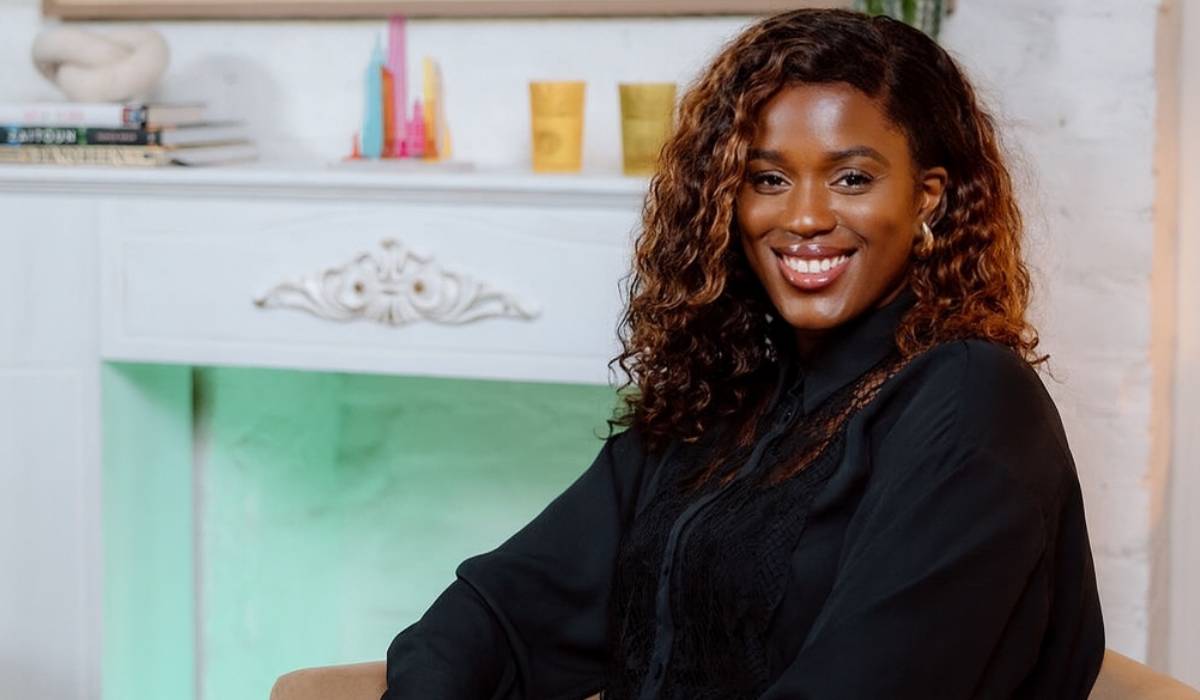
The New York City culinary landscape is often defined by its sheer volume and relentless competition, yet for entrepreneur Hasfa, the city’s bustling bakery scene represented not a saturation point, but a specific cultural void. Born in Senegal and raised in Paris, Hasfa arrived in New York nearly a decade ago with a perspective shaped by the European "goûter"—the tradition of the late-afternoon snack where high-quality pastries are an essential, everyday rhythm rather than a luxury reserved for milestones. This cultural philosophy became the cornerstone of Marbre NYC, a niche bakery brand that has successfully navigated the transition from a lean, self-funded startup to a sought-after partner for global luxury brands. By focusing exclusively on the madeleine—a classic French butter cake—and infusing it with global flavors and modern aesthetics, Marbre NYC has carved out a distinct market share, with 40 percent of its revenue now driven by strategic corporate partnerships and high-profile events.
The Genesis of a Niche Concept: Bridging Three Continents
The inception of Marbre NYC was rooted in Hasfa’s observation of a disconnect between American pastry culture and the French artisanal tradition. In the United States, bakeries often lean toward oversized, indulgent portions or highly decorative cakes intended for celebrations. Hasfa identified a "gap" for something more refined and approachable—a product that could bridge her Senegalese heritage, her Parisian upbringing, and her adopted home in New York City. The choice of the madeleine was a calculated one. While the madeleine is a staple of French nostalgia, famously immortalized by Marcel Proust, it had remained largely overlooked in the American "micro-bakery" movement, which was previously dominated by macarons, cupcakes, and croissants.
To Hasfa, the madeleine offered the perfect canvas for storytelling. Its signature shell shape and humped back (the "bosse") require technical precision, yet its small size makes it an ideal vehicle for the "everyday luxury" she sought to promote. By blending traditional French techniques with ingredients like orange blossom and cardamom—flavors deeply rooted in West African and Middle Eastern culinary traditions—she created a product that felt both familiar and revolutionary to the New York palate.
The Lean Startup Model: Scaling from $1,800
The financial trajectory of Marbre NYC serves as a case study in disciplined, "bootstrapped" entrepreneurship. While many food startups seek significant venture capital or high-interest loans to secure a physical storefront immediately, Hasfa opted for a lean, iterative approach. She launched the brand with just $1,800 in self-funded capital, a sum she managed while working a full-time job. This initial investment was meticulously allocated toward two primary areas: technical precision and brand identity.
A significant portion of the startup capital was used to source high-quality molds from Japan. Hasfa sought a specific aesthetic—madeleines that were larger than the standard French size, with a soft texture and a perfectly defined, domed shape. This attention to the physical geometry of the pastry was complemented by a heavy investment in packaging. Recognizing that in a digital-first economy, the unboxing experience is as critical as the taste, she spent months testing different formats to ensure the brand felt premium. This focus on "intentional spending" allowed Marbre NYC to establish a high-end brand perception long before it had the overhead of a brick-and-mortar location.
Strategic Chronology: From Pop-Ups to Global Partnerships
The growth of Marbre NYC followed a strategic timeline that prioritized community building and market validation over rapid, unmanaged expansion.
- Phase One: Market Testing (The Pop-Up Era): Initial growth was driven by small-scale pop-ups and community events. These venues allowed Hasfa to interact directly with consumers, gathering real-time feedback on flavor profiles and price points. The immediate emotional connection customers felt with the nostalgic madeleine confirmed the market demand.
- Phase Two: Brand Identity Refinement: During this period, the "Honey Orange Blossom" and "Rose Cardamom" varieties emerged as the brand’s premier products. The Honey Orange Blossom, in particular, became a "hero product," driving repeat business and word-of-mouth marketing.
- Phase Three: High-Value Collaborations: As the brand’s reputation for quality and design grew, it attracted the attention of luxury lifestyle brands. A pivotal moment occurred when Marbre NYC collaborated with Kérastase Paris for a Soho-based pop-up. This partnership was followed by a collaboration with Koba Skincare, whose founder sought to integrate Marbre’s aesthetic into their brand experience.
These partnerships were not merely transactional; they were exercises in brand alignment. For the Kérastase event, Hasfa submitted a detailed proposal that aligned the pastry experience with the haircare brand’s premium French identity. This move successfully positioned Marbre NYC as a "lifestyle" brand rather than just a food vendor.
Data-Driven Growth: The B2B Shift
The impact of these collaborations is reflected in the company’s current revenue structure. Today, corporate and private event orders represent approximately 40 percent of Marbre NYC’s total revenue. This shift is significant for several reasons. First, B2B (business-to-business) orders typically offer higher margins and more predictable volume than individual retail sales. Second, they provide a form of "passive" marketing; when a luxury brand serves Marbre madeleines at an event, they are effectively endorsing the product to a pre-qualified, high-net-worth audience.
The success of the B2B model in the artisanal food sector is supported by broader industry trends. According to market research, the "experience economy" has led luxury brands to increasingly invest in sensory marketing, where food and beverage play a central role in customer engagement. By positioning the madeleine as a "designed object" as much as a dessert, Marbre NYC has tapped into a lucrative segment of the New York corporate gifting and event market.
Broader Implications for the New York Micro-Bakery Market
The rise of Marbre NYC highlights a shifting paradigm in the food industry: the decline of the traditional storefront as the only path to success. In a city where commercial real estate costs are among the highest in the world, the "digital-first, pop-up-centric" model provides a sustainable alternative for minority and women-owned businesses.
Furthermore, Marbre NYC’s success underscores the power of cultural fusion in the culinary arts. Hasfa’s ability to weave Senegalese influences into a French classic mirrors a larger trend in global gastronomy, where "hyphenated identities" are driving innovation. The brand’s growth suggests that New York consumers are increasingly looking for products that offer a narrative—a story of heritage, craftsmanship, and intentionality.
Looking Ahead: Thoughtful Scaling and Physical Expansion
As Marbre NYC enters its next phase, the focus remains on "scaling thoughtfully." The founder has outlined a roadmap that includes:
- Expanding the Corporate Gifting Program: Leveraging the existing 40 percent revenue base to capture more year-round corporate accounts.
- Product Innovation: Developing travel-friendly baked goods that maintain the brand’s high quality while allowing for national shipping, thereby expanding the customer base beyond the New York tri-state area.
- The First Physical Location: While the brand was built on a flexible model, Hasfa intends to open a permanent space that will serve as a "brand home," allowing for a fully immersive customer experience.
Hasfa’s advice to aspiring entrepreneurs—to "start small, stay patient, and focus on quality"—is a reflection of her own journey. By refusing to compromise on the technical details of a single, niche product, she has built a brand that resonates on an emotional level with a diverse audience.
Conclusion: The Power of Storytelling in the Artisanal Sector
Marbre NYC stands as a testament to the fact that in a crowded marketplace, focus is a competitive advantage. By concentrating on the madeleine, Hasfa did not limit her brand; she deepened it. The brand’s trajectory from an $1,800 experiment to a partner for global luxury houses demonstrates that when a product is backed by a clear cultural narrative and rigorous attention to detail, it can transcend the boundaries of a simple bakery item to become a symbol of modern, globalized luxury. As the company prepares for its first physical storefront and a broader national presence, it remains a quintessential New York story of immigrant ambition, cultural synthesis, and the enduring power of the artisanal spirit.