 admin
admin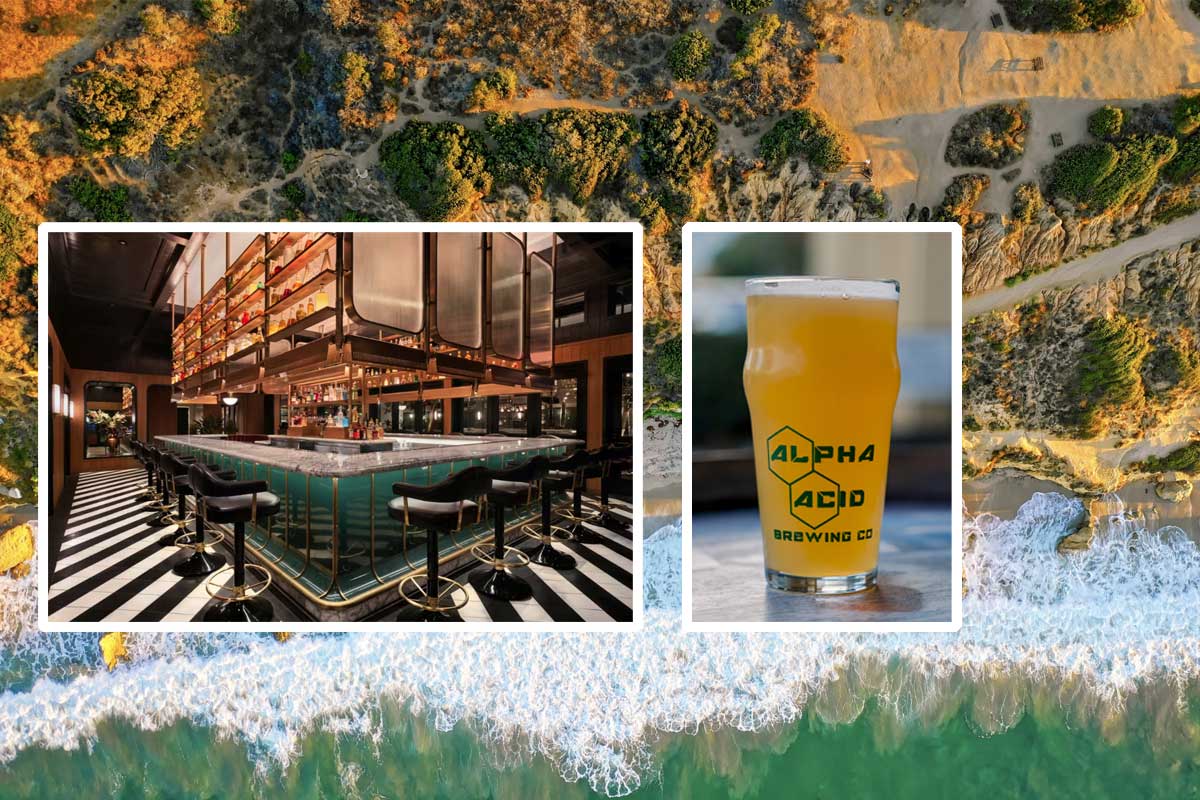
The San Francisco Bay Area has long been established as a global epicenter for the craft brewing movement, with San Francisco and the East Bay historically commanding the majority of the region’s viticultural and brewing acclaim. However, a significant cultural and economic shift is currently unfolding along the western bayfront of the San Francisco Bay. In San Mateo County, a 30-mile corridor stretching along Highway 101—connecting the transit-oriented hubs of Burlingame to the historic downtown of Redwood City—has transformed into a sophisticated "beer trail." This development represents a maturation of the local hospitality industry, where tap lines and fermentation tanks are increasingly occupying spaces once reserved for light industrial use or traditional retail.
This emerging circuit is not merely a collection of bars, but a network of specialized production facilities and culinary destinations that reflect the demographic and economic shifts of the Peninsula. As the region continues to evolve from a suburban enclave into a high-density extension of the Silicon Valley tech hub, the demand for "third space" environments—community-oriented locations outside of home and work—has fueled a surge in independent brewing.
The Evolution of the Peninsula Brewing Landscape
The development of the Peninsula’s beer scene follows a decade-long trajectory of urban revitalization. While pioneering establishments like Freewheel Brewing Company and Alpha Acid Brewing Company laid the groundwork in the early to mid-2010s, the recent entry of high-concept establishments like Twelvemonth indicates a new phase of investment. This evolution is characterized by a move toward specialization, where breweries are no longer generalists but instead focus on specific niches: English cask ales, Belgian-style sours, or hyper-local New England IPAs.
Data from the Brewers Association indicates that while the overall growth of craft beer volume has stabilized nationally, "taproom-focused" breweries continue to see localized success by integrating into the fabric of their neighborhoods. On the Peninsula, this is evidenced by the strategic placement of these breweries near Caltrain stations, facilitating a "commuter-friendly" craft culture that appeals to the region’s professional workforce.
Burlingame: The Northern Gateway and the Plant-Based Pivot
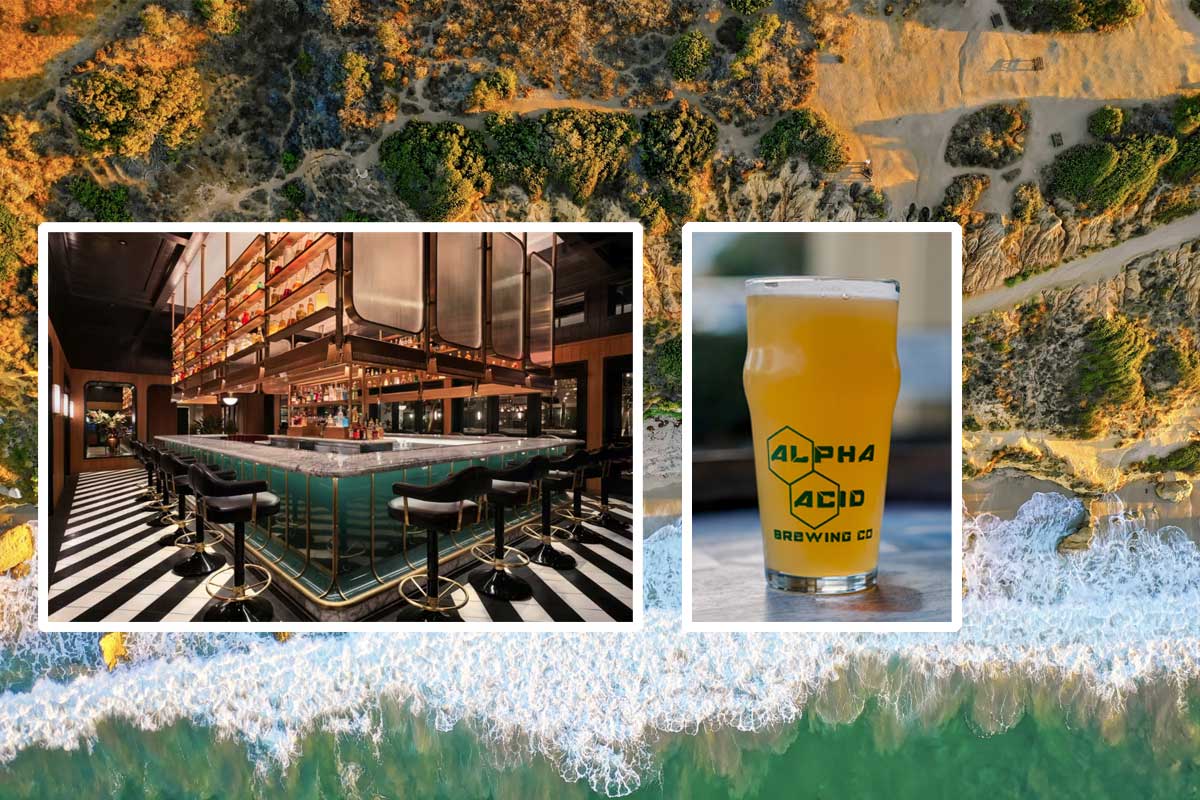
At the northern terminus of this trail lies Twelvemonth in Burlingame. Located just south of San Francisco International Airport (SFO), Twelvemonth represents a significant departure from the traditional "warehouse" brewery aesthetic. Founded by Bob Trahan, a former technology executive who transitioned into the culinary arts, the establishment is housed in a renovated brewery space that now functions as a comprehensive plant-based restaurant and bakery.
The beverage program at Twelvemonth serves as a curated introduction to the broader California brewing ecosystem. By featuring "Gold Standard" selections such as Russian River Brewing Company’s Pliny the Elder alongside local staples like East Brother Beer Co. from Richmond, the venue bridges the gap between a high-end restaurant and a craft beer destination. The inclusion of non-alcoholic options from Fort Point Beer Company reflects a growing industry trend toward "mindful drinking," a segment that has seen a 20% year-over-year increase in consumer interest according to market research.
Belmont and the Industrial Innovation Model
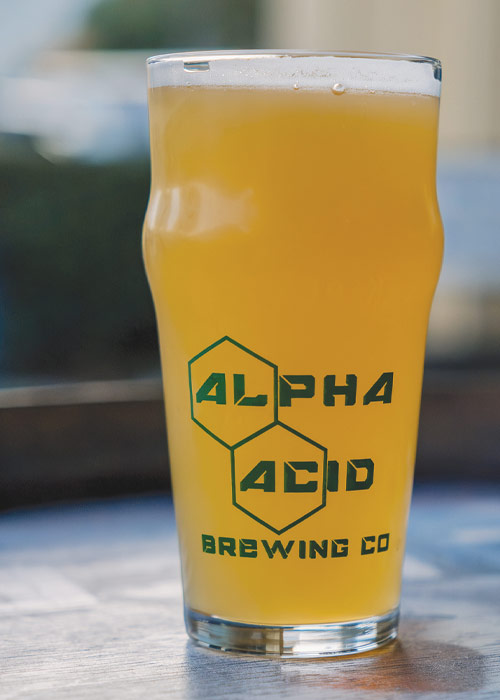
Moving south into Belmont, the landscape shifts toward the industrial. Alpha Acid Brewing Company, situated within the Harbor Business Center, exemplifies the "destination brewery" model. Since its inception in 2014, Alpha Acid has focused on high-rotation small-batch production, a strategy that rewards frequent visitors with a constantly evolving tap list.
The brewery’s portfolio is diverse, ranging from the La Chulita Mexican Lager to the more complex Murder She Wroatmeal, a dark oatmeal stout. However, its technical proficiency is most evident in its high-ABV (alcohol by volume) offerings, such as the Flying Dutchman, a 10.2% ABV tropical stout aged in rum barrels. This focus on barrel-aging and "thiolized" brewing techniques—using specific yeast strains to unlock tropical aromatics—positions Alpha Acid as a technical leader in the San Mateo County brewing community. The presence of rotating food trucks, such as those serving tacos, provides the necessary infrastructure for these industrial zones to function as social centers.
San Carlos: The Specialized Taproom
In San Carlos, Blue Oak Brewing Co. has carved out a reputation centered on the production of sour beers and experimental fruit infusions. Their "Cherry Bomb" and "POG is My Copilot" (featuring passion fruit, orange, and guava) cater to a palate that seeks alternatives to the hop-heavy profiles of traditional West Coast IPAs.
Blue Oak’s operations highlight the importance of the "growler" and "crowler" economy—portable, sealed containers that allow consumers to take brewery-fresh beer home. Their use of "thiolized" yeast in the Hello Motueka IPA demonstrates an alignment with modern brewing science, where enzymatic reactions are used to amplify the flavor profiles of New Zealand hop varieties. This commitment to technical excellence has allowed San Carlos to shed its image as a quiet residential town and rebrand itself as a destination for aficionados of experimental fermentation.
Redwood City: The Multi-Faceted Brewing Hub
Redwood City serves as the southern anchor of the Peninsula beer trail, offering the highest density of brewing variety in the region. The city’s approach to brewing is tripartite, encompassing neighborhood brewpubs, traditional English ale houses, and classic European-style bierstubes.
Ghostwood: Operating as a neighborhood-centric brewpub, Ghostwood has gained critical acclaim for its "Extra Crispy" American lager. This focus on "clean" brewing—the production of light, crisp lagers that leave no room for technical error—is a hallmark of a mature brewery. Ghostwood also embraces the "Cold IPA" trend, a hybrid style that uses lager yeast at higher temperatures to produce a beer that is as bright and hoppy as an IPA but as crisp as a pilsner.
Freewheel Brewing Company: Located in the Marsh Manor Shopping Center, Freewheel has remained a steadfast proponent of English-style brewing since 2012. In an era dominated by American IPAs, Freewheel’s dedication to cask-conditioned ales and Extra Special Bitters (ESBs) provides a historical counterpoint. Their "Big V Amber" utilizes Maris Otter malt, a premium British barley variety, to achieve a specific malt complexity that is rare in the domestic market. The use of nitro-pours further emphasizes their commitment to the creamy, smooth textures associated with traditional United Kingdom pub culture.
Gourmet Haus Staudt: This establishment represents the international heritage of the brewing craft. Functioning as a Bavarian Bierstube, it serves as a critical link between the local craft movement and European traditions. Reports suggest the venue is one of the highest-volume retailers of Weihenstephaner—the world’s oldest continuously operating brewery—in the United States. By combining a retail market, a bottle shop, and a traditional taproom, Gourmet Haus Staudt acts as an anchor for the Redwood City downtown corridor.
Economic Impact and Urban Revitalization
The proliferation of these breweries has tangible implications for San Mateo County’s economic health. According to the San Francisco Peninsula’s tourism board, the diversification of "after-hours" offerings is a key component in retaining professional talent and attracting regional tourism. The synergy between beverage production and ancillary services is best seen at the State of Mind Public House and Pizzeria, located near Freewheel. Here, award-winning pizza production by Lars Smith, a member of the U.S. Pizza Team, complements a rotating draft list, creating a "culinary ecosystem" that benefits multiple small businesses simultaneously.
From a real estate perspective, the conversion of underutilized industrial lots in Belmont and San Carlos into high-traffic taprooms has increased property values and tax revenue for local municipalities. These businesses often serve as the "pioneer" tenants that precede broader residential and commercial development.
Analysis of Future Trends
The success of the San Francisco Peninsula’s beer trail suggests several future trends for the industry:
- Transit-Oriented Consumption: As traffic congestion on Highway 101 remains a challenge, breweries located within walking distance of Caltrain hubs will likely see sustained growth compared to those in more isolated locations.
- Hyper-Specialization: As the market becomes more crowded, breweries that focus on a specific "niche"—whether it be plant-based dining, cask ales, or barrel-aging—are better positioned to build a loyal "membership" base.
- Culinary Integration: The days of the "beer-only" taproom are fading. The success of Twelvemonth and the partnership between Freewheel and State of Mind suggest that a sophisticated food program is now a prerequisite for long-term viability.
The 30-mile stretch between Burlingame and Redwood City has successfully transitioned from a transit corridor into a premier destination for craft fermentation. By blending technical brewing innovation with neighborhood-focused hospitality, these establishments have created a sustainable model for the modern American brewpub. For the San Francisco Peninsula, the "beer trail" is not just a leisure activity, but a significant contributor to the region’s cultural identity and economic resilience.