
 admin
admin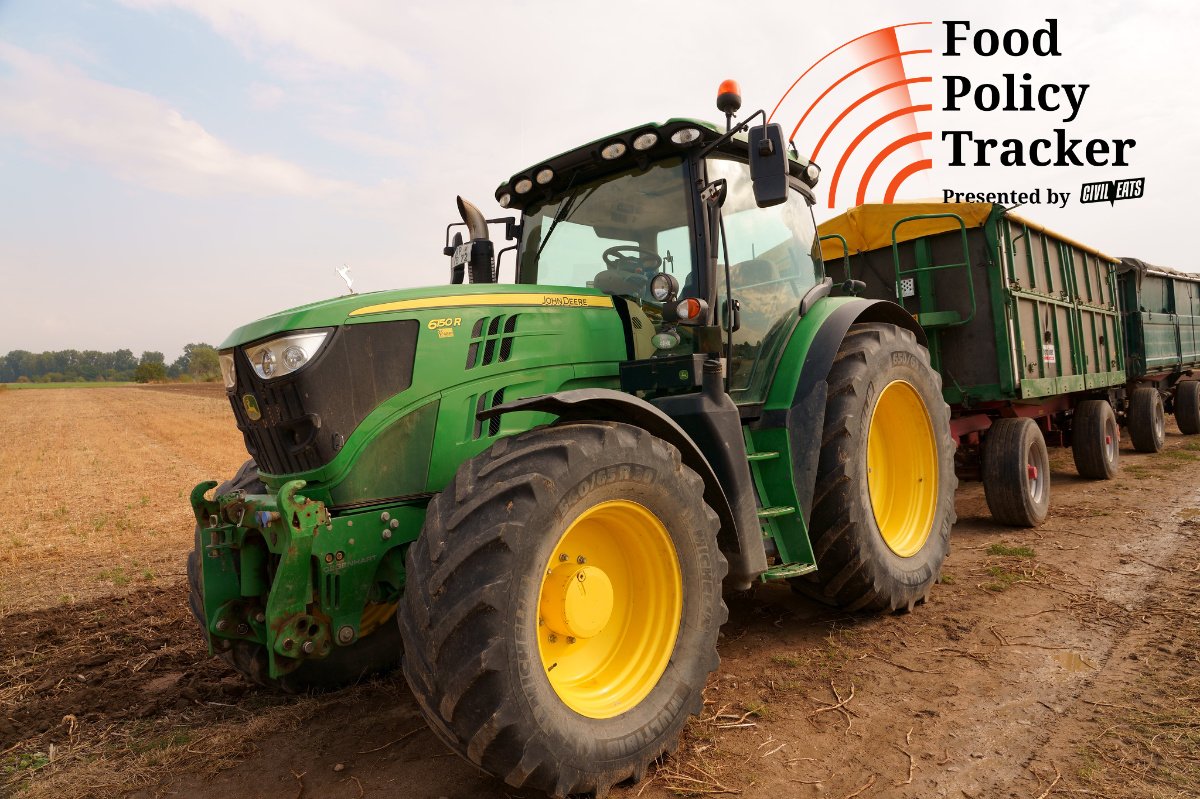
The Environmental Protection Agency (EPA) issued new guidance this week, on February 5, 2025, explicitly stating that equipment manufacturers cannot leverage the Clean Air Act to prevent farmers from performing necessary repairs on their own machinery. This clarification marks a significant moment in the long-standing "Right to Repair" battle, reinforcing a position previously articulated by the Biden administration and offering a renewed sense of hope, albeit with caveats, to agricultural producers across the nation who have been advocating for greater autonomy over their essential tools. The guidance directly addresses a contentious practice where some manufacturers, most notably John Deere, have cited emissions control provisions of the Clean Air Act as justification for restricting access to diagnostic tools, proprietary software, and repair manuals, effectively forcing farmers to rely solely on authorized dealerships for maintenance and repairs.
The Decades-Long Battle for Agricultural Autonomy
The struggle for the "Right to Repair" in agriculture is not a recent phenomenon but rather the culmination of decades of evolving technology and shifting power dynamics within the industry. Historically, farmers possessed the innate ability and resources to fix their own equipment. A broken part could often be replaced or welded in the farm shop, minimizing downtime and costs. However, the advent of highly sophisticated, computerized machinery has fundamentally altered this landscape. Modern tractors, combines, and planters are essentially computers on wheels, replete with complex embedded software, intricate diagnostic systems, and specialized components that are increasingly difficult, if not impossible, for independent mechanics or farmers themselves to access and repair without manufacturer-provided tools and authorization.
This technological shift has created a near-monopoly for original equipment manufacturers (OEMs) and their authorized dealer networks over repair services. Farmers report experiencing exorbitant repair costs, lengthy delays due to limited dealership availability, and the inability to perform even minor fixes that could otherwise be handled quickly and affordably on-site. The economic implications for agricultural operations are profound. A study by the U.S. Public Interest Research Group (PIRG) estimated that farmers could save an average of $3,000 per tractor per year if they had the right to repair their own equipment. With the average cost of a new tractor often exceeding $200,000 and some high-end models reaching upwards of $600,000, reliable and affordable maintenance is not merely a convenience but an absolute necessity for economic viability. Downtime during critical planting or harvest seasons can lead to significant crop losses, directly impacting a farmer’s livelihood and potentially contributing to broader food supply chain disruptions.
A Chronology of Policy and Legal Interventions
The recent EPA guidance is a crucial development within a broader timeline of governmental and advocacy efforts aimed at restoring farmers’ repair rights:

- 2021: Executive Order on Promoting Competition: President Joe Biden issued an executive order in July 2021, directing the Federal Trade Commission (FTC) to address anti-competitive practices that limit independent repair, specifically mentioning agricultural equipment. This order galvanized the "Right to Repair" movement across various sectors.
- 2022: FTC Petitions and Investigations: Following the executive order, right-to-repair advocates, including Farm Action and the National Farmers Union (NFU), intensified their lobbying efforts, petitioning the FTC to investigate John Deere’s restrictive practices. Public and political pressure began to mount on major manufacturers.
- 2023: Biden-Era EPA’s Initial Stance: In a significant move in 2023, the Biden administration’s EPA sent a letter to the National Farmers Union, clarifying its position that manufacturers could not legitimately use emissions control provisions of the Clean Air Act to prevent farmers from repairing their own equipment. This informal communication served as an early indication of the agency’s interpretation.
- January 2025: FTC Lawsuit Against John Deere: The Federal Trade Commission (FTC), joined by several states, filed a landmark lawsuit against Deere & Company. The lawsuit alleges that John Deere engaged in monopolistic practices that deprive farmers of the ability to make timely repairs, leading to inflated maintenance costs and reduced competition in the repair market. This legal action marked a direct challenge to the business model of a dominant agricultural equipment manufacturer.
- February 5, 2025: EPA Issues Formal Guidance: Building on its earlier communication, the EPA officially issued new guidance, reiterating and formalizing its stance. This guidance explicitly states that the Clean Air Act does not provide a basis for manufacturers to restrict access to repair information, tools, or parts, thereby preventing farmers from performing self-repairs or using independent repair shops. This formal declaration aims to provide clearer regulatory direction and remove a key justification used by manufacturers.
- Late January 2025: USDA Weighs In: Shortly before the EPA’s formal guidance, U.S. Department of Agriculture Deputy Secretary Stephen Vaden publicly affirmed the Trump administration’s position, stating that "farmers should be able to repair their own equipment." This statement underscored a bipartisan consensus on the issue, signaling broad governmental support for farmers’ repair rights.
Manufacturer’s Defense and Ongoing Legal Battles
John Deere, a dominant player in the agricultural machinery market, has vehemently denied the allegations of monopolistic practices and defended its approach to equipment repair. In response to the FTC lawsuit, the company issued a statement asserting that the complaint is "based on flagrant misrepresentations of the facts and fatally flawed legal theories." John Deere argues that its practices are necessary to ensure the safe operation of its complex machinery, maintain product quality, protect intellectual property rights embedded in its software, and, critically, ensure compliance with stringent environmental regulations, including the Clean Air Act.
The company contends that allowing unrestricted access to proprietary software and diagnostic tools could lead to unauthorized modifications that might compromise equipment safety, reduce performance, or, specifically, violate emissions standards. John Deere highlights its investments in customer self-repair options and efforts to provide some level of access to repair information and tools, arguing that the lawsuit "punishes innovation and procompetitive product design." The FTC lawsuit is currently proceeding through the courts, and its outcome will likely set a significant precedent for the agricultural equipment industry and the broader "Right to Repair" movement. The legal battle is complex, touching upon issues of intellectual property, anti-trust law, environmental compliance, and consumer rights.
Reactions from Farmers and Advocates: Progress, But More to Do
The formal guidance from the EPA has been met with cautious optimism by farmer advocacy groups. Rob Larew, president of the National Farmers Union (NFU), called the EPA’s clarification "an encouraging message to farm country." He emphasized that the guidance effectively dismantles a key argument manufacturers have historically used to justify their restrictive practices. For years, farmers have reported being told by dealers or manufacturers that allowing them to modify or repair certain parts of their equipment would violate Clean Air Act provisions related to emissions control, leaving them with no choice but to pay premium prices for authorized service. The EPA’s definitive statement invalidates this particular defense.
However, both the NFU and Farm Action, another prominent advocacy group, underscored that while the guidance is a positive step, it does not represent a complete victory. Sarah Carden, research and policy director at Farm Action, noted the significance of EPA Administrator Lee Zeldin directly calling out manufacturers for their false claims regarding environmental laws. Yet, Carden quickly pointed out a critical gap: "But they haven’t addressed the fact that farmers don’t have the tools they need to make these repairs." This highlights a fundamental distinction between the right to repair and the ability to repair. Without access to specialized diagnostic software, proprietary tools, and comprehensive repair manuals, the theoretical right to fix one’s equipment remains largely academic.
Both organizations are now advocating for the next logical step: mandating that manufacturers provide these essential tools and resources to farmers and independent repair shops on fair and reasonable terms. Larew echoed this sentiment, stating, "This guidance does not guarantee a farmer’s right to repair. We need durable solutions that guarantee repair access on fair and reasonable terms so that independent repair is fully available, affordable, and accessible, and manufacturers who prevent independent repair are held accountable." The ultimate goal is not just permission to repair but equitable access to the means of repair.

Economic and Operational Impact on the Agricultural Sector
The lack of a robust "Right to Repair" has had tangible and often severe economic consequences for farmers. Data from various agricultural surveys and reports consistently point to rising repair costs as a major concern. For instance, the average hourly rate for a dealership mechanic can range from $120 to $180, significantly higher than what many independent mechanics or farmers themselves might charge. Furthermore, the limited availability of specialized parts, often exclusive to manufacturers, creates bottlenecks and drives up prices.
Beyond direct costs, equipment downtime is perhaps the most critical operational impact. In agriculture, timing is everything. A tractor breakdown during planting season can mean missing the optimal window for crop establishment, leading to reduced yields. A combine failure during harvest can result in crops rotting in the field, representing substantial financial losses. Anecdotal evidence from farmers often describes waiting weeks for a dealership appointment or a proprietary part, while their livelihoods hang in the balance. The ability to perform immediate, on-farm repairs could save critical days, or even hours, during peak seasons, directly translating into improved productivity and profitability.
Moreover, the "Right to Repair" issue touches upon the broader concept of farmer independence and self-reliance, values deeply ingrained in agricultural culture. Farmers traditionally pride themselves on their mechanical ingenuity and ability to maintain their own equipment. The current system erodes this autonomy, fostering a dependency on manufacturers that many farmers view as unjust and unsustainable.
Environmental Considerations and the Clean Air Act Clarification
The EPA’s clarification is particularly significant because it directly addresses the misuse of environmental legislation. The Clean Air Act, enacted to protect public health and the environment from air pollution, includes provisions that regulate emissions from non-road vehicles, including farm equipment. Manufacturers have argued that their strict control over repairs, particularly those involving engine components and emissions systems, is essential to ensure that equipment remains compliant with these federal regulations. They suggested that allowing unauthorized access could lead to tampering that might increase harmful emissions.
The EPA’s guidance, however, unequivocally refutes this interpretation as a blanket justification for restricting all repairs. The agency’s position is that while maintaining emissions compliance is crucial, it does not necessitate denying farmers access to the tools and information required for routine maintenance and repair. This implies that manufacturers must find ways to ensure environmental compliance without creating a repair monopoly. This could involve providing validated repair procedures, certified parts, and diagnostic tools that guide users through compliant repairs, rather than outright prohibiting access. The clarification reinforces the principle that environmental protection and consumer rights, specifically the right to repair, are not mutually exclusive but can be managed concurrently through transparent and accessible practices.

Broader Implications and the Future Landscape
The EPA’s guidance, coupled with the FTC’s ongoing lawsuit, signals a growing governmental commitment to addressing anti-competitive practices in the agricultural equipment sector. This momentum is part of a larger, nationwide "Right to Repair" movement that spans various industries, from consumer electronics to medical devices. Several states have already passed or are considering "Right to Repair" legislation, further pressuring federal action and industry change. For example, New York passed a digital fair repair act in 2022, and similar bills are being debated in numerous other state legislatures.
The long-term implications for the agricultural sector are substantial. If successful, these efforts could lead to:
- Reduced Costs: Farmers could see a significant reduction in repair and maintenance expenses, directly impacting their bottom line.
- Increased Competition: A more open repair market would foster competition among independent mechanics and parts suppliers, potentially driving down prices and improving service quality.
- Enhanced Equipment Longevity: Easier and more affordable repairs could extend the lifespan of agricultural machinery, reducing the need for costly new equipment purchases and promoting sustainability.
- Greater Farmer Resilience: Empowering farmers to manage their own equipment repairs would enhance their operational resilience, particularly during critical periods or in remote areas with limited dealership access.
- Innovation in Repair Solutions: An open market could spur innovation in third-party diagnostic tools, software, and repair solutions, benefiting the entire industry.
However, the path forward is not without challenges. Manufacturers are likely to continue their legal and lobbying efforts, citing concerns over intellectual property, safety, and environmental compliance. The specifics of how "fair and reasonable terms" for access to tools and information will be defined and enforced remain to be seen. Legislation may be required to mandate the provision of such resources, moving beyond mere guidance.
The "Right to Repair" movement in agriculture is emblematic of a broader societal debate about ownership in the digital age. When a physical product is intertwined with proprietary software, who truly owns it, and who controls its functionality and repair? The EPA’s recent guidance is a critical step towards reasserting farmer autonomy and fostering a more equitable and sustainable agricultural ecosystem, but the full realization of the "Right to Repair" will require continued advocacy, legislative action, and a fundamental shift in industry practices.