 admin
admin
The process of designing a new restaurant is multifaceted, demanding careful consideration of numerous interdependent elements. These include, but are not limited to, the intricate balance between front-of-house (FOH) and back-of-house (BOH) operations, the overarching brand narrative, the sensory experience for diners, compliance with a myriad of regulatory standards, and the integration of sustainable practices. Each decision, from the layout of the kitchen to the choice of lighting fixtures, carries significant implications for both immediate functionality and long-term profitability.
The Strategic Imperative of Restaurant Design
Restaurant design transcends mere interior decoration; it is an architectural and strategic blueprint for a business. It encompasses the spatial arrangement of dining areas, kitchens, storage, and restrooms, as well as the selection of materials, lighting, acoustics, and furniture. The goal is to create an environment that not only reflects the brand’s identity and culinary concept but also optimizes workflow for staff, maximizes seating capacity, and enhances the overall comfort and enjoyment of patrons. In a market where new establishments frequently emerge, a distinctive and functional design can significantly impact a restaurant’s ability to attract and retain customers. Industry reports indicate that consumers increasingly prioritize ambiance and experience alongside food quality, with a substantial portion willing to pay more for a superior dining environment.
Beyond Aesthetics: A Multidimensional Approach
A holistic approach to restaurant design integrates various disciplines, including architecture, interior design, ergonomics, marketing, and operational management. The front-of-house design must create an inviting and memorable atmosphere that aligns with the restaurant’s theme, whether it’s a casual pizzeria or an upscale fine-dining establishment. This involves careful consideration of seating arrangements, circulation paths, lighting schemes, and material palettes to evoke the desired mood and comfort level. Simultaneously, the back-of-house design is paramount for efficiency and safety. A well-designed kitchen optimizes workflow, minimizes cross-contamination risks, and provides an ergonomic environment for staff, thereby improving productivity and reducing turnover. The synergy between FOH and BOH is crucial for seamless service delivery and overall operational excellence.
Foundational Inquiries: Setting the Design Compass
Before any architectural drawings are rendered or materials selected, a series of fundamental questions must be thoroughly addressed. These initial inquiries serve as the bedrock upon which the entire design project will be built, ensuring alignment with business objectives and market realities. Industry analysts consistently underscore the foundational role of these preliminary inquiries in mitigating risks and maximizing return on investment.
1. What is the Core Concept and Target Market?
Defining the restaurant’s core concept involves articulating its culinary focus, service style, and unique selling proposition. Is it a family-friendly pizzeria, a gourmet Neapolitan spot, or a quick-service grab-and-go? This concept dictates everything from the menu to the pricing strategy and, crucially, the design aesthetic. Simultaneously, identifying the target market—demographics, psychographics, and dining habits—is essential. Understanding who the customers are, what they value, and what their expectations are will directly inform design decisions regarding ambiance, seating, technology integration, and even the choice of background music. For example, a restaurant targeting millennials might prioritize communal tables and tech-friendly features, while one aiming for an older demographic might focus on comfortable seating and subdued acoustics. Market research, including competitor analysis and consumer surveys, provides invaluable data for this crucial initial phase.
2. What is the Projected Budget and Desired Return on Investment?
Financial planning is an inseparable component of the design process. A detailed budget must be established, encompassing not only construction and fit-out costs but also professional fees (architects, designers, engineers), permits, equipment purchases, furniture, fixtures, and contingencies. Design choices, from the quality of materials to the complexity of architectural features, have direct cost implications. Therefore, designers must work within realistic financial parameters while striving to achieve the desired aesthetic and functional goals. Equally important is considering the desired return on investment (ROI). This involves evaluating how design elements contribute to revenue generation (e.g., increased seating capacity, enhanced customer dwell time, higher check averages due to perceived value) and cost savings (e.g., energy-efficient systems, durable materials reducing maintenance). A high-end finish might increase initial costs but could lead to higher customer spend and longer operational lifespan, ultimately yielding a better ROI.
3. How Will the Design Support Operational Efficiency and Long-Term Sustainability?
The design must be inherently practical and forward-thinking. Operational efficiency refers to how effectively staff can perform their duties, how smoothly customers move through the space, and how quickly orders can be processed and served. This involves careful consideration of kitchen layout (prep lines, cooking stations, dishwashing zones), service pathways, POS system integration, and even storage solutions. An inefficient layout can lead to bottlenecks, increased labor costs, and staff frustration. Furthermore, long-term sustainability is no longer an optional add-on but a critical aspect of modern restaurant design. This question probes how the design will minimize environmental impact, reduce operating costs through resource efficiency, and meet evolving consumer demands for eco-conscious businesses. This can include specifying energy-efficient HVAC systems, water-saving fixtures, locally sourced and recycled materials, and designing for effective waste management.
Navigating the Design Process: A Phased Approach
The creation of a restaurant from concept to completion typically follows a structured, multi-phase timeline, each with distinct objectives and deliverables. Adhering to this chronology helps ensure that all aspects are systematically addressed, minimizing errors and delays.
Phase 1: Conceptualization and Feasibility (Typically 2-4 Weeks)
This initial stage involves intensive market research, concept development, and site selection. Key activities include defining the brand identity, culinary style, and target demographic. A preliminary budget is established, and a business plan is drafted. Architects and designers may conduct initial site visits to assess the potential space, considering factors like accessibility, existing infrastructure, and zoning regulations. Feasibility studies determine the viability of the concept within the chosen location and budget.
Phase 2: Schematic Design and Development (Typically 4-8 Weeks)
Once the concept and site are finalized, the design team translates the vision into preliminary drawings. This phase includes developing floor plans, elevation sketches, and 3D renderings to visualize the layout of FOH and BOH areas, seating arrangements, and overall spatial flow. Material palettes, lighting concepts, and preliminary equipment specifications are also explored. Collaborative meetings between the owner, designer, architect, and kitchen consultant are frequent to refine ideas and ensure functional requirements are met. Cost estimates are updated based on these design choices.
Phase 3: Construction Documentation and Permitting (Typically 8-16 Weeks)
This is the most detailed design phase, where schematic designs are transformed into comprehensive construction documents. These include detailed architectural drawings, mechanical, electrical, and plumbing (MEP) plans, structural plans, and precise material specifications. These documents are essential for obtaining construction bids and, critically, for securing the necessary permits from local authorities. This phase often involves significant back-and-forth with city planning departments, health departments, and fire marshals to ensure full compliance with all building codes and regulations. Delays in this phase are common if initial designs do not meet code requirements.
Phase 4: Construction and Fit-Out (Typically 12-24 Weeks)
With permits secured and contractors selected, physical construction begins. This phase involves demolition (if applicable), structural work, installation of MEP systems, interior framing, finishes (flooring, wall coverings, paint), and the installation of kitchen equipment. Project management is crucial here to keep the project on schedule and within budget, with regular site visits and quality checks. Coordination between various trades (plumbers, electricians, carpenters, equipment installers) is paramount.
Phase 5: Final Touches and Grand Opening (Typically 2-4 Weeks)
The final stage involves the installation of furniture, fixtures, and decorative elements (FF&E). Final inspections by health and building departments are conducted to ensure all regulations have been met. Staff training is initiated, menus are finalized, and initial inventory is stocked. Marketing and public relations efforts culminate in the grand opening, transitioning the designed space into a functioning, revenue-generating establishment.
Mitigating Risks: Addressing Common Design Pitfalls
Even with meticulous planning, certain design challenges frequently arise. Proactively identifying and addressing these "five common design problems" can prevent costly rework, operational inefficiencies, and negative customer experiences.
1. Poor Workflow and Inefficient Layout
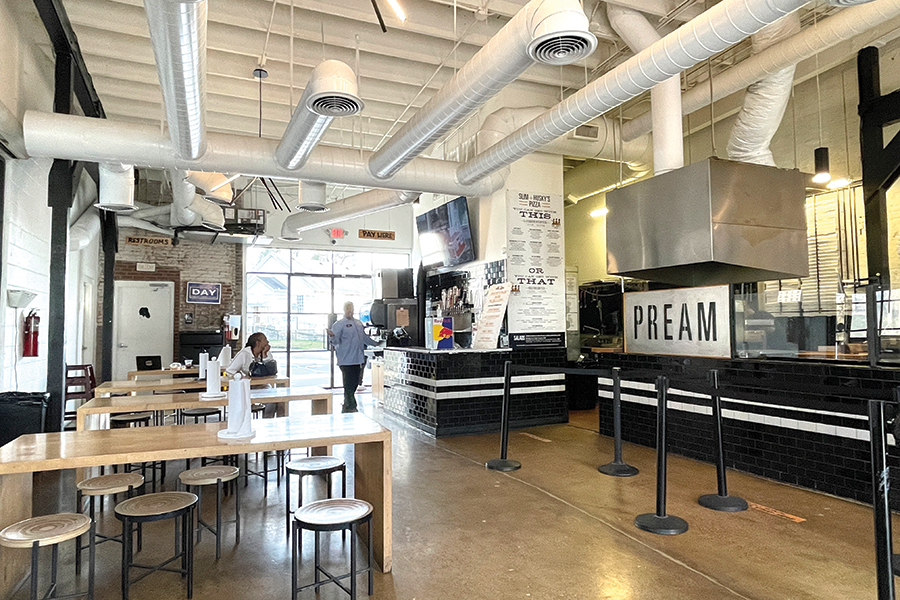
One of the most prevalent issues is a layout that hinders efficient movement for staff and customers. This can manifest as bottlenecks in the kitchen, cramped service corridors, or confusing pathways for diners. An inefficient kitchen layout, for instance, can lead to increased labor costs due to wasted motion, higher risk of accidents, and slower service times. A poorly planned FOH can lead to customer frustration, reduced table turnover, and a diminished dining experience.
Solution: Employing a professional kitchen consultant and an architect with expertise in hospitality design is crucial. They can optimize kitchen workflow through strategic zoning (prep, cook, wash, storage), ensuring clear separation of clean and dirty pathways. For FOH, ergonomic design principles and detailed space planning should be used to create intuitive circulation paths, adequate spacing between tables, and accessible service stations.
2. Inconsistent Brand Identity
A design that fails to consistently communicate the restaurant’s brand can confuse customers and dilute its unique selling proposition. This might occur when design elements clash, materials seem disjointed, or the overall ambiance doesn’t align with the menu or service style. For example, a high-end concept with a casual, mismatched interior can deter target customers.
Solution: A strong brand narrative must be established early in the design process. Every design element—from the logo and menu design to the choice of furniture, color palette, and lighting—should reinforce this narrative. Thematic coherence ensures that the restaurant presents a unified and memorable identity, creating a cohesive and immersive experience for diners.
3. Neglecting Customer Comfort and Experience
While aesthetics are important, neglecting the practical aspects of customer comfort can severely impact satisfaction. This includes uncomfortable seating, poor acoustics leading to excessive noise, inadequate lighting (too dim or too harsh), or inconvenient restroom facilities. A study by the National Restaurant Association highlighted that comfort is a top factor for diners when choosing a restaurant.
Solution: Human-centered design principles should guide seating choices, prioritizing comfort and appropriate table heights. Acoustic planning, incorporating sound-absorbing materials like panels, fabrics, and specific ceiling treatments, is essential for managing noise levels. Layered lighting design, combining ambient, task, and accent lighting, can create a warm and adaptable atmosphere. Restrooms should be easily accessible, well-maintained, and thoughtfully designed to reflect the overall brand quality.
4. Failure to Meet Regulatory Standards
Non-compliance with building codes, health regulations, fire safety standards, and accessibility requirements (ADA) can lead to significant delays, costly fines, and even forced closures. These regulations are complex and vary by jurisdiction, making them a common stumbling block for new restaurant owners.
Solution: Engaging experienced architects, engineers, and code consultants from the outset is paramount. A thorough understanding of local, state, and federal regulations must be integrated into every design decision. Early engagement with permitting authorities and proactive submission of detailed plans for review can help identify and rectify potential issues before construction begins, streamlining the approval process.
5. Underestimating Maintenance and Durability
Choosing materials solely based on initial cost or aesthetic appeal without considering their long-term durability and ease of maintenance can result in high ongoing operational expenses. Fragile finishes, hard-to-clean surfaces, or low-quality fixtures can quickly degrade, necessitating frequent repairs or replacements.
Solution: Prioritize durable, high-quality materials that can withstand the rigors of a high-traffic commercial environment. Stainless steel in kitchens, commercial-grade flooring, and easy-to-clean, hard-wearing surfaces in dining areas are wise investments. Specifying modular components where possible can facilitate easier repairs or replacements. A "total cost of ownership" perspective, considering both upfront costs and long-term maintenance, should guide material selection.
Regulatory Compliance: A Non-Negotiable Framework
Adherence to an intricate web of building codes and regulations is not merely a formality but a fundamental prerequisite for any restaurant design project. These regulations, which encompass health, fire, accessibility, and zoning laws, are designed to ensure public safety, welfare, and environmental protection. Non-compliance can result in severe penalties, including construction halts, substantial fines, and legal liabilities.
Building codes dictate structural integrity, material specifications, and general construction practices. Health codes, enforced by local health departments, cover aspects like kitchen layout, ventilation, sanitation, food storage, and waste disposal. Fire safety codes mandate fire suppression systems, emergency exits, fire-resistant materials, and alarm systems. The Americans with Disabilities Act (ADA) requires accessibility features for patrons and staff with disabilities, including ramps, wider doorways, accessible restrooms, and clear pathways. Zoning laws govern the permissible use of land and buildings within specific areas, dictating factors like building height, parking requirements, and signage. Navigating this regulatory landscape necessitates the expertise of architects and contractors well-versed in local ordinances and state statutes, often involving multiple rounds of plan review and inspections by various governmental agencies.
The Evolving Landscape: Incorporating Design Trends Strategically
The restaurant industry is dynamic, with trends continually emerging and evolving. While timeless design principles remain crucial, integrating relevant trends can help a restaurant stay current, attract contemporary clientele, and elevate the customer experience. However, discerning which trends genuinely enhance the concept versus fleeting fads is critical.
Current restaurant design trends are heavily influenced by shifts in consumer behavior and technological advancements.
- Open Kitchens: These designs offer transparency, entertainment, and a connection between diners and the culinary process, particularly popular in pizzerias where the pizza-making is a visual spectacle.
- Biophilic Design: Incorporating natural elements like living walls, indoor plants, natural light, and organic materials, this trend aims to create a calming and restorative environment, appealing to consumers’ desire for wellness and connection to nature.
- Digital Integration: Seamlessly blending technology into the dining experience, such as QR code menus, self-ordering kiosks, integrated charging stations, and dynamic digital signage, caters to tech-savvy customers and can enhance operational efficiency.
- Flexible Dining Spaces: Designs that allow for adaptable seating arrangements—from intimate booths to communal tables or private dining rooms—cater to diverse group sizes and dining occasions, maximizing space utilization.
- Experiential Dining: Beyond just food, consumers seek unique and immersive experiences. Design elements that create a sense of theater, novelty, or a strong thematic narrative contribute to this trend.
- Hyper-Localization: Reflecting the local culture, history, or community through design elements, art, and materials fosters a sense of authenticity and connection.
While embracing trends can keep a restaurant competitive, the key is strategic integration. A design trend should support the restaurant’s core concept and target audience, rather than being adopted for its own sake. Blindly following fads can lead to designs that quickly become outdated, necessitating costly renovations. Industry reports suggest that while customers appreciate innovation, authenticity and a comfortable atmosphere remain paramount.
Sustainability at the Forefront: Designing for a Greener Future
Sustainability has transitioned from a niche concern to a central pillar of contemporary restaurant design. This shift is driven by increasing environmental awareness among consumers, regulatory pressures, and the tangible economic benefits of eco-conscious practices. Environmental consultants emphasize that sustainable design is no longer a niche consideration but a mainstream expectation, offering advantages in brand perception, operational costs, and long-term resilience.
Incorporating sustainability into a restaurant buildout or remodel involves a multi-pronged approach:
- Energy Efficiency: Utilizing energy-efficient HVAC systems, LED lighting, smart thermostats, and ENERGY STAR rated kitchen equipment can significantly reduce energy consumption and operating costs. Renewable energy sources like solar panels can further decrease the carbon footprint.
- Water Conservation: Installing low-flow faucets, toilets, and dishwashers, along with efficient irrigation systems for landscaping, conserves water resources.
- Sustainable Materials: Specifying materials that are recycled, recyclable, locally sourced, rapidly renewable (e.g., bamboo, cork), or have low volatile organic compound (VOC) emissions reduces environmental impact and improves indoor air quality. Reclaimed wood or salvaged elements also contribute to a unique aesthetic and reduce waste.
- Waste Management: Designing for effective waste segregation and reduction, including dedicated spaces for composting and recycling, minimizes landfill contributions. This also encompasses food waste reduction strategies.
- Indoor Environmental Quality: Beyond low-VOC materials, ensuring proper ventilation, maximizing natural light, and incorporating biophilic elements contribute to a healthier and more pleasant environment for both staff and customers.
- Certifications: Pursuing green building certifications like LEED (Leadership in Energy and Environmental Design) or other local green restaurant certifications can validate sustainability efforts and enhance public perception.
The initial investment in sustainable design elements often pays dividends through reduced utility bills, eligibility for tax incentives, and enhanced brand reputation, appealing to a growing segment of environmentally conscious consumers.
The Broader Impact: Design as a Catalyst for Success
In conclusion, the design of a restaurant is far more than an aesthetic endeavor; it is a critical investment that underpins every aspect of a restaurant’s operation and market position. A well-executed design drives customer loyalty by creating an inviting and memorable experience, fostering positive reviews and repeat business. It enhances operational efficiency, leading to faster service, reduced labor costs, and improved staff morale and retention. Furthermore, a thoughtfully designed space powerfully communicates the brand’s identity and values, distinguishing it in a crowded market. By meticulously addressing foundational questions, navigating the design process systematically, mitigating common pitfalls, adhering to regulatory frameworks, strategically incorporating relevant trends, and embedding sustainability, restaurant owners can leverage design as a potent catalyst for long-term success, profitability, and enduring brand legacy in the competitive culinary world.