 admin
admin
Cracker Barrel Old Country Store, Inc. has entered a pivotal phase of corporate restructuring and operational refinement as it seeks to stabilize its market position following a period of significant volatility. The Lebanon, Tennessee-based casual dining giant, long known for its nostalgic "Old Country Store" aesthetic and Southern-inspired comfort food, is currently grappling with a confluence of macroeconomic pressures and internal strategic missteps. During the second fiscal quarter ending January 30, the company reported a 7.1 percent decrease in restaurant same-store sales, marking its most challenging quarterly performance since the height of the COVID-11 pandemic in late 2020. This decline was driven by a sharp 10.1 percent drop in guest traffic, which was only partially mitigated by a 3.4 percent increase in the average check and a 4.2 percent pricing adjustment.
The company’s current predicament is inextricably linked to a recent rebranding effort that met with intense resistance from its core demographic. The initiative, which included a proposed logo redesign and modernizing elements of the restaurant’s visual identity, sparked a social media backlash that rapidly translated into lost foot traffic. In response to this sentiment, Chief Executive Officer Julie Masino has spearheaded a multi-pronged transformation plan focused on operational excellence, menu innovation, aggressive cost-cutting, and a renewed commitment to the brand’s traditional roots.
Chronology of Strategic Shifts and Rebranding Fallout
The trajectory of Cracker Barrel’s recent challenges began in late 2023 when the company partnered with Prophet, a global brand and marketing consultancy, to modernize its image. The goal was to attract a younger, more diverse customer base to offset an aging demographic. However, the rollout of the updated visual identity was perceived by many loyalists as an abandonment of the "Old Country Store" heritage. By October 2023, the brand faced a significant downturn in consumer sentiment, exacerbated by a volatile macroeconomic environment where inflation began squeezing the discretionary income of middle-income diners.
Recognizing the severity of the situation, the Board of Directors and CEO Julie Masino initiated a series of leadership changes in October. This included the departure of Cammie Spillyards-Schaefer, the former Senior Vice President and Chief Restaurant and Retail Operations Officer. To fill the vacuum, the company promoted Doug Hisel to Senior Vice President of Store Operations and rehired Tomas Yun as Vice President of Menu Strategy and Development. The restructuring also saw the expansion of roles for Heather Hager and Heather Gammon to manage the responsibilities of the retiring SVP Laura Daily.
By early 2024, the company officially severed ties with Prophet and announced that the original, classic logo would remain the cornerstone of the brand’s identity. This reversal was a direct acknowledgment that the rebranding effort had alienated the very customers who sustained the business through previous economic cycles. The focus shifted immediately to a "back-to-basics" approach, prioritizing the fundamental elements of the Cracker Barrel experience: food quality, service, and value.
Operational Metrics and Consumer Sentiment
Despite the negative headline figures for the second quarter, internal data suggests that the brand’s corrective measures are beginning to gain traction. A key metric for the company has been its Google star ratings, which Masino identifies as a leading indicator of future traffic. In Q2, Cracker Barrel achieved an average rating of 4.28, its highest score since 2020. Furthermore, internal surveys indicated a 4 to 5 percent year-over-year increase in scores related to food taste, service efficiency, and perceived value.
Employee retention, a chronic issue across the casual dining sector, has also shown signs of stabilization. Cracker Barrel reported a 10 percent improvement in management turnover during the second quarter. This internal stability is viewed as a prerequisite for delivering the consistent guest experience necessary to win back lapsed customers. Masino, who has spent the last several months visiting locations and engaging directly with frontline staff, noted that while the company is "moving in the right direction," the correlation between improved sentiment scores and a rebound in traffic often involves a significant time lag.
Menu Innovation and the "New Nostalgia" Strategy
To address the 10.1 percent traffic decline, Cracker Barrel is leveraging a menu strategy that balances the return of "fan favorites" with modern, value-driven offerings. The strategy aims to remind customers of the brand’s heritage while providing enough variety to encourage repeat visits.
During the holiday season, the limited-time offering (LTO) of Country Fried Turkey proved highly successful, selling out across many locations. This success contributed to a record-breaking Thanksgiving week, during which the brand generated $110 million in total sales. Building on this momentum, the company reintroduced several classic items in early 2024, including Hamburger Steak, Eggs in the Basket, and Sugar-Cured and Country Ham dinners.
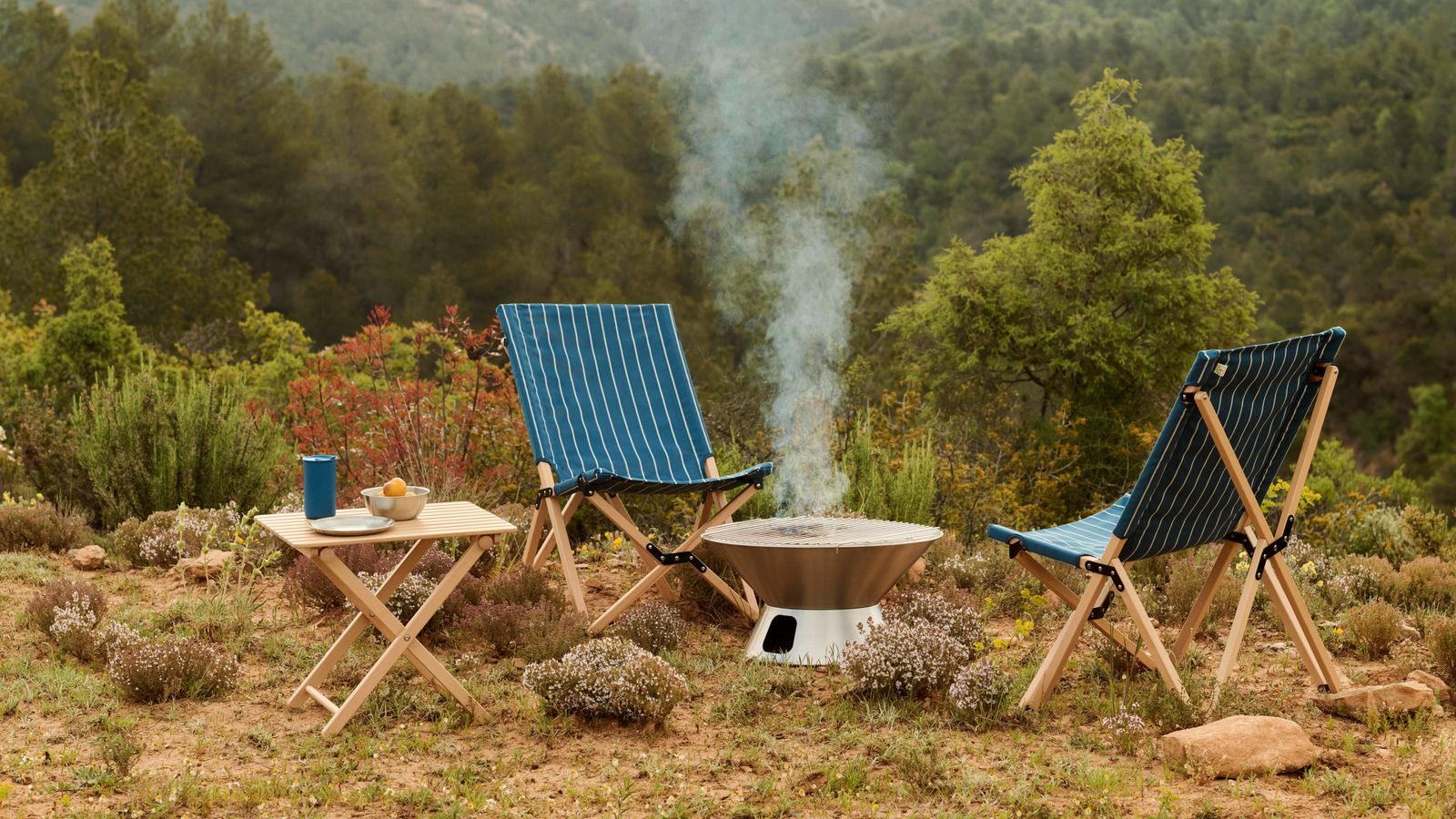
Parallel to these nostalgic returns, the culinary team has introduced several "innovation" items designed to appeal to broader palates, such as the Breakfast Burger, Smoky Southern Salmon, and Garden and Farmhouse Scrambles. The company also plans to bring back its popular "Campfire Meals" platform this summer, a seasonal staple that historically drives high engagement.
Central to the turnaround is the "Meals for Two" platform, which starts at $19.99. By offering two full-sized entrées and a choice of a shareable appetizer or dessert, Cracker Barrel is positioning itself as a high-value alternative to both fast-casual competitors and more expensive full-service peers. The company is also experimenting with "upsell" opportunities, such as discounted soup and salad add-ons and "Shareable Trios," which have successfully improved the menu mix and helped offset some of the traffic losses.
The Digital Transformation: Cracker Barrel Rewards
One of the most significant pillars of the company’s long-term strategy is the Cracker Barrel Rewards program. Since its inception two years ago, the loyalty initiative has grown to over 11 million members. Crucially, these members now account for 40 percent of all tracked sales.
The program has become a vital tool for targeted marketing, allowing the brand to bypass expensive traditional media and speak directly to its most frequent guests. Data from the second quarter shows that loyalty members have exhibited higher traffic frequency compared to non-members, particularly in the wake of the logo controversy. Through the "Front Porch Feedback" mechanism, the company is using member data to refine its offerings for different dayparts, including breakfast, dinner, and retail.
The integration of the restaurant and retail segments remains a unique competitive advantage for Cracker Barrel. Recent promotions, such as offering a free toy with the purchase of a kids’ meal, have demonstrated that the brand can drive incremental margin by bridging the gap between the dining room and the gift shop. Masino has indicated that the company will invest in lengthening lead times for these integrated promotions to maximize their impact in the 2025 and 2026 fiscal years.
Financial Discipline and Future Outlook
To protect its balance sheet during this period of transition, Cracker Barrel has implemented aggressive cost-saving measures. A series of corporate layoffs initiated in the first quarter and continuing into the second are expected to yield annualized savings between $20 million and $25 million. Additionally, the company is recalibrating its marketing budget, with plans to reduce advertising spend by $13 million to $17 million in the latter half of 2026 compared to the previous year.
The financial outlook for the coming years remains cautious. The company expects adjusted EBITDA to range between $85 million and $100 million in fiscal 2026, a significant decrease from the $224.3 million reported in fiscal 2025. Capital expenditures are also being tightened, with a projected investment of $105 million to $115 million, down from $158.6 million in the prior year.
Traffic is forecasted to remain under pressure, with an estimated decrease of 8.5 to 9.5 percent for the full fiscal year 2026. However, management remains optimistic that the "foundational work" being done now—improving operations, refining the menu, and leaning into the loyalty program—will eventually lead to a sustainable recovery.
Analysis of Implications
The challenges facing Cracker Barrel are emblematic of the broader hurdles in the casual dining industry. As labor costs rise and consumers become more price-sensitive, legacy brands must innovate without alienating their core base. Cracker Barrel’s recent rebranding stumble serves as a cautionary tale for heritage brands attempting to "modernize" too quickly.
However, the company’s pivot toward data-driven loyalty marketing and operational consistency provides a blueprint for recovery. By focusing on Google ratings and employee sentiment, Cracker Barrel is betting that the "intangibles" of the dining experience will eventually drive the "tangibles" of the financial statement. The success of this strategy will depend on the brand’s ability to maintain its value proposition in an environment where the $20-per-couple price point is increasingly difficult to sustain amidst rising commodity costs.
As Cracker Barrel enters the second half of its fiscal year, the industry will be watching closely to see if the "casual giant" can truly right the ship or if the shifts in consumer behavior and the fallout from previous branding decisions have created a permanent drag on the company’s growth trajectory. For now, the focus remains squarely on the guest experience, one Country Fried Turkey plate at a time.