
 admin
admin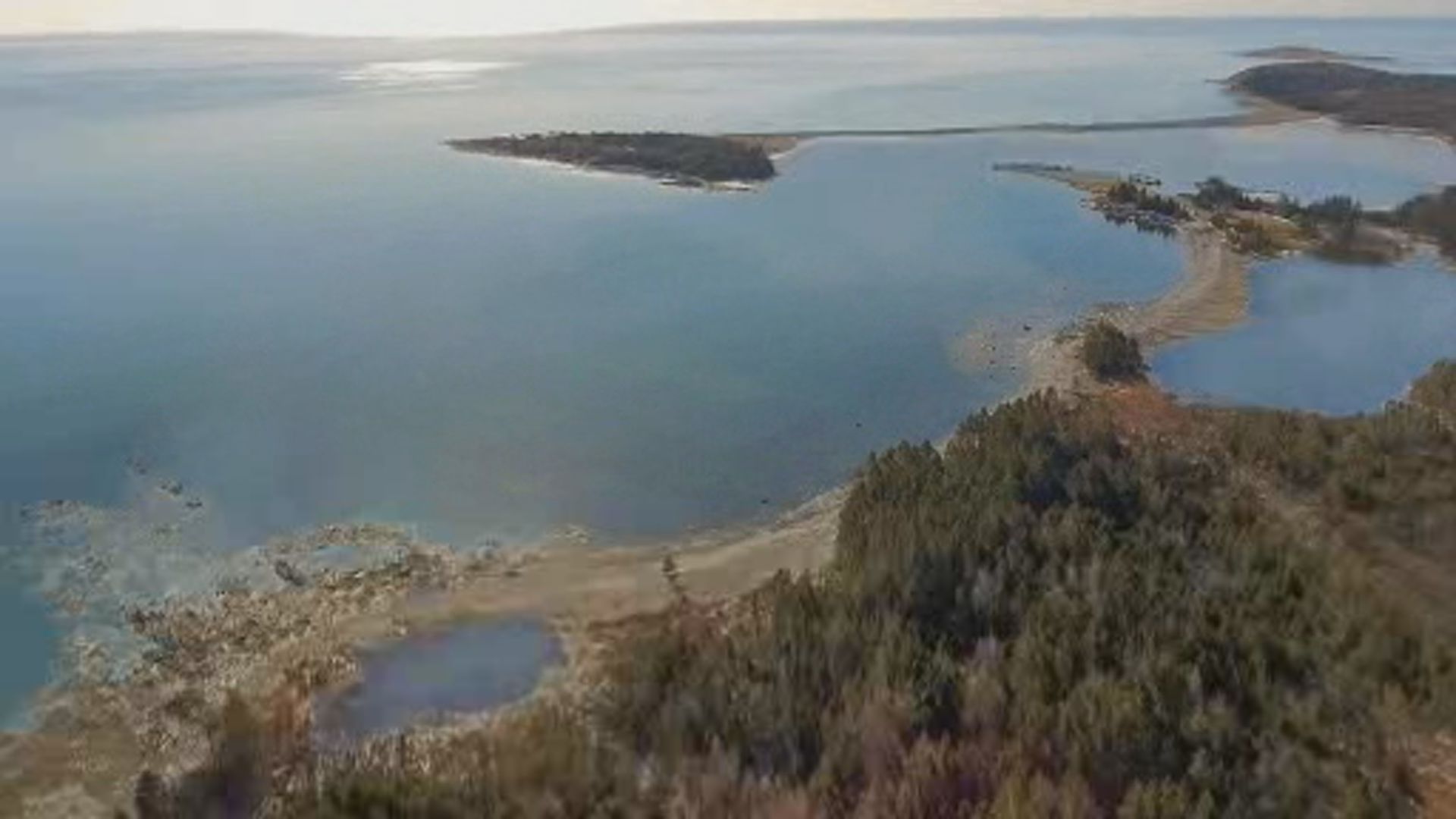
A contentious proposal by a U.S.-based organization to relocate two captive killer whales from France to a planned seaside sanctuary in Nova Scotia is currently facing significant opposition from Paul Watson, the renowned and often polarizing anti-whaling campaigner. The debate centers on the welfare of the orcas, Wikie and Keijo, and the suitability of the chosen Canadian site, highlighting the complex ethical and logistical challenges inherent in transitioning large marine mammals from decades of captivity to semi-natural environments.
The Heart of the Dispute: Nova Scotia vs. European Sanctuary
At the core of the controversy is the plan by the Whale Sanctuary Project (WSP), a non-profit organization, to transfer Wikie, a 23-year-old female orca, and her 12-year-old son, Keijo, from Marineland Antibes in the south of France to a vast, floating sea pen near Wine Harbour, Nova Scotia. The WSP initially aimed for the transfer to occur before the end of this summer, an ambitious timeline that has since been revised. Paul Watson, the 75-year-old founder of the Sea Shepherd Conservation Society and now a director of Sea Shepherd France, has vehemently voiced his opposition, asserting that such a move would critically endanger the lives of the orcas. "Transferring Keijo and Wikie to Nova Scotia risks their lives," Watson declared in a statement released on Monday, adding a stark warning: "If they die prematurely in Canada, the French government will be held accountable."
Watson’s intervention came during a critical meeting in Paris, attended by a committee of French government officials, marine mammal experts, representatives from the Whale Sanctuary Project, and delegates from Spain’s Loro Parque zoo on the Canary Islands. The French government is exploring multiple options for Wikie and Keijo, including a transfer to Loro Parque, a move reportedly favored by the current owners of the orcas at the now-shuttered Marineland Antibes park. This meeting underscored the international dimension of the issue, with France, Canada, Spain, and a U.S.-based project all playing roles in the orcas’ uncertain future.
Watson’s Criticisms: Climate, Funding, and Logistics

Watson, leveraging his deep familiarity with the Canadian Maritimes where his family relocated during his youth, launched a multi-pronged critique of the WSP’s proposal. He specifically targeted the environmental suitability of the Nova Scotia site, arguing that the bay would be "too cold" for Wikie and Keijo. Both orcas were born and have spent their entire lives in the warmer Mediterranean Sea, and Watson emphasized the "harshness of its winters," citing frequent storms and the accumulation of ice floes along Nova Scotia’s eastern coastline as significant threats to the project’s infrastructure, including its nets and other containment systems.
Beyond climate concerns, Watson raised serious questions about the WSP’s financial stability and its operational timeline. He contended that the project "lacks funding" and possesses an "unrealistic timeline." He also highlighted opposition from some adjacent landowners in Wine Harbour, suggesting a lack of full community consensus for the ambitious undertaking.
The Whale Sanctuary Project’s Defense and Revised Timeline
In response to Watson’s allegations, the Whale Sanctuary Project has offered detailed rebuttals. Charles Vinick, CEO of the WSP, has addressed the concerns about cold weather by noting that Wikie, Keijo’s mother, is a descendant of Icelandic orcas, suggesting an inherent genetic predisposition to adapt to colder environments. While acknowledging the need for a careful acclimation process, the WSP maintains that orcas are highly adaptable and that the chosen bay, approximately a three-hour drive east of Halifax, offers sufficient shelter from the often-turbulent North Atlantic. Extensive studies, Vinick stated, have been conducted to confirm the bay’s suitability and its capacity to protect the sanctuary’s infrastructure from adverse weather conditions.
Regarding funding, Vinick has expressed confidence that an influx of private donors is anticipated now that Wikie and Keijo have been officially identified as potential candidates for transfer. He previously insisted on the realism of a summertime deadline, though this has since been adjusted. On Tuesday, the WSP issued a statement clarifying that construction at the Nova Scotia site is now projected to commence "when weather permits," with the completion deadline extended to "the second half of 2026." This revised timeline directly addresses some of Watson’s criticisms regarding the project’s initial ambitious schedule. Vinick further bolstered the WSP’s position by citing a recent statement from the French government, which reportedly views the project as the "only ethical, credible and legally compliant solution" for the orcas.
Background: Wikie and Keijo’s Captivity and the Global Sanctuary Movement

Wikie and Keijo’s story is emblematic of the broader shift in public perception and scientific understanding regarding the ethical implications of keeping highly intelligent and social marine mammals like orcas in captivity. Wikie, born in 2001, and Keijo, born in 2011, have spent their entire lives within the confines of Marineland Antibes. The park, once a popular attraction, faced increasing scrutiny and declining attendance amidst growing awareness campaigns against marine mammal captivity. The decision to close the park’s orca exhibit and seek alternative arrangements for Wikie and Keijo reflects a global trend where marine parks are either phasing out orca displays or facing immense pressure to do so. Countries like Canada have already enacted legislation, such as Bill S-203, which bans the captivity and breeding of whales and dolphins, underscoring a commitment to ending such practices within their borders.
The concept of a whale sanctuary represents an evolving and increasingly accepted "retirement" solution for captive marine mammals. These sanctuaries aim to provide a more naturalistic, spacious, and enriching environment than traditional marine parks, allowing animals to experience tides, currents, and a broader array of natural stimuli while still receiving necessary human care and veterinary attention. The Nova Scotia project, if realized, would be one of the pioneering efforts of its kind for orcas, following similar initiatives for beluga whales. The success of such a sanctuary could set a precedent for the future of other captive cetaceans worldwide.
Watson’s Alternative Proposal and Broader Implications
Paul Watson, a figure whose career has been defined by direct action and staunch advocacy for marine wildlife, proposed an alternative solution: the establishment of a refuge on the Mediterranean coast. He argued that such a project would be eligible for European Union funding, thereby reducing reliance on potentially "uncertain private donations." Sea Shepherd France, he stated, is prepared to commit over $800,000 annually to support Keijo and Wikie’s care at Marineland Antibes until a European sanctuary could be constructed. This offer highlights Watson’s commitment to ensuring the orcas remain in a warmer, more familiar climate zone, while also offering a financial bridge during the planning and construction phase of an alternative European site. However, as the article notes, no such dedicated orca sanctuary currently exists in the Mediterranean region or anywhere else in Europe, making Watson’s suggestion a long-term vision rather than an immediate solution.
"This is not just about two orcas. It is about France’s commitment to ethical leadership," Watson asserted, framing the decision as a test of France’s dedication to humane solutions for captive animals. "The public demands a humane solution. And the science is clear: Nova Scotia is not safe for Keijo and Wikie." His statement underscores the significant public interest and ethical dimensions of the case, which extend far beyond the individual welfare of these two whales to broader questions of national responsibility and international conservation standards.
Paul Watson: A History of Confrontation and Advocacy

Paul Watson’s prominent role in this debate is consistent with his long and often controversial career. At 75, he is perhaps best known globally for his leadership in dangerous confrontations with whaling vessels on the high seas, a legacy that earned him widespread support from celebrities and a starring role in the reality-TV series "Whale Wars." His methods, while effective in raising awareness and disrupting whaling operations, have often drawn criticism and legal challenges.
Watson’s history includes periods as an international fugitive. In July of last year, the international policing agency Interpol removed him from its most-wanted list, a significant development in his long-standing legal battles. He had been sought by Japan following an incident in 2010 involving a whaling research ship, where he was accused of ordering his ship’s captain to throw explosives at the Japanese vessel – an accusation Watson has consistently denied. Despite Interpol’s decision, which suggested "the existence of political elements around the case," Watson was jailed for several months last year in Greenland on unrelated charges. His tenacious advocacy and willingness to engage in direct action have made him a formidable, if sometimes divisive, voice in marine conservation, ensuring that his pronouncements carry significant weight and attract considerable media attention.
The Road Ahead: Challenges and Precedents
The ongoing debate over Wikie and Keijo’s future encapsulates the complex interplay of animal welfare, scientific assessment, political will, and public opinion. The Whale Sanctuary Project faces the immense challenge of not only constructing a cutting-edge facility in a remote coastal area but also securing substantial, long-term funding and managing the intricate logistics of international animal transfer and acclimation. The revised timeline to the second half of 2026 suggests a more realistic approach to these monumental tasks.
For France, the decision regarding Wikie and Keijo represents a critical moment in its animal welfare policy, potentially setting a precedent for how other nations manage their captive marine mammal populations. The perceived ethical choice, as highlighted by Watson and implicitly supported by the French government’s recent statement favoring the WSP, will undoubtedly influence future discussions on the role of marine parks and the feasibility of genuine seaside sanctuaries. The outcome for Wikie and Keijo will be closely watched by conservationists, animal rights advocates, and the public worldwide, shaping the narrative around the future of captive cetaceans and the ongoing quest for humane solutions.