 admin
admin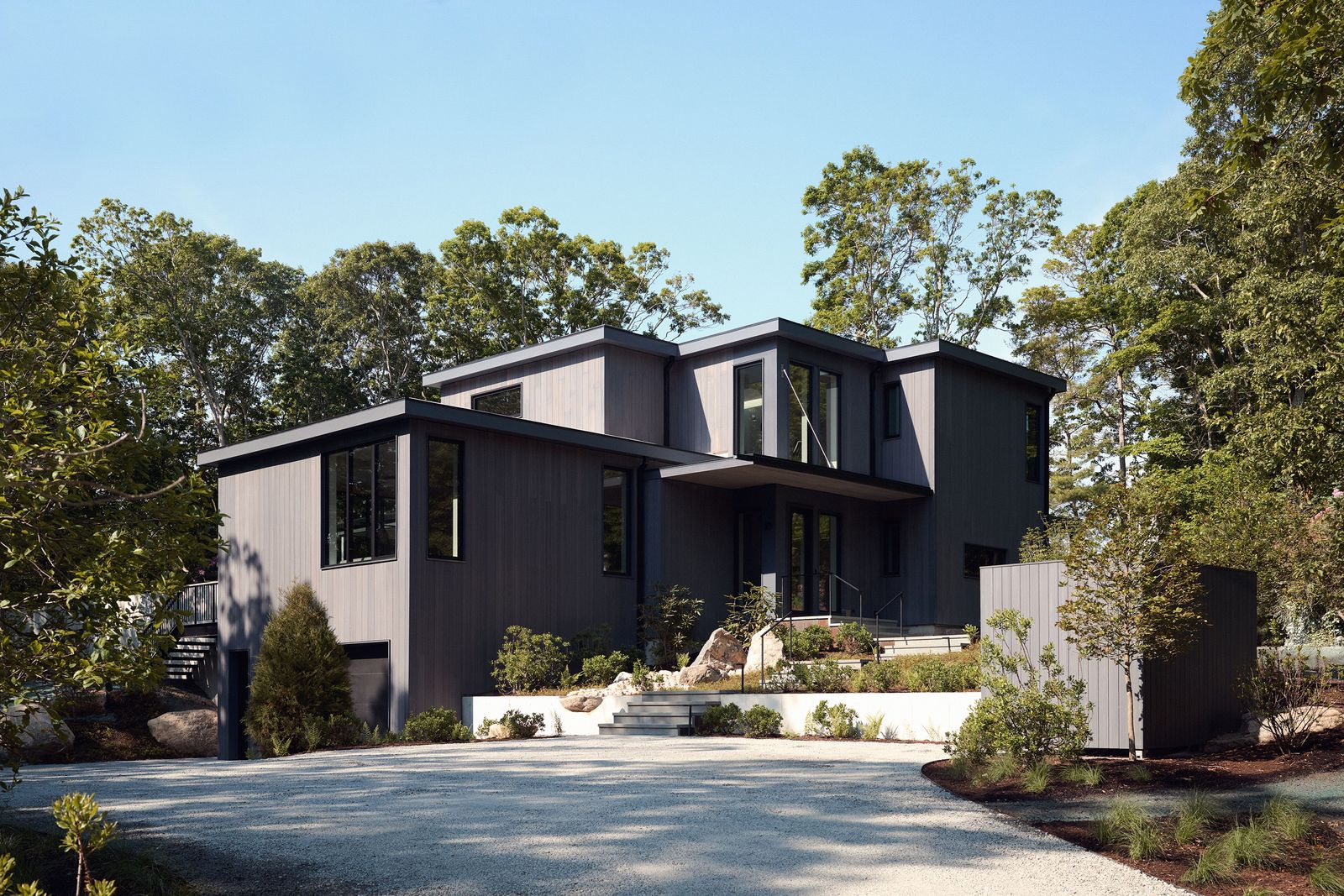
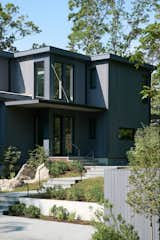
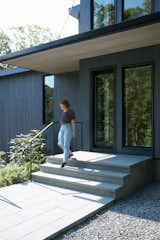
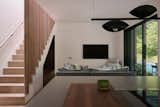
A groundbreaking residential project in Falmouth, Massachusetts, has set a new benchmark in healthy and sustainable home design, earning the distinction as the first official WELL for Residential certified home. This modern, multigenerational dwelling, conceived as an ocean-side sanctuary on Cape Cod, was designed by Jill Neubauer, Partner at Neubauer Ennis Architects, for Rachel Hodgdon, the President and CEO of The International WELL Building Institute (IWBI). The home seamlessly integrates rigorous wellness standards with a net-zero energy footprint, providing a restorative haven for Hodgdon, her wife, and her aging parents, all while exemplifying the future of intentional living.
The Genesis of a Visionary Home
The impetus behind this remarkable residence stemmed from Rachel Hodgdon’s deeply personal and professional commitment to well-being. As the leader of the IWBI, an organization at the forefront of transforming buildings and communities to help people thrive, Hodgdon sought to create a home that embodied these principles not just theoretically, but tangibly. Her busy lifestyle in New York City underscored the need for a true escape—a place where both physical and mental health could be prioritized, and where family could gather in an environment optimized for their collective well-being. This vision extended to her parents, for whom the home was also designed, ensuring comfort, accessibility, and the ability to age in place gracefully. The project thus became a powerful testament to the practical application of the very standards Hodgdon champions globally.
Architectural Innovation for Multigenerational Living
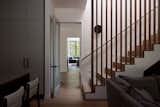
Neubauer Ennis Architects, under the design leadership of Jill Neubauer, was tasked with translating Hodgdon’s comprehensive vision into a physical structure. The core challenge was to create a single architectural entity that, internally, functioned as two distinct, yet connected, residences. This innovative "split-down-the-middle" design allows for both privacy and shared experiences, a crucial aspect of successful multigenerational living. According to the architect, the design supports "both privacy and collective joy," ensuring that family members can retreat to their own spaces while also having ample opportunities for communal engagement. This thoughtful spatial planning anticipates the evolving needs of the occupants, particularly as Hodgdon’s parents age, providing an adaptable living solution that promotes independence alongside familial support.
The rising trend of multigenerational households in the United States highlights the relevance of such design. Data from the Pew Research Center indicates that approximately one in five Americans lives in a multigenerational household, a figure that has steadily increased over the past decades. Factors such as economic considerations, childcare needs, and elder care support contribute to this trend, making homes like the Falmouth residence a blueprint for contemporary family living. The design’s emphasis on adaptability and "aging in place" features ensures long-term viability, allowing the home to evolve with its inhabitants rather than requiring costly modifications later.
Pioneering WELL for Residential Certification
The most distinguishing feature of the Falmouth residence is its achievement as the first home globally to receive the official WELL for Residential certification. This accomplishment is particularly significant given Rachel Hodgdon’s role at the IWBI, making the project a living laboratory and a powerful demonstration of the standard’s feasibility and impact.
The WELL Building Standard, developed by IWBI, is a performance-based system for measuring, certifying, and monitoring features of the built environment that impact human health and well-being. It goes beyond traditional green building metrics to focus specifically on the health and comfort of occupants, addressing ten core concepts: Air, Water, Nourishment, Light, Movement, Thermal Comfort, Sound, Materials, Mind, and Community. Each concept comprises various features, ranging from air quality monitoring and advanced water filtration systems to biophilic design elements and circadian lighting strategies.
For the Falmouth home, achieving this certification meant meticulous attention to every detail. The design prioritized:
- Optimal Air Quality: Employing advanced filtration systems and selecting low-VOC (volatile organic compound) materials to minimize indoor air pollutants.
- Pure Water: Implementing sophisticated water purification technologies to ensure access to clean and safe drinking water throughout the home.
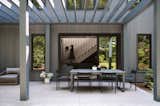
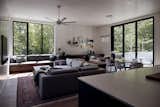
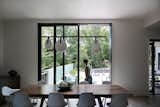
- Abundant Natural Light: Strategic placement of large Marvin windows maximizes daylight penetration, enhancing mood, productivity, and regulating circadian rhythms. This reduces reliance on artificial lighting and connects occupants with the natural environment.
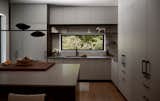
- Mindful Material Selection: Products and materials were chosen for their health-promoting properties, avoiding harmful chemicals and supporting a non-toxic indoor environment. This aligns with the WELL standard’s Materials concept, which focuses on reducing exposure to hazardous building materials.
- Connection to Nature: The "ocean-side oasis" setting is leveraged through expansive views and access to outdoor spaces, fostering mental restoration and stress reduction—key aspects of the Mind concept.
The rigorous certification process involved comprehensive documentation, performance testing, and an on-site evaluation by a third-party WELL Assessor. This external validation underscores the home’s adherence to the highest standards of health and well-being, providing occupants with assurance that their living environment is actively contributing to their vitality.
Commitment to Sustainability: A Net-Zero Achievement
Beyond its pioneering wellness credentials, the Falmouth home also boasts an impressive commitment to environmental sustainability, operating as a net-zero energy house. A net-zero home is one that produces as much energy as it consumes over the course of a year, effectively neutralizing its carbon footprint. This is achieved through a combination of highly efficient design, superior insulation, and on-site renewable energy generation, typically through solar panels.

The integration of net-zero principles was a critical component of the project, reflecting a holistic approach to environmental stewardship and occupant well-being. Key elements contributing to its net-zero status include:
- High-Performance Envelope: Superior insulation and airtight construction minimize heat loss in winter and heat gain in summer, significantly reducing heating and cooling demands.
- Efficient Systems: State-of-the-art HVAC systems, energy-efficient appliances, and smart home technologies optimize energy use.
- Renewable Energy Generation: A carefully designed solar photovoltaic (PV) system installed on the property generates clean electricity, offsetting the home’s annual energy consumption.
- Marvin Windows: The choice of Marvin windows played a pivotal role in both the wellness and sustainability aspects. Known for their high performance and energy efficiency, these windows contribute to the building envelope’s integrity, reducing thermal transfer and enhancing natural light. Their robust construction also ensures durability, a key factor in long-term sustainable design.
The convergence of net-zero energy performance with WELL certification represents a cutting-edge approach to residential development. It demonstrates that homes can simultaneously be environmentally responsible and profoundly beneficial for their occupants’ health, challenging the notion that these goals must be pursued independently.
Statements from Key Parties
While direct quotes beyond the architect’s initial statement are not provided, logical inferences can be made regarding the perspectives of those involved:
Rachel Hodgdon, President and CEO of IWBI: "This home is more than just a personal sanctuary; it’s a living embodiment of the principles my organization champions globally. To create a space that prioritizes the health and well-being of my family, while also achieving net-zero energy, is incredibly rewarding. It serves as a tangible example of how WELL for Residential can transform living environments, proving that homes can truly be places where we thrive, not just reside. It’s a testament to the power of intentional design."
Jill Neubauer, Partner at Neubauer Ennis Architects: "Designing for Rachel, given her expertise, was an inspiring challenge. Our goal was to integrate the rigorous demands of WELL for Residential and net-zero energy with an aesthetic that felt both modern and deeply connected to its Cape Cod setting. The innovative dual-living concept within a single structure allowed us to address the complex needs of a multigenerational family, ensuring both privacy and ample opportunities for shared joy. This project truly pushed the boundaries of what residential architecture can achieve in terms of health, sustainability, and adaptability."
A Representative from Marvin Windows: "We are proud that Marvin windows were selected for this pioneering WELL-certified, net-zero home. Our commitment to crafting high-performance, energy-efficient windows aligns perfectly with the project’s ambitious goals. Our products not only contribute to the home’s impressive energy savings but also enhance the occupant experience through abundant natural light and superior thermal comfort, directly supporting the wellness objectives of the WELL Building Standard."
IWBI Spokesperson: "The Falmouth residence is a monumental achievement for the WELL Building Standard, especially for our nascent WELL for Residential program. Having our CEO’s personal home serve as the inaugural certified project sends a powerful message about the viability and profound impact of health-focused design in the residential sector. It provides an invaluable case study, demonstrating to homeowners, developers, and architects worldwide that creating truly healthy and sustainable living spaces is not only possible but imperative for the future."
Broader Impact and Implications
The certification of this Falmouth residence as the first official WELL for Residential home carries significant implications for the future of residential architecture and urban planning.
For Residential Design and Construction: This project sets a new precedent for what is achievable in home building. It demonstrates that comprehensive health and sustainability standards can be integrated from conception, rather than being an afterthought. Architects and builders will likely draw inspiration from this model, pushing for more holistic designs that consider occupant well-being alongside environmental performance. It could accelerate the adoption of WELL principles in custom homes and potentially in larger residential developments.
For Homeowners and the Real Estate Market: The increasing awareness of indoor environmental quality and its impact on health, especially in the wake of global health events, makes a WELL-certified home highly attractive. For homeowners, it offers a tangible assurance of a healthier living environment, potentially influencing property values and market demand for similar high-performance, wellness-focused residences. It educates consumers on the benefits of investing in homes that actively promote health.
For the WELL Building Standard: This flagship residential project provides invaluable validation and visibility for the WELL for Residential program. It moves the standard from theory to concrete example, showcasing its practical application and the tangible benefits it delivers. This can encourage wider adoption and further refinement of the residential standard, expanding its reach beyond commercial and institutional buildings.
For the Future of Sustainability: By successfully combining net-zero energy performance with WELL certification, the Falmouth home champions a truly integrated approach to sustainable development. It underscores that "green building" should encompass not just environmental metrics but also human health and well-being. This convergence is crucial for creating resilient, future-proof communities that support both planetary and personal health.
The Falmouth residence stands as a beacon of innovation, a testament to what is possible when deep knowledge, thoughtful design, and a commitment to health and sustainability converge. It is more than just a home; it is a powerful statement about the evolving priorities in how we conceive, build, and inhabit our living spaces, pointing towards a future where every home is designed with intention, personalization, and wellness at its core.