 admin
admin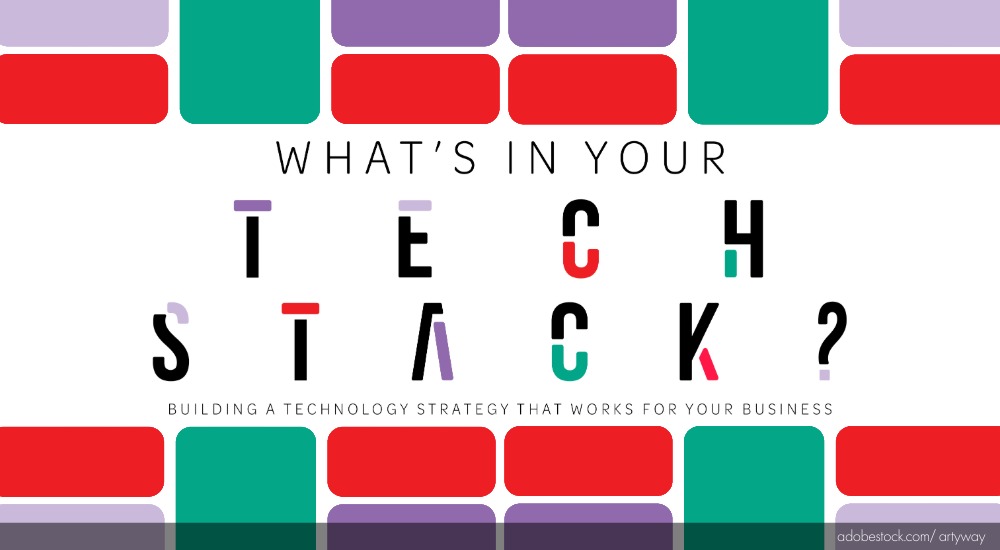
The strategic development of a robust technology stack stands as one of the most critical decisions a restaurant operator will face in today’s increasingly digital landscape. With the highly anticipated Pizza Expo (March 24-26, 2026) just weeks away, the industry is gearing up for an unparalleled showcase of cutting-edge innovations designed to revolutionize restaurant operations. This premier event offers an invaluable opportunity for owners and managers to explore, test drive, and ultimately select the technological solutions that will drive their businesses forward. However, to maximize the potential of such an immersive experience, a well-defined strategy must be in place long before setting foot in Las Vegas. Proactive due diligence and a clear vision are essential to making informed decisions and optimizing time spent with exhibitors.
The Evolving Landscape of Restaurant Technology
The modern restaurant environment, particularly within the dynamic pizzeria sector, demands more than just traditional culinary excellence. It necessitates a sophisticated interplay of digital tools that streamline operations, enhance customer experience, and boost profitability. The pandemic accelerated an existing trend towards digital transformation, making integrated technology not merely a convenience but a competitive imperative. From managing online orders to optimizing kitchen workflows, and from engaging customers through loyalty programs to leveraging data for strategic insights, technology permeates every facet of a successful restaurant business.
Pizza Expo 2026: A Hub for Innovation and Strategic Planning
The upcoming Pizza Expo, scheduled for March 24-26, 2026, represents a pivotal moment for pizzeria owners and operators seeking to elevate their technological capabilities. As the world’s largest pizza show, it serves as a crucial platform for discovering the latest advancements in foodservice technology. Historically, the Expo has been a launchpad for innovations ranging from advanced oven technologies to sophisticated point-of-sale (POS) systems and intricate online ordering platforms. Attendees can expect a sprawling exhibit floor featuring hundreds of vendors demonstrating solutions in real-time, offering unparalleled opportunities for direct engagement, comparative analysis, and even live demonstrations.
This event is not merely a trade show; it is a concentrated learning environment where operators can gain insights into emerging trends, attend educational seminars led by industry experts, and network with peers. For those looking to build or significantly upgrade their tech stack, the Expo provides a unique opportunity to interact directly with developers and sales teams, asking targeted questions and assessing the suitability of various solutions for their specific operational needs. The sheer volume and diversity of technology on display make pre-planning indispensable. Without a clear strategy, operators risk being overwhelmed by choices, potentially missing out on solutions that could offer the most significant impact on their business.
Defining the Modern Pizzeria Tech Stack: Components and Interconnectivity
A comprehensive pizzeria tech stack is a complex ecosystem of interconnected systems, each playing a vital role in overall efficiency and customer satisfaction. The list of potential components is extensive and continually growing, reflecting rapid technological advancements. Key elements typically include:
- Point-of-Sale (POS) System: The central nervous system, managing transactions, orders, payments, and often integrating with other systems. Modern POS systems are often cloud-based, offering mobility and real-time data access.
- Online Ordering Platform: Essential for digital sales, offering customization options, clear pricing, and seamless integration with kitchen and delivery systems. Industry data suggests that online ordering can account for 50-70% of a pizzeria’s revenue in some markets.
- Kitchen Display System (KDS): Digital screens that replace paper tickets, improving order accuracy, speed, and communication between front-of-house and back-of-house. This can reduce order fulfillment times by 15-20%.
- Inventory Management System: Tracks ingredients, manages stock levels, reduces waste, and helps with cost control. Integrated systems can automatically update inventory based on POS sales.
- Customer Relationship Management (CRM) & Marketing Tools: Gathers customer data, facilitates targeted marketing campaigns, loyalty programs, and personalized promotions.
- Analytics and Reporting: Provides actionable insights into sales trends, operational performance, labor costs, and customer behavior, enabling data-driven decision-making.
- Employee Management (HR & Scheduling): Streamlines staff scheduling, payroll, time tracking, and communication.
- Payment Processing: Secure and efficient handling of credit card and digital payments.
- Delivery Management System: Optimizes delivery routes, dispatches drivers, tracks orders, and manages third-party delivery integrations.
- Website and Mobile App: The digital storefront and primary customer interface for many pizzerias.
- Wi-Fi and IoT Devices: Smart kitchen equipment, sensors, and other connected devices that enhance efficiency and data collection.
- Cybersecurity Tools: Essential for protecting sensitive customer and business data.
- Sustainability Tools: Monitors energy consumption, waste reduction, and other environmental impact metrics.
- Feedback and Review Management: Collects customer feedback and helps manage online reviews.
- AI and Automation: Leveraging artificial intelligence for tasks like voice ordering, personalized recommendations, sales forecasting, and robotic assistance in the kitchen.
- Cloud Storage and Backup: Ensures data security and accessibility.
- Compliance and Tax Tools: Helps manage regulatory requirements.
- Training and Onboarding Systems: Facilitates staff education on new technologies and operational procedures.
Rich Faltot, Vice President of Restaurant & Hospitality at technology consulting firm Point B, emphasizes the foundational nature of specific components. While the full list is extensive, Faltot highlights the critical interplay between a robust POS system, an intuitive online ordering platform, and an efficient kitchen display system. "Those three pieces working together are going to be really important," Faltot tells Pizza Today, underscoring their synergistic impact on overall operations. Similarly, Seth Burtis, COO at 5&5, a foodservice IT and digital managed services company, points to online ordering as an undeniable cornerstone of the modern tech stack, acknowledging its inherent complexity with pricing rules and extensive pizza-building customization.
Strategic Evaluation: The Foundation of a Robust Tech Ecosystem
Before embarking on any technology acquisition journey, a thorough evaluation of existing systems and current operational needs is paramount. This initial phase dictates the "why" behind any tech investment. Operators should begin by conducting a comprehensive inventory of all currently utilized tools, whether through spreadsheets, dedicated AI-powered analysis platforms, or traditional pen and paper.
Each component must then be rigorously assessed against key performance indicators (KPIs) and strategic criteria:
- Performance: Is the current system meeting operational demands? Is it fast, reliable, and user-friendly?
- Integration: How well does it integrate with other existing systems? Are there data silos or manual workarounds?
- Scalability: Can it grow with the business? Will it support future expansion or increased transaction volumes?
- Existing Problems: What specific challenges or bottlenecks does the current technology present? Highlighting pain points is crucial.
- Return on Investment (ROI): What tangible benefits (e.g., cost savings, increased sales, reduced labor, improved customer satisfaction) does it deliver or fail to deliver?
- User Experience (UX): How intuitive is it for both staff and customers?
- Support & Reliability: Is vendor support responsive and effective? How reliable is the system’s uptime?
"What kinds of challenges are they having today? What are they hoping to achieve?" asks Faltot, framing the core questions operators must answer. Burtis echoes this sentiment, stressing the importance of stepping back to define the underlying purpose: "I think first it’s taking that step back of, ‘Why are we doing this?’ What are we trying to accomplish with this new tool? What can’t we do, and why can’t we do it with one of our existing tools?" This introspective evaluation ensures that any new technology addresses genuine business needs rather than merely adopting the latest gadget. Furthermore, Burtis encourages operators to inquire whether their existing tech providers can enhance or expand upon current offerings. Upgrading or integrating with existing systems can often be a more cost-effective and less disruptive option if the current provider aligns with future goals.
Key Considerations for Tech Stack Development
Building a future-proof tech stack involves a myriad of considerations beyond initial evaluation. Thoughtful planning is integral to avoiding costly mistakes and ensuring long-term success.
- Budget Allocation: Technology investments require careful financial planning. Operators must establish a realistic budget, factoring in not just initial purchase costs but also implementation, training, ongoing subscription fees, maintenance, and potential future upgrades. Industry averages suggest that restaurants allocate 1-3% of their annual revenue to technology, though this can vary based on business size and growth objectives.
- Integration Capabilities: Seamless data flow between different systems is crucial. A disconnected tech stack leads to inefficiencies, manual data entry, and potential errors. Prioritize solutions that offer robust APIs (Application Programming Interfaces) for smooth integration with other critical components like POS, inventory, and marketing platforms.
- Infrastructure Assessment: Evaluate the existing physical and digital infrastructure. Can current network capabilities, hardware (e.g., tablets, printers), and internet bandwidth adequately support new, potentially more demanding, technologies? Investing in new tech without the underlying support can negate its benefits.
- Impact on Staff and Customers: Any new technology must be intuitive and beneficial for both employees and patrons. Complex or cumbersome systems can lead to staff frustration, training resistance, and a diminished customer experience. Pilot programs and extensive training can mitigate these risks.
- Scalability and Future-Proofing: "Where to start with your tech stack really begins with the end in mind," Faltot advises. Operators must consider their long-term business goals. Will the chosen technology support planned growth, new service models (e.g., catering, delivery expansion), or evolving customer expectations five years down the line? Investing in flexible, adaptable platforms minimizes the need for costly overhauls later. For instance, a cloud-based POS system offers inherent scalability that a legacy on-premise system often lacks.
- Vendor Reputation and Support: Beyond the technology itself, the reliability and responsiveness of the vendor are critical. Evaluate their track record, customer support channels, service level agreements (SLAs), and commitment to ongoing innovation. A robust support system is invaluable when issues arise.
Navigating Vendor Selection: All-in-One vs. Best-of-Breed vs. Custom

Just as meticulous care is taken in selecting menu ingredients and suppliers, the same rigor must be applied to choosing technology providers. The market offers several distinct approaches to tech stack construction, each with its own benefits and drawbacks. Faltot identifies three primary paths:
- All-in-One Solution: This approach involves selecting a single vendor that offers a comprehensive suite of integrated tools (POS, online ordering, inventory, CRM, etc.).
- Benefits: Simplified vendor management, potentially lower integration costs, consistent user interface, unified data reporting.
- Drawbacks: May not offer "best-in-class" functionality for every component, less flexibility, dependence on a single vendor’s roadmap, potential for vendor lock-in. Often favored by smaller operations or those prioritizing simplicity.
- Best-of-Breed Stack: This strategy involves selecting the leading solution for each specific function (e.g., one vendor for POS, another for online ordering, a third for inventory management) and integrating them.
- Benefits: Optimized performance for each function, greater flexibility to swap out individual components, access to cutting-edge features.
- Drawbacks: Increased complexity in vendor management, potential for higher integration costs and challenges, disparate user interfaces, greater reliance on robust APIs. Often preferred by larger, multi-unit operations with specific, advanced requirements.
- Build Your Own: For highly specialized or very large organizations with significant internal IT capabilities, developing custom solutions in-house may be an option.
- Benefits: Tailored precisely to unique business needs, full control over features and development.
- Drawbacks: Extremely high initial cost, significant ongoing maintenance and development burden, requires extensive internal expertise, high risk. This is a rare choice for most restaurant operators.
"Ultimately, the best is the one that’s going to meet the needs of your business, and it’s going to take you into the future and drive the outcomes that you’re looking for," Faltot states. "You can only determine that if you know what your needs are and you carefully evaluate what those technologies are."
A crucial aspect of vendor vetting involves inquiry into customization and update processes. Smaller operators, in particular, may find it challenging to secure the specific customizations they require from larger vendors. It is vital to ask explicit questions about how customization requests are handled, what the typical turnaround times are, and what the associated costs might be.
Due diligence also extends to validating functionality. Faltot advises, "Make the tech company show you how the tech actually works." He emphasizes moving beyond polished marketing presentations: "And once you’ve seen the specific features that you’re looking for function in a ‘demo environment,’ which they can do easily, get a reference that you can call where they’ve actually got it working to validate it’s working in production." For multi-unit operations, piloting new technology at one location before a system-wide rollout is an invaluable strategy. Burtis highlights that this real-world testing allows operators to accurately gauge the product’s true ROI and identify any unforeseen challenges in a controlled environment.
The Crucial Phase: Effective Implementation and Change Management
Even the most perfectly selected tech stack will fail to deliver its promised benefits without a meticulous and thoughtful implementation strategy. This phase is not merely about installing software; it’s about transforming operational workflows and ensuring user adoption.
"When you start to build a new tech stack or implement a new tech stack, it’s your opportunity to do things differently, do things better," Faltot emphasizes. This period of change presents a chance to re-evaluate and optimize existing processes. However, this opportunity can only be fully realized through effective change management. This involves:
- Proactive Stakeholder Involvement: One of the most common and damaging mistakes operators make is failing to involve leadership, managers, and frontline staff proactively throughout the planning and implementation phases. Burtis warns, "Not involving them has caused a lot of pain for a lot of brands, where you get down the road and you realize, ‘This isn’t working for what my people actually need.’" Early involvement fosters a sense of ownership, gathers valuable input, and minimizes resistance.
- Comprehensive Training: Adequate training is non-negotiable. Staff must understand not only how to use the new technology but also why it’s being implemented and how it benefits them and the business. Training should be ongoing, accessible, and tailored to different roles.
- Clear Communication: Maintain transparent communication channels regarding the purpose, benefits, timeline, and expectations of the new technology. Address concerns openly and provide avenues for feedback.
- Phased Rollout: Where possible, a phased implementation can allow for adjustments and refinements before a full launch, reducing disruption.
- Post-Implementation Support: Provide continuous support, troubleshooting, and opportunities for feedback after the technology goes live.
Successfully managing this transition drives adoption and, ultimately, helps achieve the desired outcomes, whether they are increased efficiency, reduced costs, or enhanced customer satisfaction.
The AI Revolution in Foodservice: Beyond the Hype
Artificial intelligence (AI) is no longer a futuristic concept but an embedded reality within many business solutions today, driving unprecedented levels of data insights, operational efficiency, and innovation. Seth Burtis highlights its pervasive nature: "You have the ability to bring AI into the fold of your point-of-sale data, your loyalty data, your customer data, and have AI be able to summarize that data and give you trends around it." This capacity to distill vast amounts of information into actionable intelligence is transformative.
Rich Faltot emphasizes AI’s potential as a powerful tool when deployed strategically, particularly in its ability to save operators invaluable time. Point B has actively developed AI solutions aimed at simplifying complex business processes. "The goal here is to take a process that would take hours and turn it into minutes," Faltot explains. This efficiency gain translates directly to reduced labor costs and allows staff to focus on higher-value tasks, such as customer engagement.
Practical business applications of AI in restaurants are diverse and growing:
- Voice AI: For order taking (e.g., drive-thru, phone orders), improving accuracy and speed while reducing labor needs.
- Personalization: AI algorithms analyze customer preferences and purchase history to offer tailored recommendations and promotions, significantly boosting sales and loyalty.
- Inventory Management: Predictive AI models forecast demand, optimizing ordering and reducing food waste. This can lead to a 5-10% reduction in food costs.
- Automated Ordering: AI can automate ordering from suppliers based on inventory levels and sales forecasts.
- Sales Forecasting: Highly accurate predictions of future sales enable better staffing, inventory, and marketing decisions.
- Kitchen Automation: Robotics and AI-powered systems are emerging for tasks like pizza assembly, ensuring consistency and efficiency, especially during peak hours.
- Customer Service Chatbots: Handling routine customer inquiries, freeing up human staff.
Despite the exciting "bells and whistles" of new AI solutions, Faltot cautions against superficial adoption. "The tricky part is doing the due diligence and making sure that what you’re seeing will, in fact, work for your business and create the experience that’s going to drive the outcome that you need — either for your employees, your team members, or for your guests." This reinforces the overarching message that technology, including AI, must serve a clear business purpose and integrate seamlessly into the operational fabric to deliver genuine value.
The Future-Forward Pizzeria: Driving Success Through Technology
Whether an operator chooses to navigate the complex world of restaurant technology independently or enlists the expertise of a specialized consultant, the fundamental assignment remains the same: to cultivate a precise and forward-thinking vision for their tech stack. This vision must extend beyond merely addressing current operational needs, encompassing the strategic integration of tools designed to propel future success.
The ongoing digital transformation within the foodservice industry is not a fleeting trend but a fundamental shift. Restaurants that embrace technology strategically are better positioned to enhance customer experiences, optimize operational efficiencies, mitigate labor challenges, and ultimately, secure a stronger competitive advantage. By leveraging events like Pizza Expo 2026 as a launchpad for informed decision-making and adhering to a rigorous process of evaluation, selection, and implementation, pizzerias can build robust technology foundations that are adaptable, scalable, and ready to meet the demands of an ever-evolving market. The investment in a well-conceived tech strategy is not an expense, but a critical investment in the longevity and prosperity of the business.