 admin
admin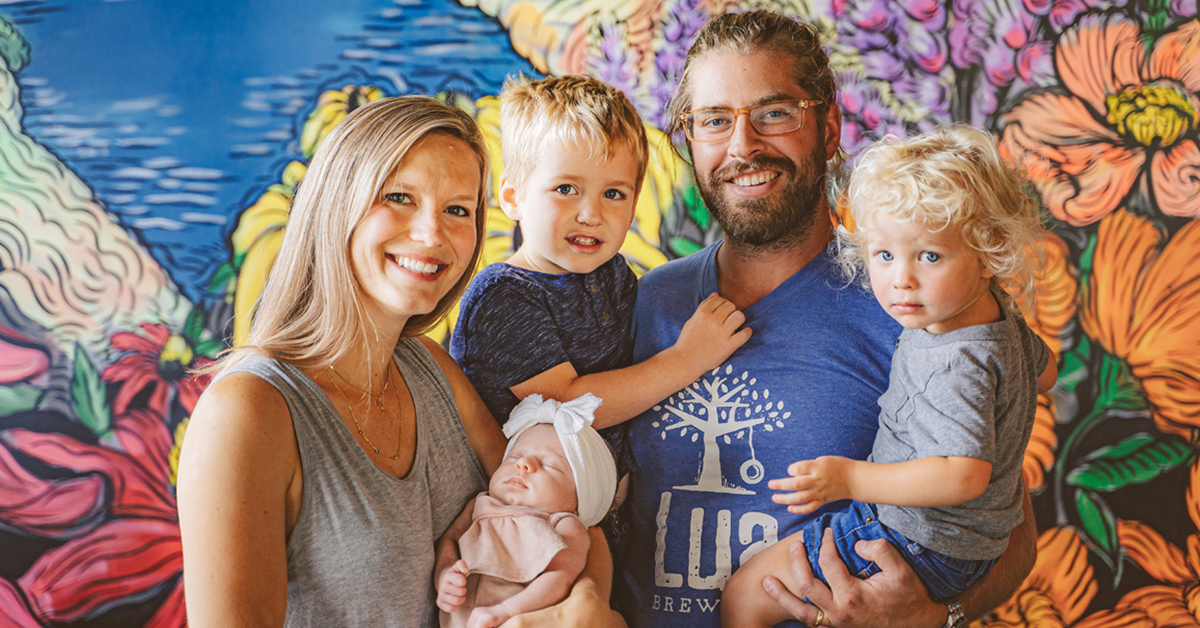
The craft beer industry, long characterized by its grassroots beginnings and male-dominated taprooms, is undergoing a profound cultural and structural transformation. At the forefront of this shift is a growing cohort of women who are simultaneously navigating the complexities of early motherhood and the high-stakes demands of brewery ownership. As the industry matures into a $28.4 billion market in the United States alone, leaders like Whitney Selix of Lua Brewing, Lindsey Mrav of Grain & Grit Beer Co., and Amanda McLamb of Resident Culture Brewing are moving beyond traditional business models to integrate family life, advocacy, and community-centric hospitality into the core of their operations.
The Evolution of the Female Entrepreneur in Craft Beer
For decades, the image of the craft brewer was largely synonymous with a specific demographic. However, data from the Brewers Association indicates a steady rise in female participation across all levels of the industry. While women now make up approximately 24% of brewery owners, the subset of those who are also primary caregivers for young children represents a unique intersection of labor. This demographic is not only diversifying the workforce but is also fundamentally altering how breweries function as "third spaces"—social environments separate from the two usual social environments of home and the workplace.
The journey into the industry for many of these women began not with a career plan, but with a personal discovery of the craft’s complexity. For some, the fascination with fermentation and flavor profiles intensified during pregnancy—a period when alcohol consumption is restricted, yet the sensory appreciation for the beverage often deepens. This perspective shifted beer from a simple commodity to an intellectual and social pursuit, eventually leading to the establishment of some of the most respected breweries in their respective regions.
Case Study: Lua Brewing and the Integration of Family
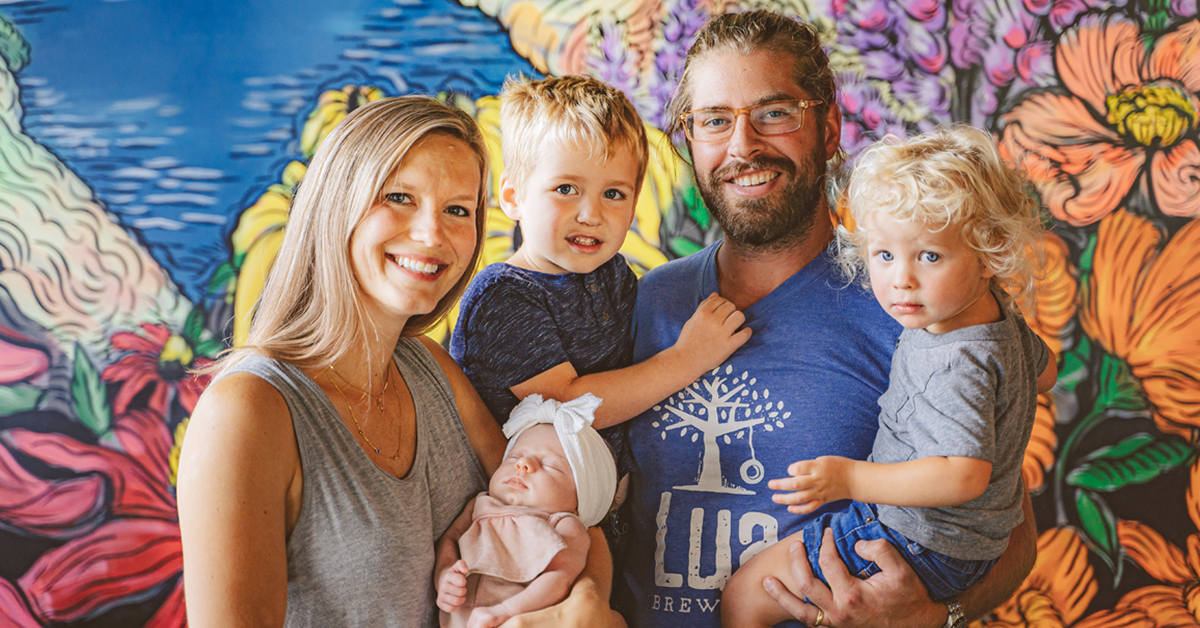
Whitney Selix, co-owner of Lua Brewing in Des Moines, Iowa, exemplifies the "dual-shift" reality of the modern brewery owner. Selix entered the industry immediately following her graduation from the University of Iowa, managing hospitality operations while her husband, Scott, focused on production. When Lua Brewing opened its doors in 2019, Selix was balancing the logistical nightmare of a startup with the physical demands of raising a newborn and a toddler.
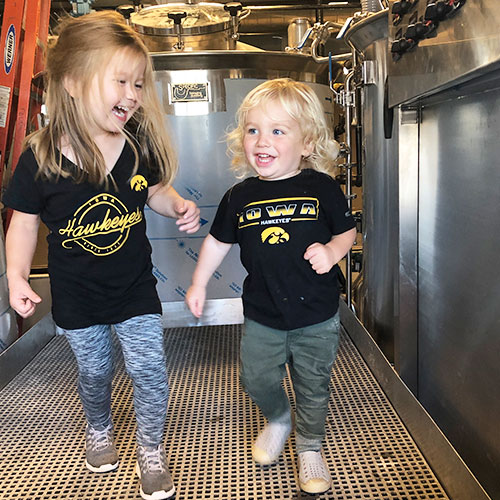
The integration of family was not a peripheral concern for Selix; it was a foundational element. During the initial hiring phases, Selix conducted staff interviews while nursing, and her children—now aged three, five, and seven—have essentially been raised within the walls of the brewery. This "brewery-as-home" environment has led to a distinctive brand identity for Lua. Selix has famously drawn inspiration from children’s media for product development, such as a piña colada sour inspired by the popular animated series Bluey.
Beyond branding, Selix has become a vocal advocate for systemic change within the hospitality sector. Recognizing the lack of traditional support structures for parents in the service industry—such as childcare that aligns with late-night shifts—she has implemented internal policies focused on flexible scheduling and parental leave. Her leadership style emphasizes empathy and "pivoting" under pressure, traits she credits directly to the rigors of motherhood.
The "Mom and Pop" Model in Hamilton: Grain & Grit Beer Co.
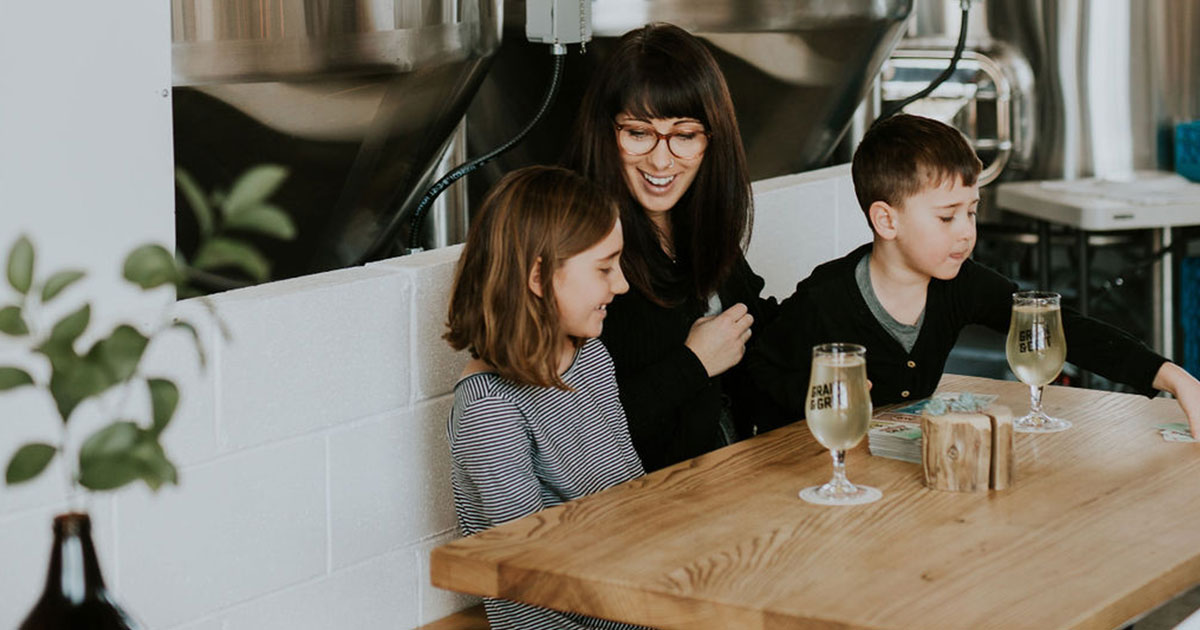
In Hamilton, Ontario, Lindsey Mrav and her husband Joe transformed a former automotive garage into Grain & Grit Beer Co. in 2017. Their transition from graphic design and mechanical engineering into professional brewing was marked by the relentless schedule of raising children aged four and seven at the time of the launch.
Mrav’s approach to brewery ownership focuses on the sociological concept of the "third space." Under her direction, Grain & Grit has moved beyond being a simple taproom to becoming a community hub. By prioritizing events such as clothing swaps, vintage markets, and book clubs, Mrav has deliberately targeted a demographic that is often overlooked in traditional bar settings: mothers seeking social connection without the prerequisite of "baby-centric" activities.
The economic implications of this model are significant. By creating an inclusive environment, breweries like Grain & Grit tap into a loyal local consumer base that values community engagement over high-volume consumption. Mrav also emphasizes the importance of internal culture, ensuring that her small team has the flexibility to manage their own family commitments, thereby reducing turnover in an industry known for high burnout rates.
Resident Culture Brewing: Belonging and Cultural Identity
Amanda McLamb’s entry into the Charlotte, North Carolina, beer scene in 2017 was a simultaneous baptism into business ownership and motherhood. Opening Resident Culture Brewing while her daughter was only five months old, McLamb utilized her background in food writing and real estate to navigate the complexities of urban redevelopment and brand positioning.
The name "Resident Culture" serves a dual purpose. In a biological sense, it refers to the wild yeast and bacteria essential for fermentation; in a social sense, it refers to the people—employees, families, and neighbors—who define the space. McLamb, whose grandparents immigrated from China, has used the brewery to celebrate her heritage, hosting some of Charlotte’s largest Lunar New Year celebrations. This initiative reflects a broader trend in craft beer where taprooms serve as platforms for cultural education and inclusivity.
McLamb has been transparent about the difficulties of leadership, particularly during the COVID-19 pandemic when she made the preemptive decision to close the taproom to protect her staff and family. Her philosophy, summarized by the brewery’s slogan "Where Your Weird Is Welcome," highlights a move toward authentic leadership where the personal and professional are no longer strictly bifurcated.
Chronology of a Shifting Landscape
To understand the impact of these leaders, one must look at the timeline of the industry’s evolution over the last decade:
- 2012–2016: The "Craft Beer Explosion" sees the number of U.S. breweries double. The industry remains heavily male-centric, focusing on high-ABV IPAs and industrial aesthetics.
- 2017: A pivotal year for female-led startups. Both Grain & Grit Beer Co. and Resident Culture Brewing open, signaling a shift toward community-focused, family-friendly taproom designs.
- 2019: Lua Brewing opens in Des Moines, further cementing the trend of "family-first" brewery operations in the Midwest.
- 2020–2022: The global pandemic forces breweries to rethink their business models. Female owners lead the way in implementing safety protocols and diversifying revenue streams through e-commerce and local distribution.
- 2023–Present: The rise of "Third Space" advocacy. Breweries are increasingly recognized not just as alcohol manufacturers, but as vital community infrastructure.
Industry Data and Economic Impact
The influence of women in the brewery sector is supported by emerging economic data. According to recent consumer research:
- Market Demographics: Women aged 21–34 now account for a significant portion of craft beer growth, with many citing "atmosphere" and "community values" as primary drivers for brewery visits.
- Employment Trends: Breweries that offer flexible scheduling and family-friendly policies report higher employee retention rates, a critical factor in an era of labor shortages.
- Local Tourism: "Family-friendly" breweries often serve as anchors for local tourism, attracting a wider range of visitors than traditional bars, which in turn boosts local tax revenues and adjacent small businesses.
Analysis: The Broader Implications for Hospitality
The stories of Selix, Mrav, and McLamb are not merely anecdotes of individual success; they are indicators of a broader shift in the hospitality industry. By refusing to separate their identities as mothers from their roles as CEOs, these women are challenging the "hustle culture" that has historically dominated the startup world.
The implications for the future are twofold. First, there is a clear move toward "holistic hospitality," where the needs of the staff (in terms of childcare and work-life balance) are treated with the same priority as the needs of the customer. Second, the "family-friendly brewery" is becoming a standard rather than an exception. This shift is expanding the market reach of craft beer, ensuring its sustainability in an increasingly competitive beverage landscape.
As the industry continues to professionalize, the leadership lessons gleaned from motherhood—patience, empathy, and the ability to manage chaos—are proving to be essential assets. These women are proving that a brewery can be both a world-class production facility and a sanctuary for the next generation, one pint and one "Bluey" episode at a time. The legacy they are brewing is one of inclusivity, where the "weird" is welcome, the family is central, and the beer is merely the catalyst for a much deeper sense of belonging.