
 admin
admin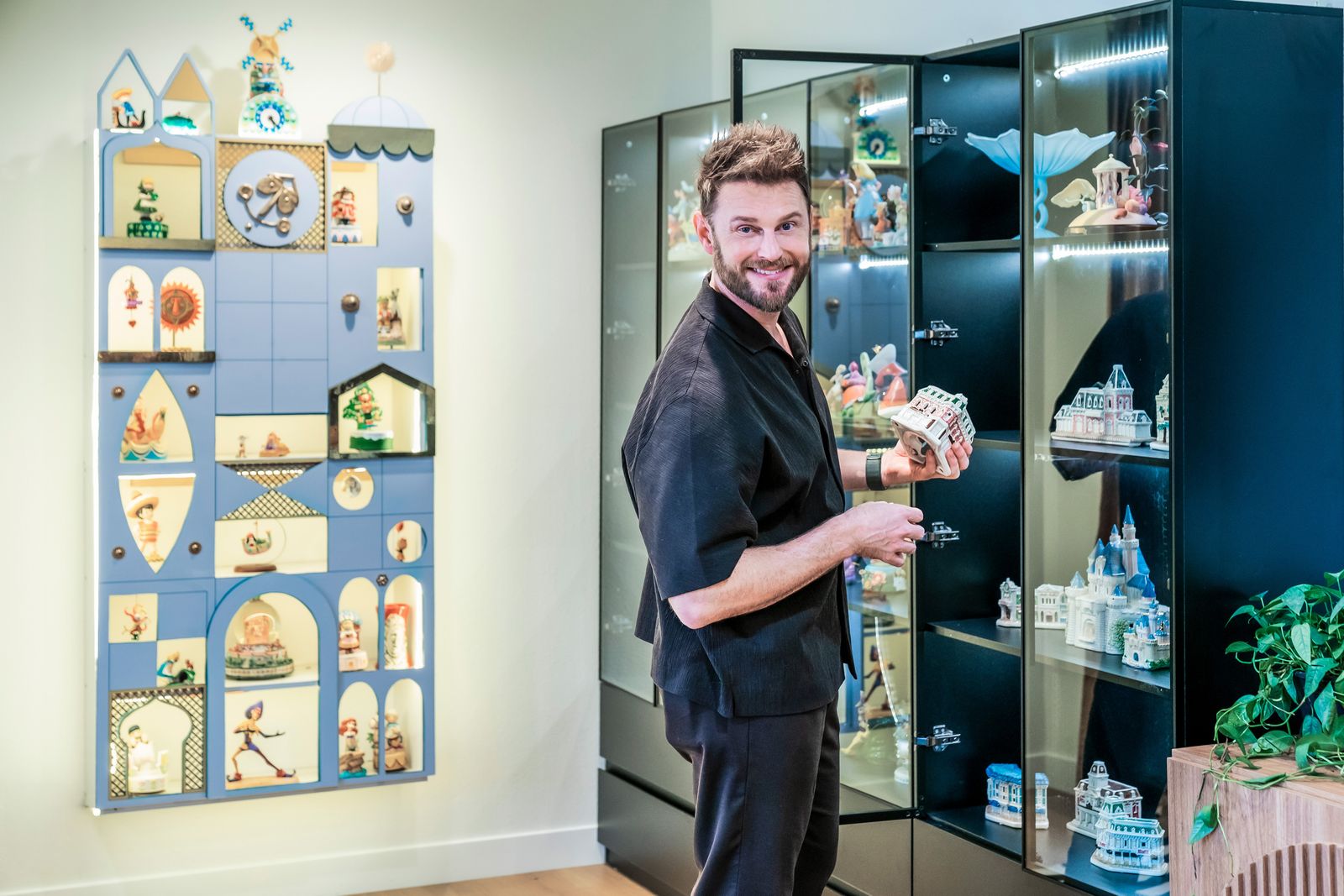
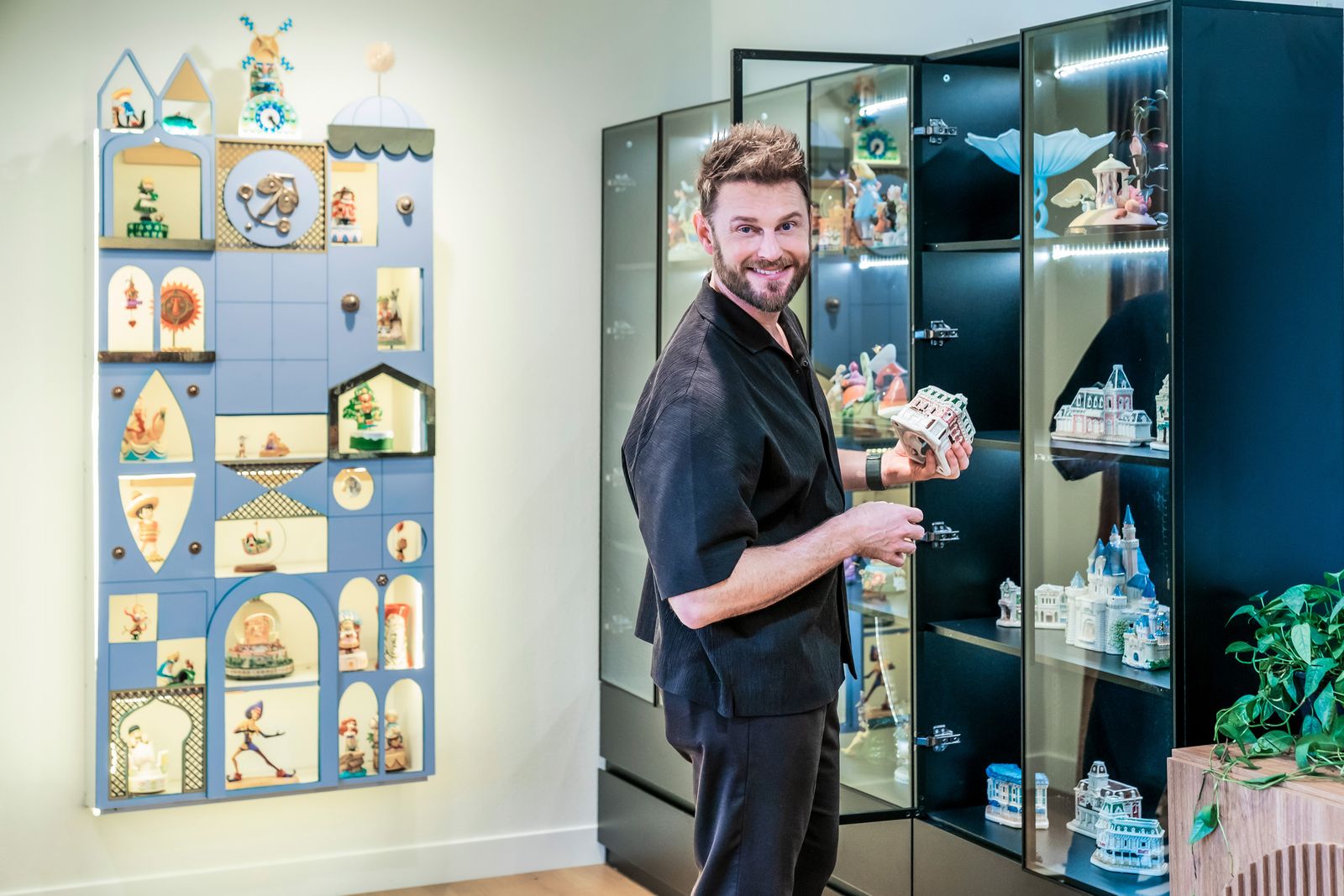
Interior designer Bobby Berk, widely recognized for his transformative work on Netflix’s Queer Eye, has embarked on a new venture with HGTV’s Junk or Jackpot, which premiered in December 2025. The show, which recently concluded its first season, seeks to address the pervasive issue of homes overwhelmed by extensive personal collections. Berk’s mission on the program is to assist niche collectors in decluttering and redesigning their living spaces, integrating custom storage and display solutions while also requiring participants to sell a portion of their cherished items to fund the renovations. This unique premise, blending interior design with the often-complex emotional attachment to possessions, held significant promise given Berk’s established reputation for empathy and deep understanding of how personal spaces reflect internal struggles. However, critical reception has highlighted a significant challenge: the show’s 30-minute runtime is proving insufficient to adequately explore the profound emotional narratives embedded in each participant’s journey, leaving many viewers and critics desiring a more nuanced and substantial portrayal.
Bobby Berk’s Enduring Legacy and Evolving Career Path
Bobby Berk first captivated audiences as the design expert within the "Fab Five" on Netflix’s immensely popular reboot of Queer Eye. His approach to transforming living spaces went far beyond mere aesthetics; it was deeply rooted in understanding the psychological connection between an individual’s environment and their well-being. Berk’s relentless energy, often underscored by a subtle undercurrent of sadness, resonated with viewers. His personal history, revealed in Season Two of Queer Eye, shed light on his profound empathy: as a runaway who was shunned by his ultra-religious family after coming out, Berk intimately understood the feeling of alienation and the desire to create a safe, nurturing home. This background informed his meticulous care and attention to detail in revamping the "heroes’" spaces on Queer Eye, many of whom faced internal struggles that manifested in their cluttered or unwelcoming homes. For Berk, interior design was not just about furniture and wallpaper; it was a conduit for personal healing and empowerment, a raison d’être that transcended the superficial.
After eight successful seasons, Berk announced his departure from Queer Eye in 2023, a decision that prompted widespread discussion among fans and media outlets alike. While specific reasons for his exit were not extensively detailed beyond a desire for new challenges and a demanding schedule, the move signaled a pivotal shift in his career trajectory. His subsequent move to HGTV with Junk or Jackpot was met with anticipation, as it appeared to align perfectly with his established brand of emotionally intelligent design. The concept—helping individuals reclaim their homes from the tyranny of their possessions—seemed a natural evolution of his work on Queer Eye, where clearing physical clutter often mirrored the clearing of emotional baggage.
Junk or Jackpot: A Promising Premise Confronts Format Constraints
Junk or Jackpot positions Berk at the intersection of design and de-cluttering, focusing on individuals whose passions for collecting have inadvertently consumed their living spaces. The show’s central mechanism is innovative: participants must sell a portion of their collections, often rare or valuable items, to finance the proposed renovations. This process, which involves expert appraisals and difficult decisions, is intended to be both financially practical and psychologically transformative. For the six collectors featured in the first season, their overflowing closets, living rooms, and bedrooms had become genuine impediments to leading full and comfortable lives. The series aims not only to design custom spaces for the remaining, beloved items but, more importantly, to empower participants to regain control over their homes and, by extension, their lives.
The narratives presented across the season underscore the deep personal connections to these collections. One episode featured a couple grappling with a Disney ephemera collection so vast that one partner felt there was no room left for them in the house, leading to their temporary departure. Another highlighted a couple whose extensive vinyl collection had rendered their common areas unusable, preventing them from enjoying the very music they loved. Other stories included a singleton with an expansive Wonder Woman collection, a couple who filled their home with sci-fi action figures and vintage video games after believing they couldn’t have children, only to be surprised by a son years later, and a woman who turned to collecting dolls during cancer treatment, now finding her home too full to host her grandchildren post-remission. These stories reveal that the collections, while born of passion, often masked deeper emotional needs or life circumstances.
The Psychological Underpinnings of Collecting and Consumer Culture
The show subtly touches upon the fine line between passionate collecting and compulsive accumulation. While none of the individuals are explicitly portrayed as hoarders, the overwhelming nature of their possessions points to a complex relationship with objects. This dynamic resonates with the psychoanalytic theories of Jacques Lacan, particularly his philosophy of desire, which posits that humans operate under a fundamental sense of lack or incompleteness. We embark on a lifelong quest to fill this void, often through external means. Collecting, in this context, can be seen as an attempt to achieve a sense of wholeness or to hold onto aspects of self, such as youth, power, or a connection to a past loved one. The act of acquiring can bring temporary joy, but the inherent inability to ever truly "complete" oneself through objects often leads to an ongoing cycle of yearning and potential despair.
This Lacanian framework suggests that our broader consumer culture is, in many ways, built upon this very premise: the belief that the next purchase will finally bring satisfaction and completeness. While most home renovation shows shy away from such profound psychological explorations, Junk or Jackpot seemed uniquely positioned to delve into this "messiness" by pairing Berk’s compassionate approach with these relatable, albeit often uncomfortable, truths about human desire. The potential for a refreshing take on the genre was immense, offering a glimpse into the emotional burdens that can drive excessive acquisition.
The Critical Shortcoming: A Rushed Narrative
Despite its compelling premise and Berk’s proven ability to connect with subjects on a deep emotional level, Junk or Jackpot‘s inaugural season has been widely critiqued for its insufficient runtime. A mere 30 minutes per episode forces a lightning-fast pace that glosses over the rich, complex narratives begging for deeper exploration. The typical episode structure involves a rapid introduction to the collectors and their overwhelmed homes, a quick presentation of Berk’s design proposals, a hurried segment on sifting through precious objects for sale, a rushed renovation montage, and finally, the "move-that-bus" moment—the interior unveiling and the participants’ reactions.
This compressed format leaves crucial emotional context regrettably underdeveloped. Information regarding the "why" behind these extensive acquisitions often appears as fleeting on-screen text, akin to "VH1 Pop-up Video" captions, rather than being organically woven into the narrative through dialogue and character development. This superficial treatment stands in stark contrast to the depth and nuance audiences have come to expect from reality television, particularly in the wake of shows like Queer Eye, which demonstrated the power of extended, empathetic storytelling. The result is a series that, while offering interesting objects and thoughtful design solutions, ultimately leaves viewers feeling unfulfilled, desiring more emotional substance.
For example, the final episode of the season, featuring Hailie, a stylist whose living room was filled with racks of vintage designer clothing, presented a poignant narrative ripe for deeper exploration. Hailie’s collection had expanded significantly after she inherited her mother’s colorful womenswear following her death. Her girlfriend, who had recently moved in, felt there was no space for her, and Hailie admitted the collection had ruined past relationships. While Berk facilitated a renovation that included two large storage closets in a formerly unfinished garage studio and a stylish living room revamp to make the home more welcoming, a critical observation was made: Hailie never addressed her mother’s clothing. This missed opportunity to delve into the complex interplay of grief, memory, and material possessions—the possibility that the collection served as a means to keep her mother alive, thereby hindering new relationships—highlights the show’s format limitations. The somber drama and subtle sadness that defined Berk’s empathetic approach on Queer Eye, and which would have been a perfect companion to understanding a collector filling a void with surplus, simply had no room to breathe within the half-hour slot.
Industry Implications and Evolving Audience Expectations
The reception of Junk or Jackpot serves as a barometer for evolving audience expectations within the home renovation reality-fantasy genre. Historically, HGTV has excelled at delivering fast-paced, aspirational content focused primarily on aesthetic transformations and practical solutions. Shows like House Hunters, Fixer Upper, and Love It or List It have largely adhered to this model, offering viewers quick gratification through visual makeovers. However, the immense success of Queer Eye, which debuted in 2018 and quickly became a cultural phenomenon, recalibrated the bar for what a renovation show could achieve. Queer Eye demonstrated that interior design, alongside fashion, grooming, food, and culture, could be a powerful catalyst for profound personal and emotional growth. It taught audiences to expect not just a new kitchen or living room, but a deeper understanding of the "hero’s" journey, their vulnerabilities, and their triumphs.
This shift has created a segment of viewers who are no longer satisfied with superficial transformations. They seek shows that acknowledge the psychological weight of our living spaces and the emotional stories embedded within our possessions. Junk or Jackpot‘s concept inherently taps into this deeper potential, aiming to merge the "Antiques Roadshow"-style appraisal of valuable objects with the personal transformation of a home renovation show. While it delivers on the former, showcasing interesting artifacts and their market values, and offers thoughtful interior design choices, it falls short on the latter, sacrificing the emotional depth required to truly connect with the participants’ struggles and victories.
The challenge for networks like HGTV, and for talented hosts like Bobby Berk, lies in finding a format that can accommodate this demand for richer storytelling. A 30-minute episode, while efficient for programming schedules, appears inadequate for tackling subjects as intricate as the psychological motivations behind collecting, the emotional pain of parting with cherished items, and the profound impact of regaining control over one’s personal space. These are not merely individuals looking to update their decor; they are complicated hobbyists and individuals whose belongings have become intertwined with their life stories, and they are yearning to reclaim their own narratives. Interior design, as Berk has consistently shown, can be a powerful avenue for telling these difficult tales, but only if given the necessary time and space to unfold authentically.
In conclusion, while Junk or Jackpot offers glimpses of Bobby Berk’s signature empathy and design acumen, its compressed format ultimately constrains its potential. It underscores a growing tension in reality television between the desire for quick, digestible content and the audience’s increasing appetite for nuanced, human-centric narratives. For Berk’s future endeavors, and for the home renovation genre as a whole, the lesson from Junk or Jackpot‘s first season seems clear: profound transformations, whether of spaces or of selves, require more than just a half-hour slot; they demand the time and emotional investment that truly resonate with a discerning and empathetic viewership.