 admin
admin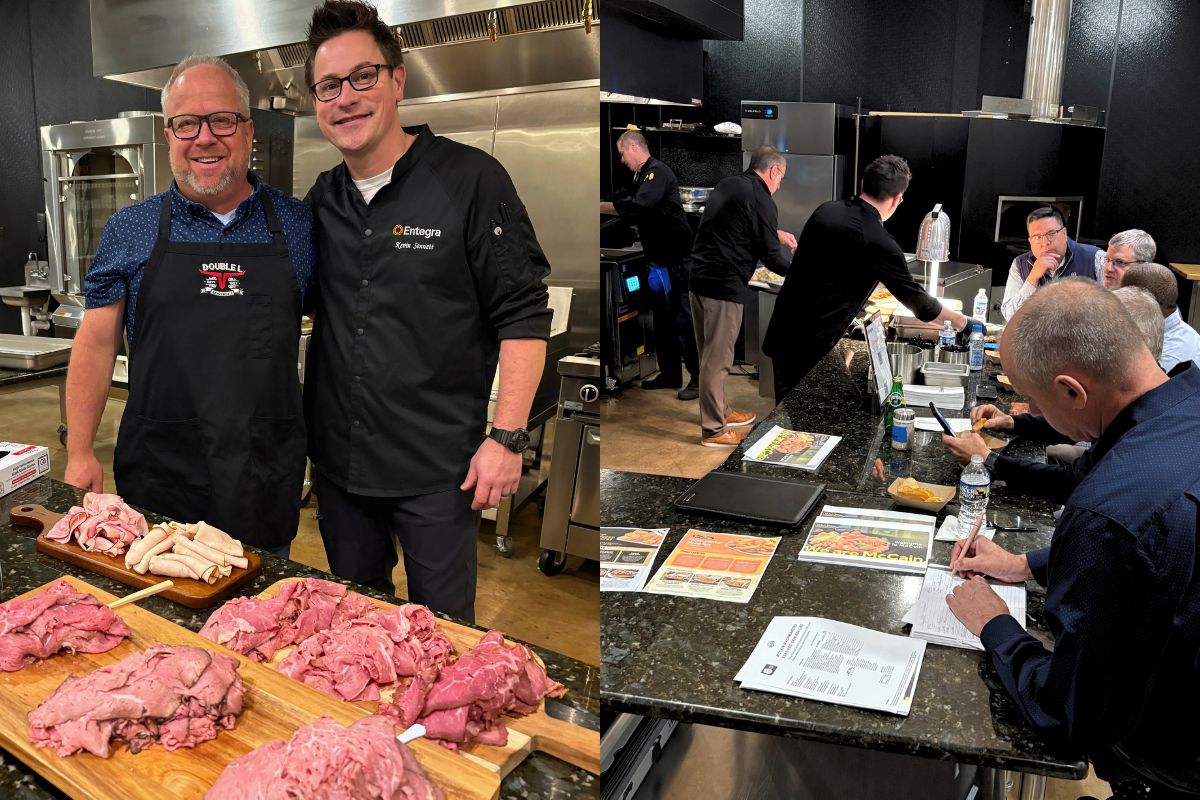
In an era of unprecedented volatility within the global supply chain, the hospitality industry is facing a dual mandate: maintaining the high culinary standards that define a brand while aggressively managing the escalating costs of raw ingredients. For Margaritaville, a hospitality titan managing over 30 distinct concepts ranging from casual dining to luxury resorts, this challenge has shifted from a background operational concern to a primary strategic focus. By partnering with Entegra’s Performance Kitchen (EPK), Margaritaville has successfully utilized a rigorous, blind-testing methodology to identify ingredient "swaps" that not only safeguard profit margins but, in many cases, enhance the sensory quality of their menu offerings. This data-driven approach comes at a critical juncture for the industry, as restaurant operators nationwide grapple with the most significant inflationary pressures seen in decades.
The Economic Context: A Challenging Landscape for Operators
The urgency behind Margaritaville’s initiative is mirrored across the broader foodservice sector. According to Datassential’s Foodservice Industry Trends 2026 report, more than 70 percent of restaurant operators identify food costs as their single greatest operational challenge. This statistic underscores a period of intense pressure where traditional cost-saving measures—such as simple price hikes—are becoming less viable due to consumer price sensitivity.
In the current market, the cost of core commodities including proteins, dairy, and oils has fluctuated wildly. Furthermore, labor shortages have increased the "true cost" of ingredients; an item that is cheaper to purchase but requires extensive manual preparation may actually be more expensive than a premium, pre-prepped alternative when labor hours are factored into the equation. For a brand like Margaritaville, which operates at a massive scale across diverse geographic regions, even a minor fluctuation in the price of a staple ingredient can result in millions of dollars in annualized margin erosion.
To combat these forces, Margaritaville sought a solution that moved beyond traditional procurement. The goal was not merely to find the cheapest supplier, but to find the most efficient product that maintained the brand’s identity and guest experience.
The Entegra Performance Kitchen: A Scientific Approach to Culinary Evaluation
To achieve a truly objective assessment of their menu, Margaritaville’s leadership turned to Entegra’s Performance Kitchen (EPK). The EPK is a specialized, hands-on culinary facility designed to strip away brand bias and marketing influence, allowing culinary professionals to focus strictly on performance, flavor, and operational impact.
Tom Kempsey, Vice President of Culinary Operations at Margaritaville, emphasized the need for a controlled environment. "We wanted a blind, real-world validation of product quality and performance under real kitchen conditions without the distractions that come with testing in our own restaurants," Kempsey stated.
The testing environment at EPK is designed to replicate the stresses of a high-volume commercial kitchen. This allows brands to see how a product behaves not just on a chef’s tasting plate, but after sitting under a heat lamp, being transported in a delivery container, or being cooked by a line cook during a peak dinner rush. By removing the labels and brand names, the culinary team can make decisions based on empirical evidence rather than long-standing supplier relationships or preconceived notions about specific brands.
A Chronology of the Optimization Process
The collaboration between Margaritaville and Entegra followed a structured, multi-phase timeline designed to ensure that no stone was left unturned in the pursuit of efficiency.
Phase I: Identification and Selection
Kempsey and his culinary team began by identifying a "basket" of high-impact products. These included both existing staples currently used across Margaritaville’s concepts and potential new alternatives sourced by Entegra’s procurement experts. The selection focused on high-volume items where even small per-unit savings would yield significant aggregate returns.
Phase II: The Product "Cutting"
Several weeks after the initial identification, the Margaritaville team arrived at the EPK for a formal "product cutting." This session was the heart of the analytical process. Entegra’s culinary staff prepared Margaritaville’s menu items 100 percent to specification. Crucially, they also prepared variations of these items using alternate ingredients or different pieces of equipment.
The testing was conducted entirely "blind." Kempsey and his team evaluated the products based on:
- Visual Appeal: Texture, color, and plating consistency.
- Sensory Experience: Flavor profile, aroma, and mouthfeel.
- Cook Performance: Yield percentages, shrinkage, and moisture retention.
- Labor Impact: The time and skill level required to move the product from storage to the guest’s table.
Phase III: Data Synthesis and Recommendations
Following the physical testing, Entegra provided a comprehensive summary of findings. This was not merely a list of preferences, but a data-backed report detailing the cost-to-quality ratio of each tested item. The report included recommended next steps, highlighting which swaps could be made immediately with no discernible change to the guest experience.
Immediate Results and Gradual Rollouts
The results of the blind testing were immediate and actionable. Upon concluding the cutting, Margaritaville identified approximately seven items that could be swapped across their system immediately. These were products where the alternate version either matched or exceeded the quality of the current spec while offering a lower cost basis.
"Making these swaps would improve quality, strengthen value perception, and, as a bonus, reduce cost so we could keep menu pricing in line," Kempsey explained.
Beyond the immediate changes, the team flagged more than a dozen additional opportunities for improvement. These "secondary" swaps involve more complex integration—perhaps requiring changes to kitchen equipment or more extensive training for staff—and are scheduled for a gradual rollout over the coming fiscal year. This phased approach ensures that the kitchen staff at various concepts are not overwhelmed by too many changes at once, thereby protecting operational consistency.
The Strategic Importance of Transparency in Franchising
For a brand like Margaritaville, which operates a significant number of franchised locations, the ethics of procurement are as important as the economics. Franchisors have a fiduciary and moral responsibility to provide their partners with the best possible supply chain solutions without hidden overhead.
Kempsey highlighted transparency as the primary reason Margaritaville chose Entegra over other competitors. "As a franchisor, we need to be able to look our partners in the eye and know we’re advocating for them every day without hidden agendas, costs, or side deals," he said.
In many traditional procurement models, "rebates" or "side deals" can cloud the true cost of goods, sometimes leading to friction between franchisors and franchisees. By using Entegra’s "open books" model, Margaritaville can demonstrate to its franchisees that every ingredient swap is made with the sole intention of improving the unit-level P&L (Profit and Loss) and the guest experience. This builds a culture of trust that is essential for long-term brand health.
Analysis of Implications: The Future of Menu Engineering
The success of the Margaritaville-Entegra partnership signals a broader shift in how major hospitality brands approach menu engineering. We are moving away from an era of "set it and forget it" menus toward a model of continuous, data-driven refinement.
Quality as a Competitive Moat
In the casual dining and "polished casual" segments, quality is the primary differentiator. If a brand cuts costs by sacrificing flavor, they risk a "death spiral" where declining guest counts lead to further cost-cutting. The Margaritaville case study proves that by using sophisticated testing environments, brands can actually increase quality while decreasing costs. This is achieved by finding "hidden gems" in the supply chain—products that may come from smaller manufacturers or utilize different processing methods that perform better in a commercial kitchen environment.
Supplier Accountability
Blind testing also places a new level of accountability on suppliers. When a brand makes decisions based on blind performance rather than brand loyalty, suppliers are incentivized to innovate and maintain high standards. It levels the playing field, allowing superior products to win on merit rather than marketing budget.
Operational Consistency
One of the most significant, yet often overlooked, benefits of the EPK process is the improvement of operational consistency. By testing products under "real kitchen conditions," Margaritaville ensures that the items they select are "idiot-proof" or "stress-proof." If a product performs well in a lab but fails when a line cook is in the weeds, it is not a viable swap. The EPK helps filter out these operational liabilities before they reach the restaurant floor.
Conclusion: A Never-Ending Story of Improvement
For Tom Kempsey and the Margaritaville team, the work performed at the Entegra Performance Kitchen is not a one-time event, but the beginning of a permanent operational philosophy. "In our world, it is truly a never-ending story," Kempsey noted. "There’s never a point where we say, ‘Good enough.’ There’s always room to execute better and improve taste, flavor, and texture."
As the hospitality industry continues to navigate a landscape defined by high costs and discerning consumers, the ability to test, improve, and execute at a higher level will separate the market leaders from those who struggle to stay relevant. By embracing the "why" behind every ingredient and prioritizing transparency with their partners, Margaritaville has established a blueprint for how modern hospitality brands can protect their margins without ever losing their flavor.
The partnership between Margaritaville and Entegra serves as a testament to the power of culinary science and data-driven procurement. In the pursuit of being "the very best," the brand has shown that even in a challenging economy, the path to profitability is paved with quality, consistency, and the courage to challenge the status quo through objective testing.