 admin
admin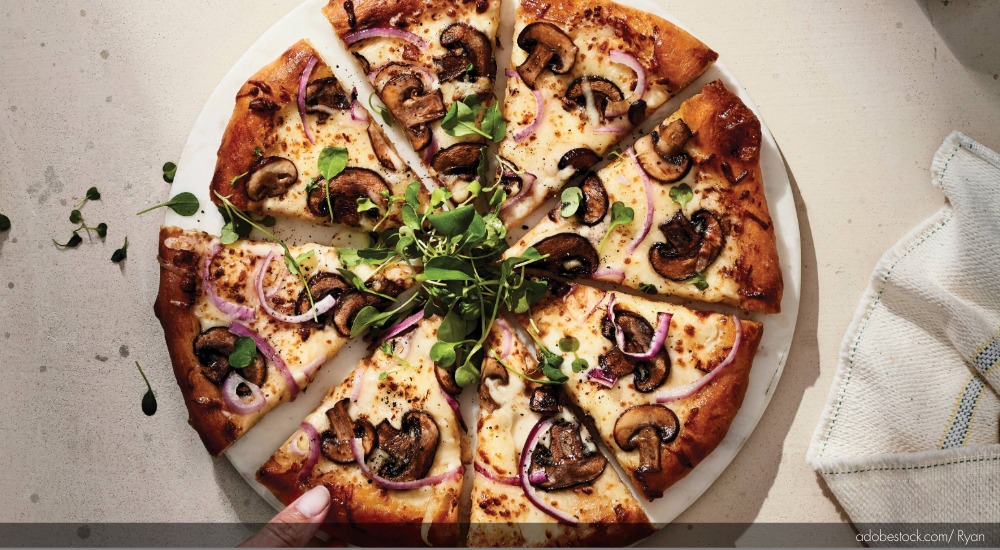
The culinary landscape of the United States, while diverse, has long been dominated by a singular fungal star: the white button mushroom. Comprising approximately 90% of all mushrooms consumed domestically, Agaricus bisporus in its youthful, pale form reigns supreme for compelling reasons. Its robust nature allows it to endure refrigerated storage, its firm texture withstands the rigors of a fast-paced kitchen environment, and its mild, adaptable flavor profile appeals to a broad spectrum of American palates. This versatility has cemented its status as a staple, particularly in the realm of pizza, where it consistently ranks among the most favored toppings, whether applied fresh, par-baked, or sautéed to enhance its inherent savory notes.
However, the white button mushroom is merely one stage in the fascinating life cycle of Agaricus bisporus. It represents the unopened, immature form of the species. As this fungi matures, its cap expands and darkens, transforming into the brown cremini, often affectionately known as "baby bella." Further maturation leads to the large, robust portobello, characterized by its wide, meaty cap and visible gills. Understanding this developmental continuum offers chefs and home cooks a spectrum of textures and intensified flavors derived from the same foundational species, allowing for nuanced culinary applications.

Beyond the ubiquitous Agaricus bisporus, a vibrant and expanding world of specialty mushrooms is gaining prominence, driven by increasing consumer sophistication and a growing appreciation for diverse flavors and textures. This shift is not just a trend but a reflection of broader culinary evolution and a renewed focus on ingredients that offer both gastronomic delight and potential health benefits. Regardless of the specific variety a dish demands, mastering the fundamentals of selecting, cleaning, and storing mushrooms is paramount to ensuring optimal flavor, texture, and longevity. Insights from authoritative sources like the Missouri-based Mushroom Council provide invaluable guidance for achieving consistently high-quality fungal preparations.
The Rise of Specialty Fungi: Market Dynamics and Culinary Innovation
While the white button mushroom continues to hold a significant market share, the demand for more exotic and gourmet varieties has surged over the past decade. This phenomenon is supported by industry reports, such as insights from the Pizzeria Industry Trends Report, which highlight mushrooms as the third most popular pizza topping overall and indicate a growing willingness among U.S. pizzerias to experiment with diverse fungi beyond the traditional button variety. This experimentation extends not only to pizzas but also to salads, appetizers, and main courses, signaling a broader acceptance and desire for unique flavor profiles.
Several factors underpin this culinary expansion. The increasing awareness of umami, often described as the fifth basic taste, has drawn attention to mushrooms as natural enhancers of savory depth in dishes. Furthermore, the burgeoning popularity of plant-based and flexitarian diets has positioned mushrooms as excellent meat substitutes, offering satisfying textures and robust flavors without animal products. Health consciousness also plays a role, with many specialty mushrooms celebrated for their purported nutritional and functional benefits, ranging from immune support to cognitive enhancement. This confluence of factors has encouraged chefs and consumers alike to venture beyond familiar territory and explore the rich diversity of the fungal kingdom.

Innovators in the restaurant sector are leading this charge. Mellow Mushroom, for instance, showcases its "Holy Shiitake" pizza, a creative combination of roasted shiitake, button, and portobello mushrooms, elegantly finished with a drizzle of black truffle oil. Similarly, Heights Pizzeria, a Neapolitan establishment in Little Rock, Arkansas, has featured specials incorporating less common varieties like lion’s mane and oyster mushrooms, also enhanced with truffle oil, demonstrating how these ingredients can elevate even traditional dishes. This trend underscores the importance for food service providers to stay abreast of mushroom varieties and their optimal culinary applications to keep menus fresh, exciting, and competitive.
Essential Fungi Fundamentals: Selection, Care, and Storage
Ensuring the quality and longevity of mushrooms begins with proper handling from the moment of purchase.
Selecting the Best Mushrooms
The visual and tactile assessment of mushrooms is crucial. Ideal fungi for cooking should exhibit a smooth, unblemished appearance and a firm, resilient texture. The skin of the mushroom caps should appear plump and dry, never slimy, which is a clear indicator of spoilage. While purchasing pre-sliced mushrooms can save valuable prep time in a busy kitchen, it is generally advisable only if there is absolute certainty that the inventory will be utilized within 72 hours. Sliced mushrooms degrade more rapidly than whole ones due to increased exposure to air. Therefore, slicing mushrooms as part of daily prep work at the start of a shift is the most reliable method to ensure customers receive the freshest possible product, maximizing both flavor and presentation.

Cleaning Mushrooms Effectively
Mushrooms are notoriously absorbent, a characteristic that dictates their cleaning protocol. Traditional methods of washing vegetables, such as prolonged soaking, are detrimental to mushrooms as they will readily absorb water, becoming waterlogged and diluting their flavor. For mature or "open-veil" mushrooms—those where the cap has separated from the stem, revealing the gills—a gentle wipe with a damp paper towel is usually sufficient to remove any lingering dirt or debris. "Closed-veil" mushrooms, where the cap remains tightly attached to the stem, can be lightly brushed off with a soft brush or quickly rinsed under cold running water, then immediately patted thoroughly dry with a paper towel. The key is minimal moisture exposure. If mushrooms sourced from a local farmers market or distributor present with tough or woody stems, such as those commonly found on shiitake mushrooms, these should be trimmed until only the firm, tender portion remains, as the woody parts can be unpalatable.
Optimal Mushroom Storage Practices
Proper storage is critical for extending the shelf life of fresh mushrooms. Whole, raw mushrooms can typically maintain their freshness for up to one week when stored correctly in a refrigerated environment. The best storage method involves keeping them in their original packaging, if breathable, or transferring them to a paper bag. This allows for adequate air circulation while absorbing any excess moisture the mushrooms might release. Conversely, plastic bags or cling wrap should be avoided, as they trap moisture, creating an environment conducive to accelerated spoilage and mold growth.
It is important to note that uncooked mushrooms generally do not freeze well due to their high water content, which can lead to an undesirable mushy texture upon thawing. However, sautéed mushrooms can be an excellent candidate for freezing. Once cooked, they can be packed into airtight containers or freezer bags and stored in the freezer for up to one month, offering a convenient option for future meal preparations. As with cleaning, the guiding principle for storage is to keep mushrooms away from unwanted moisture to preserve their texture and flavor.

A Culinary Compendium: Exploring Diverse Mushroom Varieties
The world of culinary mushrooms extends far beyond the familiar, offering a palette of flavors, textures, and aromas for the adventurous chef.
Beech Mushrooms (Hypsizygus tessellatus)
Often found growing in elegant clusters, or "bouquets," at the base of beech trees, these mushrooms are known for their tall, slender stems and small, white or brown caps. While they possess a slight bitterness when raw, cooking transforms them, bringing out a delicate sweetness and a satisfying crunch. Beech mushrooms are a staple in Asian cuisines, frequently starring in stir-fries and soups, where their texture holds up well. Their attractive appearance also makes them an excellent garnish for dishes like pasta and risotto.
Black Trumpet Mushrooms (Craterellus cornucopioides)
Revered for their intense, earthy, and often smoky flavor, black trumpets are sometimes dubbed the "poor man’s truffle" due to their potent aroma and comparable culinary impact, albeit at a significantly lower price point ($30-$40 per pound). Their deep, dark color can impart a unique hue to dishes, so caution is advised when incorporating them into lighter, cream-based sauces. Chefs often dry and grind black trumpets into a powder, using it as a concentrated seasoning to infuse a rich umami depth. Due to their strong flavor, a light hand is recommended, as excessive use can introduce a bitter note.

Button Mushrooms (Agaricus bisporus – Immature)
The quintessential mushroom, the humble white button is celebrated for its mild flavor and firm, almost crisp texture when raw. Upon sautéing, its character evolves, developing a tender texture and a distinct umami richness. Its versatility allows for various flavor enhancements: sautéing in bacon grease or Worcestershire sauce imparts a smoky depth, ideal for hearty dishes, while soy sauce can transform it for fusion cuisine, perhaps on a Thai chicken pizza.
Chanterelle Mushrooms (Cantharellus cibarius)
A true beauty of the fungal world, the chanterelle is recognized by its distinctive trumpet shape and vibrant yellow, orange, or white hue. Cooks prize it for its alluring fruity aroma, often likened to apricots, and its subtle peppery finish. The flesh is firm when raw, but these mushrooms are best enjoyed thoroughly cooked until fork-tender. Chanterelles also boast a longer shelf life than many other varieties, capable of being stored for up to 10 days in the refrigerator. A classic preparation involves simply sautéing them with butter, garlic, and a splash of white wine, allowing their unique flavor to shine.
Cremini Mushrooms (Agaricus bisporus – Mature)
Often referred to as "baby bellas," cremini mushrooms are essentially more mature white button mushrooms, distinguished by their brown caps and slightly firmer texture. This increased firmness makes them more robust and resilient during cooking compared to their younger counterparts. While they can be used interchangeably with button mushrooms, creminis offer a deeper, more pronounced earthy flavor, making them particularly well-suited for richer dishes like risotto or as the perfect size and flavor base for stuffed mushrooms.

Lion’s Mane Mushrooms (Hericium erinaceus)
This distinctive mushroom, resembling a cascading ball of white coral or a lion’s mane, has captured significant public attention in recent years, largely due to its purported health benefits related to metabolism and cognitive function. Its singular appearance is matched by a unique flavor and texture, often described as reminiscent of seafood, particularly crab or lobster. When cooking lion’s mane, it is crucial to slice it and cook it at high heat to encourage the release of its considerable water content (up to 95% by weight), ensuring a pleasant, firm texture.
Maitake Mushrooms (Grifola frondosa)
Known to foragers as "Hen of the Woods" due to its multi-lobed, ruffled appearance resembling a hen’s tailfeathers, maitake mushrooms typically grow at the base of oak trees. Fresh maitake should appear plump and hydrated, avoiding any dried-out sections. When cooked, maitake offers a satisfyingly chewy texture and a rich, earthy flavor that can be beautifully enhanced with a squeeze of fresh lemon juice, which brightens its profile.
Porcini Mushrooms (Boletus edulis)
A highly prized mushroom, porcinis are widely available in both fresh and dried forms, particularly in Italian cuisine. They are a popular addition to dishes like mushroom ravioli and pair exceptionally well with both red and white wines, demonstrating their versatility. Often served over pasta with a creamy sauce, porcinis can also be transformed into a delicious snack when cooked until crispy in a cast iron pan with olive oil, garlic, and chili flakes, offering a textural contrast and intense flavor.

Portobello Mushrooms (Agaricus bisporus – Fully Mature)
The fully mature form of the white button, the portobello is characterized by its large, thick, meaty cap and prominent, visible gills. Its substantial size and firm texture make it an excellent candidate for sandwiches, often serving as a popular vegetarian "burger" patty. Some national burger chains even stuff portobello caps with cheese and fry them, creating a rich, flavorful explosion. Unlike its smaller counterparts, the portobello benefits from specific preparation techniques: sprinkling the cap with salt and allowing it to sit for 30 minutes, or cooking it gills-side-down, can help draw out excess moisture, preventing a soggy result.
Shiitake Mushrooms (Lentinula edodes)
A favorite among chefs for its distinctive savory, woody flavor that deepens significantly upon cooking, shiitake mushrooms feature a smooth cap with visible gills underneath. Any stems that have become tough during transport or storage should be removed during the prep stage to ensure a tender eating experience. Shiitakes are incredibly versatile: marinated in soy sauce with herbs and then dehydrated, they transform into a flavorful jerky that can be broken into bits and sprinkled on salads, Asian fusion pizzas, or used as a unique garnish.
Truffles (Tuber species)
Truffles are subterranean fungi, highly coveted for their intense, pungent aroma and distinct earthy flavor, making them one of the most expensive culinary ingredients in the world. Varieties like black truffles (Tuber melanosporum) and white truffles (Tuber magnatum pico) are prized for their ability to imbue dishes with unparalleled complexity. Typically shaved thinly over pasta, risotto, eggs, or even pizza, their powerful flavor means only a small amount is needed to dramatically elevate a dish. Truffle oil and truffle salt are popular, albeit often synthetic, ways to mimic their elusive essence, making their unique taste more accessible.

Trumpet Mushrooms (Pleurotus eryngii – King Oyster; Pleurotus ostreatus – Oyster)
Often referred to collectively as oyster mushrooms, trumpet varieties (especially King Trumpet mushrooms) are known for their meaty texture and delicate, nutty flavor that intensifies beautifully when grilled. The flesh of these mushrooms can be shredded and doused in sauces to create sophisticated vegetarian sandwiches or tacos that stand a cut above typical meat substitutes. King trumpet mushrooms, in particular, are hearty enough to serve as a primary meat substitute; when sliced into thick medallions, their stalk remarkably resembles scallops in both appearance and texture, offering a compelling plant-based alternative.
Broader Implications for Gastronomy and Health
The expanding repertoire of culinary mushrooms holds significant implications for the food industry, consumer health, and sustainable practices. For restaurants and pizzerias, incorporating a wider array of fungi presents a distinct opportunity for menu differentiation, allowing establishments to cater to an increasingly adventurous and health-conscious clientele. Mushrooms naturally align with growing dietary trends, including vegan, vegetarian, and flexitarian diets, providing satisfying textures and rich umami flavors that can enhance or replace animal proteins. The examples of Mellow Mushroom and Heights Pizzeria illustrate how thoughtful integration of specialty mushrooms can elevate classic dishes and foster culinary innovation.
Beyond the plate, the interest in mushrooms extends into the wellness sphere. While this article focuses on culinary applications, the rise of "functional mushrooms"—varieties like reishi, chaga, and cordyceps, alongside the culinary lion’s mane—highlights a broader societal appreciation for fungi’s potential benefits. This crossover further solidifies mushrooms’ position as a valuable and versatile food source.

From a sustainability perspective, mushroom cultivation can be relatively low-impact, often utilizing agricultural waste products as substrates. This aspect, combined with their nutritional density and potential to reduce reliance on resource-intensive animal agriculture, positions mushrooms as an increasingly important component of a future-forward food system. The journey from the humble white button to the exotic truffle reflects not just an evolving palate but a deeper understanding and appreciation for the diverse and profound contributions of the fungal kingdom to human culture and sustenance.