
 admin
admin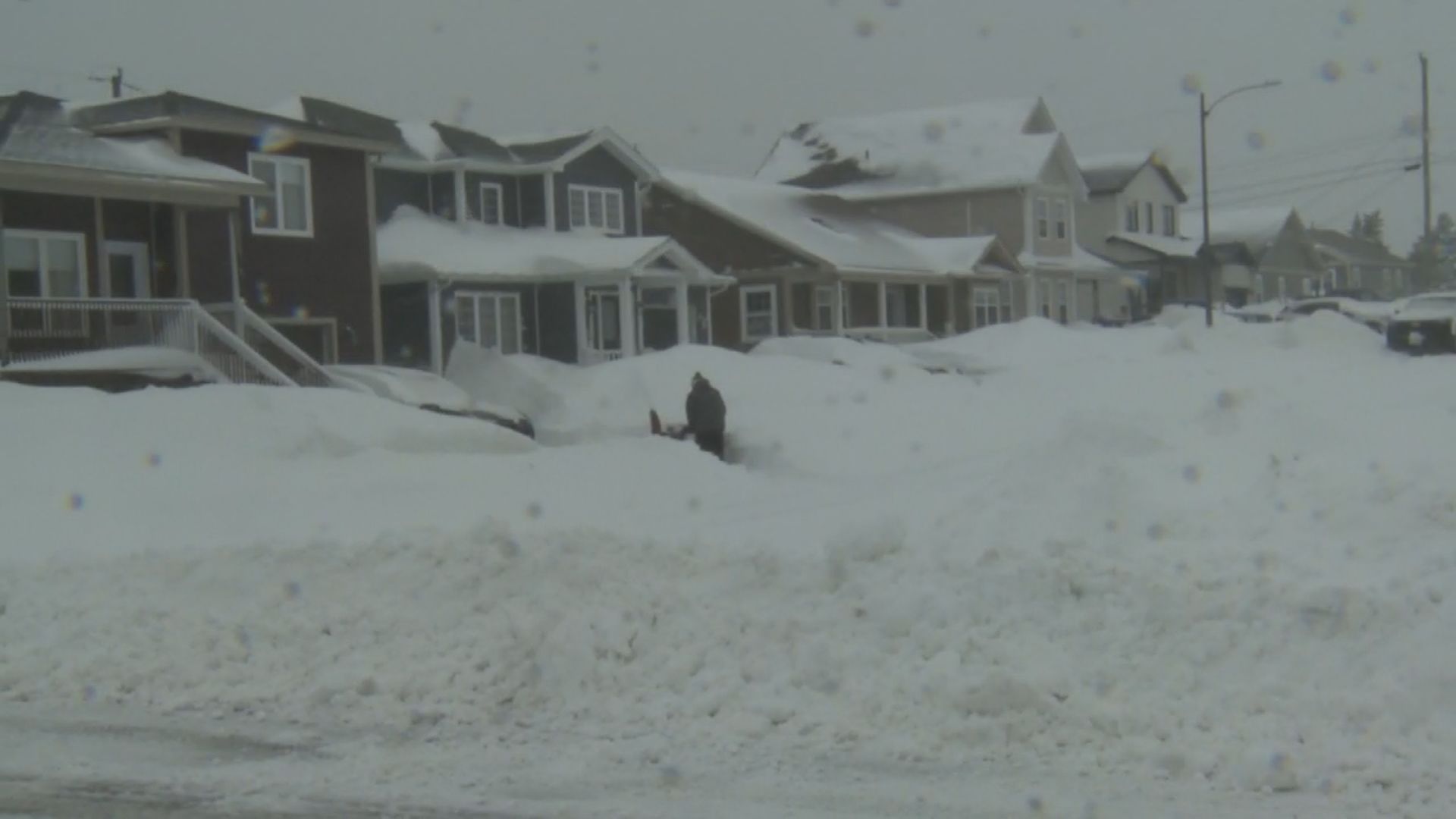
Atlantic Canada’s utilities and municipalities are locked in a protracted battle against another day of pervasive snow and formidable winds, forcing weather-weary residents back to their shovels for yet another exhaustive round of clearance. This latest system, impacting the region on February 23, 2026, exacerbates an already challenging winter, particularly for eastern Newfoundland, which has endured a barrage of consecutive storms.
Eastern Newfoundland Bears the Brunt: Over a Meter of Snow in Days
The Avalon Peninsula, home to Newfoundland and Labrador’s provincial capital, St. John’s, has been the epicentre of this severe weather. Environment Canada reports that back-to-back storm systems have collectively deposited more than 110 centimetres (over 43 inches) of snow on St. John’s within the past week alone. The situation is even more extreme in the nearby community of Paradise, a rapidly growing suburb of St. John’s, which has registered an astounding accumulation exceeding 150 centimetres (nearly 5 feet) in the same timeframe. These figures underscore a winter season of unusual intensity, pushing local infrastructure and resident resilience to their limits.
The sheer volume of snow, coupled with sustained high winds, has led to extraordinary drifting. By Sunday night, February 22, residents across St. John’s and surrounding areas took to social media platforms, posting desperate pleas for assistance. Images and videos circulated widely, depicting residential doors completely obscured by towering snowdrifts, and basement apartment entrances rendered impassable. The drifts, in many cases, exceeded the height of an average person, transforming familiar landscapes into an almost alien, white expanse. This not only created a significant inconvenience but also posed serious safety concerns, trapping some residents inside their homes and impeding access for emergency services.
St. John’s on Edge: Community Responds to Unprecedented Drifts
In response to the escalating conditions, the City of St. John’s issued a critical news release on Sunday night. While stopping short of declaring a full state of emergency, the city strongly urged its populace to remain indoors and avoid all non-essential travel. The advisory emphasized the hazardous road conditions and the overwhelming challenges faced by snow removal crews. "If travel cannot be avoided, drivers are asked to use extreme caution and allow extra time to reach their destination," the city statement read, underscoring the severity of the situation. City officials affirmed their commitment to closely monitoring the unfolding conditions, indicating a readiness to implement additional, more stringent measures should the situation further deteriorate. The reluctance to declare a state of emergency immediately, despite the obvious difficulties, suggested a strategic approach to resource management, aiming to reserve such declarations for truly critical junctures.

The impact extended beyond mere travel advisories. Municipal services were stretched thin. Snow plows, operating around the clock, struggled to keep main thoroughfares clear, with secondary roads often becoming impassable for extended periods. Emergency medical services faced delays in responding to calls, navigating choked streets and the sheer volume of snow. The community, however, demonstrated its characteristic resilience. Neighbours with snowblowers helped clear paths for those without, local volunteers organized efforts to dig out vulnerable residents, and online groups facilitated mutual aid, highlighting the strong sense of community spirit inherent in Newfoundland and Labrador. This informal network of support became a crucial complement to official municipal efforts, mitigating some of the immediate hardships.
Air Travel Halted, City Services Strained
The severe weather brought air travel to a standstill at St. John’s International Airport (YYT) on Monday morning, February 23. All flights were cancelled, leading to significant disruptions for passengers and airlines alike. The airport issued a public statement via social media, advising passengers to verify their flight status directly with their respective carriers. "Operations at YYT continue to be impacted by the recent significant snowfall," the airport’s message explained. "In order to safely resume operations, we need time to remove and manage snow from critical areas of the airport." This included not only runways and taxiways but also aircraft parking areas, service roads, and access points, requiring a massive logistical effort to ensure safe flight operations. The prolonged closure underscored the logistical complexities of managing such heavy snowfall at a major transportation hub.
The disruption at YYT had ripple effects, affecting regional travel and cargo movements. Businesses relying on air freight faced delays, and individuals with urgent travel plans were left stranded. The airport’s snow removal teams, equipped with specialized heavy machinery, worked tirelessly, but the continuous snowfall and high winds made their task exceptionally difficult, often negating progress almost as quickly as it was made.
Maritimes Brace for Impact: Widespread Warnings Issued
As eastern Newfoundland grappled with the aftermath of its consecutive storms, the nasty weather system began to roar into the rest of Atlantic Canada on Monday. Most of the Maritime provinces — Prince Edward Island (P.E.I.), Nova Scotia, and southern and eastern New Brunswick — were placed under a suite of winter storm and snowfall warnings by Environment Canada. Forecasts predicted significant accumulations, with between 15 to 25 centimetres (6 to 10 inches) of snow expected across much of these regions. However, the southeastern quadrant of Nova Scotia was bracing for an even more severe hit, with projections indicating a staggering 30 to 50 centimetres (12 to 20 inches) of snow by dawn on Tuesday.
Beyond the snow, the accompanying strong winds were a major concern. Gusts were expected to reach speeds capable of creating blizzard-like conditions, drastically reducing visibility and causing extensive drifting. These conditions pose a severe threat to road safety, making travel perilous and significantly increasing the risk of accidents. Schools across the Maritimes initiated closure protocols, with many announcing cancellations for Monday and potentially Tuesday, prioritizing the safety of students and staff. Government offices and non-essential businesses also contemplated or implemented closures, contributing to a region-wide slowdown.

Utility Companies Mobilize for Extensive Outages
Power utilities across the Maritimes were on high alert, anticipating widespread outages due to the combination of heavy, wet snow and strong winds. Nova Scotia Power, the primary electricity provider for the province, activated its Emergency Operations Centre at 8 a.m. Monday. This proactive measure involved deploying crews to strategic locations across the province, positioning them to respond swiftly to anticipated power disruptions. The utility’s statement highlighted the principal threats to its infrastructure: the sheer weight of snow and ice accumulating on trees and power lines, combined with the force of the wind, which can cause branches to snap and fall onto lines, or even pull down entire poles.
Similar preparations were underway at other utilities, including NB Power in New Brunswick and Maritime Electric in P.E.I. These companies communicated with their customers, advising them to prepare for potential outages by charging devices, having emergency kits ready, and staying informed through official channels. The historical context of severe winter storms in the region, often leading to multi-day outages, underscored the gravity of these preparations. The coordination between utilities, emergency services, and municipal governments became paramount in ensuring a cohesive and effective response to the unfolding weather crisis.
A Region Accustomed to Winter: Historical Context and Future Challenges
Atlantic Canada is no stranger to severe winter weather, but the consecutive nature and intensity of the storms in February 2026 have been particularly challenging. For eastern Newfoundland, the current situation draws comparisons to the infamous "Snowmageddon" of January 2020, which saw St. John’s buried under over 76 cm of snow in a single event, leading to a week-long state of emergency. While the current accumulation has been spread over several days, the total volume and the relentless nature of the storms evoke similar levels of disruption and stress on infrastructure and public services.
Meteorologists from Environment Canada explained that the persistent pattern involves a series of low-pressure systems tracking across the Atlantic, drawing ample moisture and intensifying as they encounter cold air masses over the region. The specific track of these systems has repeatedly funneled heavy snowfall directly into eastern Newfoundland, with subsequent systems affecting the Maritimes. This pattern, while not unprecedented, has been unusually consistent, preventing a significant thaw or opportunity for municipal crews to fully clear the snow between events.
From a broader perspective, such intense and frequent extreme weather events are increasingly being discussed within the context of climate change. While no single storm can be definitively attributed to climate change, scientific models suggest an increase in the frequency and intensity of extreme precipitation events in many parts of the world, including heavy snowfall in regions that remain cold enough for it. This necessitates a re-evaluation of infrastructure resilience and emergency preparedness strategies for the future.

Economic and Social Ripples: The Broader Impact of Consecutive Storms
The economic repercussions of these prolonged winter storms are substantial. Businesses, particularly small and medium-sized enterprises, suffer from lost productivity due to closures and reduced customer traffic. The tourism sector, even in the off-season, experiences cancellations and disruptions. Shipping and logistics, vital for connecting the island of Newfoundland to mainland Canada, face delays, impacting supply chains and fresh produce availability. The sheer cost of snow removal for municipalities, encompassing fuel, equipment maintenance, and overtime for crews, places a significant strain on already tight budgets.
Socially, the continuous cycle of shovelling, travel advisories, and the threat of power outages takes a toll on mental well-being. There is a palpable sense of fatigue among residents, coupled with an admirable spirit of communal support. The demand for emergency services, from medical calls to assistance for stranded motorists, surges during these periods, stretching first responders to their limits. Concerns also rise regarding potential health hazards, such as carbon monoxide poisoning from improperly vented generators or blocked furnace exhausts, and injuries sustained from shovelling or slips and falls. The physical exertion required to clear such massive snowfalls can also exacerbate existing health conditions, particularly among older residents.
Looking Ahead: Recovery Efforts and Long-Term Preparedness
As the current storm system gradually moves out of the region, the immediate focus will shift to intensive recovery efforts. This includes round-the-clock snow removal, restoration of power to affected areas, and ensuring access for all emergency vehicles. The sheer volume of snow presents a logistical challenge for municipalities, which must find adequate dumping grounds and manage potential spring flooding risks as the massive snowpack begins to melt.
In the longer term, these consecutive severe winters serve as critical reminders of the need for robust infrastructure, advanced warning systems, and well-rehearsed emergency response plans. Communities across Atlantic Canada continue to adapt and evolve their strategies for living with and mitigating the impacts of their challenging winter climate. The resilience of its people, coupled with the tireless efforts of municipal workers and utility crews, remains the cornerstone of navigating these formidable seasonal trials. The February 2026 storms will undoubtedly become another chapter in Atlantic Canada’s rich history of confronting and overcoming the formidable power of winter.