 admin
admin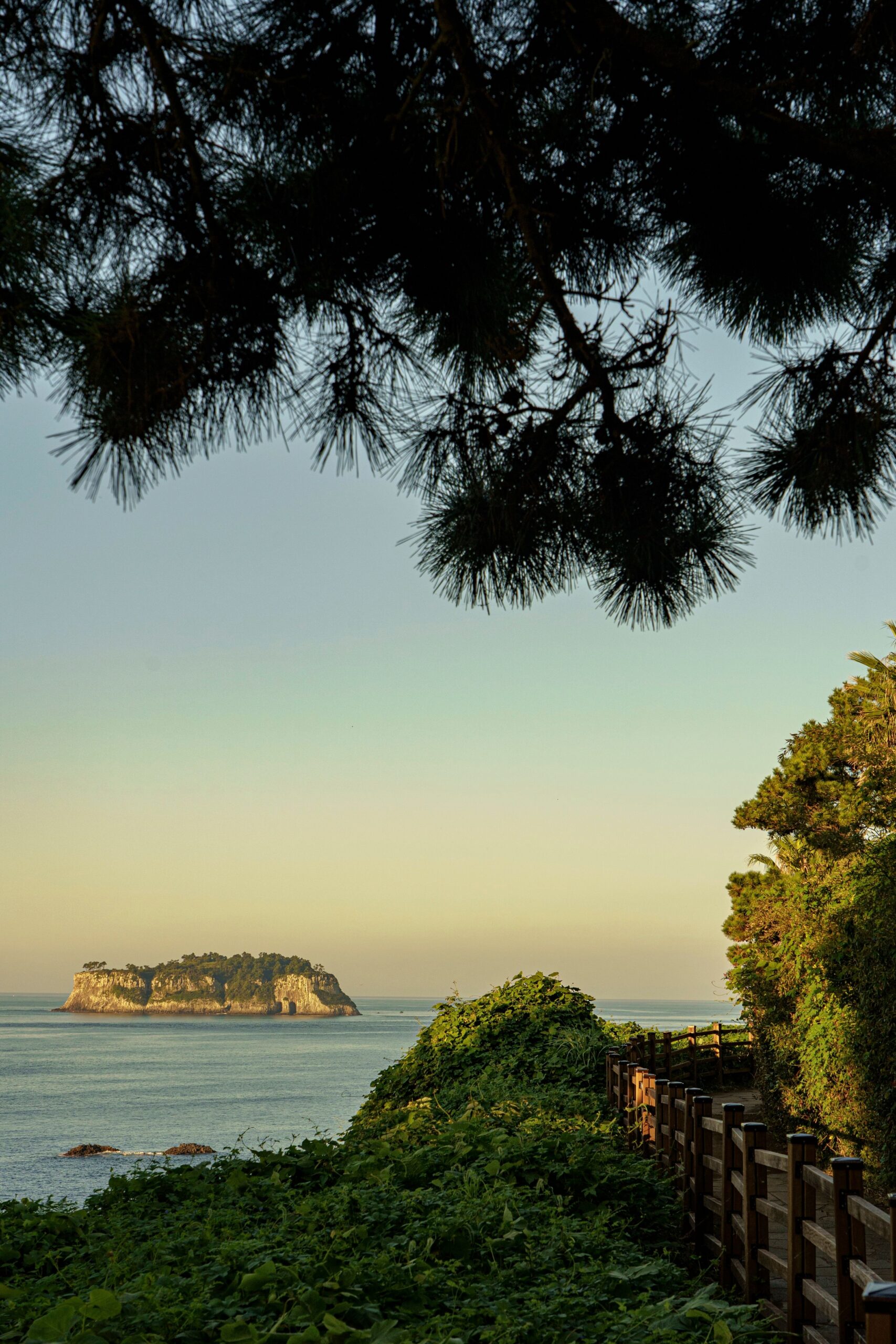
For six years, the vibrant metropolis of New York City has served as the backdrop for the professional lives of an editor at Condé Nast Traveler and her husband, a travel-focused YouTube creator. Their recent honeymoon, a meticulously planned two-week sojourn across South Korea and Japan, offered a profound immersion into two nations celebrated for their captivating duality of ancient heritage and cutting-edge modernity. While Japan has recently emerged as a particularly favored destination for American honeymooners, seeking tranquil nights in traditional ryokans, the author’s experience in South Korea suggests a compelling alternative for those craving a more dynamic and interactive honeymoon. This article delves into their itinerary, highlighting the immersive cultural experiences, culinary adventures, and the unique spirit of connection that defined their journey through Seoul, Busan, and Jeju Island.
The couple’s decision to split their honeymoon between South Korea and Japan was the culmination of long-held aspirations to explore these culturally rich East Asian nations. Both countries have experienced a significant surge in international tourism, particularly in the post-pandemic era, as travelers seek diverse experiences. Japan, in particular, has seen its popularity as a honeymoon destination skyrocket, with its serene ryokans and picturesque landscapes offering a stark contrast to the typical Western honeymoon. Data from the Japan National Tourism Organization indicates a substantial increase in American visitors in recent years, with many citing honeymoons as a primary reason for travel.
However, the author’s narrative champions South Korea as a destination that offers a distinct, yet equally enriching, honeymoon experience. Their seven-day itinerary, encompassing three nights in Seoul, two in Busan, and two on Jeju Island, was designed not for hushed romantic interludes, but for lively engagement with the local culture and its people. The emphasis was on shared experiences, from the convivial atmosphere of Korean barbecue restaurants, where laughter and conversation flowed as freely as the soju, to the quiet contemplation found within the walls of historic palaces and the charming hanok villages. This balanced approach, blending active exploration with moments of cultural appreciation, proved to be a hallmark of their trip.
Seoul: A Metropolis of Contrasts
Their exploration commenced in Seoul, a city that pulsates with an infectious energy. The couple chose to base themselves in the youthful and internationally-minded district of Hongdae. This area, renowned for its vibrant street art, indie music scene, and bustling student population, provided a dynamic starting point. An afternoon spent in the adjacent Mangwon neighborhood offered a different pace, characterized by a local market brimming with culinary delights and a unique shop named Mediums, where they enjoyed local beers and card games amidst a curated collection of vinyl records. This experience underscores the Korean penchant for fostering community and shared leisure in unexpected, often intimate, settings.
Evenings in Seoul were dedicated to exploring Euljiro, a district that has transformed from an industrial hub into a trendy enclave of hidden bars and traditional barbecue joints. The mention of Sancheong Charcoal Garden, a favored spot for its exceptional black pork, highlights the gastronomic adventures that await discerning diners. The popularity of Korean barbecue (gogi-gui) is a global phenomenon, with countless restaurants worldwide replicating the experience. However, experiencing it in its homeland, surrounded by the authentic ambiance and the camaraderie of fellow diners, offers an unparalleled cultural immersion. This culinary exploration is not merely about sustenance; it is a social ritual, deeply ingrained in Korean culture.
Busan: Coastal Charms and Culinary Hubs
The journey then shifted south to Busan, South Korea’s second-largest city, often described as its edgy, coastal counterpart to Seoul. Here, the couple found themselves drawn to the lively corridor connecting Jagalchi and Bupyeong Kkangtong Market. This area is a sensory overload in the best possible way, a bustling nexus where vendors not only display an astonishing array of fresh seafood but also prepare it on the spot. The freedom to select your own catch and have it expertly cooked embodies the spontaneous and adventurous spirit of their honeymoon. Busan’s reputation as a major port city and a center for fresh seafood is well-established, with Jagalchi Market being one of the largest of its kind in the country. The dynamic between the bustling market atmosphere and the serene ocean views characteristic of Busan further enhances its appeal.
Jeju Island: Natural Wonders and Enduring Traditions

The final leg of their South Korean adventure took them to Jeju Island, a volcanic island renowned for its stunning natural beauty and unique cultural identity. They opted for an Airbnb in Seongsan, an eastern village situated near the iconic Seongsan Ilchulbong, or "Sunrise Peak." The strategic choice of accommodation, with a bed offering a direct view of the majestic peak, provided a constant reminder of the island’s breathtaking landscapes.
A short drive to the base of Seongsan Ilchulbong offered a profound cultural encounter: witnessing the haenyeo, the legendary female divers of Jeju, prepare to enter the sea. These women, often in their later years, represent a tradition of free-diving for seafood that has been passed down through generations. Their resilience and deep connection to the ocean are a testament to Jeju’s distinct cultural heritage. The hike to the summit of Seongsan Ilchulbong itself offered panoramic views, a fitting reward for their exploration. The haenyeo tradition is recognized by UNESCO as an Intangible Cultural Heritage of Humanity, underscoring its global significance and the importance of its preservation. The island’s volcanic origins have shaped its unique ecosystem and cultural practices, making it a microcosm of Korean culture with distinct regional characteristics.
Mornings of Reflection and Discovery
A consistent element of their honeymoon was the practice of early morning runs in each destination. These moments of quiet solitude served as a valuable counterpoint to the constant stimulation of sightseeing. In Jeju, these runs were enveloped in a mystical fog, winding through fields of vibrant canola flowers and past lines of drying squid, a quintessential sight on the island. In Busan, their morning runs offered a unique perspective, traversing the fringes of the bustling Jagalchi fish market before extending over bridges that provided sweeping ocean vistas. This personal ritual highlights the importance of finding moments of personal reflection even amidst the excitement of travel, allowing for a deeper appreciation of the surroundings.
The Allure of K-Fashion and K-Beauty
Beyond the cultural and culinary explorations, the couple also embraced the contemporary facets of South Korean culture, particularly its influence on global trends in fashion and beauty. The author’s mention of "K-fashion shopping days" and "Olive Young skin-care runs" speaks to the ubiquitous presence and appeal of these industries. South Korea has emerged as a global powerhouse in both K-beauty and K-fashion, driven by innovative products, effective marketing, and the influential reach of K-pop and K-drama. Olive Young, a leading health and beauty retailer in South Korea, has become a pilgrimage site for beauty enthusiasts worldwide, offering a vast selection of skincare and cosmetic products that are often at the forefront of innovation. This aspect of their honeymoon underscores the modern dynamism of South Korea, demonstrating that its appeal extends far beyond its historical and traditional offerings.
Broader Implications and Tourism Trends
The author’s enthusiastic endorsement of South Korea as a honeymoon destination, particularly in contrast to the currently favored Japan, offers a valuable perspective for travelers seeking diverse experiences. While Japan’s allure is undeniable, South Korea presents a compelling alternative that prioritizes vibrant engagement, social connection, and a dynamic blend of tradition and modernity. The country has made significant strides in promoting its tourism sector, with initiatives aimed at attracting a wider range of international visitors. The success of K-culture globally has undoubtedly played a pivotal role in this resurgence, drawing interest in everything from its cuisine and fashion to its entertainment and historical sites.
The trend of couples seeking unique and experiential honeymoon destinations is a significant one in the contemporary travel landscape. Gone are the days when a purely relaxing beach vacation was the sole option. Today’s honeymooners are often looking for adventures that will create lasting memories and strengthen their bond through shared discoveries. South Korea, with its rich tapestry of experiences, from the bustling streets of Seoul to the serene landscapes of Jeju, and its welcoming culture that encourages interaction, appears to be exceptionally well-positioned to meet this demand. The author’s narrative serves as a powerful testament to the transformative potential of a honeymoon that embraces the unexpected and dives headfirst into the heart of a captivating culture. The emphasis on shared laughter over barbecue and clinking soju cups with strangers encapsulates the essence of a honeymoon that is not just about two people, but about connecting with the world around them.