 admin
admin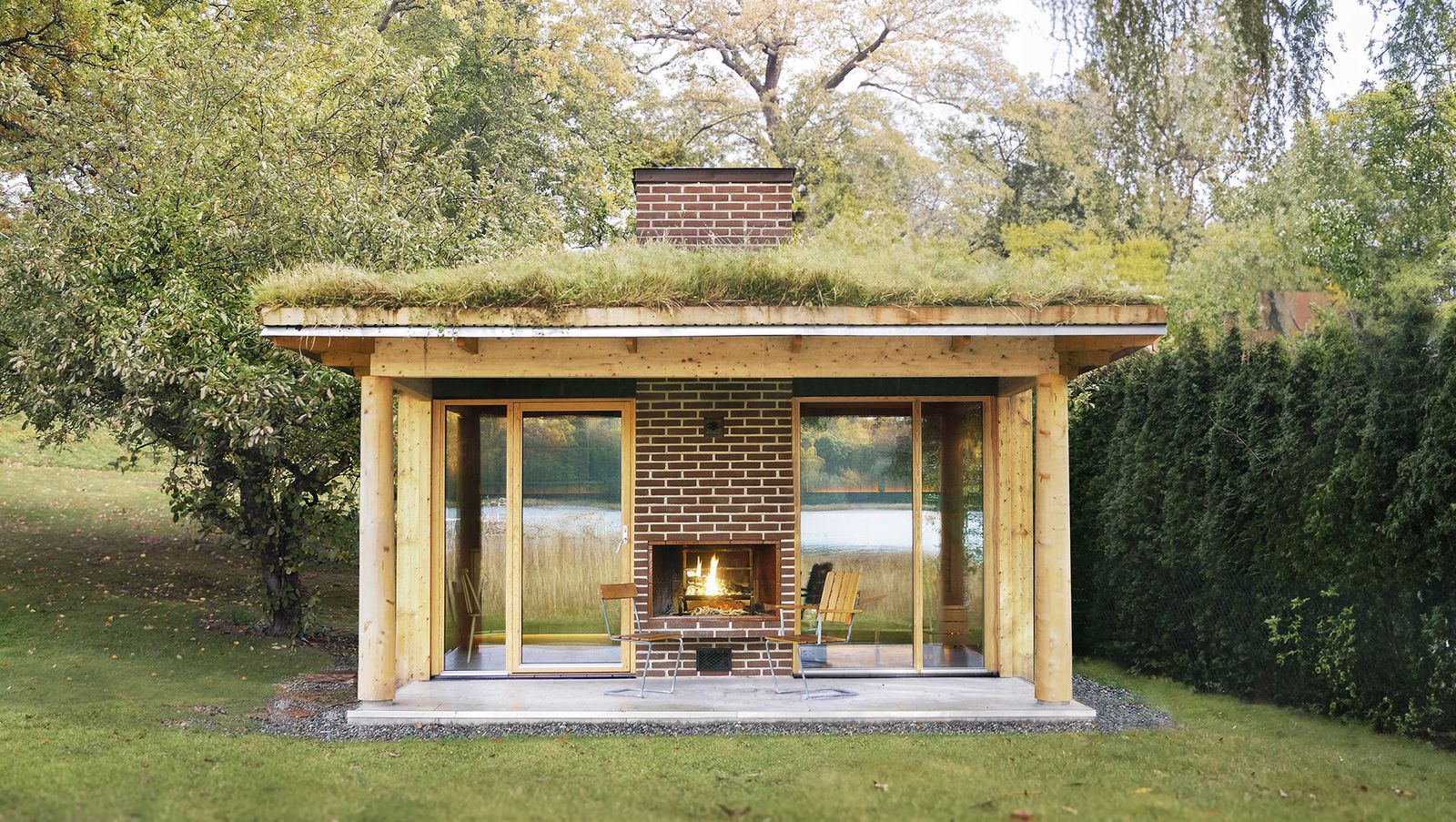
Nestled within the serene and picturesque Stockholm Archipelago, a remarkable architectural project, "A House Around a Chimney," exemplifies innovative design and a deep understanding of its natural context. Conceived by Anders Berensson Architects, this compact structure, measuring a mere 162 square feet, redefines the traditional sauna experience, transforming it into a versatile hub for relaxation, socialization, and immersion in the rugged beauty of the Swedish coastline. Completed and featured as a "House We Love," this project underscores the growing global appreciation for highly functional, aesthetically restrained, and environmentally attuned small-scale architecture.
Project Genesis and Visionary Design
The inception of "A House Around a Chimney" was driven by a clear client brief: to create a dedicated waterside retreat on a sprawling plot already home to an older manor house. The primary objective was to provide a space where individuals could gather, swim in the adjacent waters, enjoy a traditional sauna, and find shelter by an open fireplace during the cooler evenings. This multifaceted requirement necessitated a design that was not only efficient in its small footprint but also exceptionally clever in its spatial organization and material choices. Anders Berensson Architects, known for their thoughtful and context-sensitive approach, rose to this challenge by proposing a structure where a single, central element orchestrates the entire experience: the chimney.
The architect’s vision for this ancillary building was to complement the main estate while maintaining a distinct identity and functional purpose. The design process focused on optimizing every square inch to serve multiple functions, seamlessly blending indoor comfort with outdoor engagement. The project’s development likely followed a typical architectural timeline, moving from initial conceptual sketches that explored the relationship between the structure and its dramatic waterfront setting, through detailed design phases focusing on material specification and functional integration, to the construction and final landscaping that ensured its harmonious integration into the archipelago environment.
The Chimney: A Multifaceted Central Pillar
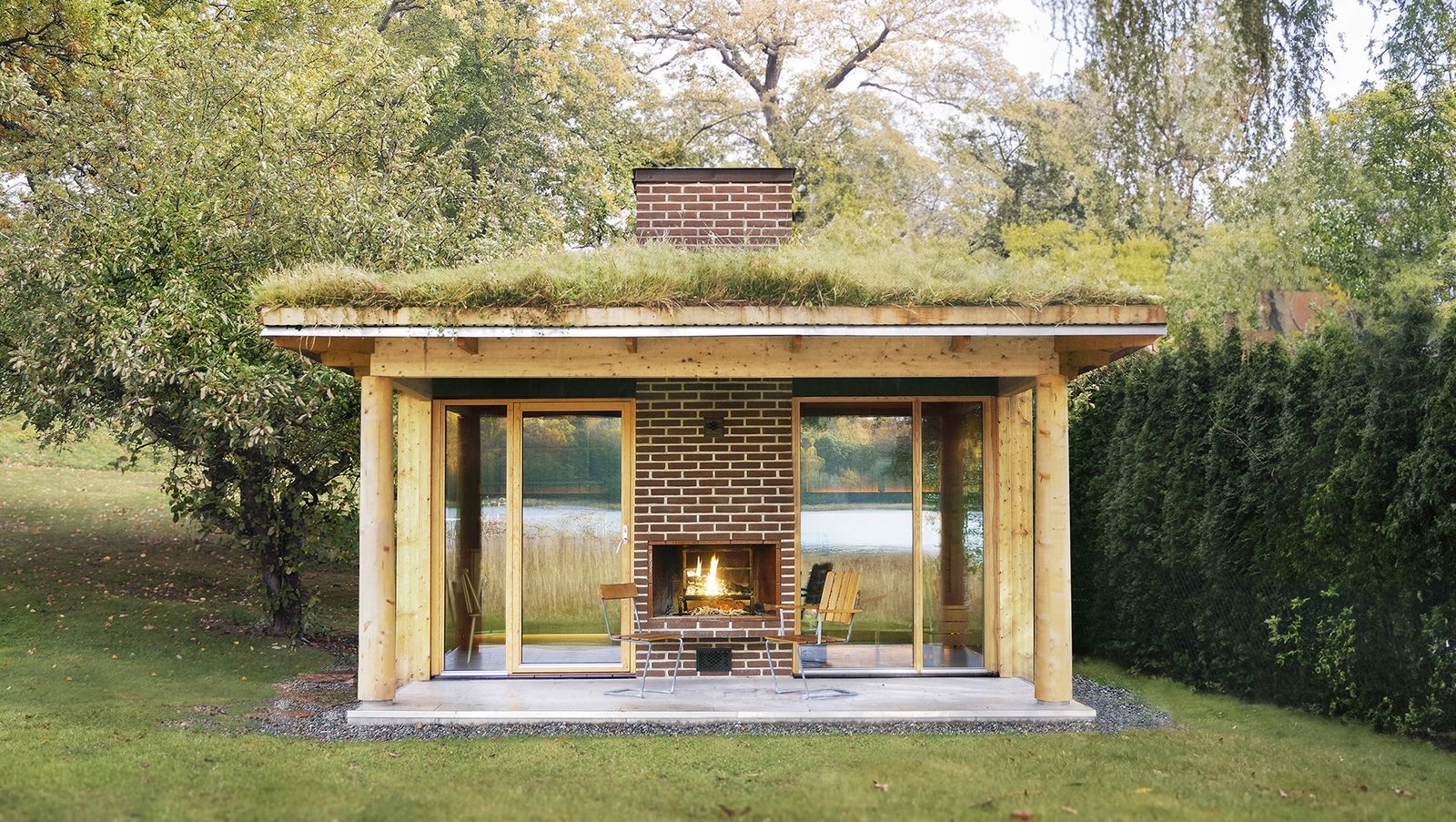
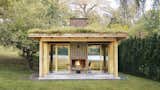
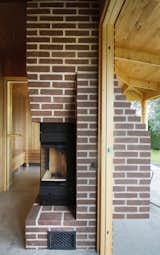
At the heart of this architectural marvel is its central brick chimney, a design element that transcends its conventional role to become the structural, functional, and even spatial backbone of the entire building. Far from being a mere exhaust conduit, this solid brick edifice acts as a primary load-bearing pillar, anchoring the symmetrical roof and providing essential stability. Its ingenious design is evident in how it dynamically interacts with the internal and external spaces.
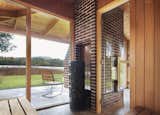
Inside the compact sauna, the chimney features a precisely engineered cut-out, perfectly accommodating the sauna unit. This integration ensures efficient heat distribution and maximizes usable space within the hot room, a critical consideration in such a confined area. Moving to the small indoor rest area, the chimney presents a convex-shaped subtraction, designed to cradle a wood stove insert. This creates an intimate, warm nook, inviting occupants to unwind post-sauna or during chilly weather, offering a visual and tactile connection to fire. Externally, the chimney transforms once more, presenting a similarly shaped concave addition. This outward-facing hearth is designed to house a larger open fireplace, serving the outdoor communal area. This allows for evening gatherings by the water, extending the usability of the structure beyond the confines of the interior and fostering a deep connection with the surrounding natural elements. This innovative use of a single element to serve three distinct functions—sauna heating, indoor ambient warmth, and outdoor gathering—is a testament to the architects’ ingenuity and commitment to functional design.
Materiality and Sensory Experience
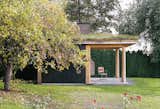
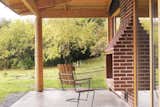
The choice of materials in "A House Around a Chimney" plays a crucial role in defining its aesthetic and sensory experience, balancing durability with natural beauty and functional requirements. Both the indoor and outdoor floors are clad in the same limestone tiles, creating a continuous surface that visually extends the interior to the exterior. This choice not only contributes to a seamless aesthetic but also offers practical benefits. Limestone is known for its robustness, natural slip resistance, and ability to withstand the harsh coastal climate, including moisture and temperature fluctuations. Its natural texture and earthy tones further ground the building in its environment, echoing the stone formations often found in the archipelago.
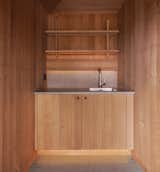
For the interior walls, ceilings, and fixed furniture, heat-treated aspen wood was meticulously selected. This material is highly prized in sauna construction for several reasons. Heat-treated aspen is dimensionally stable, meaning it resists warping and shrinking even under extreme temperature and humidity changes typical of a sauna environment. It is also a poor conductor of heat, ensuring that surfaces remain comfortable to the touch, preventing burns, and enhancing the overall safety and comfort of the sauna experience. Furthermore, aspen wood is largely resin-free, preventing the emission of sticky sap that can occur with other wood types when heated. The light, clean appearance of the aspen provides a soothing contrast to the darker exterior, contributing to the tranquil atmosphere essential for relaxation. The consistent use of this material throughout the interior creates a unified and calming aesthetic, enhancing the feeling of a cohesive, well-crafted space.
Contextual Harmony and Environmental Blending
A key aspect of the project’s success lies in its masterful integration with its surroundings and its subtle deference to the main manor house. The architects deliberately drew the formal language of the sauna, particularly its symmetrical roofline, from the main building. This architectural echo creates a visual dialogue between the two structures, establishing a familial relationship without directly mimicking the older, grander edifice.
Perhaps the most striking element of its contextual harmony is its deliberate invisibility from the main house, a specific request from the client. To achieve this, the entire exterior of the sauna is painted a dark brown, allowing it to recede visually against the backdrop of trees and earth tones prevalent in the archipelago. Complementing this, the roof is grass-covered, transforming the building into a living part of the landscape. Green roofs offer multiple benefits beyond camouflage; they provide excellent insulation, reducing energy consumption for heating and cooling, manage stormwater runoff, and promote biodiversity by creating habitats for local flora and fauna. When viewed from the main residence, the sauna effectively "disappears" into the surrounding vegetation, maintaining the natural vista and preserving the sense of pristine wilderness that defines the Stockholm Archipelago. This thoughtful approach minimizes visual impact, demonstrating a deep respect for the natural environment and a commitment to sustainable building practices.
The Nordic Lifestyle and Broader Implications
"A House Around a Chimney" is more than just a building; it is an embodiment of the quintessential Nordic lifestyle, emphasizing connection to nature, wellness, and communal enjoyment. The traditional Finnish or Swedish sauna ritual involves alternating between intense heat and a cooling dip, often in a lake or the sea. The sauna’s immediate proximity to the water facilitates this invigorating practice, offering a holistic experience that rejuvenates both body and mind. The outdoor fireplace further enhances the social aspect, providing a focal point for conversation and warmth during long, dark Scandinavian evenings.
This project also serves as a compelling case study within broader architectural trends. The global movement towards "tiny homes" and small-footprint architecture champions efficiency, sustainability, and a minimalist approach to living. "A House Around a Chimney," despite its auxiliary function, perfectly encapsulates these ideals by delivering maximum utility and experience within a minimal physical presence. Its innovative design, particularly the multi-functional chimney, offers a model for how limited space can be leveraged to create rich, diverse environments.
Furthermore, the integration of green roofs and materials selected for their durability and low environmental impact subtly highlights principles of sustainable design. While not explicitly stated as a "green building," the design choices inherently contribute to ecological responsibility and energy efficiency, aligning with contemporary architectural ethics that prioritize environmental stewardship. The project’s success in blending seamlessly into a sensitive natural landscape without compromising functionality or aesthetic appeal makes it a significant contribution to the discourse on contemporary design in pristine environments.
Anders Berensson Architects: A Legacy of Thoughtful Design
Anders Berensson Architects consistently demonstrates a profound understanding of site-specific challenges and opportunities. Their work, as exemplified by "A House Around a Chimney," often reflects a nuanced appreciation for traditional Scandinavian architectural forms while pushing boundaries with innovative solutions. The architect’s statement regarding the chimney’s multiple roles underscores their philosophy of creating structures that are not only visually striking but also deeply rooted in functionality and user experience. This project reinforces their reputation for crafting buildings that are both timeless and forward-thinking, contributing positively to their surroundings and the lives of their occupants.
In conclusion, "A House Around a Chimney" by Anders Berensson Architects stands as a beacon of intelligent, minimalist, and context-aware design. Its modest size belies a sophisticated integration of form and function, centered around an ingenious multi-purpose chimney. From its carefully selected materials to its deliberate concealment within the landscape, every aspect of this structure is meticulously crafted to enhance the Nordic experience of wellness and communal gathering by the water. It is a powerful reminder that even the smallest structures, when designed with vision and precision, can achieve profound architectural impact and enrich lives in meaningful ways.