 admin
admin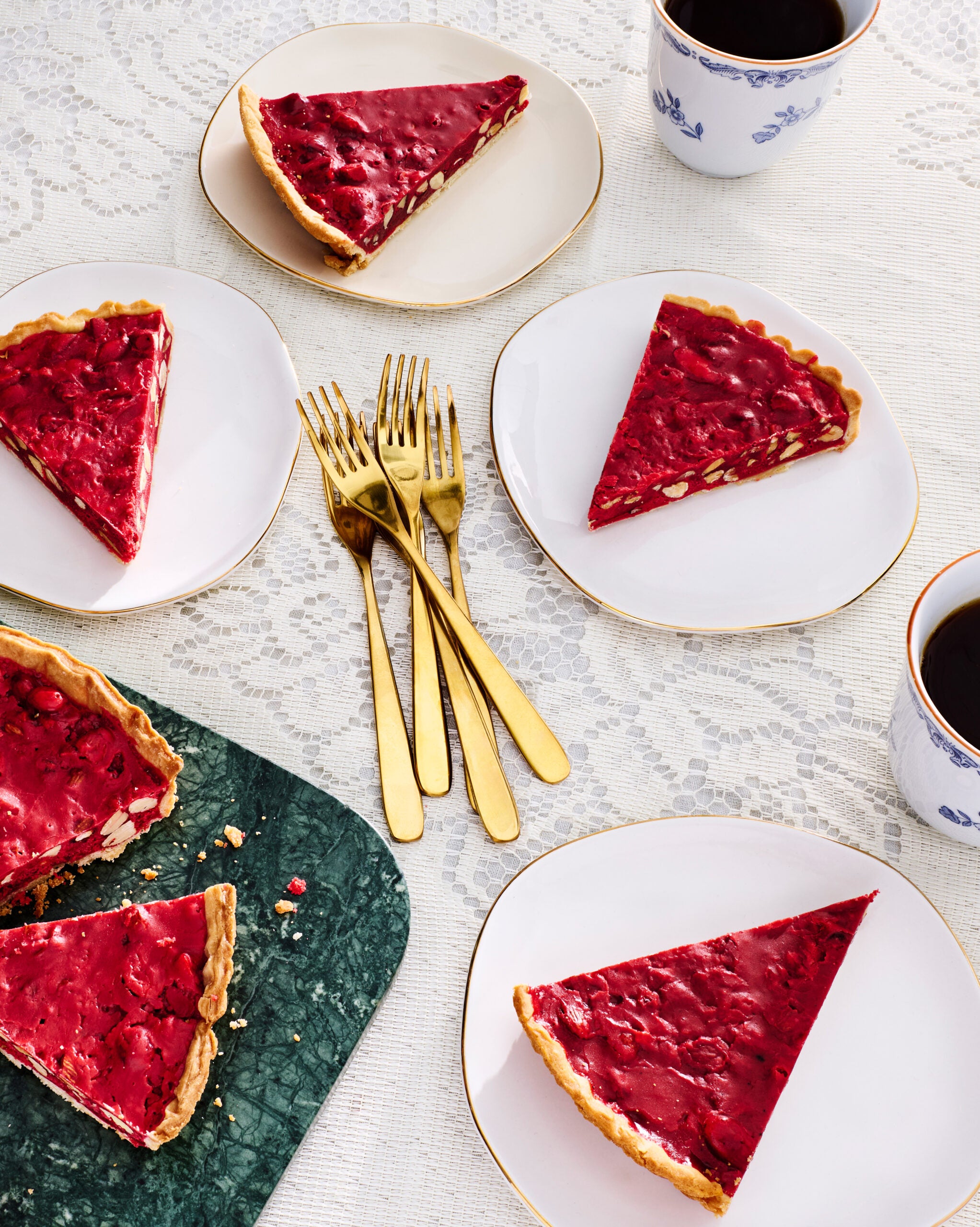
The creation of a truly exceptional praline tart is a journey that transcends mere cooking; it is an exercise in precision, patience, and a deep understanding of ingredient synergy. This detailed exploration delves into the meticulous process behind crafting this delectable dessert, offering insights into the techniques and considerations that elevate it from a simple sweet treat to a culinary masterpiece. From the foundational dough preparation to the final setting of the rich praline filling, each step is a critical component in achieving a harmonious balance of texture and flavor.
The Foundation: Crafting the Perfect Tart Dough
The genesis of any superior tart lies in its crust, and the praline tart is no exception. The process begins with the careful amalgamation of dry ingredients: all-purpose flour, confectioners’ sugar for a delicate sweetness, and fine salt to enhance all flavors. This foundational blend is then enriched by the addition of cold butter. The technique employed here is crucial: using fingertips, the butter is rubbed into the dry mixture until it forms pea-sized pieces. This method, known as "cutting in," ensures that pockets of butter remain intact, which will later melt during baking to create a flaky, tender crust.
The subsequent incorporation of an egg serves as the binder, bringing the disparate elements together. It is imperative to mix only until the dough just comes together, avoiding overworking, which can lead to a tough crust. The resulting dough is then gently shaped into a disk, a practical measure to facilitate chilling and rolling. Wrapped securely in plastic, it is then subjected to a minimum of one hour in refrigeration. This crucial resting period allows the gluten in the flour to relax, preventing shrinkage during baking, and solidifies the butter, essential for achieving that desired flakiness.
Precision Rolling and Pre-Baking: Setting the Stage for Flavor
Following its refrigeration, the dough is retrieved and allowed to soften slightly for approximately five minutes. This brief period of tempering is vital; overly cold dough is brittle and prone to cracking, while dough that is too soft is difficult to handle. On a lightly floured surface, the dough is then rolled into a precise 13-inch round, aiming for a uniform thickness of about one-eighth of an inch. Consistency in thickness is paramount for even baking.
The rolled dough is then carefully transferred to a 9-inch tart pan, preferably one with a removable bottom for ease of presentation. Gentle pressing into the corners of the pan is essential, taking care to avoid stretching the dough, which can result in an uneven bake and a tendency to shrink. Any excess dough is meticulously trimmed with a sharp knife or scissors, ensuring a clean, professional edge. The dough-lined pan is then returned to the refrigerator for a further 30 minutes. This second chilling period firms up the dough again, further minimizing shrinkage and ensuring the crust holds its shape during the initial baking phase.
The Blind Bake: A Crucial Precursor to the Filling
As the dough chills, the oven is prepared. A rack is positioned in the center, and the oven is preheated to 350 degrees Fahrenheit (175 degrees Celsius). This precise temperature is key for achieving a golden-brown crust without overcooking the delicate dough. Once the dough is sufficiently chilled, it is removed from the refrigerator. The surface of the dough is then thoroughly pricked with a fork. This perforating action, known as docking, allows steam to escape during baking, preventing the formation of unsightly bubbles that could distort the crust.
The docked dough is then lined with parchment paper, creating a barrier between the dough and the pie weights or dried beans that will be used to anchor it. This technique, called blind baking, ensures that the bottom of the crust cooks thoroughly and remains crisp, preventing a soggy base once the filling is added. The tart is baked for 20 minutes with the weights in place. Subsequently, the parchment paper and weights are removed, and the crust is returned to the oven for an additional 5 to 8 minutes, or until it achieves a light golden hue. This final phase of baking ensures the entire crust is perfectly cooked and ready to receive its flavorful filling. The baked crust is then set aside to cool completely, a vital step to prevent the filling from becoming watery or unevenly cooked.
The Heart of the Tart: Crafting the Praline Filling
While the crust cools, attention turns to the creation of the praline filling, the decadent centerpiece of the tart. In a medium saucepan, over medium-high heat, the pralines, cream, and butter are combined. The pralines, typically made from caramelized sugar and nuts, provide a rich, nutty sweetness and a characteristic texture. The cream acts as a liquid base, and the butter contributes to the richness and smooth mouthfeel of the filling.
The mixture is cooked, with frequent stirring, until the praline coating is completely melted and the temperature reaches 220 degrees Fahrenheit (104 degrees Celsius) on a candy thermometer. This specific temperature, known as the firm-ball stage, is critical for achieving the desired consistency of the filling. If the temperature is too low, the filling will be too soft; if it is too high, it risks becoming too hard. The stirring is essential to prevent scorching and ensure even melting.
Once the target temperature is reached, kosher salt is stirred in. Salt, even in small amounts, plays a crucial role in balancing the sweetness of the praline and enhancing its complex flavors. The optional addition of vanilla extract further elevates the aromatic profile of the filling. With the filling prepared, it is carefully ladled into the cooled tart shell, filling it just below the rim. This precise filling level is a practical measure to prevent overflow or splashing when the tart is returned to the oven for its final bake.
The Final Bake and Setting: Unveiling the Praline Perfection
The tart, now filled with the luscious praline mixture, is carefully transferred back to the preheated 350-degree Fahrenheit oven. It bakes for an additional 5 to 10 minutes, or until the filling is visibly bubbly and has slightly reduced. This final bake allows the filling to set slightly, developing a beautiful sheen and a rich, caramelized aroma.
Upon removal from the oven, the tart pan is placed on a wire rack to cool slightly. This gradual cooling process is important to prevent thermal shock, which could cause the crust to crack. Once it has cooled sufficiently, the tart is then refrigerated for a minimum of 4 hours, and ideally up to 8 hours, until it is completely cooled and set. This extended chilling period is essential for the praline filling to firm up to the perfect consistency, allowing for clean, precise slicing.
Serving and Appreciation: The Culmination of Culinary Effort
The final step in this elaborate culinary process is the serving of the praline tart. Sliced into wedges, the tart reveals its layered beauty: the crisp, golden crust cradling the rich, glossy praline filling. Each slice represents the culmination of careful preparation, precise execution, and a dedication to quality ingredients. The tart is best enjoyed at room temperature or slightly chilled, allowing the complex flavors and textures to be fully appreciated.
The art of crafting this praline tart highlights fundamental principles of pastry making: the importance of temperature control, the delicate balance of ingredients, and the necessity of patience. The success of the tart hinges on each meticulously followed step, from the initial dough preparation to the final chilling. It serves as a testament to how precise techniques and an understanding of culinary science can transform simple ingredients into an extraordinary dessert, worthy of any special occasion or discerning palate. The resulting confection is not just a dessert; it is an experience, a celebration of flavor and texture achieved through dedicated craft.