admin
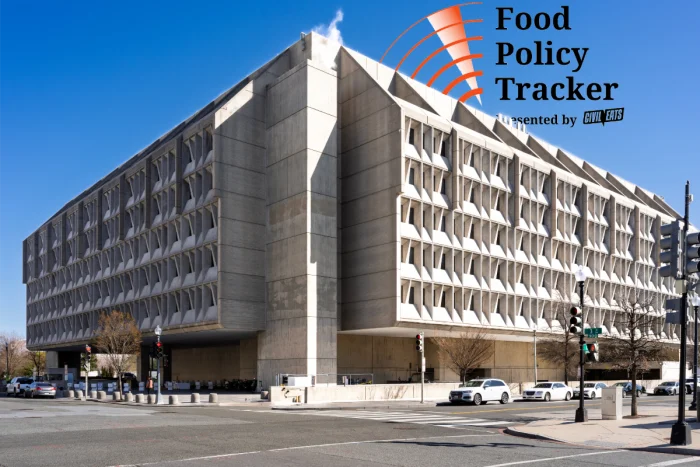
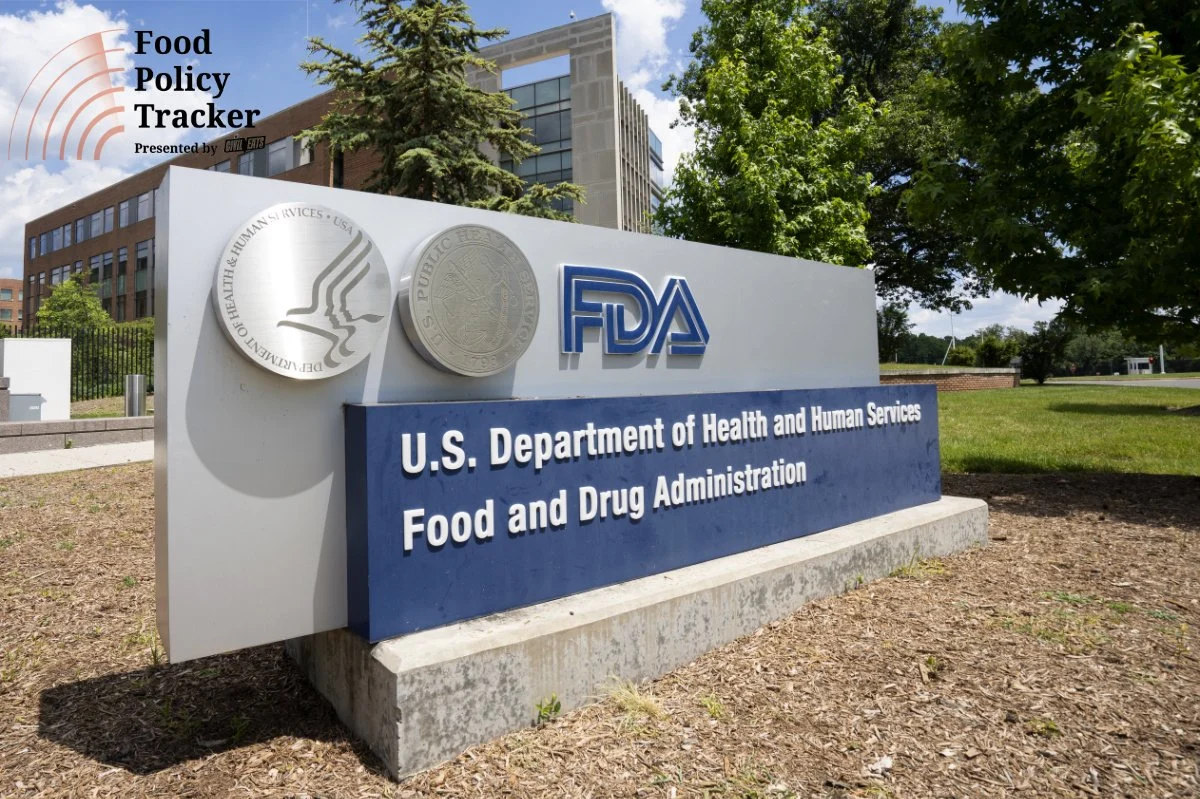
The Department of Health and Human Services (HHS) and the Environmental Protection Agency (EPA) announced on September 23, 2026, a groundbreaking memorandum of understanding (MOU) aimed at coordinating research into the safety of glyphosate, the world’s most widely used herbicide. This collaborative effort seeks to enhance the scientific evidence base available to the EPA as it navigates a critical, court-mandated re-evaluation of glyphosate’s registration under the Federal Insecticide, Fungicide, and Rodenticide Act (FIFRA). While federal officials suggest this inter-agency partnership will bolster scientific rigor, the initiative has been met with significant skepticism from a coalition of pesticide critics and food safety advocates who question its potential for meaningful impact on regulatory outcomes.
The Enduring Controversy of Glyphosate
Glyphosate, first introduced by Monsanto (now owned by Bayer) in 1974 under the brand name Roundup, revolutionized weed control in agriculture due to its broad-spectrum efficacy and relatively low cost. Its widespread adoption intensified with the introduction of "Roundup Ready" genetically modified crops designed to withstand the herbicide, allowing farmers to spray glyphosate directly over fields to control weeds without harming their crops. Today, glyphosate remains a cornerstone of conventional agriculture globally, with billions of pounds applied annually across diverse crops like corn, soybeans, cotton, and canola, as well as in residential and public land management.
Despite its ubiquity and economic importance, glyphosate has been at the center of a protracted and heated debate regarding its potential health and environmental impacts. Critics point to a growing body of scientific literature suggesting links between glyphosate exposure and various health concerns, including non-Hodgkin lymphoma, endocrine disruption, kidney disease, and reproductive issues. The controversy gained significant international traction in 2015 when the International Agency for Research on Cancer (IARC), a specialized cancer agency of the World Health Organization, classified glyphosate as "probably carcinogenic to humans" (Group 2A). This classification starkly contrasted with assessments by many national regulatory bodies, including the EPA, which at the time maintained that glyphosate was "not likely to be carcinogenic to humans."
Environmentally, concerns range from its impact on beneficial insects like monarch butterflies, whose habitats are decimated by widespread herbicide use, to its potential for soil degradation and water contamination. The persistence of glyphosate and its primary breakdown product, aminomethylphosphonic acid (AMPA), in the environment and food chain further fuels these anxieties.
A History of Regulatory Scrutiny and Legal Battles

The journey to the current HHS-EPA collaboration is paved with a complex chronology of regulatory decisions, scientific disputes, and high-profile legal battles.
- 1974: Glyphosate introduced by Monsanto.
- Early 2000s: Increasing scientific studies and public discourse raise questions about glyphosate’s long-term effects.
- 2015: IARC classifies glyphosate as "probably carcinogenic to humans," igniting a global debate and triggering a wave of lawsuits.
- Mid-2010s Onwards: Tens of thousands of plaintiffs, primarily individuals diagnosed with non-Hodgkin lymphoma, file lawsuits against Monsanto (and later Bayer after its acquisition of Monsanto in 2018), alleging that Roundup caused their cancer and that the company failed to adequately warn consumers of the risks. Numerous jury verdicts result in multi-million dollar awards to plaintiffs, though many of these have been reduced or are under appeal.
- 2020: The EPA completes its interim registration review decision for glyphosate, concluding that it poses "no risks of concern to human health when used in accordance with its current label." This decision is widely criticized by environmental and public health groups.
- June 2022: A landmark decision by the U.S. Court of Appeals for the Ninth Circuit vacates the EPA’s 2020 human health risk assessment for glyphosate. The court ruled that the EPA had failed to adequately consider evidence of glyphosate’s cancer risks and its impact on endangered species. This judicial rebuke mandated that the EPA conduct a new, more thorough re-evaluation of glyphosate’s human health risks.
- September 23, 2026: HHS and EPA announce their memorandum of understanding (MOU) to coordinate research.
- Early 2027: The EPA is scheduled to finalize its updated human health risk assessment of glyphosate.
The 2022 federal court decision served as a critical turning point, forcing the EPA to revisit its assessment and directly address the scientific ambiguities and public concerns that had been largely dismissed in previous reviews. It is within this charged atmosphere that the new HHS-EPA collaboration takes shape.
Details of the New Inter-agency Agreement
The newly signed MOU formalizes a framework for cooperation between HHS, particularly through its constituent agencies like the National Institutes of Health (NIH) and the Centers for Disease Control and Prevention (CDC), and the EPA’s Office of Pesticide Programs. According to the joint announcement, the core objectives of this collaboration are:
- Coordinate Research Activities: To align and leverage existing and future research efforts across both departments related to glyphosate’s safety. This could involve sharing data, methodologies, and findings from studies conducted or funded by either agency.
- Identify Scientific Gaps: To collaboratively pinpoint areas where scientific evidence regarding glyphosate’s health effects is lacking or inconclusive. This identification is crucial for directing future research to address these specific uncertainties.
- Enhance Evidence Base: The ultimate goal is to expand and strengthen the body of scientific evidence available to the EPA as it conducts its ongoing registration review. This is intended to ensure a more comprehensive and scientifically robust assessment of glyphosate’s risks to human health and the environment.
While the MOU signifies a formal commitment to inter-agency communication and data sharing, the EPA explicitly retains its statutory authority as the sole agency responsible for making final registration decisions under FIFRA. This means that while HHS may contribute valuable research and insights, the ultimate interpretation of that evidence and the regulatory decisions stemming from it remain with the EPA. The EPA’s human health risk assessment is expected to be finalized by early 2027, making the timeframe for this new collaboration to significantly influence the immediate outcome relatively tight.
Skepticism from Environmental and Food Safety Advocates
Despite the official pronouncements of enhanced scientific collaboration, the announcement has been met with considerable skepticism from long-standing critics of pesticide regulation. These groups, including the Environmental Working Group (EWG), the Center for Food Safety, and the Center for Biological Diversity, view the MOU as largely symbolic rather than a substantive shift in policy or regulatory approach.

Ken Cook, president of the Environmental Working Group, dismissed the initiative as "a fig leaf." In a statement to Civil Eats, he elaborated, "I don’t think this really amounts to anything." Cook’s skepticism stems from a historical perspective, where he argues that the issue has rarely been a lack of available science or hidden data. Instead, he contends, the core problem lies in whether the EPA chooses to acknowledge and appropriately weigh the scientific evidence, particularly studies that challenge the safety profile of widely used pesticides. He suggests that similar consultations between federal agencies on chemical reviews are not uncommon and have not consistently led to more protective regulatory outcomes in the past.
Bill Freese, science director of the Center for Food Safety, echoed these concerns, stating he is "skeptical the MOU will change anything, given the EPA’s history." Freese highlighted the protracted nature of scientific collaboration, suggesting that any new research or coordinated effort stemming from the MOU would likely take years to yield results, making it improbable to impact the EPA’s immediate 2027 deadline for its human health risk assessment.
Nathan Donley, environmental health science director at the Center for Biological Diversity, offered an even sharper critique, describing the collaboration as "a bunch of smoke and mirrors." Donley asserted, "The problem has never been that EPA’s pesticide office doesn’t compile all the relevant science or consult with outside researchers, it’s that it selectively ignores the science that doesn’t support the pesticide industry’s regulatory goals." He argued that without addressing this perceived selective interpretation of science and fundamentally altering the EPA’s decision-making process, the MOU would fail to bring about meaningful change.
These critics collectively point to a pattern of what they perceive as regulatory capture or undue industry influence within the EPA’s pesticide office. They argue that the agency has historically prioritized agricultural and chemical industry interests over public health and environmental protection, often downplaying or dismissing studies that indicate potential harm from pesticides.
The Political Undercurrents: MAHA and Administration Stance
The political landscape surrounding glyphosate regulation is also complex and has seen notable shifts, particularly within the current administration. The "Make America Healthy Again" (MAHA) movement, a prominent voice for food safety and public health, has been a vocal opponent of glyphosate and other controversial pesticides. Initially, the administration appeared to align with some of these concerns, notably through the first MAHA Commission report, which signaled a potential shift towards stricter chemical oversight.
However, the administration’s stance has since evolved, demonstrating a pivot that has disappointed many early supporters. More recently, the administration has sided with chemical giant Bayer in a Supreme Court case related to glyphosate litigation, effectively supporting the industry’s legal position. Furthermore, an executive order was issued, directing the U.S. Department of Agriculture (USDA) to boost domestic glyphosate production, signaling a clear prioritization of agricultural output and industry support. These actions have led to accusations that the administration is attempting to appease different constituencies, balancing the concerns of MAHA voters with the economic interests of the agricultural and chemical sectors.

The announcement of the HHS-EPA MOU received a mixed reception from the MAHA movement. While some advocates initially welcomed it as a step towards greater scrutiny, others quickly adopted the skeptical viewpoint articulated by groups like EWG and the Center for Food Safety, viewing it as insufficient to overcome the entrenched pro-industry bias they perceive within the EPA. The administration has also attempted to engage MAHA voters through initiatives promoting regenerative agriculture, which seeks to reduce reliance on synthetic pesticides, but these efforts are seen by many as incongruous with continued support for glyphosate production and usage.
Broader Implications for Public Health and Agriculture
The implications of this new collaboration, or lack thereof, are far-reaching. For public health, a truly rigorous and unbiased re-evaluation of glyphosate could lead to stricter regulations, altered usage patterns, or even a ban, potentially reducing human exposure to a controversial chemical. Conversely, if the EPA’s 2027 assessment once again affirms glyphosate’s safety, despite new collaborative efforts, it could further erode public trust in federal regulatory bodies and perpetuate health concerns among consumers and advocacy groups.
For the agricultural sector, the stakes are incredibly high. Glyphosate remains an indispensable tool for many farmers, particularly those utilizing no-till or reduced-till practices that rely on herbicides for weed control and soil conservation. A significant change in its regulatory status could force a rapid and costly shift in farming practices, potentially impacting crop yields, input costs, and overall farm economics. The chemical industry, led by Bayer, has consistently defended glyphosate’s safety, citing extensive regulatory approvals worldwide and numerous scientific studies. Any regulatory changes could have substantial financial repercussions for these companies.
Beyond the immediate decision, the MOU also raises questions about inter-agency dynamics and the future of chemical regulation. If HHS genuinely gains more influence in the scientific review process, it could set a precedent for future collaborations on other contentious chemicals, potentially leading to more public health-centric assessments. However, if the EPA maintains its historical trajectory, the MOU could merely serve as a procedural footnote, failing to address the fundamental criticisms leveled against the agency’s pesticide approval process. The challenge lies in translating the stated intent of collaboration into tangible changes in scientific methodology, data interpretation, and ultimately, regulatory action that prioritizes public health and environmental protection.
Looking Ahead: EPA’s Decision and Beyond
All eyes will now be on the EPA as it approaches its early 2027 deadline for finalizing the human health risk assessment for glyphosate. The decision will be a crucial test of the agency’s commitment to scientific integrity and its responsiveness to judicial directives and public concerns. Whether the HHS-EPA collaboration proves to be a genuine catalyst for change or merely a bureaucratic gesture, its announcement underscores the persistent and profound controversy surrounding glyphosate. The outcome of the EPA’s review will not only determine the future of this iconic herbicide but also significantly influence public trust in federal regulatory oversight and the broader trajectory of pesticide policy in the United States.