admin
While the iconic national parks of the American West often capture the imagination, the East Coast boasts a rich tapestry of protected landscapes brimming with historical significance and ecological marvels. With 13 national parks located east of the Mississippi River, this region offers a diverse array of natural beauty, from the rugged coastlines of Acadia to the subtropical wetlands of Biscayne and the misty peaks of Shenandoah. For those seeking to explore these magnificent areas, this guide provides an in-depth look at some of the most compelling national parks on the East Coast, drawing on firsthand experience and extensive research to highlight their unique attractions and appeal.
Unveiling the Eastern Treasures: A Curated Selection of National Parks
The author, having visited every U.S. national park, presents a curated list of nine exceptional East Coast destinations. This selection aims to showcase the remarkable diversity and allure of these protected lands, offering insights into their specific appeals, whether it’s coastal adventures, mountain vistas, or unique ecosystems. The following parks represent a fraction of the region’s natural heritage, each offering a distinct gateway to America’s natural and historical wealth.
1. Acadia National Park, Maine: Where Ocean Meets Forest
Go for: Oceanside hiking, cycling, rich history, and stunning fall foliage.
Easily one of the most breathtaking parks on the East Coast, Maine’s Acadia National Park is a perennial favorite for nature enthusiasts. Its dramatic landscape features rugged granite cliffs meeting the Atlantic Ocean, picturesque lighthouses standing sentinel, and a network of well-maintained carriage roads perfect for cycling. Visitors flock to Acadia for its tide pools teeming with marine life, challenging cliff-edge hikes, and the spectacular display of fall colors that transform the island into a vibrant canvas. The charming gateway town of Bar Harbor provides a delightful base for exploration, offering a range of amenities and a welcoming atmosphere.

A quintessential Acadia experience involves indulging in the famous popover pastries at the historic Jordan Pond House, an iconic teahouse nestled amidst some of the park’s most scenic hiking and cycling trails. The park’s history is deeply intertwined with its natural beauty, from the early conservation efforts that shaped its landscape to the architectural marvels like the carriage roads, financed by John D. Rockefeller Jr., which provide car-free access to the park’s interior.
Where to stay: For an quintessential Bar Harbor experience, the Claremont Hotel offers sunny decor and seaside charm. For a more tranquil retreat on the quieter side of Mount Desert Island, the Asticou Hotel provides forested, coastal views. A comprehensive guide to the best Airbnbs and hotels near Acadia is also available for further options.
2. Everglades National Park, Florida: A Subtropical Wilderness
Go for: Unparalleled alligator viewing, immersive boating experiences, and exceptional birdwatching.
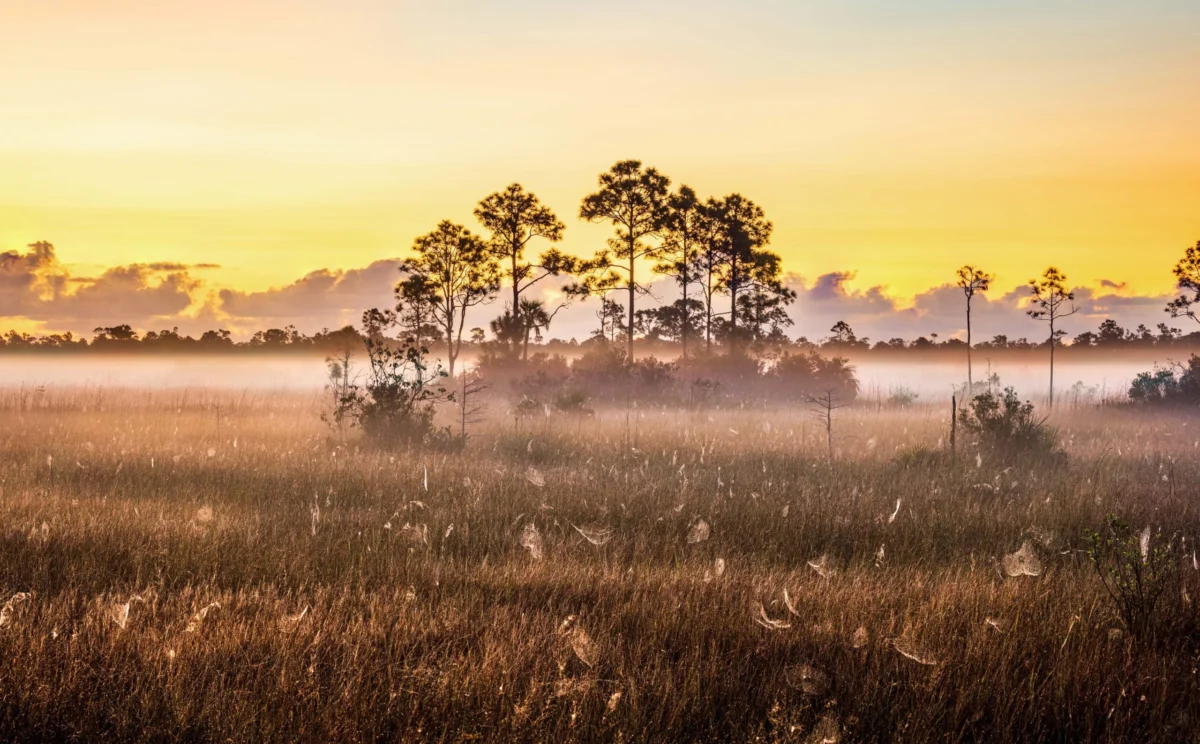
Spanning an impressive 1.5 million acres, Florida’s Everglades National Park is a unique ecological treasure. Often described as a "river of grass," this vast expanse of sawgrass slough, mangrove forests, and coastal marshes supports an incredible diversity of wildlife. Unlike traditional mountainous parks, the Everglades offers a distinct experience focused on its unique subtropical marine ecosystem.
Visitors can rent kayaks in the Flamingo area to navigate the park’s intricate network of marked canoe trails, offering intimate encounters with the park’s diverse flora and fauna. The opportunity to observe alligators in their natural habitat is a major draw, with guided airboat tours providing an exhilarating and informative way to explore these ancient wetlands and witness the park’s most iconic residents up close. The park’s ecological significance is immense, serving as a critical habitat for numerous endangered and threatened species, including the Florida panther and the West Indian manatee.

Where to stay: For lodging within the park, the newly renovated Flamingo Lodge offers modern rooms with waterfront views. Nearby, the Port of the Islands Everglades Adventure Resort provides a funky, Floridian-inspired stay.
3. Congaree National Park, South Carolina: The Realm of Old-Growth Giants
Go for: Immersive forest bathing, accessible trails, and tranquil paddling opportunities.
Congaree National Park in South Carolina preserves the largest remaining expanse of old-growth bottomland hardwood forest in the southeastern United States. This ancient woodland is a sanctuary for towering trees, including champion specimens of bald cypress, tupelo, and oak, creating a cathedral-like atmosphere for visitors.
The park’s signature feature is the accessible 2.6-mile Boardwalk Loop Trail, which winds through the heart of the swamp, offering glimpses of the majestic bald cypress knees and the seemingly endless, shady canopy. This elevated walkway ensures that visitors of all abilities can experience the park’s unique ecosystem without disturbing the delicate environment. Congaree is also a designated International Dark Sky Park, offering incredible opportunities for stargazing away from urban light pollution. The park’s ecological importance lies in its role as a vital floodplain ecosystem, filtering water and supporting a rich biodiversity.
Where to stay: The nearest city, Columbia, offers a variety of accommodations. The Graduate Columbia provides a colorful, central, and pet-friendly option. For a stylish stay in a historic brick building, Hotel Trundle is recommended, known for its locally-roasted coffee.

4. Shenandoah National Park, Virginia: Gateway to the Blue Ridge Mountains
Go for: Panoramic scenic drives, breathtaking fall foliage, and challenging hiking trails.
Nestled within the Blue Ridge Mountains of Virginia, Shenandoah National Park offers a compelling alternative to the more crowded Great Smoky Mountains. Its proximity to Washington, D.C., makes it an accessible escape for urban dwellers seeking natural beauty. The park’s crown jewel is Skyline Drive, a 105-mile scenic road that winds along the crest of the mountains, providing access to numerous overlooks and trailheads.
Shenandoah is renowned for its spectacular fall foliage, drawing visitors from across the country to witness the vibrant transformation of the hardwood forests. Hiking enthusiasts can tackle the formidable Old Rag Mountain, a strenuous but rewarding trek that offers some of the most iconic views in the park. Beyond its visual appeal, Shenandoah plays a crucial role in preserving the Appalachian ecosystem, supporting a diverse range of plant and animal life, including black bears and white-tailed deer.
Where to stay: For rustic, dog-friendly lodging within the park, Big Meadows Lodge is a historic option situated directly on Skyline Drive. In nearby Huntley, the Glen Gordon Manor offers a charming, pastoral setting with old-world accommodations. A comprehensive guide to lodging options near Shenandoah is available.
5. Great Smoky Mountains National Park, North Carolina & Tennessee: America’s Most Visited Wilderness
Go for: Extensive mountainous hiking trails, scenic drives, and opportunities for wildlife photography.

As the most visited national park in the United States, Great Smoky Mountains National Park consistently draws millions of visitors annually, a testament to its wild beauty and accessibility. The park straddles the border of North Carolina and Tennessee, encompassing over 800 square miles of diverse Appalachian landscape. Its reputation is built on its vast network of wilderness hiking paths, including a significant portion of the Appalachian Trail, its breathtaking waterfalls, and the stunning spectacle of its autumn colors.
The park’s Cades Cove area is a particularly popular destination, offering a scenic loop road with historic buildings and abundant wildlife viewing opportunities. To manage the immense visitor numbers and fund essential infrastructure and maintenance, the park has implemented a new parking tag system, ensuring that recreation remains sustainable for the millions who explore its trails and roads each year. The Smokies are also a UNESCO World Heritage Site, recognized for their exceptional natural beauty and ecological significance.
Where to stay: A multitude of charming gateway towns surround the park, offering a wide array of lodging options. The Swag, a mountaintop inn in Waynesville, North Carolina, provides cozy cabins and unparalleled views. For a luxurious experience focused on farm-to-table dining and impeccable service, Blackberry Farm in Walland, Tennessee, is an exceptional choice.
6. Biscayne National Park, Florida: An Aquatic Wonderland
Go for: Boating, snorkeling, stand-up paddleboarding, and scuba diving in a marine sanctuary.
Biscayne National Park in Florida offers a unique national park experience, as over 95% of its area is covered by water. This marine-based park, located southeast of Miami, is a haven for water sports enthusiasts and a vital protected area for coral reefs and marine life. It encompasses Biscayne Bay, the northernmost Florida Keys, and offshore barrier reefs.

The park provides exceptional opportunities for scuba diving and snorkeling, allowing visitors to explore vibrant coral formations and encounter a diverse array of marine species. Travelers can book guided expeditions to discover the underwater wonders of the park’s protected waters. Stand-up paddleboarding and boating are also popular activities, offering various ways to experience the park’s expansive aquatic environment. Biscayne is a crucial component of the larger Florida Reef Tract, the only barrier reef in the continental United States, and its protection is vital for the health of this fragile ecosystem.
Where to stay: For points enthusiasts, the Home2Suites by Hilton in Florida City offers a convenient and comfortable base. For a more immersive experience in the Keys, the Reefhouse Resort in Key Largo provides direct beach access and a classic island atmosphere.
7. New River Gorge National Park, West Virginia: Adventure and History Intertwined
Go for: World-class river rafting, hiking, stunning fall foliage, and rock climbing.
New River Gorge National Park and Preserve in West Virginia is a destination that caters to adrenaline seekers and history buffs alike. The park is centered around the New River, one of the oldest rivers in North America, and the dramatic gorge it has carved through the Appalachian Mountains. Its landscape is dominated by the iconic New River Gorge Bridge, the longest steel-span arch bridge in the Western Hemisphere, offering breathtaking vistas.
Visitors can experience the thrill of world-class whitewater rafting on the New River, known for its challenging rapids. The park also offers extensive hiking trails that wind through lush forests and lead to historic mining towns, providing a glimpse into the region’s industrial past. Rock climbing is another popular activity, with numerous cliffs and formations offering diverse routes. The park’s commitment to preserving its cultural heritage is evident in its well-preserved historic sites, including Nuttallburg, a former coal mining town, and Thurmond, a once-thriving railroad town.

Where to stay: Adventures on the Gorge offers a range of accommodations, including glamping tents, cabins, and a swimming pool, making it ideal for families and groups. For a more boutique experience, the recently opened Hill Hall Hotel in Fayetteville, a beautifully restored historic landmark, provides stylish accommodations.
8. Cuyahoga Valley National Park, Ohio: An Urban Oasis of Natural Beauty
Go for: Picturesque waterfalls, vibrant fall foliage, extensive hiking trails, and a historic railroad.
Cuyahoga Valley National Park, nestled between Cleveland and Akron, offers an unexpected but welcome natural escape within a densely populated region. This park is a testament to successful land reclamation and conservation efforts, transforming former industrial and agricultural lands into a thriving natural area. It is renowned for its stunning waterfalls, most notably Brandywine Falls, which plunges over a shale cliff into a picturesque gorge.
The park boasts a 20-mile Towpath Trail, a former route of the Ohio & Erie Canal, which is now a popular destination for hiking, biking, and running. The vibrant fall foliage that blankets the valley is a major attraction, drawing visitors to witness the changing colors of the hardwood forests. A unique way to explore the park is by riding the Cuyahoga Valley Scenic Railroad, a vintage diesel train that offers a leisurely journey through the heart of the valley, providing access to various trailheads and points of interest. The park’s watershed also plays a critical role in the regional water supply.
Where to stay: For an in-park lodging experience, The Inn at Brandywine Falls offers a historic bed and breakfast. In Cleveland, the Kimpton Schofield provides a chic and modern stay in the heart of the city.

9. Dry Tortugas National Park, Florida: A Remote Archipelago of History and Marine Life
Go for: Boating, snorkeling, and exploring significant Civil War history in a remote island setting.
Located approximately 70 miles west of Key West in the Gulf of Mexico, Dry Tortugas National Park is a remote and breathtakingly beautiful destination that is 99% water. This cluster of seven small islands is a natural paradise for snorkelers and divers, with pristine waters teeming with marine life and vibrant coral reefs.
The park’s centerpiece is Fort Jefferson, a massive 19th-century coastal fortress that was a strategic point during the Civil War. Visitors can take a ferry, such as the Yankee Freedom, for an all-day adventure that includes guided tours of the fort, opportunities for secluded beach exploration, and world-class snorkeling. The park’s isolation contributes to its exceptionally clear waters and abundant marine biodiversity, making it a critical sanctuary for sea turtles and a variety of fish species. The logistical challenge of reaching Dry Tortugas adds to its allure, offering a true escape from the mainland.
Where to stay: Due to the park’s limited size, accommodations are primarily found in Key West. The Kimpton Lighthouse Hotel offers an old-world aesthetic, while the Margaritaville Beach House Key West provides a more colorful, beach-centric vibe.
FAQ: Navigating Your East Coast National Park Adventure
Are there any national parks on the East Coast of America?

Yes, the East Coast is home to a significant number of national parks, offering diverse landscapes and experiences. Parks like Acadia, Everglades, Biscayne, Dry Tortugas, Shenandoah, and Congaree are situated either directly on the Atlantic coast or are easily accessible for those traveling in the eastern United States.
How many national parks are there on the East Coast?
The precise number can vary depending on the definition of "East Coast." However, there are 14 designated national parks located east of the Mississippi River. Of these, at least six are within a reasonable driving distance of the Atlantic Ocean, making them prime destinations for coastal exploration.
Who is the only US president to work as a park ranger?
President Gerald Ford holds the unique distinction of being the only U.S. president to have served as a park ranger. During his youth, he spent a summer in a seasonal role at Yellowstone National Park, an experience he later described as profoundly influential.

What are considered the best national parks on the East Coast?
While each national park offers unique wonders, Acadia, Everglades, and Great Smoky Mountains are frequently cited as the premier East Coast parks. Acadia is celebrated for its captivating coastal scenery and historical significance, the Everglades for its unparalleled biodiversity and unique wetland ecosystems, and the Great Smoky Mountains for its vast wilderness, impressive mountain ranges, and extensive trail systems.