admin
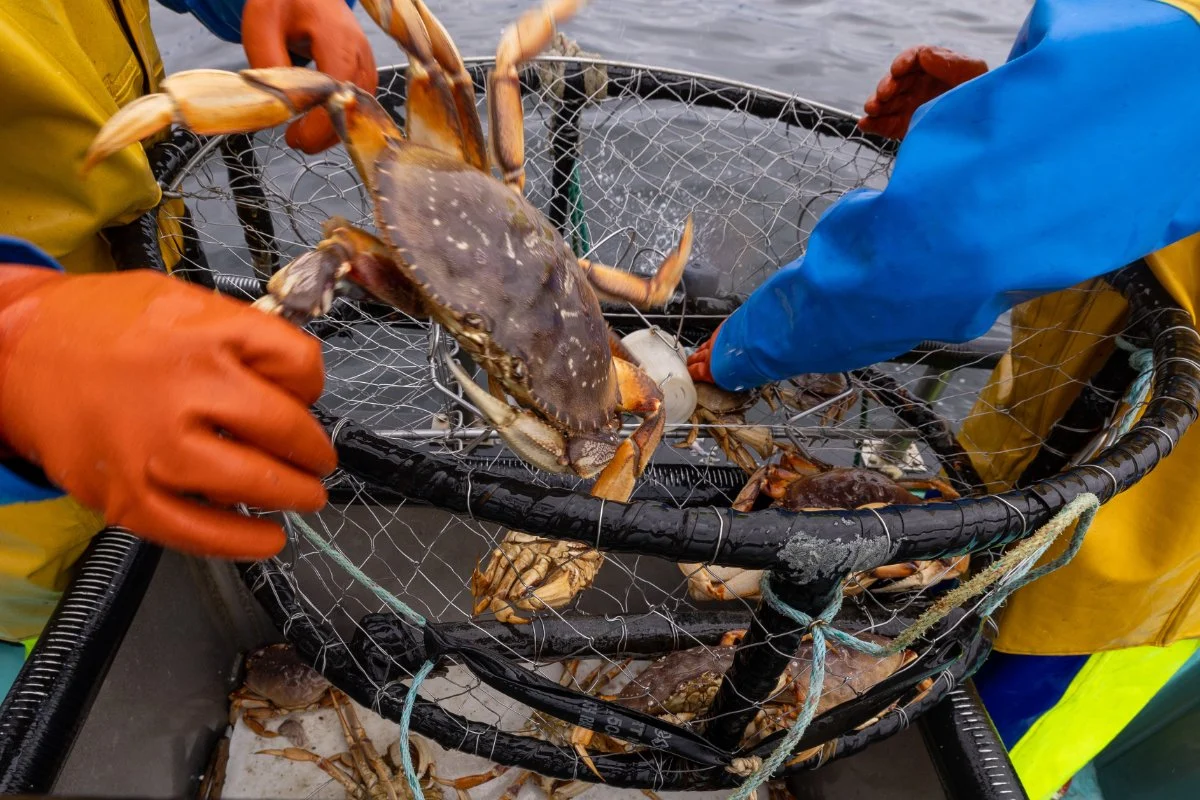
Fishers across the United States are facing an unprecedented confluence of climate-driven challenges, with the impending "super El Niño" storm season poised to devastate marine ecosystems and the livelihoods dependent on them. This severe weather pattern, currently intensifying in the tropical Pacific, is forecast to be among the most powerful on record, promising erratic and violent conditions along the U.S. Pacific coast from California to Alaska. Compounding this looming environmental crisis is a long-standing systemic failure: the absence of government-supported insurance programs for fishers, a stark contrast to the crop insurance available to farmers, and a federal disaster relief system that is notoriously slow, often delivering aid years too late for many small businesses to survive. The situation has prompted urgent calls for congressional intervention and a fundamental reform of how the nation supports its vital fishing communities.
The Looming Threat of a "Super El Niño"
The rapid intensification of Hurricane Polo into a Category 5 storm off the coast of Mexico earlier this week serves as a grim prelude to the extreme weather expected from the burgeoning "super El Niño." This natural climate phenomenon, part of the El Niño-Southern Oscillation (ENSO) cycle, involves a significant warming of sea surface temperatures in the central and eastern tropical Pacific Ocean. While El Niño events occur periodically, the current iteration is projected to be exceptionally strong, with sea surface temperatures anticipated to rise by an alarming 3.4°C through February 2027. This level of warming is historically associated with widespread global weather disruptions, and its severity is increasingly amplified by anthropogenic climate change, pushing the pattern into uncharted territory.
The immediate implications for the U.S. Pacific coast are dire. Forecasters predict a season of heavy rains, powerful winds, and significant coastal flooding. California Governor Gavin Newsom has already declared a state of emergency, mobilizing state resources to bolster preparedness and protect vulnerable communities against anticipated landslides and infrastructure damage. However, the most profound and lasting impacts are expected to reverberate through marine environments, directly threatening the delicate balance of the ocean’s food chain and, consequently, the multi-billion-dollar fishing industry.
Devastating Ecological and Economic Fallout
El Niño’s warmer ocean surface temperatures and weakened trade winds disrupt the critical process of upwelling, where nutrient-rich, cooler waters from the deep ocean are brought to the surface. This disruption effectively traps essential nutrients at cooler depths and closer to shore, depriving plankton—the microscopic algae forming the base of the marine food web—of their primary sustenance. The cascading effects are profound: marine species across the food chain, from forage fish to apex predators, either starve, become susceptible to disease, experience reproductive failures, or migrate to deeper, colder waters in search of food.

Historical data provides a stark warning. The last "super El Niño" in 2015-2016 inflicted at least $141 million in losses across key Pacific fisheries, including Dungeness crab, salmon, red sea urchin, and sardine. The aftermath of such events can linger for years, with some fisheries struggling to recover even a decade later. California’s red sea urchin fishery, for instance, has yet to rebound, contributing to broader ecosystem-level crises.
Beyond direct impacts on fish stocks, the secondary effects are equally destructive. Strong winds, towering waves, and coastal flooding can render it impossible for fishers to even leave port, severing their income streams for extended periods. Bodega Bay crab fisher Dick Ogg highlighted this reality, noting that even if fish are available, adverse weather conditions can prevent access to fishing grounds.
A particularly alarming consequence observed during the 2015-2016 event was the proliferation of harmful algal blooms (HABs). These blooms, fueled by warmer waters, produce neurotoxins like domoic acid, which can accumulate in shellfish and render them unsafe for human consumption. The Dungeness crab fishery, a cornerstone of California’s seafood industry, suffered a double blow: not only were crab populations impacted by disrupted food chains, but those that survived ingested domoic acid. This led to a closure of the fishery for five of its seven months, resulting in an estimated $27.2 million in losses and underscoring the complex, multi-faceted nature of El Niño’s damage. Moreover, changes in whale migration patterns, driven by scarce offshore plankton, led to increased entanglements with crab gear, further complicating management and necessitating additional closures to protect marine mammals.
The Broken Safety Net: A Deep Dive into Federal Disaster Relief
Unlike their agricultural counterparts who benefit from government-subsidized crop insurance, commercial fishers operate without a comparable federal safety net. When fisheries collapse due to environmental disasters, their only recourse is typically through the National Oceanic and Atmospheric Administration (NOAA)’s disaster assistance program. However, this system is critically flawed and notoriously slow, often proving to be a death knell for small, family-owned fishing businesses.
The process for receiving NOAA disaster relief is labyrinthine and protracted. It begins with states submitting disaster requests, which then undergo extensive review by NOAA, the Commerce Secretary, and the Office of Management and Budget. Even after approval, funds are not immediately available; Congress must appropriate the money, a legislative step that can take years. Once funds are finally secured, states must then convene stakeholders to design equitable distribution plans, which require further federal sign-off. This bureaucratic gauntlet means that relief can take anywhere from three to six years to reach the fishers who desperately need it.

The consequences of these delays are severe. For businesses with tight margins and high operating costs—including vessel expenses, loan repayments, and living expenses—a multi-year gap in income is unsustainable. The number of disaster relief requests submitted to NOAA has surged dramatically, from an average of two per year between 1985 and 2015 to an average of ten per year since then, reflecting the accelerating impacts of climate change on marine ecosystems. Despite this growing demand, nearly 30 claims for disasters as far back as 2019 are still awaiting review or funding. For example, the Trump administration allocated $124 million for fishery disasters this year, but these funds were for crises that occurred in 2022 and 2023, leaving older claims in limbo.
Voices from the Front Lines: Fishermen’s Struggles and Sacrifices
The human cost of this broken system is profound. Gabriel Prout, a third-generation crab fisherman and president of Alaskan Bering Sea Crabbers, shared a harrowing account of the struggles faced by his community. Alaska’s crab fishery, a vital economic engine for the state and the Pacific Northwest, began collapsing in 2019 due to factors like ocean acidification, leading to the first closure of the Bristol Bay red king crab fishery in 25 years. This was followed by the catastrophic collapse of the snow crab fishery in 2021, triggered by a marine heatwave that caused a mass starvation event.
"We lost roughly $250 million in ex-vessel value in a year," Goen stated, highlighting the immense economic blow. For Prout and his peers, federal relief took four agonizing years to materialize, with two other disaster requests still pending. "When your revenue basically disappears overnight for multiple years, it gets extremely difficult to stay in business," Prout explained. "You’re still left with bank loans, quota rights, mortgage fees, vessel expenses, drydocking, and your regular living expenses."
To survive, Prout’s family implemented drastic cost-cutting measures, including reducing crew numbers and performing their own vessel maintenance. They diversified income streams, ferrying salmon for other vessels and even renting out a room in their home and their personal vehicle through a car rental app. Such sacrifices often come at the expense of safety, Prout cautioned. Without adequate income for proper maintenance, vessels may operate with overlooked issues, and the exodus of experienced crew members during closures can lead to less-skilled workers taking their place, further compounding safety risks in an already dangerous profession.
The outcome, Prout lamented, is an accelerated consolidation of the industry. "A lot of small family businesses have decided to call it quits, and the fishery is continuing to get more consolidated," he said, signaling a loss of generational knowledge and community fabric. When the snow crab fishery finally reopened last year, only 35 vessels participated, a sharp decline from the 60 to 70 vessels that operated before the closure.

Urgent Calls for Congressional Action and Systemic Reform
Ocean advocates and fishing groups are united in their demand for immediate and long-term reforms. Anthony Rogers, a senior fellow for Fisheries Economics and Climate at Ocean Conservancy, argues that Congress should preemptively appropriate funds for anticipated El Niño-related losses. "Ultimately, they’re going to allocate disaster funds because we know a disaster is going to happen," Rogers asserted. "They should allocate it now so that it’s ready to disperse when people actually need it, rather than five years later." This proactive approach would bypass the current cumbersome process and provide a lifeline when communities are most vulnerable.
A NOAA spokesperson, while declining to comment on "internal management matter," affirmed the agency’s commitment to "providing timely information, research and resources that serve the American public and ensure our nation’s economic and environmental resilience." However, the stark reality faced by fishers suggests that the current mechanisms are failing to deliver on this promise.
Beyond immediate appropriations, a more fundamental systemic reform is needed for the medium term. The idea of creating a form of "crop insurance" for fishers, an concept researched and discussed for decades, is now gaining significant traction. The establishment of USDA’s Office of Seafood in April 2026 has provided a crucial platform for these discussions.
Pioneering Solutions: The Push for Fishery Insurance
The absence of a robust safety net has invigorated efforts to develop fishery insurance products. Jamie Goen, executive director at Alaskan Bering Sea Crabbers, is a member of the Ocean Modeling Forum, one of several U.S. initiatives exploring the feasibility of such insurance. The vision involves piloting a fully subsidized program within the next two years, spanning multiple fisheries across the country to diversify risk for insurers. These discussions are actively underway with the USDA’s Office of Seafood. Mike Illenberg, director of the Office of Seafood, confirmed these conversations, stating, "We are very much in the ideation stage."
Concurrently, Homarus Strategies, a marine policy consulting group, and the Alaska Longline Fishermen’s Association (ALFA) are also advancing this cause. They successfully collaborated with the office of Senator Lisa Murkowski (R-Alaska) to secure $500,000 in the 2027 fiscal year budget specifically for developing a pilot commercial fisheries insurance program.

Existing models offer promising pathways. USDA’s Office of Risk Management already operates a pilot insurance program for oyster producers, demonstrating a precedent for aquaculture. Internationally, innovative solutions are emerging. In June 2026, a Caribbean insurance provider partnered with the United Nations Office for Disaster Risk Reduction to launch a new insurance product designed to protect Caribbean fishers from hurricane damages. Similarly, parametric insurance policies, where a payout is triggered by a single, predefined indicator like wind speed or ocean temperature, are being used in Mexico and Hawaii to insure coral reefs against hurricane destruction, with payouts funding restoration efforts. Chris Anderson, a fisheries economist and professor at the University of Washington and a member of the Ocean Modeling Forum, suggests that parametric models based on indicators like ocean temperature or salinity could be effective for fisheries. Alternatively, more traditional insurance forms, paying out based on lost revenues from diminished catches, might suit specific fisheries.
Anderson emphasizes that the current period represents a critical "window of opportunity" for fishery insurance. Climate impacts are now occurring with sufficient frequency to make insurance actuarially viable, but not yet with such regularity that the risk becomes uninsurable.
Navigating the Complexities: Challenges and Considerations for Fishery Insurance
While the promise of fishery insurance is significant, many complex questions remain. Anthony Rogers of Ocean Conservancy supports the concept but expresses concern that new insurance models might inadvertently favor large, industrialized fisheries, leaving small, independent operators marginalized. This echoes a persistent criticism of traditional crop insurance programs, which have historically benefited larger farms.
To address this, models like USDA’s Whole Farm Revenue Protection and Micro Farm programs, designed for smaller agricultural operations, could potentially be adapted for fisheries. However, the incentive structure for insurance brokers, who typically earn commissions tied to policy size, would need re-evaluation. A flat fee payment structure for brokers, for instance, could encourage them to serve smaller fishing businesses.
Another crucial consideration is the long-term nature of fishery impacts. As Anderson notes, fisheries often resemble tree crops more than row crops, with effects lingering for years. Any insurance product must therefore account for these extended recovery periods. Furthermore, policies must be flexible enough to accommodate fishers’ adaptive strategies, such as shifting target species or fishing grounds in response to changing ocean conditions, rather than locking them into maladaptive practices that discourage climate adaptation, a pitfall observed in some crop insurance schemes. Careful coordination with existing fishery management systems will also be essential to avoid unintentionally incentivizing unsustainable fishing practices.

Beyond Insurance: The Enduring Need for Comprehensive Support
Despite the growing enthusiasm for fishery insurance, experts widely agree that it cannot entirely replace the federal disaster relief program. Noah Oppenheim, founder of Homarus Strategies, succinctly put it: "Nobody is saying we need to replace the fishery disaster program. We need to focus on improving it." Federal relief plays a broader role, supporting not only fishers but also processors, distributors, and related businesses within fishing communities, as well as funding vital research and long-term stock rebuilding programs. Fisheries that remain uninsurable due to inherent risks or other factors will continue to rely on robust federal assistance.
The intertwining of climate change, economic vulnerability, and systemic governmental shortcomings paints a stark picture for U.S. fisheries. As the "super El Niño" gathers strength, the urgency for comprehensive solutions — encompassing both immediate congressional action and the long-term development of equitable insurance programs — has never been greater. For crab fisherman Gabriel Prout and countless others, it is about more than just business survival; it is about "protecting their legacy and being able to have something that’s sustainable for our children." The future of America’s fishing families and the resilience of its coastal communities hang in the balance.