admin
admin
The intersection of tattooing and fermentation represents a profound, yet often overlooked, anthropological phenomenon where the transformation of the human body and the transformation of raw organic materials converge. Across diverse Indigenous cultures—from the subarctic forests of Hokkaido to the tropical highlands of the Philippines and the savannas of Guyana—these two practices have historically shared a "grammar of transformation." Both tattooing and fermentation serve as technologies of continuity, allowing communities to maintain a dialogue with their land, ancestors, and social structures through embodied knowledge. While tattooing inscribes identity and lineage permanently onto the skin, fermentation preserves and nourishes the community through shared ritual and taste. Together, they function as dual pillars of cultural preservation, often emerging from the same domestic and spiritual centers.
The Hearth as a Cosmological Center: The Ainu of Northern Japan
For the Ainu, the Indigenous people of Hokkaido, Sakhalin, and the Kuril Islands, the hearth (ape-huci) served as the physical and spiritual anchor of the household. It was here that the practices of tattooing and brewing were inextricably linked through the deity Kamuy Fuchi, the goddess of the hearth. In Ainu cosmology, Kamuy Fuchi oversaw all domestic labor, and her protection was vital for the survival of the community.
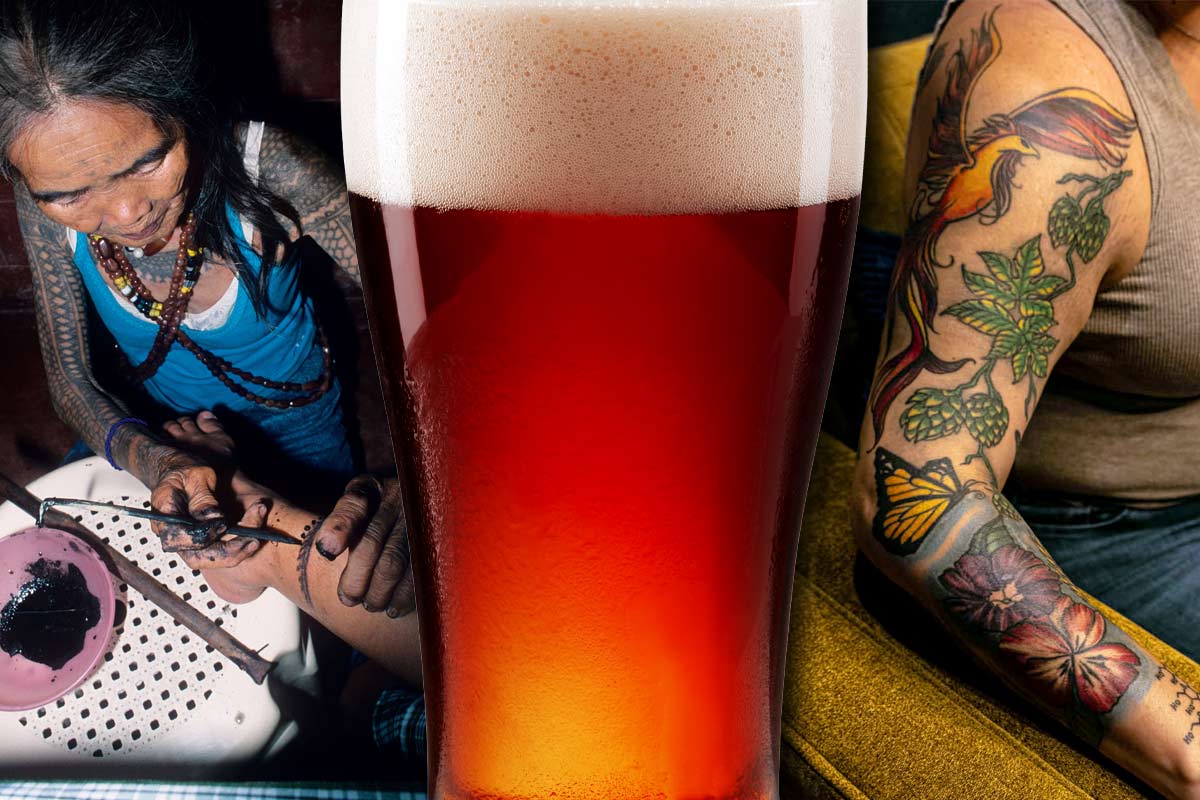
Historically, Ainu tattooing was a gendered ritual performed on women. The process involved using a small knife, or makiri, to make incisions, into which soot was rubbed. This soot was not merely a pigment; it was specifically collected from the underside of earthenware pots used for brewing and cooking over the hearth fire. This created a direct physical link between the fermented beverages produced for ritual use and the permanent markings on the woman’s body. The tattoos, particularly the distinctive mouth markings, were believed to ward off malevolent spirits and were required for a woman to enter the afterlife.
Simultaneously, the production of tonoto, a fermented rice-and-millet beer, was a sacred duty reserved for Ainu women. The brewing process was conducted under the watchful eye of Kamuy Fuchi. The beer was an essential component of the iyomante (bear sending) ceremony and other offerings to the kamuy (gods). The suppression of these practices began in the late 19th century during the Meiji Restoration, as the Japanese government implemented forced assimilation policies. The 1899 Hokkaido Former Aborigines Protection Act effectively banned Ainu tattooing and restricted traditional brewing, stripping these practices of their legal status while attempting to erase the Ainu’s distinct cultural identity. Today, a revival of Ainu identity has seen a renewed interest in these ancestral links, though the traditional tattooing process remains rare.
Chemical Convergence: The Kalinga and Fermented Ink
In the Cordillera Central mountains of the Philippines, the Kalinga people have maintained a tattooing tradition known as batok for centuries. Unlike the Ainu, where the link was the source of the soot, the Kalinga tradition highlights a chemical intersection between the ink and the fermentation process. Traditional Kalinga ink was often composed of soot mixed with water or plant-based catalysts. In certain historical contexts, sugarcane juice—a primary ingredient for fermented beverages in the region—was used as a carrier for the pigment.
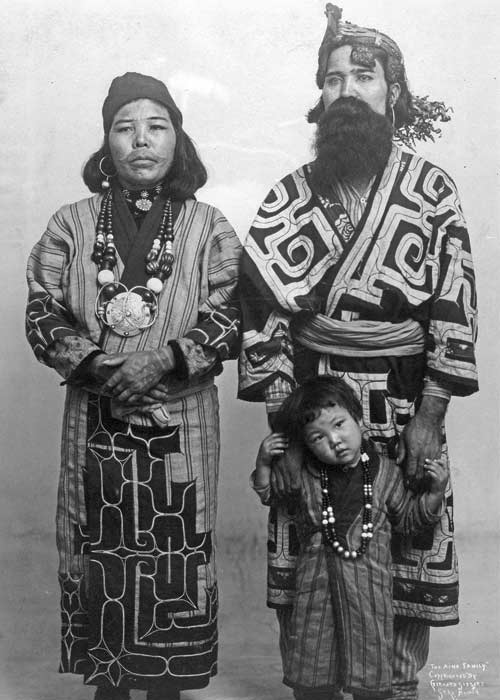
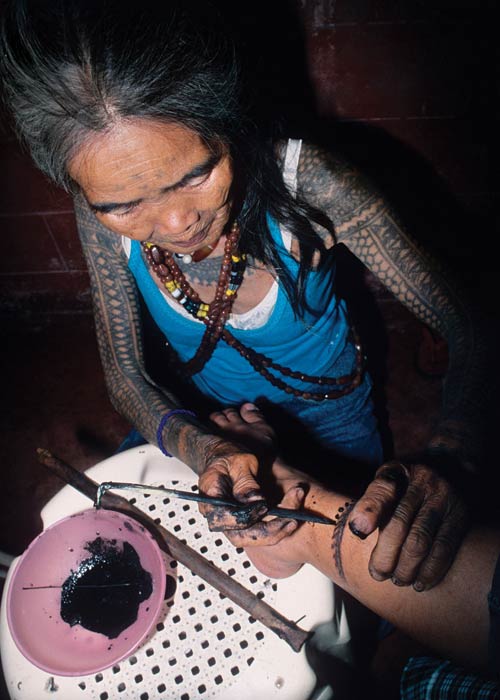
When sugarcane juice is mixed with soot and left to rest, natural yeasts present in the environment begin the fermentation process, converting sugars into alcohol. This chemical transition altered the viscosity and potentially the antiseptic properties of the ink. The mambatok (tattoo artist) would use a thorn from a calamansi or pomelo tree attached to a bamboo stick to tap this mixture into the skin.
For Kalinga men, batok was a record of bravery and a marker of the "warrior" status, earned through participation in traditional warfare. For women, it was an aesthetic requirement and a sign of maturity. The most famous living practitioner, 107-year-old Apo Whang-od Oggay, continues to use these traditional methods in the village of Buscalan. While modern pigments have largely replaced fermented mixtures, the social context remains: the consumption of fermented rice wine (tapuy) or sugarcane wine (basi) continues to accompany the ritual of tattooing, reinforcing the bond between the community and the transformative act of the needle.
Charms of the Brew: The Makushi of the Guiana Shield
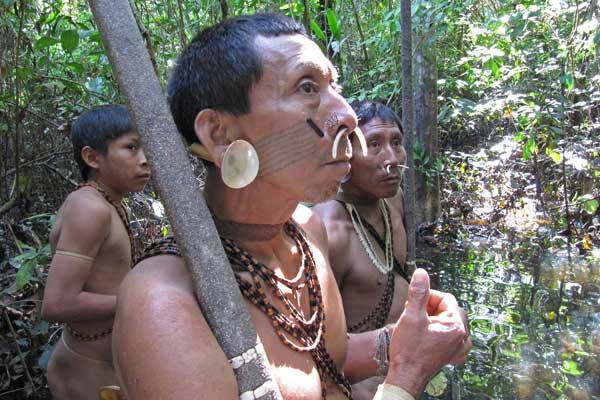
In the Amazonian borderlands between Guyana and Brazil, the Makushi people demonstrate a functional relationship between tattooing and fermentation. For the Makushi, the cultivation and processing of cassava are the foundations of social life. Their primary fermented beverage, parakari, is unique among Indigenous brews for its use of a dual-fermentation process involving both mold (Rhizopus oryzae) and yeast.
Anthropological records indicate that Makushi women traditionally received tattoos known as kansku, which served as "brewing charms." These markings, often located on the arms or jaws, were believed to directly influence the quality of the fermentation. Specific patterns representing stinging insects, such as bees or scorpions, were inscribed to ensure the brew had a "sting" (intoxicating potency) or a "sweetness" like honey. In the Makushi language, the word yekî refers both to the sting of an insect and the state of being intoxicated.
The social protocol of the Makushi dictated that a woman’s ability to provide a fermented drink was tied to her physical markings. A woman without the proper tattoos was often deemed less capable of producing high-quality parakari. This belief system transformed the tattoo from a static symbol into an active participant in the biochemical process of brewing. Although missionary influence in the 20th century led to a decline in kansku, the cultural memory of the "tattooed brewer" remains a testament to the belief that the state of the body influences the state of the ferment.
Indigenous Epistemology and Body Sovereignty in Hawaii
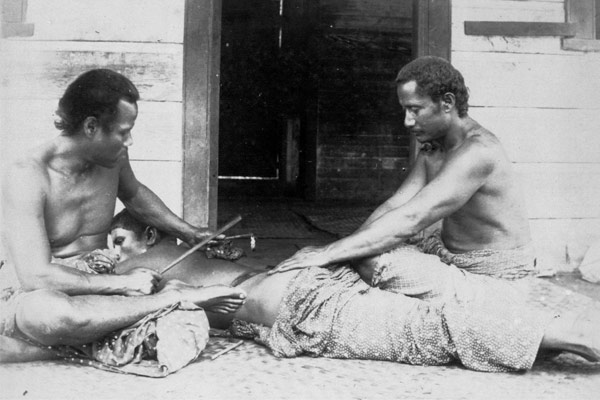
The Hawaiian perspective offers a broader framework for understanding these intersections through the concepts of genealogy and kinship. In Native Hawaiian culture, kākau (tattooing) is a means of recording one’s lineage on the skin. This practice is mirrored in the cultivation and fermentation of kalo (taro) to make poi.
In Hawaiian cosmology, the kalo plant is considered the elder brother of the Hawaiian people, stemming from the same ancestral origin. Therefore, the act of fermenting poi and consuming it is an act of kinship. Dr. Lindsay Malu Kido, a scholar of Indigenous body sovereignty, notes that both kākau and the preparation of kalo are acts of decolonization. By reclaiming these practices, Indigenous Hawaiians reassert authority over their bodies and their food systems, moving away from Western frameworks that historically pathologized tattooing and "sanitized" traditional fermented foods.
Contemporary Implications: Tattoos in the Modern Craft Industry
The historical and Indigenous link between ink and drink finds a modern, albeit secular, echo in the contemporary craft brewing industry. For many modern brewers, tattoos serve as a visual shorthand for their professional identity and personal transformation. Data from the brewing industry suggests that the prevalence of tattoos among craft brewers is significantly higher than in the general population, often serving as a "uniform" of the craft.
However, for some, these markings go beyond aesthetics. Sandra Murphy, owner of Murphy’s Law Brewery in Texas, utilized tattooing as a tool for healing and memory following personal tragedy. Her sleeve, which incorporates chemical formulas for yeast cell walls alongside botanical representations of hops and barley, represents a synthesis of scientific knowledge and emotional resilience. Similarly, Rachael Engel of Sound2Summit Brewery highlights how tattooing and the craft of brewing provided a pathway for expressing her identity as a transgender woman.
In these modern contexts, the "transformation" is often internal and psychological, yet it remains expressed through the same two mediums used by the Ainu or the Makushi: the modification of the body and the mastery of fermentation.
Scientific and Cultural Synthesis: A Brief Analysis
From a journalistic and sociological perspective, the recurring connection between tattooing and fermentation suggests three primary functions:
- Ritual Protection: In many cultures, both the skin and the fermented vessel are "porous" boundaries that require spiritual protection. The use of sacred soot or charms ensures that the transformation (from child to adult, or from starch to alcohol) is successful and safe.
- Social Signaling: Tattoos and specific brews both signal a person’s readiness to participate in adult society, their skill level, or their ancestral standing.
- Environmental Integration: Both practices rely on local ecology—whether it is the specific wood burned for soot, the local strains of yeast in the air, or the plants used for pigments and sugars.
While the specific meanings vary, the underlying logic is consistent: humans use the tools of transformation to make sense of their place in the world. As global interest in both traditional tattooing and artisanal fermentation continues to grow, these ancient intersections provide a roadmap for understanding how identity is cultivated, preserved, and worn. The resurgence of these practices in the 21st century suggests that despite centuries of colonial suppression, the human impulse to mark the body and the bottle remains a fundamental aspect of cultural expression. Both ink and drink leave lasting traces, reminding us that transformation is not merely a biological process, but a deeply social and spiritual one.