admin
admin
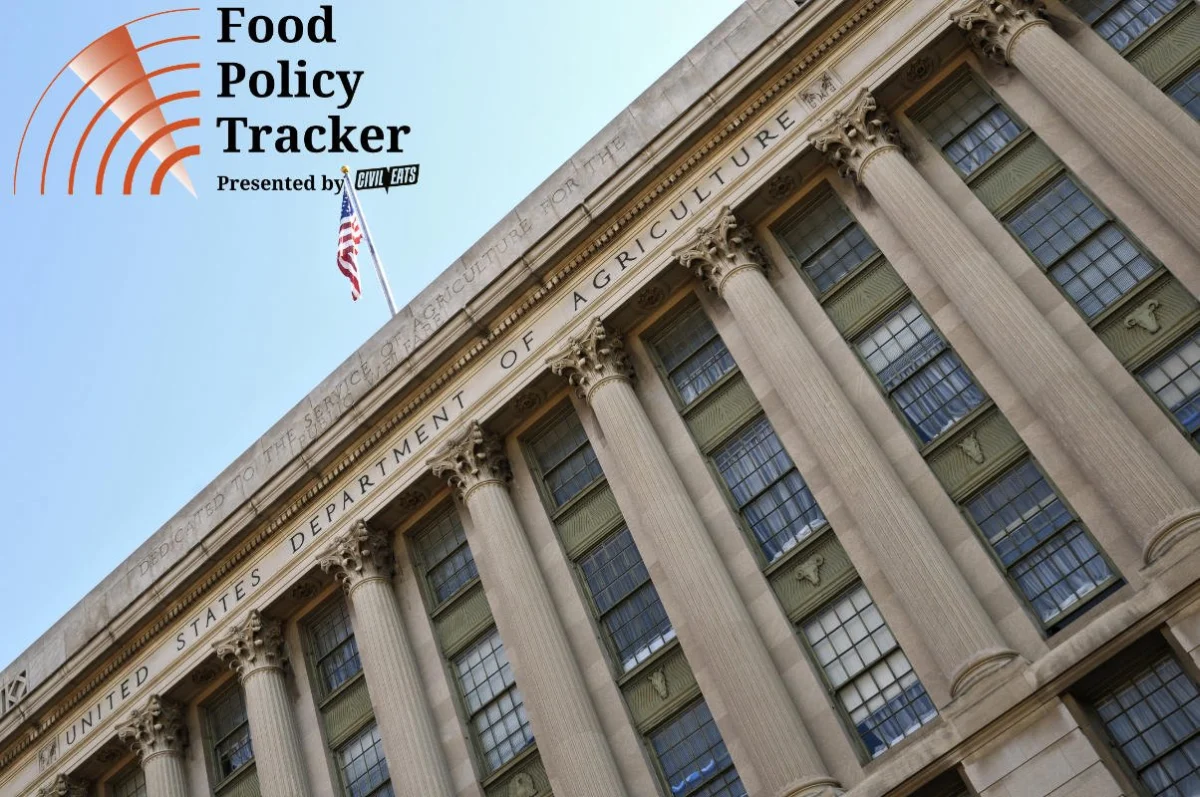
House Democrats have launched a formal inquiry into the U.S. Department of Agriculture (USDA), questioning its failure to disburse $12 million in congressionally allocated funds intended to bolster urban and suburban farming initiatives over the past two fiscal years. The unreleased funds, critical for supporting local food systems and enhancing food access in metropolitan areas, have sparked concern among lawmakers and advocates as the 2027 fiscal year commences this week without the money having been made available.
A Critical Funding Standoff
The core of the issue lies with the Urban Agriculture and Innovative Production (UAIP) grants program, which received appropriations of $7 million for the 2025 fiscal year and an additional $5 million for the 2026 fiscal year. Despite these allocations, not a single dollar of the combined $12 million has reached the intended recipients – urban and suburban farmers and community organizations across the nation. This significant delay has prompted a strong rebuke from Capitol Hill, culminating in a letter signed by Representative Alma Adams (D-North Carolina) and twenty-four of her congressional colleagues, dispatched to the USDA on Monday, September 28, 2026. The bipartisan call to action underscores the growing frustration with what lawmakers perceive as an unacceptable bureaucratic bottleneck.
Representative Adams, a vocal proponent of food justice and urban development, articulated the program’s foundational purpose in a press release accompanying the letter. "UAIP was created to support local family farms and increase access to affordable healthy foods in urban districts across the country; the program must continue to do that," she stated emphatically. "I am calling on the USDA to distribute these funds as they have been directed by Congress." The lawmakers’ letter not only demands an explanation for the prolonged delay but also urges the USDA to rectify the situation promptly, specifically requesting that the full $12 million be made available with a 60-day application period before the close of 2026. This deadline highlights the urgency of getting these funds into the hands of communities before the calendar year concludes and the appropriations effectively expire or become more challenging to utilize.
The Genesis of Federal Urban Agriculture Support

The Office of Urban Agriculture and Innovative Production, alongside the UAIP grants program, was a landmark creation of the 2018 Farm Bill. This pivotal legislation marked a significant step forward in recognizing the unique challenges and immense potential of farming within urban and suburban environments. Prior to 2018, federal support for these non-traditional agricultural practices was sporadic and often fragmented, failing to address the systemic needs of a burgeoning sector. The establishment of the Office and the UAIP program aimed to provide a dedicated institutional framework and consistent funding stream to foster sustainable, equitable, and localized food systems in densely populated areas.
The primary objectives of the UAIP program are multifaceted: to support the development of urban and suburban farms, promote innovative agricultural practices, enhance food security in urban food deserts, create economic opportunities, and foster community engagement around food production. This includes a broad spectrum of projects, from vertical farms and hydroponic systems to community gardens, school gardens, composting initiatives, and urban farm incubators that provide training and resources for new farmers.
Since its inception, the program has demonstrated considerable success in meeting these goals. Before the current funding hiatus, the USDA had funded close to 200 UAIP grants and 150 cooperative agreements. These projects have ranged from establishing urban farm training programs in disinvested neighborhoods to developing composting infrastructure that diverts organic waste from landfills while enriching urban soils. For instance, past grants have supported initiatives like a community-led project in Detroit converting vacant lots into productive food hubs, a hydroponic farm in New York City providing fresh produce to local schools, and a composting cooperative in Los Angeles reducing food waste and creating green jobs. Such initiatives not only provide fresh, healthy food in areas often underserved by conventional agricultural supply chains but also contribute to environmental sustainability, community cohesion, and local economic resilience.
A History of Underfunding and Program Vulnerability
Despite its proven track record and the clear need it addresses, the UAIP program has consistently grappled with a fundamental challenge: the lack of permanent funding. Unlike some established federal programs that receive mandatory appropriations, UAIP grants rely on discretionary funding, making them vulnerable to annual political negotiations and shifts in budgetary priorities. This precarious funding structure has meant that the program has struggled with inadequate resources almost every year since its establishment.
The $12 million allocated for FY2025 and FY2026, while substantial, already represented a significant reduction compared to amounts distributed in earlier, more robust funding cycles. This downsizing, coupled with the current administrative delay, amplifies concerns about the federal government’s commitment to urban agriculture. For a program designed to foster long-term planning and investment in communities, unpredictable and delayed funding creates immense instability, hindering the ability of organizations to plan, hire staff, and secure matching funds from other sources.

Data from the USDA’s own Economic Research Service consistently highlights the prevalence of food deserts in urban areas, where residents lack easy access to affordable, nutritious food. Millions of Americans, particularly in low-income communities and communities of color, reside in these areas, relying on convenience stores or fast-food establishments as primary food sources. Urban agriculture initiatives, supported by programs like UAIP, offer a direct and effective strategy to address these disparities, bringing fresh produce closer to consumers and empowering communities to take control of their food systems. The current delay directly undermines these efforts, potentially exacerbating existing food insecurity issues in the very communities the program aims to serve.
The Ripple Effect: Implications for Urban Communities and Farmers
The failure to release $12 million in UAIP funds carries significant consequences for a diverse array of stakeholders. At the most immediate level, urban and suburban farmers, community organizations, and educational institutions that have been anticipating these grants are now facing uncertainty, project delays, or even the outright cancellation of planned initiatives. For small-scale urban farms operating on thin margins, federal grants can be a lifeline, enabling investments in infrastructure, equipment, and staff that are crucial for scaling operations and increasing food production. Without this funding, expansion plans are stalled, innovative projects are put on hold, and the growth of local food economies is stifled.
Beyond individual projects, the delay erodes trust in federal programs and the government’s commitment to supporting sustainable agriculture. Community leaders and advocacy groups, who have invested considerable time and effort in promoting urban agriculture and helping local entities navigate the grant application process, express profound disappointment. Many rely on federal funding as a catalyst to attract additional private and philanthropic investment. A consistent pattern of delayed or withheld funds can deter future applications and diminish the overall enthusiasm for leveraging federal resources in these critical areas.
Furthermore, the delay impacts the broader goals of food equity and public health. With urban populations continuing to grow, the need for localized, resilient food systems becomes ever more pressing. The unreleased funds could have supported dozens of new community gardens providing fresh produce to low-income families, established school gardens educating children about healthy eating, or funded composting programs reducing waste and improving soil health. Each delayed grant represents a missed opportunity to improve public health outcomes, reduce environmental impact, and foster stronger community ties. The economic implications are also noteworthy; urban agriculture contributes to local economies through job creation, small business development, and increased property values in revitalized areas. Hindering this growth can have a cascading negative effect on urban economic development strategies.
The USDA’s Silence and the Path Forward

As of press time, the USDA has not issued a public statement or responded to inquiries regarding the delay in distributing the UAIP funds. This silence, coupled with the impending start of a new fiscal year, intensifies the pressure on the agency. While the exact reasons for the delay remain officially undisclosed, observers suggest several potential factors. These could include administrative backlogs, staffing shortages within the relevant USDA departments, technical challenges in establishing the grant application portal, or even internal policy disagreements regarding the program’s implementation. Whatever the cause, the lack of transparency has only fueled frustration among congressional members and the urban agriculture community.
The congressional letter from Representative Adams and her colleagues serves as a clear signal of congressional oversight and the intent to hold the USDA accountable. The demand for a 60-day application window before the end of 2026 indicates a desire to circumvent further delays and ensure the funds are utilized within their designated fiscal cycle. If the USDA fails to act swiftly, lawmakers may consider further measures, including formal hearings, budget amendments, or even direct legislative action to compel the release of the funds.
Looking ahead, this incident underscores the ongoing need for robust, consistent, and permanently secured funding for programs like UAIP. Advocates for urban agriculture often point out that while the 2018 Farm Bill was a significant step, future Farm Bills must address the structural vulnerabilities of such programs. Moving forward, the urban agriculture community and its congressional champions will likely continue to press for greater financial stability and administrative efficiency to ensure that federal support for urban farming is not merely allocated on paper but effectively translated into tangible benefits for communities nationwide. The current standoff serves as a stark reminder of the intricate interplay between legislative intent, administrative execution, and the real-world impact on local food systems and the people they serve.