admin
admin
While San Francisco and the North Bay have historically dominated the narrative of Northern California’s craft beer industry, a significant shift in the regional beverage landscape has established a new destination for enthusiasts along the San Francisco Peninsula. This emerging "beer trail" spans a 30-mile corridor in San Mateo County, following the path of Highway 101 and the Caltrain commuter line. From the northern transit hubs of Burlingame down to the revitalized downtown sectors of Redwood City, a collection of independent breweries, plant-based culinary centers, and traditional European-style taprooms are redefining the suburban landscape through the lens of craft fermentation.
The development of this corridor reflects broader economic and cultural trends within the San Francisco Bay Area. As commercial real estate in San Francisco proper remains at a premium and the workforce continues to decentralize toward the suburbs, San Mateo County has seen an influx of artisanal businesses seeking larger footprints. This migration has resulted in a sophisticated network of taprooms that cater to a diverse demographic, ranging from tech professionals to long-time residents, all of whom are increasingly prioritizing locally produced, high-quality beverages.
The Northern Gateway Burlingame and the Intersection of Tech and Hospitality
The northern end of the Peninsula beer trail begins in Burlingame, a city traditionally known for its proximity to San Francisco International Airport (SFO). Here, the opening of Twelvemonth represents a significant evolution in the local hospitality sector. Occupying a large-scale former brewery space, Twelvemonth is the brainchild of Bob Trahan, a former technology executive who transitioned into the culinary arts. The establishment functions as a multi-use complex, incorporating an ambitious plant-based restaurant and a high-volume bakery.
Twelvemonth’s beverage program serves as a curated introduction to the region’s brewing excellence. Rather than focusing solely on in-house production, the facility utilizes its extensive tap system to showcase established Northern California icons alongside local innovators. This includes the presence of Russian River Brewing Company’s flagship "Pliny the Elder," widely considered a benchmark for the West Coast IPA style. The selection also highlights the diversity of the Bay Area’s brewing scene, featuring crisp lagers from Richmond’s East Brother Beer Co. and non-alcoholic options from San Francisco’s Fort Point Beer Company. The presence of such a sophisticated beverage program within a plant-based framework illustrates the modern consumer’s demand for health-conscious dining paired with traditional craft beer values.
Industrial Innovation and Technical Mastery in Belmont
Continuing south to Belmont, the beer trail takes on a more industrial character. Located within the Harbor Business Center, Alpha Acid Brewing Company exemplifies the "industrial park brewery" model that has become a staple of the American craft movement. Since its inception in 2014, Alpha Acid has built a reputation for technical experimentation and a rotating menu that caters to both traditionalists and those seeking avant-garde styles.
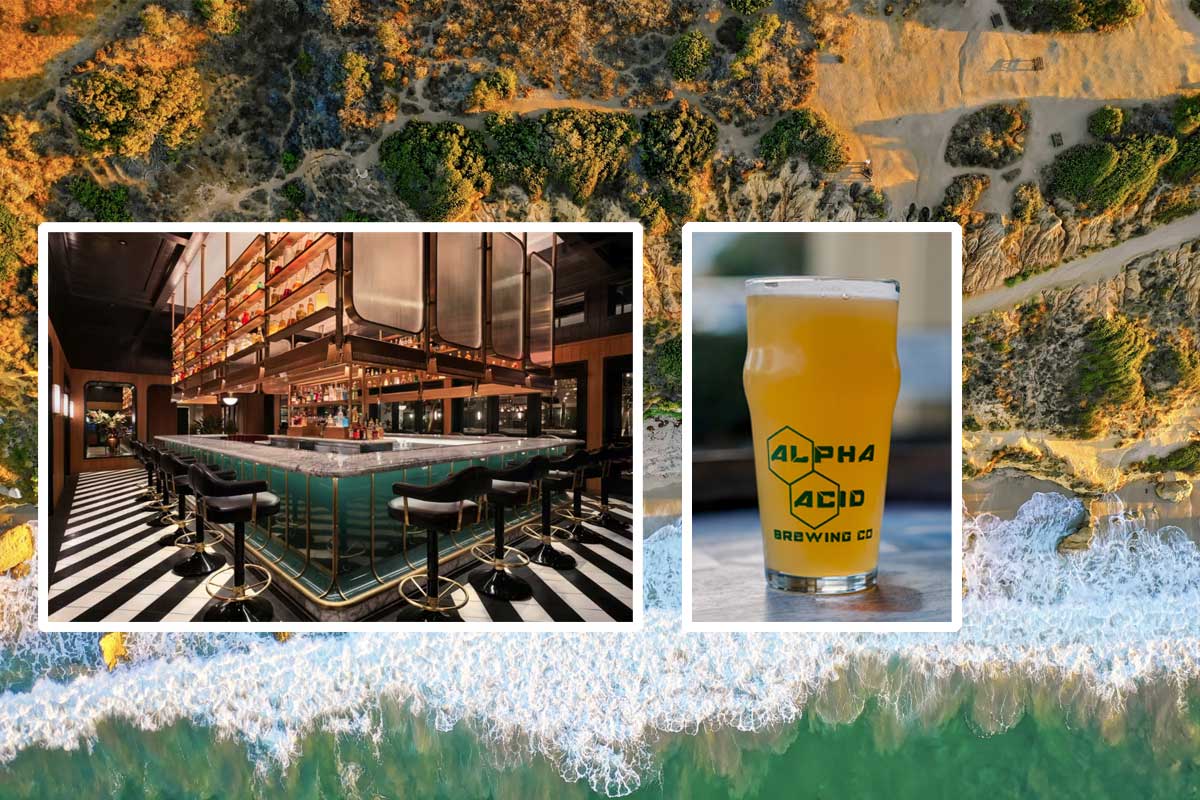
The brewery’s portfolio is expansive, ranging from the "La Chulita" Mexican Lager to the highly technical "May The Haze Be With You," a 7% ABV New England-style IPA characterized by orange and pine aromatics. Alpha Acid also delves into the darker end of the spectrum with "Murder She Wroatmeal," an oatmeal stout enriched with cacao and coconut. For the connoisseur, the brewery offers a selection of barrel-aged products, such as the "Flying Dutchman," a tropical stout aged in rum barrels that reaches a potent 10.2% ABV. The success of Alpha Acid is often attributed to its community-centric atmosphere, bolstered by a rotation of local food trucks and an environment that includes pinball machines, bridging the gap between a production facility and a neighborhood social hub.
San Carlos and the Rise of Specialized Fermentation
In the neighboring city of San Carlos, Blue Oak Brewing Co. has carved out a niche by specializing in fruited sours and contemporary IPA variants. The facility features a sprawling indoor-outdoor space, reflecting the Peninsula’s favorable climate and the consumer preference for airy, communal environments.
Blue Oak’s "Cherry Bomb," a fruited sour featuring cherry and lime, and "POG is My Copilot," a tropical fusion of passion fruit, orange, and guava, demonstrate the brewery’s commitment to bold, fruit-forward profiles. However, the brewery also engages with cutting-edge brewing science. Their "Hello Motueka" Hazy IPA utilizes "thiolized" yeast—a relatively recent innovation in the brewing industry designed to unlock aromatic compounds in hops and malt that are otherwise inaccessible during standard fermentation. This technical approach results in an amplified fruit profile that has become a significant draw for the region’s "hop-heads."
Redwood City The Southern Hub of Craft Tradition and Modernity
Redwood City serves as the anchor of the Peninsula beer trail, hosting a high concentration of diverse establishments within a few square miles. This density allows for a walkable or short-transit experience that mirrors the brewery districts of larger metropolitan areas.
Ghostwood and the Neighborhood Brewpub Model
Ghostwood represents the quintessential neighborhood brewpub, balancing a sports-centric atmosphere with high-level brewing. The establishment has received accolades for its "Extra Crispy" light American lager, a style that has seen a resurgence as drinkers move toward lower-alcohol, highly "crushable" options. Ghostwood also explores modern trends like the "Cold IPA." Their "Serial Chiller" variant is fermented at lower temperatures than a standard IPA, utilizing Riwaka, Nelson, and Enigma hops to produce a bright, citrusy profile. The integration of social activities, including trivia nights and vintage video games, positions Ghostwood as a "third place" for the local community.
Freewheel Brewing and the English Cask Tradition
Located in the Marsh Manor Shopping Center, Freewheel Brewing Company offers a distinct departure from the hop-heavy American norm. Established in 2012, Freewheel specializes in English-style cask ales, a traditional method where beer undergoes a secondary fermentation in the container from which it is served. This results in a gentler carbonation and a more nuanced flavor profile. Their flagship "Big V Amber" utilizes Maris Otter malt to create a rich, bready base. The brewery is also a destination for "nitro" pours, providing a creamy mouthfeel that has made it a favorite among the local expatriate community and fans of British brewing traditions.
Gourmet Haus Staudt and the European Connection
Providing a historical counterpoint to the modern American craft scene, Gourmet Haus Staudt functions as a Bavarian Bierstube, market, and bottle shop. The establishment is notable for its massive volume of Weihenstephaner, the product of the world’s oldest continuously operating brewery. By serving as a primary outlet for authentic German imports alongside domestic craft selections, Gourmet Haus Staudt ensures that the Peninsula beer trail remains grounded in the global history of beer.
Economic Impact and Regional Implications
The growth of the craft beer industry on the San Francisco Peninsula is not merely a culinary trend but an economic driver for San Mateo County. According to data from the Brewers Association, the craft brewing industry contributes billions of dollars to the California economy annually. In suburban corridors like the Peninsula, breweries often serve as "anchor tenants" that drive foot traffic to shopping centers and industrial zones that might otherwise see declining activity.
The "beer trail" concept also leverages the existing infrastructure of the Caltrain system. By clustering breweries near transit hubs, the region promotes a "transit-oriented" model of tourism that reduces reliance on automobiles and encourages safe, responsible consumption. This alignment with regional planning goals has made local governments increasingly supportive of brewery developments.
Furthermore, the diversification of the breweries—ranging from Twelvemonth’s plant-based focus to Freewheel’s cask ales—indicates a mature market. Industry analysts suggest that as the craft beer market becomes more crowded, specialization is the key to longevity. The Peninsula’s ability to sustain such a wide variety of brewing styles suggests a robust and discerning consumer base.
Conclusion and Future Outlook
The 30-mile stretch between Burlingame and Redwood City has successfully transitioned from a collection of isolated taprooms into a cohesive beverage destination. The Peninsula beer trail offers a microcosm of the modern American craft beer movement: a blend of technical innovation, respect for historical traditions, and a strong emphasis on community and culinary integration.
As the San Francisco Peninsula continues to evolve, the beverage industry is expected to play a central role in the region’s cultural identity. With ongoing developments in brewing science, such as the use of thiolized yeasts and the refinement of non-alcoholic offerings, the trail is likely to attract an even broader audience in the coming years. For the traveler or the local resident, the Highway 101 corridor now offers a "sublime sipping experience" that rivals any major brewing hub in the United States.