admin
admin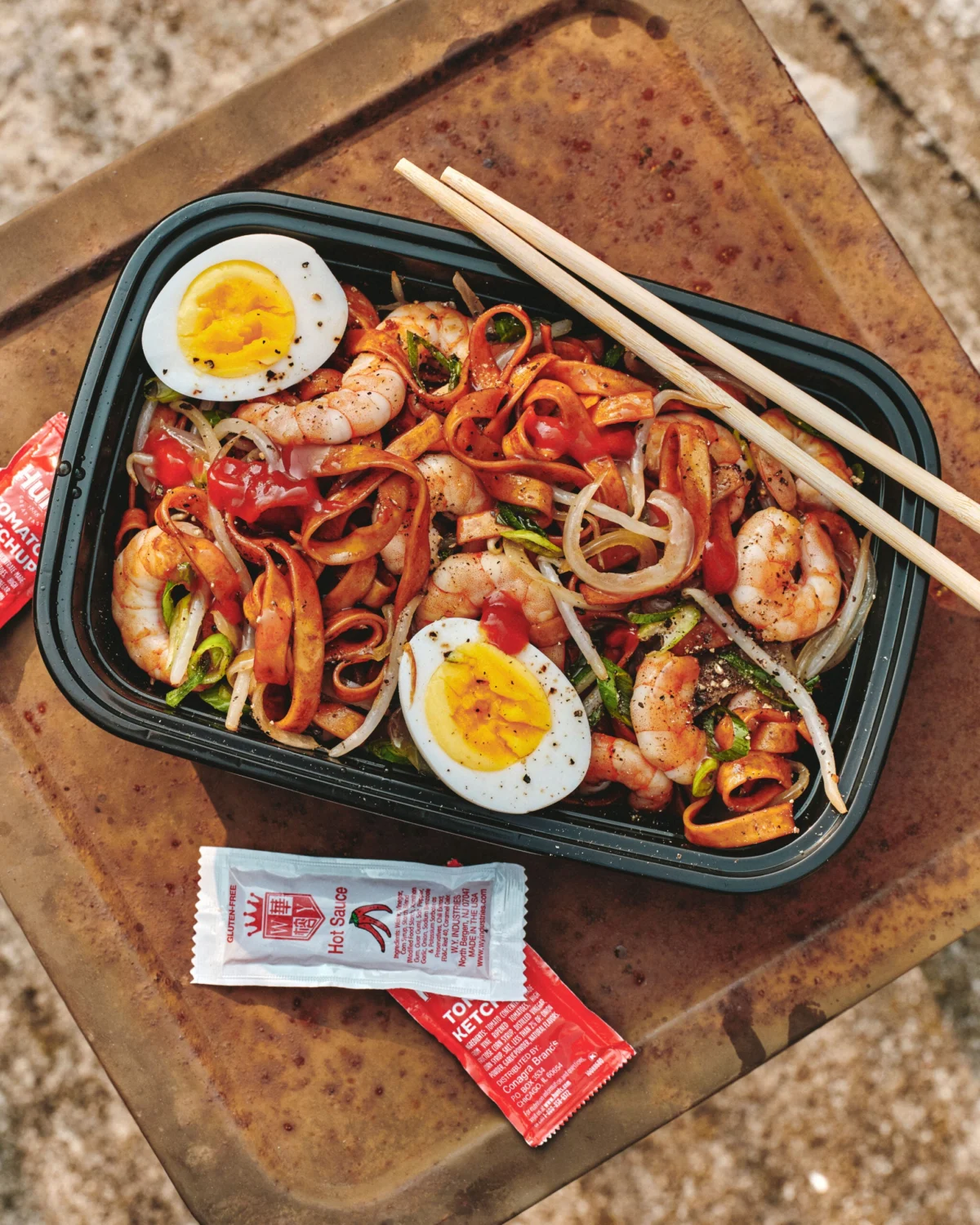
Baltimore, Maryland – In the vibrant culinary landscape of Baltimore, a dish stands out for its rich history, unique flavor profile, and deep connection to the city’s working-class roots: Yat Gaw Mein, affectionately known as "Baltimore yak" or "dirty yak." This beloved comfort food, a distinct Chinese American adaptation of Beijing’s zha jiang mian, represents a fascinating culinary evolution that began in the late 19th century. Its story is interwoven with the narrative of Chinese immigration to the United States, particularly in Baltimore, where early Chinese cooks ingeniously blended their heritage with the ingredients and tastes of their new home.
The origins of Yat Gaw Mein can be traced back to a period of significant Chinese immigration to American port cities, including Baltimore. As Chinese laborers and merchants began to establish communities, they often settled in neighborhoods that were historically home to Black and working-class populations. This proximity fostered a unique cultural exchange, which extended to the kitchen. Faced with the unavailability of certain traditional Chinese ingredients, these early cooks demonstrated remarkable ingenuity. They began to adapt their recipes, substituting fermented pastes, common in traditional zha jiang mian, with more readily available, locally sourced alternatives. This led to the development of a simpler, soy-based gravy that would become the hallmark of Baltimore’s version.
Over decades, this culinary fusion solidified into a distinct dish. Yat Gaw Mein, in its quintessential Baltimore form, features savory wheat noodles, stir-fried with a medley of ingredients that typically include tender shrimp, savory beef, and a variety of fresh vegetables. The dish is often crowned with a perfectly hard-boiled egg, adding a creamy texture and visual appeal. This combination of flavors and textures – the chewiness of the noodles, the umami of the stir-fried components, and the richness of the sauce – has cemented its status as a go-to carryout meal for generations of Baltimoreans. Today, the enduring popularity of Yat Gaw Mein is evident in its continued presence at numerous local establishments, including well-known spots like Jimmy’s Carryout, Danny’s, and Pimlico Chinese Carry Out, where it remains a staple of the community’s culinary identity.
The Art of "Dirty" Flavor: A Chef’s Interpretation
The unique "dirty" character of Yat Gaw Mein is not merely a colloquialism; it refers to a specific flavor development achieved through high-heat cooking techniques. Chef Steve Chu, the visionary behind Baltimore’s acclaimed Ekiben, offers an at-home version of this dish that meticulously captures and elevates these distinctive qualities. Chu’s approach emphasizes the "smoky wok-charred noodles," a result of the intense heat and skillful manipulation of ingredients in a wok.
At the heart of this flavor profile lies the development of what is known as "wok hei," a Chinese culinary term that translates to "the breath of a wok." This elusive smokiness is not an ingredient but an outcome – the result of ingredients coming into direct contact with a searingly hot wok. As soy sauce, sugar, and aromatic elements like onions and garlic scorch against the metal surface, they create deep, complex savory notes. This controlled charring is balanced by a subtle sweetness, transforming the sauce into something far more profound than a simple seasoning. Chef Chu’s recipe highlights the importance of maintaining high heat and continuous stirring to encourage this Maillard reaction, ensuring that the noodles themselves absorb the smoky essence of the wok.
Chu’s recipe incorporates rich duck fat for depth and mouthfeel, alongside a generous amount of caramelized onions that contribute a natural sweetness and tender texture. The sauce base is a carefully balanced blend of soy sauce, oyster sauce, and a touch of MSG (monosodium glutamate), which enhances the overall umami experience. For those who enjoy a bit of heat, chile flakes are often included. The final, and perhaps most surprising, ingredient is a squeeze of ketchup. Far from being an afterthought, this seemingly unconventional addition plays a crucial role in completing the dish. The acidity of the ketchup provides a bright, tangy counterpoint to the richness of the sauce, cutting through the fattiness and unifying the disparate flavors into a harmonious whole. This acidic punch is essential for balancing the deep savory notes and preventing the dish from becoming overly heavy.
A Culinary Timeline: From Immigrant Kitchens to Modern Palates
The journey of Yat Gaw Mein is a testament to the adaptability and resilience of immigrant communities and their culinary traditions.
- Late 19th Century: Chinese immigrants begin arriving in Baltimore, bringing their culinary heritage. Initial adaptations of dishes like zha jiang mian emerge, driven by the need to utilize locally available ingredients.
- Early 20th Century: The dish, now distinctly Americanized, becomes a staple in working-class neighborhoods, particularly within the Chinese American community. Its popularity grows through word-of-mouth and the establishment of small eateries.
- Mid-to-Late 20th Century: Yat Gaw Mein solidifies its identity as a quintessential Baltimore comfort food. It becomes a common offering in Chinese American carryout restaurants across the city, beloved for its affordability and satisfying flavors.
- 21st Century: The dish experiences a resurgence in appreciation, with chefs like Steve Chu reinterpreting and elevating it. Modern culinary exploration brings renewed attention to its unique history and complex flavor profile, attracting a wider audience.
This historical progression underscores how a dish born out of necessity and adaptation can evolve into a cherished cultural icon. The presence of Yat Gaw Mein in such a diverse array of establishments, from humble carryout counters to more contemporary dining spaces, highlights its broad appeal and enduring relevance.
The "Dirty" Science: Understanding Wok Hei and Flavor Development
The term "wok hei" is central to understanding the depth of flavor in Yat Gaw Mein. It’s not just about cooking food quickly; it’s about harnessing the transformative power of intense heat and the interaction between food, oil, and the wok’s metal surface. When oil, aromatics, and sauces hit a properly heated wok, they vaporize rapidly. These vapors, laden with flavor compounds, then coat the ingredients being stir-fried, imbuing them with a distinct smoky aroma and taste.
Key elements contributing to "wok hei":
- High Heat: A wok must be heated to its smoking point before ingredients are added. This ensures rapid cooking and efficient vaporization.
- Searing and Caramelization: The intense heat causes sugars and proteins in the ingredients to caramelize and brown quickly, creating complex flavors.
- Oil as a Conductor: Oil is crucial for transferring heat from the wok to the food and for carrying flavor compounds.
- Constant Movement: Continuous stirring and tossing ensure even cooking and prevent burning while maximizing contact with the wok’s surface.
- Controlled Charring: The subtle scorching of soy sauce and other liquid ingredients against the hot metal is what generates the signature smoky notes.
Chef Chu’s emphasis on these techniques in his at-home recipe is a nod to the authentic culinary traditions that birthed the dish. It’s a reminder that even seemingly simple comfort food can possess a sophisticated culinary science.
Recipe for Yat Gaw Mein: An At-Home Adaptation
For those looking to recreate the magic of Yat Gaw Mein in their own kitchens, Chef Steve Chu’s recipe provides a detailed guide. The process, while requiring attention to detail and high heat, is rewarding and yields a dish that is both comforting and remarkably flavorful.
Ingredients:
- 1 pound fresh wheat noodles (or dried, prepared according to package directions)
- 2 tablespoons duck fat (or other high-smoke-point oil like peanut or grapeseed oil)
- 1 cup bean sprouts
- 1 medium yellow onion, thinly sliced
- 2 scallions, cut into 1-inch pieces (white and green parts separated)
- 2 tablespoons soy sauce
- 1 tablespoon dark soy sauce (for color and depth, optional)
- 1 tablespoon oyster sauce
- 1/2 teaspoon MSG (optional, for enhanced umami)
- 1 teaspoon sugar
- 1/4 teaspoon red pepper flakes (or to taste)
- 1 1/2 cups water
- 1/2 pound medium shrimp, peeled and deveined
- 2 hard-boiled eggs, halved or quartered
- Ketchup, for serving
- Hot sauce, for serving
Instructions:
- Prepare the Noodles: Bring a large pot of salted water to a rolling boil. Add the fresh wheat noodles and cook for approximately 1 minute less than the package instructions. The goal is to have them slightly undercooked, as they will finish cooking in the wok. Drain the noodles immediately and rinse briefly under cold water to stop the cooking process and prevent them from clumping. Set aside to cool.
- Sear the Aromatics: Heat a wok over high heat until it begins to lightly smoke. This is crucial for developing wok hei. Add the duck fat to the hot wok. Once shimmering, add the bean sprouts, sliced onion, and the white parts of the scallions. Stir-fry vigorously for about 1 minute, until the vegetables begin to soften and show slight browning around the edges.
- Build the Sauce and Fry the Noodles: Add the noodles to the wok. Pour in the soy sauce, dark soy sauce (if using), oyster sauce, MSG (if using), sugar, and red pepper flakes. Stir-fry continuously, tossing the noodles and vegetables to ensure the sauce evenly coats everything. Continue to cook for 1 to 4 minutes, allowing the sauce to bubble and caramelize against the hot wok. This browning is essential for achieving the characteristic "dirty" flavor. If a darker color is desired, a touch more dark soy sauce can be added.
- Deglaze and Simmer: Pour 1 1/2 cups of water into the wok, using your spatula to scrape up any browned bits stuck to the bottom. This adds significant flavor to the sauce. Bring the mixture to a simmer and allow it to cook for about 1 minute, or until the noodles have absorbed some of the liquid. If you prefer a saucier dish, add a little more water.
- Add Protein and Egg: Gently add the shrimp and the prepared hard-boiled eggs to the wok. Toss carefully to incorporate them into the noodles and sauce. Cook for another minute or so, just until the shrimp are pink and cooked through and the eggs are warmed. The aim is to warm the egg without breaking it apart, allowing it to absorb some of the dark sauce color.
- Serve: Serve the Yat Gaw Mein immediately in bowls. Offer ketchup and hot sauce on the side, allowing individuals to customize their portions. The ketchup provides that essential acidic counterpoint that brightens the entire dish.
Broader Impact and Cultural Significance
The story of Yat Gaw Mein is more than just a culinary anecdote; it is a microcosm of the broader immigrant experience in America. It speaks to the power of adaptation, the blending of cultures, and the creation of new identities through food. The dish’s enduring popularity in Baltimore demonstrates how culinary traditions can become deeply embedded in the fabric of a city, representing not just sustenance but also heritage and community.
The "dirty yak" has transcended its humble origins to become a source of local pride. Its unique flavor profile, born from necessity and refined through generations, offers a compelling narrative of cultural fusion. As chefs like Steve Chu continue to explore and celebrate these dishes, they not only preserve culinary history but also introduce these rich traditions to new audiences, ensuring that the legacy of immigrant cooking continues to thrive and evolve. The implications of such culinary heritage extend beyond the dinner table, fostering a greater understanding and appreciation for the diverse communities that shape American culture. Yat Gaw Mein stands as a delicious testament to this ongoing cultural exchange, a flavorful reminder of the rich tapestry woven by the hands of immigrants who have made America their home.