admin
admin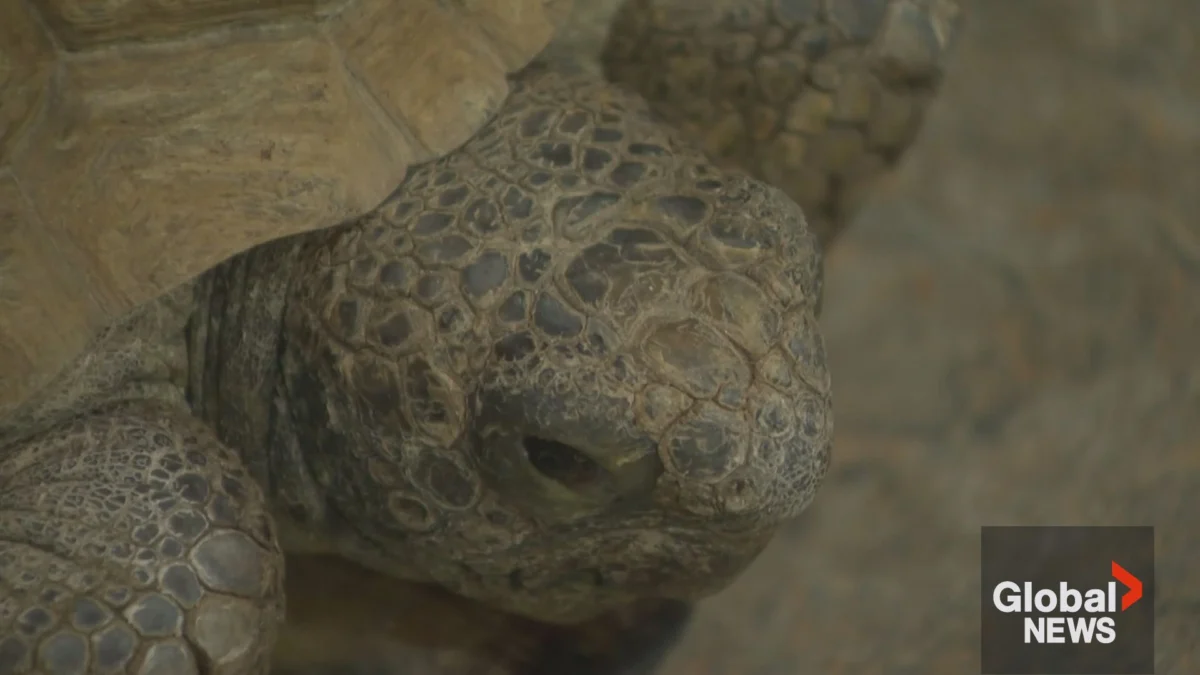
Halifax, Nova Scotia – Gus, the beloved and remarkably resilient 104-year-old gopher tortoise, a cherished resident of the Nova Scotia Museum of Natural History, is reported to be in stable condition and recovering commendably following a complex surgical procedure performed on Tuesday, October 14, 2026. The centenarian reptile underwent the operation to address a debilitating bladder stone, a common but potentially life-threatening ailment for chelonians, particularly those of advanced age. This successful intervention has brought a collective sigh of relief from his legion of admirers spanning the globe.
Immediately following the intricate surgery, which veterinary specialists described as delicate given Gus’s considerable age, the museum confirmed that Gus is now resting comfortably in a private, specially prepared recovery environment. He is expected to remain under the vigilant observation of a dedicated veterinary care team for at least 48 hours to ensure his vital signs remain stable, manage any post-operative pain, and monitor for early signs of complications. The museum has indicated that while his recovery is progressing positively, his many fans will need to exercise patience, as his return to public display is anticipated to be approximately 10 weeks away, allowing ample time for complete healing and rehabilitation. Updates on his progress will be regularly shared by the museum through its official channels.
A Century of Life: The Enduring Legacy of Gus
Gus, believed to be one of the oldest living gopher tortoises (Gopherus polyphemus) in captivity, has been an integral part of the Nova Scotia Museum of Natural History for over seven decades, arriving in 1947 when he was already an estimated 25 years old. His presence has transformed him from a mere exhibit into a living, breathing symbol of longevity, resilience, and connection to the natural world. Originally acquired from a small zoo in Florida, Gus quickly adapted to his new home in Halifax, becoming a fixture that has educated and charmed generations of visitors. His longevity is particularly noteworthy, as the average lifespan for gopher tortoises in the wild is typically 40-60 years, though individuals in protected environments can live significantly longer. Gus’s exceptional age underscores the meticulous care he has received throughout his life at the museum, a testament to the institution’s commitment to animal welfare and conservation education. Over the years, he has served as a gentle ambassador for his species, helping to raise awareness about gopher tortoise biology, their critical ecological role as a keystone species, and the conservation challenges they face in their native habitats.
The Medical Challenge: Addressing a Serious Ailment
The diagnosis of a bladder stone in an animal of Gus’s advanced age presented a significant medical challenge. Bladder stones, or uroliths, are solid masses of mineral deposits that can form in the urinary bladder of reptiles, often due to factors such as diet, hydration levels, genetics, or infection. In tortoises, these stones can grow to considerable sizes, causing discomfort, pain, urinary obstruction, and if left untreated, can lead to severe kidney damage, infection, or rupture of the bladder, all of which can be fatal.

The decision to proceed with surgery was undoubtedly made after careful consideration and extensive diagnostic evaluations. Veterinary specialists, likely including those with expertise in exotic animal medicine and chelonian care, would have conducted a series of tests, including X-rays and potentially ultrasound scans, to confirm the presence, size, and location of the stone. Symptoms leading to his diagnosis, while not explicitly detailed by the museum, would typically include changes in appetite, lethargy, straining during urination, or visible discomfort. For an animal as old as Gus, any invasive procedure carries inherent risks, particularly those associated with anesthesia and the stress of recovery. However, the potential for long-term pain and a severely diminished quality of life from an untreated bladder stone made surgical intervention the most humane and viable option to ensure his continued well-being.
A Delicate Operation: The Surgical Procedure
The surgical team, comprised of experienced veterinarians, veterinary technicians, and potentially specialists in exotic animal anesthesia, approached Gus’s procedure with utmost precision and caution. Operating on a tortoise presents unique challenges compared to mammalian surgeries. Anesthesia protocols must be carefully tailored to account for a reptile’s slower metabolism and respiratory physiology. The procedure, known as a cystotomy, involves making an incision through the plastron (the bottom part of the shell) or, more commonly for bladder stones, a less invasive approach through the inguinal region (near the hind legs) or a paramedian approach to access the abdominal cavity and then the bladder. The stone is then carefully extracted, and the bladder is meticulously repaired.
The recovery from anesthesia can also be prolonged in reptiles. Given Gus’s age, the veterinary team would have been particularly attentive to monitoring his heart rate, respiratory function, and body temperature throughout the operation and in the immediate post-operative period. The successful outcome speaks volumes about the expertise of the medical professionals involved and the meticulous preparation undertaken by the museum staff to ensure Gus received the best possible care.
Rigorous Post-Operative Care and Extended Recovery Protocol
Gus’s journey to full recovery is expected to be a gradual process, necessitating a carefully managed post-operative care regimen. The 48-hour period under direct veterinary supervision is crucial for initial stabilization, pain management, and preventing immediate complications. This typically involves administering broad-spectrum antibiotics to prevent infection, providing fluid therapy to maintain hydration, and closely monitoring his incision site for any signs of swelling or discharge. His recovery environment is likely temperature and humidity controlled, designed to minimize stress and promote healing.
The estimated 10-week recovery period before his public return is a standard timeline for such a procedure in a tortoise, especially an elderly one. Healing of the internal tissues, closure of the incision, and the regaining of full strength and mobility take time. During this period, Gus will likely receive a specialized diet, continue with medication as needed, and undergo regular check-ups to track his progress. Museum staff, in collaboration with veterinary experts, will meticulously oversee his rehabilitation, ensuring he is robust enough to comfortably resume his role as a public ambassador. This extended recovery underscores the museum’s commitment to prioritizing Gus’s health and well-being above all else.

A Global Outpouring of Support: The "Get Well, Gus!" Phenomenon
The news of Gus’s impending surgery and subsequent successful recovery ignited a heartwarming and truly global outpouring of affection and concern. In the two weeks leading up to the procedure, the Nova Scotia Museum of Natural History was inundated with hundreds of letters, hand-drawn get-well cards, and pieces of art from individuals of all ages, both locally and internationally. Children from schools across Canada and beyond sent heartfelt messages wishing Gus a speedy recovery, often accompanied by vibrant illustrations of the venerable tortoise.
The museum’s social media accounts, which had been diligently providing updates, saw a dramatic surge in engagement, receiving thousands of messages from well-wishers around the world. These messages, filled with encouragement and fond memories of past visits to see Gus, transformed his health challenge into a shared community experience. Officials at the museum, while understandably focused on Gus’s care, expressed immense gratitude and surprise at the scale of the public response. "We’ve been absolutely overwhelmed by the love and support shown for Gus," a museum spokesperson might have commented. "It’s a powerful testament to the deep connection people feel with him and the important role he plays in their lives. These messages have truly lifted our spirits." This global phenomenon highlights the unique bond humans can form with long-lived animals, seeing them not just as exhibits but as venerable individuals deserving of care and affection, symbolizing resilience and a connection to nature.
The Gopher Tortoise: A Keystone Species in Peril
Gus’s species, the gopher tortoise (Gopherus polyphemus), is native to the southeastern United States, primarily inhabiting dry, sandy habitats such as longleaf pine forests, sandhills, and coastal dunes. They are a crucial keystone species, meaning their presence is vital to the health of their ecosystem. Gopher tortoises are renowned for digging extensive burrows that can be up to 10 meters long and 3 meters deep. These burrows provide shelter from predators, extreme temperatures, and wildfires for an estimated 360 other species, including burrowing owls, snakes, frogs, insects, and even other mammals.
Despite their ecological importance, gopher tortoise populations are facing significant threats. Habitat loss and fragmentation due to urban development, agriculture, and silviculture are the primary drivers of their decline. Other threats include road mortality, illegal collection for the pet trade, and human-wildlife conflict. Consequently, the species is listed as Threatened by the U.S. Fish and Wildlife Service under the Endangered Species Act in parts of its range and is considered a species of special concern across its entire distribution. Gus’s exceptional longevity in captivity not only offers valuable insights into the potential lifespan of the species but also serves as a poignant reminder of the fragility of wild populations and the urgent need for conservation efforts.
The Nova Scotia Museum of Natural History: A Steward of Nature

The Nova Scotia Museum of Natural History plays a vital role in educating the public about the natural world, fostering an appreciation for biodiversity, and promoting conservation. Gus, as its longest-serving and arguably most famous resident, is central to this mission. His presence allows visitors, especially children, to connect with a unique reptile and learn about his species’ biology and conservation challenges firsthand. The museum’s commitment to Gus’s welfare, evident in the comprehensive medical care provided, reinforces its dedication to animal stewardship and responsible zoological practices.
The temporary absence of Gus from public view will undoubtedly impact visitor experience, as he is often a highlight for many. However, the museum’s transparency regarding his health and recovery process has likely garnered even greater respect and understanding from the public. Educational programs and interpretive materials during his recovery period will likely focus on his journey, the importance of veterinary care for animals, and broader conservation messages related to gopher tortoises. His eventual return will not only be a joyous occasion for the community but also a powerful reaffirmation of the museum’s enduring legacy and its connection with its beloved animal ambassador.
Broader Implications and Future Outlook
The successful surgery and ongoing recovery of Gus hold broader implications for geriatric animal care in zoological settings worldwide. It highlights the advancements in veterinary medicine for exotic species and the increasing willingness of institutions to provide advanced care for their aging animal residents. Gus’s story is a testament to the deep emotional connection that can develop between humans and long-lived animals, transforming them into cultural icons. This connection, in turn, can be a powerful tool for conservation, inspiring public interest and support for species protection.
As Gus continues his recuperation, the Nova Scotia Museum of Natural History will undoubtedly continue to provide updates, keeping his global fan base informed and engaged. His eventual return to public display will be a celebrated event, marking not just the recovery of a beloved tortoise, but also the enduring spirit of an institution dedicated to natural history and the profound bond between humans and the animal kingdom. Gus’s journey, from a complex medical challenge to a hopeful recovery, serves as an inspiring narrative of resilience, care, and the universal appeal of a truly remarkable creature.