admin
admin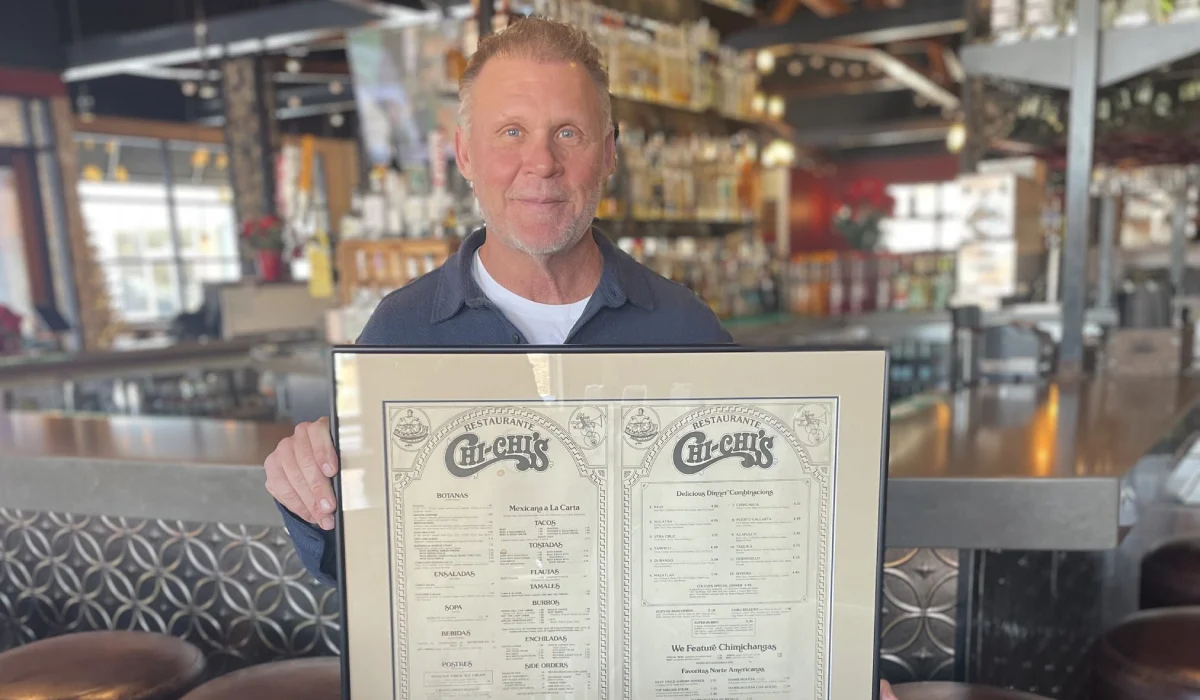
The resurgence of Chi-Chi’s, once a titan of the American casual dining landscape, reached a significant milestone this month as the brand celebrated its first full year of renewed operations. Under the leadership of CEO Michael McDermott, the son of the brand’s co-founder Marno McDermott, the iconic Mexican restaurant chain is attempting a rare feat in the volatile food service industry: a successful "legacy reboot" that bridges the gap between 1970s nostalgia and the demands of the modern, 21st-century diner. The flagship return location in St. Louis Park, Minnesota, has served as a proving ground for a strategy that blends sentimental favorites with contemporary culinary trends and aggressive value engineering.
For Michael McDermott, the project is more than a business venture; it is a continuation of a family narrative that began nearly half a century ago. Growing up in the shadow of the brand’s rapid ascent, McDermott witnessed the original Chi-Chi’s transition from a single location to a national phenomenon. Today, as he steers the company through its first anniversary of rebirth, the focus has shifted from mere survival to a calculated expansion strategy that aims to re-establish Chi-Chi’s as a household name across the Midwest and the East Coast.
The Historical Trajectory: From Rapid Ascent to Total Collapse
To understand the weight of the current revival, one must look at the meteoric rise and subsequent fall of the original franchise. Founded in 1975 in Richfield, Minnesota, by Marno McDermott and former Green Bay Packers star Max McGee, Chi-Chi’s was a pioneer in the "Mexican-style" casual dining segment. At the time, the American palate was just beginning to embrace Mexican-inspired flavors on a mass scale, and Chi-Chi’s capitalized on this by offering a festive, family-friendly atmosphere characterized by large portions and signature items like "sizzling fajitas" and fried ice cream.
The brand’s growth was explosive. Within four years of its founding, the company went public in 1979. By the mid-1980s and throughout the 1990s, Chi-Chi’s had expanded to more than 200 locations across the United States. It became a cultural touchstone for suburban dining, often credited with popularizing salsa and chips as a standard table starter in American restaurants. However, the early 2000s brought a series of insurmountable challenges. Increasing competition from "fresh-mex" concepts like Chipotle and Qdoba began to erode its market share, while aging infrastructure led to a decline in guest experience.
The final blow came in late 2003, when a massive hepatitis A outbreak linked to green onions at a Pennsylvania location resulted in thousands of illnesses and several deaths. Already struggling financially, the company filed for Chapter 11 bankruptcy. By 2004, all remaining domestic locations were shuttered, and the brand name survived primarily as a grocery store label for salsa and tortillas, owned by Hormel Foods. For nearly two decades, the physical restaurant brand remained dormant in the United States, existing only as a memory for Gen X and Baby Boomer diners.
The Rebirth Strategy: Modernizing the "Big Three" Philosophy
The decision to bring Chi-Chi’s back was not the result of a corporate board meeting, but rather what Michael McDermott describes as "divine timing." Having spent over 25 years developing restaurant concepts like Kona Grill, McDermott was looking for a new direction when the idea of reviving his father’s legacy emerged during a period of professional reflection. On October 6, 2023, the brand made its official return with a new location in the Minneapolis suburb of St. Louis Park.
The challenge facing McDermott over the past year has been a delicate balancing act: honoring the "Big Three" elements that defined the original brand—quality food, genuine hospitality, and value—while updating the brand for a demographic that has never stepped foot in an original Chi-Chi’s. The physical design of the new location reflects this duality. While it incorporates nostalgic elements like Mexican tilework and hanging plants, the layout is streamlined for modern efficiency, catering to both a lively dine-in crowd and a robust off-premise delivery and takeout market.
The menu has undergone a similar evolution. While the "legacy" items—the Chimichanga, Mexican Pizza, and Corn Cake—remain the backbone of the offerings, McDermott has introduced "modern Mexican" staples to compete with contemporary high-end and fast-casual rivals. This includes the addition of Birria Tacos, featuring slow-cooked beef and consommé, and Short Rib Tacos. This strategy ensures that while parents and grandparents return for the flavors of their youth, younger diners find the trendy, Instagram-worthy dishes they have come to expect from modern eateries.
Data-Driven Decisions: The Value-Engineered Lunch Menu
As the brand enters its second year, McDermott has utilized guest feedback and sales data to refine the operational model. One of the most significant developments in the first year has been the rollout of a "value-engineered" lunch menu. In an era of high food inflation, where the average casual dining check has risen significantly, Chi-Chi’s has focused on price accessibility to drive midday traffic.
The new lunch lineup, priced between $10 and $15, addresses a common guest critique: portion sizes. The original Chi-Chi’s was known for massive plates that often led to food waste or excessive leftovers. To accommodate the modern lunch diner who seeks a quicker, lighter meal, the kitchen introduced items like the "Mini-Chimi." By utilizing an 8-inch tortilla instead of the standard 10-inch version, the restaurant was able to lower the price point from $17 to $14 without sacrificing the quality of the ingredients.
This focus on "everyday value" is a strategic move to position Chi-Chi’s against both fast-casual competitors and traditional sit-down chains. In addition to the lunch menu, the brand has reintroduced fan favorites such as the Twice Grilled BBQ Burrito, Seafood Nachos, and Margarita Chicken Tacos, further solidifying its identity as a scratch-kitchen concept that offers more than just standard Tex-Mex fare.
Commemorating the Milestone: A Return to 1976 Pricing
To celebrate the one-year anniversary of the St. Louis Park reopening, the restaurant engaged in a high-profile marketing event that underscored its deep roots. For one day, the location rolled back prices to 1976 levels, offering $3.25 chimichangas and $1.25 house margaritas. Industry analysts note that such "nostalgia marketing" is an effective way to generate community buzz and reward brand loyalty, particularly for a concept that relies heavily on its historical identity.
The event served as a testament to the brand’s enduring equity. Despite being absent from the market for 20 years, the Chi-Chi’s name retains a high level of recognition. For McDermott, the anniversary celebration was a way to "honor his mother’s name and father’s legacy," signaling to the community that the brand is not just a temporary pop-up, but a permanent fixture in the local dining scene.
National Expansion and the Path Forward
The success of the Minneapolis location has already attracted significant interest from real estate developers and potential franchisees. McDermott confirmed that he is currently in discussions with developers along the East Coast and throughout the Midwest. The East Coast, in particular, was a stronghold for the original Chi-Chi’s, and the brand’s return there is highly anticipated by former patrons.
However, McDermott is taking a disciplined approach to growth. Rather than rushing into a massive franchising blitz, the current plan involves opening a few more strategic corporate-owned stores. This "corporate-first" model allows the leadership team to "prove out" the new operational systems, ensuring that the consistency and quality of the brand can be maintained at scale before official franchise deals are signed.
Financing remains a primary focus for the upcoming year. Securing the capital necessary to support a multi-state rollout is the next hurdle for the company. If the financial infrastructure is successfully established, Chi-Chi’s could see a rapid expansion reminiscent of its 1980s heyday, albeit with a more modernized and data-backed operational framework.
Broader Industry Implications and Analysis
The revival of Chi-Chi’s reflects a broader trend in the restaurant industry where "dormant" brands with high nostalgic value are being resurrected by new leadership. Similar efforts have been seen with brands like Steak and Ale and Bennigan’s. For investors and developers, these brands offer a pre-existing "built-in" audience, which can significantly reduce the marketing costs associated with launching a completely new concept.
However, the path is fraught with risk. The casual dining sector is currently facing headwinds, including rising labor costs, fluctuating commodity prices, and a shift in consumer behavior toward quick-service and delivery-centric models. Chi-Chi’s success will ultimately depend on its ability to maintain its "scratch-made" quality while managing the overhead costs of a full-service restaurant.
As Michael McDermott reflects on the first year, he remains optimistic about the brand’s potential to recapture its status as a national leader. By focusing on the core values of hospitality and quality that his father established in 1975, while remaining agile enough to adapt to 2024 dining habits, Chi-Chi’s is positioning itself for a second act that may last as long as its storied first. The upcoming 24 months will be critical as the brand moves from a single-unit success story to a regional and, potentially, national contender once again.