admin
admin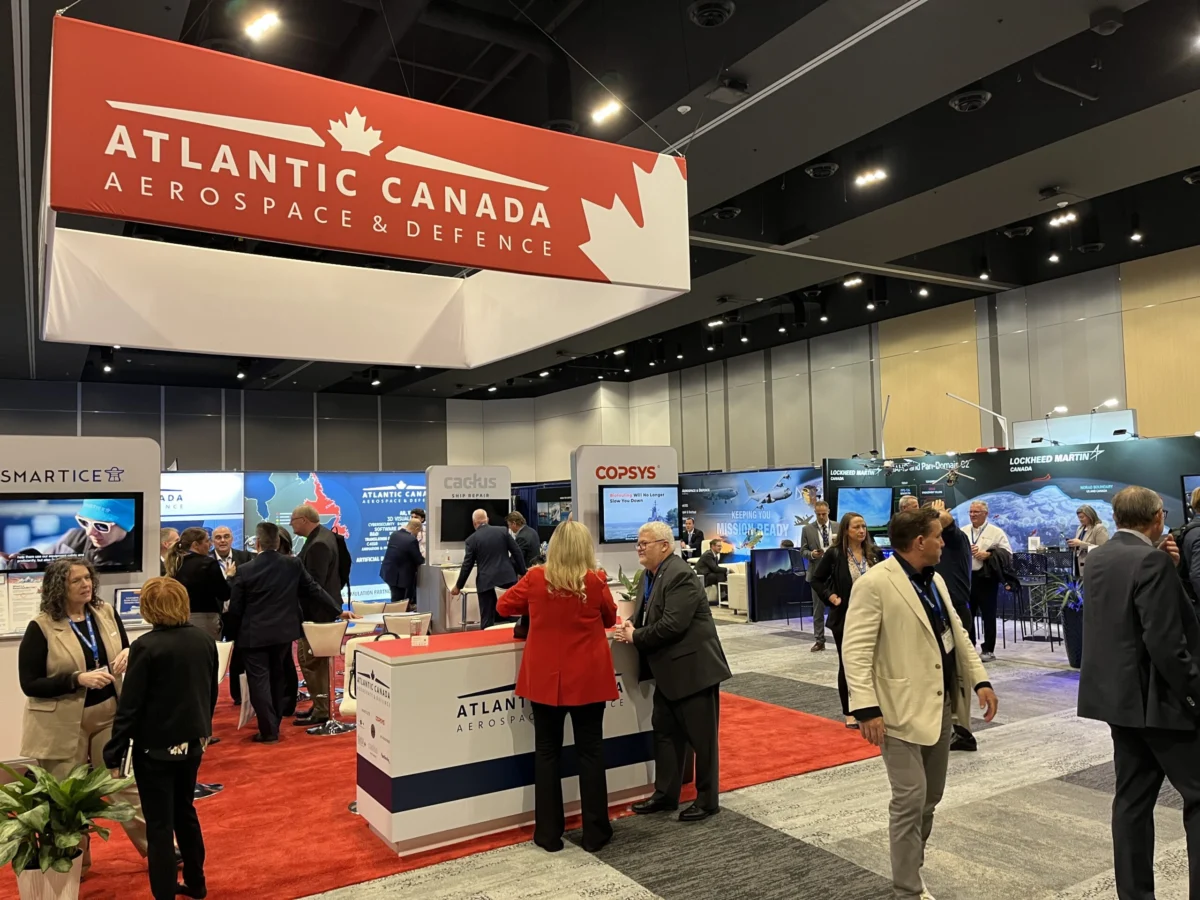
Halifax has once again cemented its reputation as a burgeoning hub for defence innovation and industry, hosting the largest DEFSEC Atlantic convention in its history this week. More than 3,000 attendees, including a robust contingent of international defence companies, government officials, and industry representatives, have converged on the city, signalling a significant and generational wave of defence spending impacting Nova Scotia and the broader Atlantic region. The sheer scale of this year’s event, DEFSEC Atlantic 2026, underscores a pivotal moment for Canada’s defence sector, marked by unprecedented federal investment and a heightened global demand for security technologies and capabilities.
The corridors of the Halifax Convention Centre buzzed with activity, reflecting a palpable surge in interest from global players keen to engage with Canada’s defence ecosystem. Sheldon Gillis, Managing Defence Director at Invest Nova Scotia, articulated this sentiment, stating, “There’s an increased interest from companies around the world about what’s happening here in Nova Scotia.” This heightened international engagement is not merely anecdotal; it is mirrored in the record attendance figures for the conference, which the province proudly cites as further evidence of Nova Scotia’s strategic position as Canada’s defence capital. This sector is a formidable economic engine, supporting over 17,000 jobs provincewide and contributing a substantial $2.7 billion to the province’s Gross Domestic Product (GDP).
Contextualizing the Defence Spending Surge
The current boom in defence spending in Nova Scotia and across Canada is not an isolated phenomenon but rather a confluence of several factors, both domestic and international. Globally, geopolitical tensions have escalated in recent years, driving many nations, including Canada’s NATO allies, to reassess and bolster their defence capabilities. Conflicts in Eastern Europe, rising concerns over Arctic sovereignty, and evolving security challenges in the Indo-Pacific region have all contributed to a global environment where defence readiness and technological superiority are paramount. Canada, as a committed member of NATO and a nation with vast territorial and maritime interests, is responding to these shifting dynamics.
Domestically, the Canadian government has committed to significant investments in modernizing its armed forces, a strategy that aligns with both international obligations and national security priorities. This commitment manifests in ambitious procurement projects, infrastructure upgrades, and research and development initiatives designed to equip the Canadian Armed Forces (CAF) with state-of-the-art equipment and facilities. Nova Scotia, with its deep historical ties to the military and its strategic geographic location, is ideally positioned to benefit from these investments. The province’s extensive coastline, ice-free ports, and direct access to the North Atlantic make it an indispensable hub for naval operations, maritime security, and related defence industries.

Federal Investment and Provincial Strategic Advantages
A major catalyst for this generational wave of spending was the announcement earlier this year by Prime Minister Mark Carney, detailing $3 billion in new infrastructure and defence spending specifically earmarked for Nova Scotia and New Brunswick. Of this substantial sum, more than $2 billion is allocated directly to Nova Scotia, targeting critical areas such as infrastructure modernization, expanded training programs, and the construction of new facilities to support the next generation of warships and aircraft. This investment is crucial for the ongoing success of major national projects, including the National Shipbuilding Strategy, which sees Halifax shipyards playing a central role in building Canada’s new fleet of Arctic Offshore Patrol Ships and Canadian Surface Combatants. The modernization efforts will not only enhance military readiness but also create long-term employment opportunities and foster technological advancement within the region.
Colton LeBlanc, Nova Scotia’s Minister of Growth, Development, and Defence Industries, emphasized the province’s readiness to capitalize on these federal commitments. “The federal government is reinvesting to modernize and rebuild our Canadian Armed Forces, and Nova Scotia is very well positioned to reap some of those benefits,” LeBlanc stated. He further elaborated on Nova Scotia’s inherent advantages, highlighting the province’s existing military infrastructure, including CFB Halifax – Canada’s largest naval base – and the strategic access it provides to the North Atlantic. These factors collectively create an attractive environment for defence companies looking to establish or expand their operations, offering unparalleled logistical advantages and a ready ecosystem of support services. The presence of Defence Research and Development Canada (DRDC Atlantic) further solidifies the province’s role as a centre for defence-related scientific and technological innovation.
DEFSEC Atlantic: A Nexus for Innovation and Collaboration
DEFSEC Atlantic is not merely a trade show; it serves as a critical nexus for fostering innovation, collaboration, and business development within the defence, aerospace, and security sectors. The three-day event features a comprehensive program of presentations, panel discussions, and an expansive exhibition floor where companies showcase their latest technologies and solutions. From advanced naval systems and aerospace components to cybersecurity platforms and logistical support services, the breadth of offerings reflects the diverse needs of modern defence.
For companies like Dartmouth-based start-up Omnitech Electronics, the convention provides an invaluable platform to connect with potential customers, partners, and collaborators. Nicholas Barrett, an engineer with Omnitech Electronics, expressed the enthusiasm of many exhibitors: “We’re so happy to just kind of meet people as they walk by, whether they be potential folks that we can collaborate with, customers, what not.” For smaller enterprises and innovative start-ups, DEFSEC Atlantic offers a unique opportunity to gain visibility among prime contractors and government decision-makers, facilitating vital networking that can translate into significant contracts and partnerships. The event acts as a microcosm of the entire defence supply chain, bringing together raw material suppliers, component manufacturers, system integrators, and end-users under one roof. The discussions often revolve around emerging technologies such as artificial intelligence, autonomous systems, advanced sensor technologies, and secure communications, all critical for future defence capabilities.

Economic Engine and Job Creation
The defence and aerospace sector’s contribution to Nova Scotia’s economy extends far beyond the direct value of contracts. The $2.7 billion contribution to GDP and the 17,000 jobs supported by the sector represent a significant portion of the provincial economy, fostering high-value employment in engineering, manufacturing, research, and technical services. These jobs are often well-paying and contribute to the retention of skilled talent within the province, mitigating the outmigration of young professionals often seen in other regions.
The ripple effect of defence spending is substantial. Investments in shipbuilding, for instance, create demand for a vast network of suppliers, from steel manufacturers and electronics firms to specialized service providers. Similarly, upgrades to military bases stimulate local construction, maintenance, and logistics industries. This economic activity helps diversify Nova Scotia’s economy, traditionally reliant on sectors like fishing and tourism, by building a robust, knowledge-intensive industrial base. Invest Nova Scotia, through its strategic initiatives, actively works to attract foreign direct investment into this sector, promoting the province’s competitive advantages and facilitating market entry for international firms. The growth in the defence sector also encourages academic institutions to align their programs with industry needs, ensuring a pipeline of qualified graduates ready to enter this specialized workforce.
The Ethical Debate: Voices of Dissent
Despite the economic optimism surrounding DEFSEC Atlantic, the event is not without its detractors. Outside the Halifax Convention Centre, protesters gathered, describing the three-day gathering as an “arms expo” and criticizing participating companies for allegedly profiting from global conflicts. The Halifax Committee Against Imperialist War And Genocide, represented by Asaf Rashid, voiced strong opposition. “The reason we oppose it is because the arms industry is creating havoc and destruction around the world and has been increasing in the amount of resources that it takes up year after year, with the last two years increasingly having been the best years for the arms industry,” Rashid stated.
These protests highlight a persistent ethical debate surrounding the defence industry. Critics argue that the production and trade of weaponry exacerbate global conflicts, contribute to human suffering, and divert resources that could otherwise be used for social welfare or sustainable development. They often point to the significant profits garnered by defence contractors, particularly during periods of heightened international instability, as evidence of a problematic system. The arguments frequently draw upon historical analyses of the military-industrial complex and contemporary reports detailing the human and environmental costs of warfare.

In response to these concerns, Minister LeBlanc acknowledged the protesters’ right to voice their opinions. “My focus here is to support on what’s being displayed here, but certainly respect the voices of those outside,” he said, articulating a common political stance that seeks to balance economic development with democratic freedom of expression. The government’s position typically emphasizes the necessity of a strong defence industry for national security, international peacekeeping efforts, and the protection of democratic values, while also highlighting the economic benefits it brings to local communities. The defence industry itself often counters that it provides essential tools for maintaining peace and deterring aggression, and that strict regulations govern the export and use of their products.
Strategic Outlook and Global Positioning
Looking ahead, Nova Scotia’s role in Canada’s defence future appears increasingly vital. The ongoing federal investments, coupled with the province’s inherent strategic advantages, are positioning Halifax as a critical asset for Canada’s national security and its international commitments. The development of advanced naval capabilities, expanded training exercises, and the fostering of a robust defence industrial base directly support Canada’s ability to contribute to NATO operations, protect its extensive coastlines, and assert its sovereignty in the Arctic.
The generational wave of defence spending is not just about acquiring new equipment; it’s about building a resilient, innovative, and technologically advanced defence ecosystem. This includes fostering research and development, attracting top talent, and ensuring that Canadian companies are competitive on the global stage. DEFSEC Atlantic serves as a crucial annual benchmark for this progress, bringing together the stakeholders necessary to drive innovation, forge partnerships, and address the complex security challenges of the 21st century. While the ethical debates surrounding the industry will undoubtedly continue, the economic and strategic imperatives driving its growth in Nova Scotia remain clear and compelling. The future trajectory suggests that Halifax will continue to play a central and expanding role in shaping Canada’s defence landscape for decades to come.