admin
admin
The landscape of digital audio has undergone a profound transformation, evolving from a niche medium into a dominant pillar of global media consumption. As of 2024, the podcasting industry is characterized by high-production-value investigative journalism, star-studded literary discussions, and sophisticated audio dramas that rival premium television. This expansion is driven by a diversification of content that caters to both the "slow radio" movement—emphasizing mindfulness and nature—and the enduring public fascination with true crime and geopolitical intrigue. The latest slate of releases from major broadcasters and independent studios highlights a shift toward narrative depth, ethical complexity, and the use of audio as a tool for social and historical preservation.

Geopolitical Investigative Journalism and Human Rights
At the forefront of the current audio landscape is the co-production between NPR and the BBC titled "Where Is Austin Tice?" This series marks a significant moment in investigative journalism, revisiting the case of the U.S. Marine-turned-journalist who disappeared in Syria in August 2012. Tice, who was 31 at the time of his abduction, was one of the few Western journalists reporting from Damascus during the early, brutal stages of the Syrian Civil War.
While many initially feared Tice had been killed, the series explores emerging evidence suggesting he remains in custody. Journalists Josh Baker and Sara Obeidat traveled to Syria following the seismic shifts in the region, including the fall of Bashar al-Assad’s regime, to seek definitive answers. The investigation delves into the murky world of international espionage and the bureaucratic hurdles that have historically hindered recovery efforts. This podcast serves not only as a thriller but as a critical examination of the risks faced by freelance journalists in conflict zones and the enduring impact of the Syrian conflict on international relations.

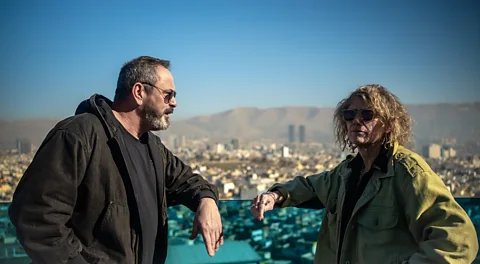
Parallel to this is "Intrigue: To Catch a King," a sequel to the award-winning "To Catch a Scorpion." Presented by journalist Sue Mitchell and former soldier Rob Lawrie, the series focuses on the clandestine networks of people smuggling across the English Channel. Following the successful tracking and arrest of the notorious kingpin Barzan Majeed, known as "the Scorpion," the team has turned their attention to a new figure operating under the pseudonym Kardo Ranya. The series provides a harrowing look at the logistics of human trafficking, balanced with an empathetic portrayal of the individuals risking their lives for a chance at a better future.
The Intersection of Celebrity and Intellectual Discourse
The entry of high-profile political figures into the podcasting space has redefined the medium’s reach. "A Great Book with Barack Obama" represents the former president’s continued investment in audio storytelling through his production company, Higher Ground. This series focuses on the intersection of literature and personal philosophy, featuring conversations with prominent thinkers such as Ta-Nehisi Coates, Jill Lepore, and Percival Everett.

The debut episode featuring Tom Hanks discusses Marilynne Robinson’s Pulitzer Prize-winning novel Gilead. The conversation transcends mere literary criticism, evolving into a meditation on mortality, the passage of time, and the concept of a "finite number of sunsets." This trend of "celebrity-as-curator" reflects a broader industry move toward long-form, contemplative content that provides a counter-narrative to the rapid-fire nature of social media.
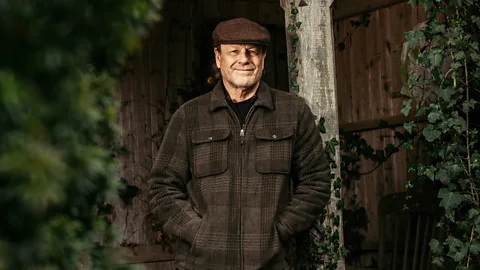
In a similar vein, "Get Birding" has relaunched with actor Sean Bean as its host. Known for his rugged roles in Game of Thrones and The Lord of the Rings, Bean’s transition to birdwatching audio highlights the growing popularity of "slow radio." The series focuses on environmental stewardship and the mental health benefits of connecting with nature. By featuring guests like Guy Garvey and folk musician Sam Lee, the podcast bridges the gap between traditional natural history and contemporary cultural commentary.

Audio Drama and the Evolution of Narrative Performance
The boundaries between film, television, and audio are increasingly blurred, as seen in the provocative drama "Intimacy." Written, directed by, and starring Lena Headey, the series features a high-caliber cast including Maisie Williams and Hannah Waddingham. The plot centers on an intimacy coordinator—a role that has become essential in the post-#MeToo era of filmmaking—who uncovers systemic issues of trauma and consent on a major film set.
The production of "Intimacy" signals a maturation of the audio drama genre. Moving away from traditional radio play tropes, it utilizes modern soundscapes and nuanced performances to tackle complex social themes. This reflects a broader trend where actors and creators view audio as a primary medium for storytelling rather than a secondary outlet.

Deconstructing the True Crime Phenomenon
While true crime remains a staple of the podcasting world, new releases are beginning to cast a critical eye on the genre itself. "The Mindhunter" investigates the career of Paul Harrison, a criminal profiler who claimed to have interviewed notorious figures like Jeffrey Dahmer and Charles Manson. Journalists Francisco Garcia and Brenna Daldorph explore allegations of fabrication, raising questions about the ethics of the true crime industry and the vulnerabilities within the publishing world that allow such narratives to flourish unchallenged.
Similarly, "The Idiot" from Serial Productions offers a different take on the investigative genre. Narrated by M Gessen, the series is an atmospheric character study of a family member—Gessen’s cousin Allen—whose boastful lifestyle masks a dark reality of parental abduction and entitlement. This shift toward "personal investigative" storytelling focuses less on the mechanics of a crime and more on the psychological profiles and interpersonal dynamics that drive human conflict.

Cultural History and the Preservation of Legacy
The role of audio in documenting cultural history is exemplified by "Legend: The Miles Davis Story" and "Hit That Perfect Beat: The London Records Story." Hosted by Clarke Peters, the Miles Davis series provides a multi-dimensional look at the jazz pioneer, acknowledging both his musical genius and his personal failings, including his struggles with addiction and domestic abuse.
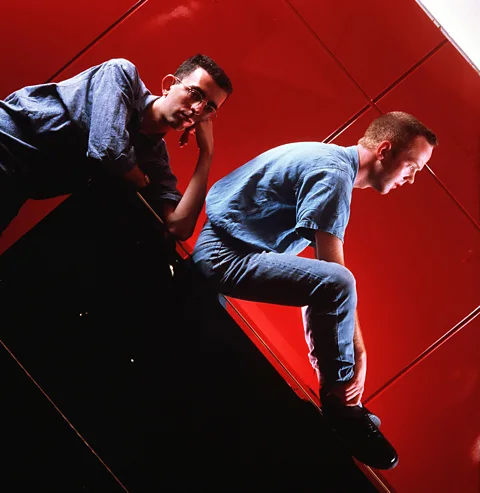
"Hit That Perfect Beat," hosted by Sian Pattenden, documents the rise and fall of London Records, the label behind iconic acts like Bananarama and The Communards. The series serves as a post-mortem of the 1980s and 90s music industry, exploring how the shift from physical sales to digital streaming dismantled the traditional label system. These podcasts function as oral histories, preserving the voices and stories of eras that are rapidly receding into the past.
Societal Implications and Medical Ethics
Some of the most impactful new content addresses under-reported medical and social issues. "Shadow World: Impulsive" investigates the side effects of dopamine agonist drugs used to treat Parkinson’s disease. Host Noel Titheradge documents how these medications can trigger impulse control disorders, leading patients into cycles of compulsive gambling, hypersexuality, and financial ruin. By providing a platform for those affected to share their stories without shame, the series highlights a significant gap in patient care and medical transparency.
"Death of an Artist" and "Creation Myth" explore the most intimate of human decisions. The former examines the 2024 double suicide of children’s author Petra Mathers and her husband Michael, using their farewell letters as a starting point for a discussion on creative legacy and the right to die. The latter, an audio memoir by Helena de Groot, tackles the "child-free" movement and the internal and external pressures surrounding the decision to have children. These programs demonstrate the power of audio to foster deep empathy and facilitate difficult conversations on a global scale.
Historical Endurance and National Identity
As the United States approaches its 250th anniversary, "A History of the United States in 100 Objects" seeks to define the American experience through material culture. Hosted by Roman Mars, the creator of 99% Invisible, the series focuses on overlooked items like standardized screw threads and time capsules. This approach to history emphasizes the "hidden architecture" of society, suggesting that national identity is built as much by engineers and laborers as by politicians and generals.
Complementing this historical inquiry is "What To Carry On, What to Burn," hosted by adventurer Blair Braverman. By recounting epic tales of survival—from shipwrecks in the South Pacific to plane crashes in the mountains—Braverman explores the limits of human endurance. These stories serve as a reminder of the resilience of the human spirit, providing a sense of perspective in an increasingly volatile world.
Conclusion: The Future of the Auditory Experience
The diverse array of podcasts and audio dramas released in 2024 reflects a medium that has reached full maturity. From the high-stakes geopolitical reporting of "Where Is Austin Tice?" to the meditative reflections of Sean Bean and Barack Obama, digital audio is serving as a vital space for information, education, and artistic expression. As technology continues to evolve, the emphasis remains on the core tenets of storytelling: authenticity, empathy, and the pursuit of truth. The continued growth of this sector suggests that the human voice remains one of the most powerful tools for navigating the complexities of the modern age.