admin
admin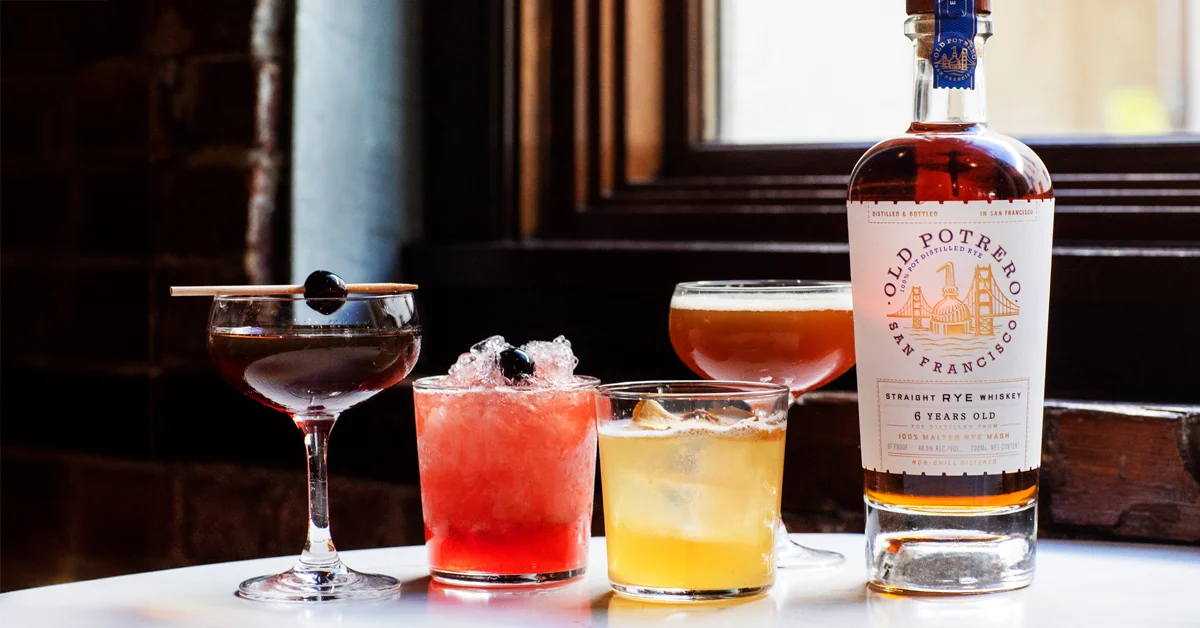
The American craft beer industry, once defined by exponential growth and a cult-like following for limited-edition releases, is currently undergoing its most significant structural transformation in decades. In 2024, the Brewers Association reported that 399 breweries across the United States closed their doors, while overall production volume saw a 2% decline. This contraction is not merely a post-pandemic correction but a symptom of a broader shift in consumer behavior, particularly among younger demographics. As Generation Z increasingly gravitates toward non-alcoholic options, THC-infused beverages, and ready-to-drink (RTD) cocktails, the traditional "hop-head" culture that sustained the industry for twenty years is waning. In response, some of the nation’s most prestigious craft breweries are pivoting toward a new frontier: the distillation of spirits.
For many established brewers, the move into spirits is a logical extension of their existing expertise. JC Tetreault, co-founder of Boston-based Trillium Brewing, noted that the technical requirements for making whiskey are remarkably similar to those of brewing beer. Tetreault observed that within two years of opening Trillium in 2013, he realized the brewery was already performing approximately 90% of the work required to be a whiskey distiller. The fundamental base of whiskey is a fermented grain mash—essentially a beer without the addition of hops. By distilling this liquid and aging it in wooden barrels, a brewery can transform its core product into a premium spirit, offering a hedge against the fluctuating demand for traditional ales and lagers.
The Economic Reality of the 2024 Beer Market
The decline in beer consumption is rooted in several macroeconomic and cultural factors. According to the 2024 "Year in Beer" report by the Brewers Association, the industry is entering a "mature" phase where competition for shelf space and tap handles has reached a saturation point. The pandemic-era trend of purchasing cases of "freshies"—highly perishable hazy IPAs—has largely subsided as consumers seek more shelf-stable or health-conscious alternatives.
Furthermore, the rise of "total beverage" companies has forced craft brewers to reconsider their identity. Large-scale producers have aggressively expanded into hard seltzers and spirit-based RTDs, categories that have seen double-digit growth while beer remained stagnant. For independent breweries, the choice is often between doubling down on a shrinking market or diversifying their portfolio to capture the growing interest in craft spirits.
A Chronology of the Brewer-Distiller Evolution
While the current surge in brewery-led distilleries feels like a reaction to modern market pressures, the movement has deep roots in the American craft revolution.
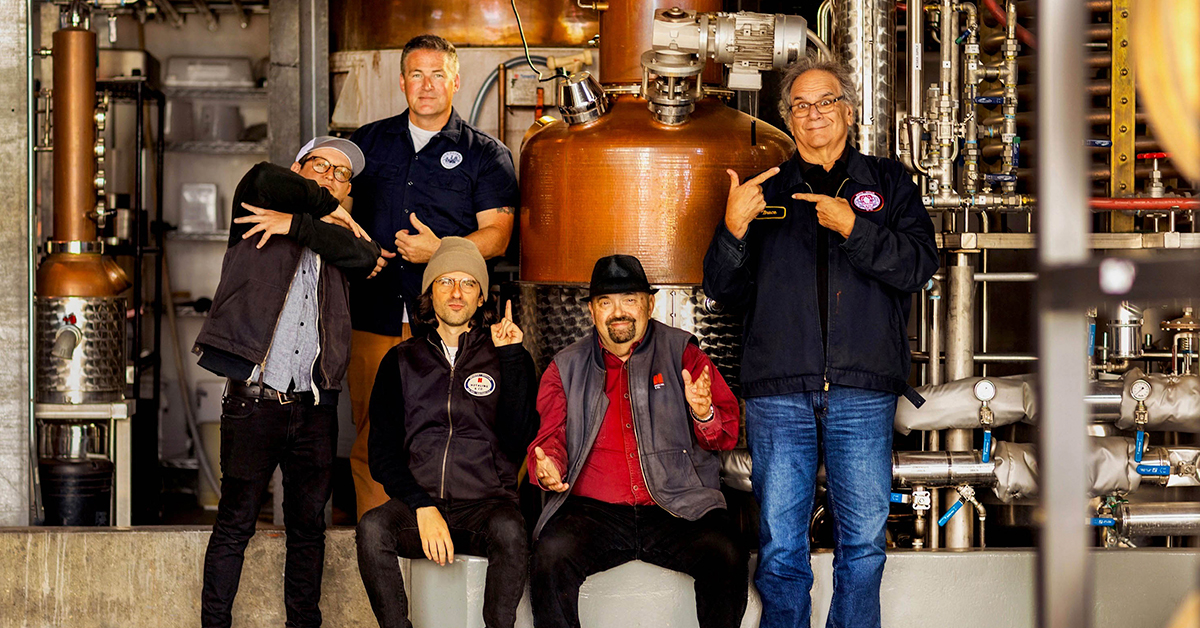
In 1993, Anchor Brewing in San Francisco—widely considered the pioneer of the modern craft beer movement—established Anchor Distilling. Under the guidance of industry veteran Bruce Joseph, the company released Old Potrero, a single malt rye whiskey that aimed to recreate the flavors of 18th-century spirits. Joseph noted that the skills acquired as a brewer provided a nearly seamless foundation for whiskey production, requiring only the addition of a still to the existing infrastructure.
The early 2000s saw a slow but steady increase in this dual-threat model. Oregon’s Rogue Ales & Spirits began distilling in 2003, eventually expanding to include its own cooperage to manufacture barrels. In 2005, Michigan’s New Holland Brewing added a distilling arm, and in 2006, San Diego’s Ballast Point launched what would become Cutwater Spirits. The financial potential of this model was validated in 2019 when Anheuser-Busch acquired Cutwater Spirits, which had successfully transitioned from a brewery side-project to a dominant force in the canned cocktail market.
By the 2010s, the "Hazy IPA" titans began to enter the fray. Tree House Brewing Company, founded in 2011 and arguably the most influential craft brewery of the last decade, launched its distilling program in 2021. Trillium Brewing followed a similar path, integrating spirits into its expansive ecosystem of taprooms, restaurants, and farms.
Technical Synergies and Regulatory Hurdles
The transition from brewing to distilling is facilitated by shared equipment and processes. Both industries rely on grain sourcing, milling, mashing, and fermentation. However, the production of spirits introduces a level of complexity that requires significant capital investment and a different regulatory approach.
In many states, such as Massachusetts, the legal framework requires a strict separation between brewing and distilling operations. For Trillium, this meant securing a completely separate license and dedicated distilling space, despite already operating four locations and a farm. Furthermore, the flavor profiles of spirits require a departure from beer-centric recipes. While beer often relies on malted barley and aromatic hops, whiskey mashes frequently utilize high percentages of unmalted grains, such as corn or rye, to achieve the desired chemical balance for distillation.
John Britton, who leads the distilling program at Tree House Brewing, emphasizes that "all good spirits start from a good mash." Britton, who brought experience from prestigious distilleries like St. George Spirits, argues that the world’s best breweries already possess the technical discipline to create superior spirit bases. The challenge lies in the "artful scale"—the ability to maintain the artisanal quality that craft fans expect while producing enough volume to sustain a spirit brand.
Diversification Beyond Whiskey
While whiskey is the most natural fit for a brewery, many are branching out into "clear" spirits and botanical-forward products. This diversification allows breweries to utilize their existing canning lines for the production of ready-to-drink (RTD) cocktails, which have become a primary driver of revenue.
Tree House Brewing has expanded its portfolio to include rum, fruit brandies, absinthe, and even shochu, a traditional Japanese rice distillate. Their RTD line, featuring canned versions of a Tom Collins, Gin and Tonic, and the "Casa de Árbol" agave-based Paloma, serves as a bridge for consumers. By offering spirits at a price point and in a format similar to craft beer, breweries can encourage their existing customer base to "jump the aisle" and explore new categories.
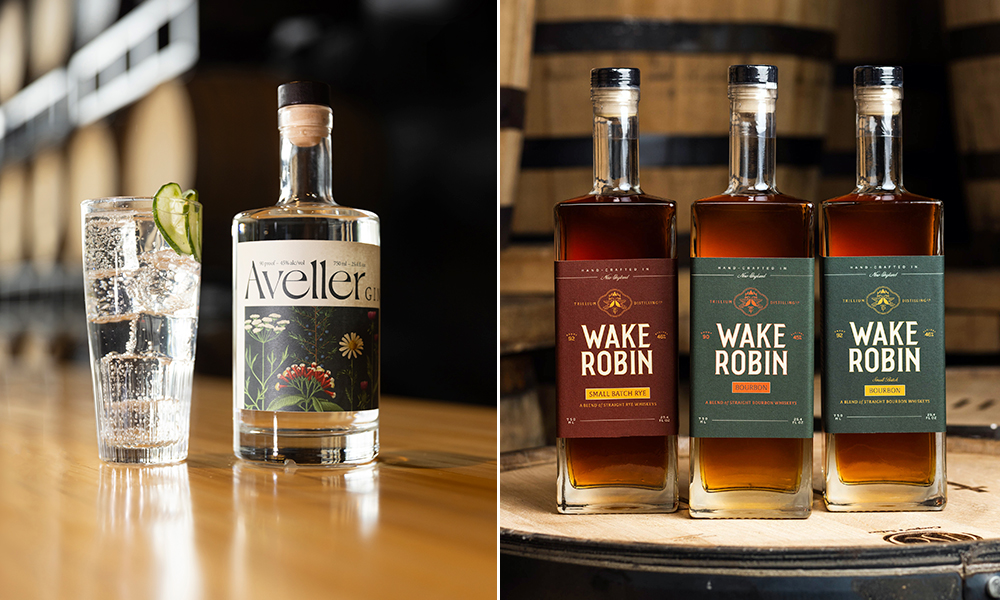
Other notable examples include:
- Finback Brewing (New York): Operates the Halftone label, which focuses on gins that incorporate hops, creating a sensory link between their IPAs and their spirits.
- 3 Floyds (Indiana): Launched its distilling arm in 2017, producing spirits like "Bubblegumhead" straight malt whiskey, which references the brand’s heavy metal aesthetic and popular beer names.
- Trillium (Massachusetts): Offers a comprehensive suite of spirits, including amaro, vermouth, and orange liqueur, specifically designed to support a high-end cocktail program within their hospitality spaces.
The Impact on Taproom Culture and Demographics
The strategic shift toward spirits is also a response to the changing role of the brewery taproom. In the mid-2010s, taprooms were destinations for beer enthusiasts to wait in line for specific releases. Today, they are increasingly functioning as community hubs and full-service hospitality venues.
For Trillium, the addition of spirits allowed for the creation of the Headroom Hi-Fi Cocktail Lounge in Boston’s Fort Point neighborhood. This space has successfully attracted a demographic that is distinct from the traditional beer-drinker profile. Tetreault observes that the lounge draws in late-night crowds and younger consumers who may have never heard of Trillium as a brewery. By offering a sophisticated cocktail environment, the company has insulated itself against the declining interest in beer among Gen Z and older millennials who may be moving away from high-calorie, hop-heavy beverages.
This "no-ego" approach to diversification is becoming a blueprint for survival. Rather than insisting on being "just a brewery," these companies are evolving into lifestyle brands that offer a beverage for every occasion, whether it is a barrel-aged stout, a botanical gin, or a non-alcoholic RTD.
Broader Implications for the Craft Industry
The trend of breweries-turned-distilleries suggests a permanent blurring of the lines between alcohol categories. As the craft beer market continues to mature and consolidate, the "craft" designation is being applied more broadly to spirits, cider, and even THC beverages.
Industry analysts suggest that this diversification is a sign of a healthier, more resilient business model. By spreading their production across multiple categories, breweries can weather fluctuations in grain prices, changes in consumer health trends, and shifts in regulatory environments. However, this transition is not without risk. The spirits market is equally competitive, and the long lead times required for aging whiskey can create significant cash-flow challenges for smaller operations.
In the long term, the success of these ventures will depend on whether breweries can maintain the same level of brand loyalty in the spirits aisle that they enjoyed at the tap handle. For pioneers like Tree House and Trillium, the early results are promising. By leveraging their reputations for quality and innovation, they are proving that the future of craft may not be found in a beer can alone, but in the sophisticated marriage of the brew house and the still.