admin
admin
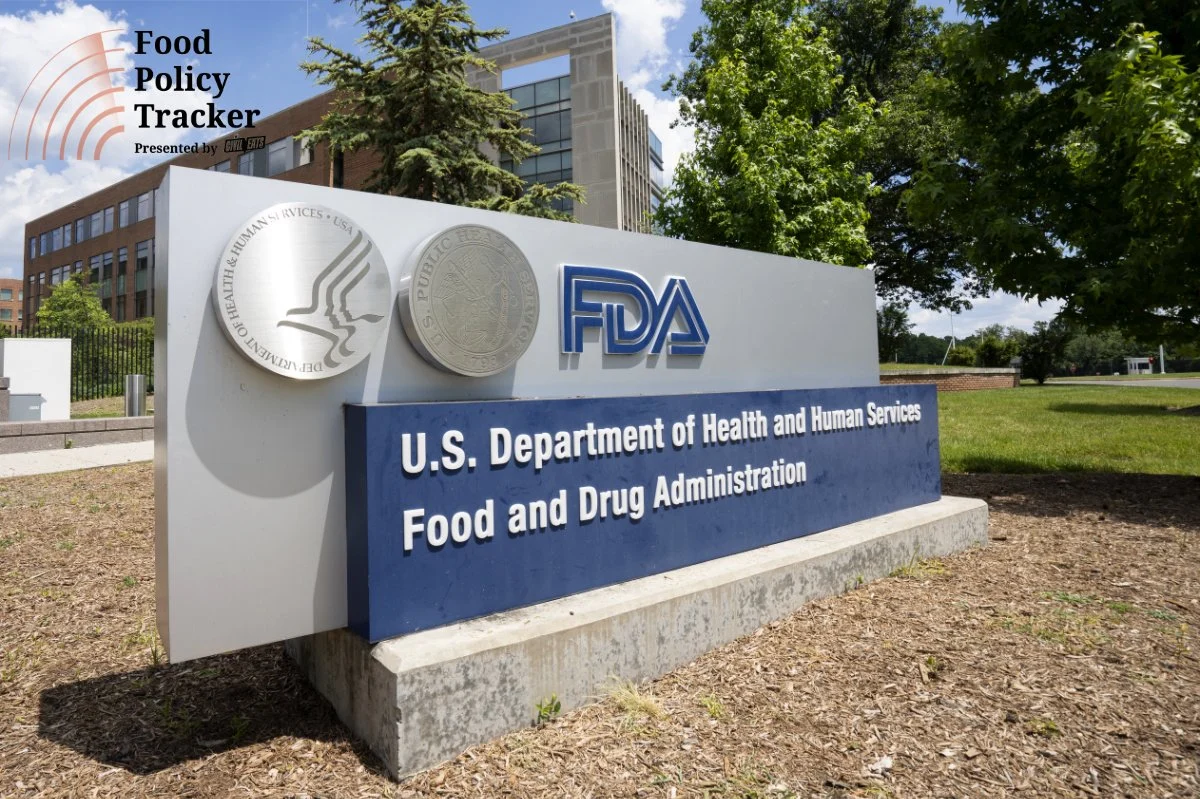
Washington, D.C. – The Department of Health and Human Services (HHS) and the Environmental Protection Agency (EPA) announced a joint initiative on September 23, 2026, to coordinate research into the safety of glyphosate, the active ingredient in the widely used herbicide Roundup. This collaboration, formalized through a memorandum of understanding (MOU), aims to expand the scientific evidence base available to the EPA as it conducts its ongoing registration review of the controversial pesticide. However, the announcement has been met with significant skepticism from pesticide critics and environmental advocacy groups, who question the likelihood of meaningful policy shifts given the EPA’s historical stance and the Trump administration’s evolving position on glyphosate.
Details of the Inter-Agency Agreement
The newly signed MOU between HHS and EPA outlines a framework for increased cooperation on glyphosate-related research. Specifically, the agreement seeks to identify gaps in existing scientific evidence and facilitate coordinated research efforts to address these deficiencies. This collaborative approach is intended to provide the EPA with a more comprehensive body of data as it works towards finalizing its human health risk assessment of glyphosate, a critical component of its registration review process. The EPA is expected to conclude this assessment by early 2027, according to official statements.
The collaboration is a direct response to a 2022 federal court decision that mandated the EPA re-evaluate its previous registration of glyphosate under the Federal Insecticide, Fungicide, and Rodenticide Act (FIFRA). FIFRA is the primary federal law governing pesticide regulation in the United States, requiring the EPA to register all pesticides distributed or sold in the U.S. and to re-evaluate these registrations periodically to ensure they do not pose unreasonable risks to human health or the environment. While the MOU grants HHS a greater consultative role in identifying research priorities, the EPA retains the ultimate authority over regulatory decisions concerning glyphosate’s registration status.
A History of Controversy and Regulatory Scrutiny

Glyphosate, first introduced by Monsanto (now owned by Bayer) in the 1970s under the brand name Roundup, rapidly became the world’s most widely used herbicide. Its popularity soared with the introduction of "Roundup Ready" genetically modified crops, which are resistant to glyphosate, allowing farmers to spray herbicides directly over fields to kill weeds without harming their crops. Globally, billions of pounds of glyphosate are applied annually, particularly in the cultivation of corn, soybeans, and cotton.
Despite its widespread adoption, glyphosate has been a subject of intense scientific and public debate for years, primarily concerning its potential health impacts. A pivotal moment occurred in March 2015 when the International Agency for Research on Cancer (IARC), the cancer research arm of the World Health Organization, classified glyphosate as "probably carcinogenic to humans" (Group 2A). This classification ignited a wave of lawsuits against Monsanto, alleging that exposure to Roundup caused non-Hodgkin lymphoma and that the company failed to warn consumers about the risks.
Thousands of these lawsuits have resulted in substantial judgments and settlements against Bayer, most notably the landmark 2018 verdict in favor of Dewayne "Lee" Johnson, a former school groundskeeper, and subsequent large settlements. These legal battles have kept glyphosate’s safety profile under an intense spotlight, leading to calls from consumer advocates, environmental groups, and some farmers for stricter regulation or outright bans.
In contrast to IARC, regulatory bodies in several countries, including the EPA, have generally maintained that glyphosate is unlikely to pose a carcinogenic risk to humans when used according to label instructions. The EPA’s stance, reaffirmed in a 2020 interim decision, has consistently been that glyphosate is not a carcinogen. This divergence in scientific opinion and regulatory outcomes has fueled public distrust and intensified calls for more rigorous and transparent reviews of the chemical’s safety.
The 2022 federal court decision that prompted the current EPA re-evaluation underscored the legal pressure on the agency. The court found that the EPA had failed to adequately assess certain risks associated with glyphosate, including its potential impact on endangered species and its carcinogenic potential, thereby rejecting the agency’s prior registration decision. This ruling set the stage for the current comprehensive review, which the HHS-EPA MOU is now intended to bolster with additional research.
Skepticism from Environmental and Food Safety Advocates

While the announcement of inter-agency collaboration might appear to be a step towards greater scientific rigor, leading environmental and food safety advocates have largely dismissed it as insufficient for driving meaningful change. Ken Cook, president of the Environmental Working Group (EWG), a prominent environmental health research and advocacy organization, expressed deep skepticism. "I think this is a fig leaf," Cook told Civil Eats, suggesting the MOU is more symbolic than substantive. "I don’t think this really amounts to anything." Cook emphasized that the core issue has never been a lack of scientific data, but rather the EPA’s willingness to incorporate all available evidence, especially that which challenges the pesticide industry’s interests, into its regulatory decisions.
This sentiment was echoed by Bill Freese, science director of the Center for Food Safety, who stated his doubt that the MOU would alter the outcome of the ongoing review, citing the EPA’s "history" of selectively interpreting scientific findings. Freese also highlighted the practical timeline, suggesting that any new collaborative research would likely take years to complete, making it improbable to influence the EPA’s human health risk assessment slated for early 2027.
Nathan Donley, environmental health science director at the Center for Biological Diversity, offered an even sharper critique. "The problem has never been that EPA’s pesticide office doesn’t compile all the relevant science or consult with outside researchers, it’s that it selectively ignores the science that doesn’t support the pesticide industry’s regulatory goals," Donley said in a statement. He concluded that "This announcement does nothing to prevent that from happening, so as far as I’m concerned it’s a bunch of smoke and mirrors." These critics collectively argue that as long as the EPA maintains the final say on registration decisions, and if its historical patterns of evaluation persist, the MOU’s impact will be negligible.
The Evolving Stance of the Trump Administration
The Trump administration’s position on glyphosate has shown considerable fluidity over recent years, adding another layer of complexity to the current situation. Initially, the "Make America Healthy Again" (MAHA) movement, a key base of the Trump administration, appeared to align with critics of glyphosate. The first MAHA Commission report, released in 2025, touched upon food safety and public health concerns, implicitly supporting calls for closer scrutiny of chemicals like glyphosate.
However, this initial alignment appears to have shifted. The administration has since scaled back its critical stance on pesticides. In a notable move, it sided with chemical company Bayer in a recent Supreme Court case involving glyphosate liability. Furthermore, in February 2026, President Trump issued an executive order directing the U.S. Department of Agriculture (USDA) to boost domestic production of glyphosate, ostensibly to strengthen agricultural supply chains and reduce reliance on foreign imports. This executive order was seen by many as a clear signal of the administration’s support for the pesticide industry and a departure from earlier concerns.

Despite this pivot, the Trump administration has attempted to keep MAHA voters engaged by promoting initiatives like regenerative agriculture. These efforts, while seemingly contradictory to the support for glyphosate, aim to address environmental and health concerns within the agricultural sector through different avenues. The MOU itself received some positive, albeit cautious, attention from MAHA advocates on social media platforms, indicating a degree of hope that the collaboration could lead to improved oversight. Yet, the broader community of pesticide critics remains unconvinced that the administration’s actions reflect a genuine commitment to re-evaluating glyphosate’s safety with impartiality.
Broader Implications and Future Outlook
The HHS-EPA collaboration on glyphosate research highlights the ongoing tension between scientific assessment, regulatory authority, and public health advocacy. While the MOU aims to enhance the scientific basis for EPA’s decisions, the fundamental concern for critics is not merely the volume of research, but the framework within which that research is interpreted and applied. The EPA’s statutory mandate under FIFRA is to balance the risks and benefits of pesticides, a process that inherently involves complex scientific and economic considerations.
The outcome of the EPA’s human health risk assessment, due in early 2027, will be keenly watched by all stakeholders. Should the EPA maintain its current position that glyphosate is not a carcinogen, it would likely reinforce the skepticism of environmental groups and potentially lead to further legal challenges. Conversely, any shift in the EPA’s assessment, perhaps influenced by new research facilitated by the HHS collaboration, could have profound implications for agricultural practices, the chemical industry, and public health.
Ultimately, the effectiveness of this new inter-agency collaboration will be judged not by the signing of an MOU, but by its tangible impact on the EPA’s final regulatory decisions and the broader public trust in federal chemical safety evaluations. For now, the agreement stands as a testament to the persistent debate surrounding glyphosate, a debate that continues to shape food policy, environmental protection, and public health discourse in the United States.