admin
admin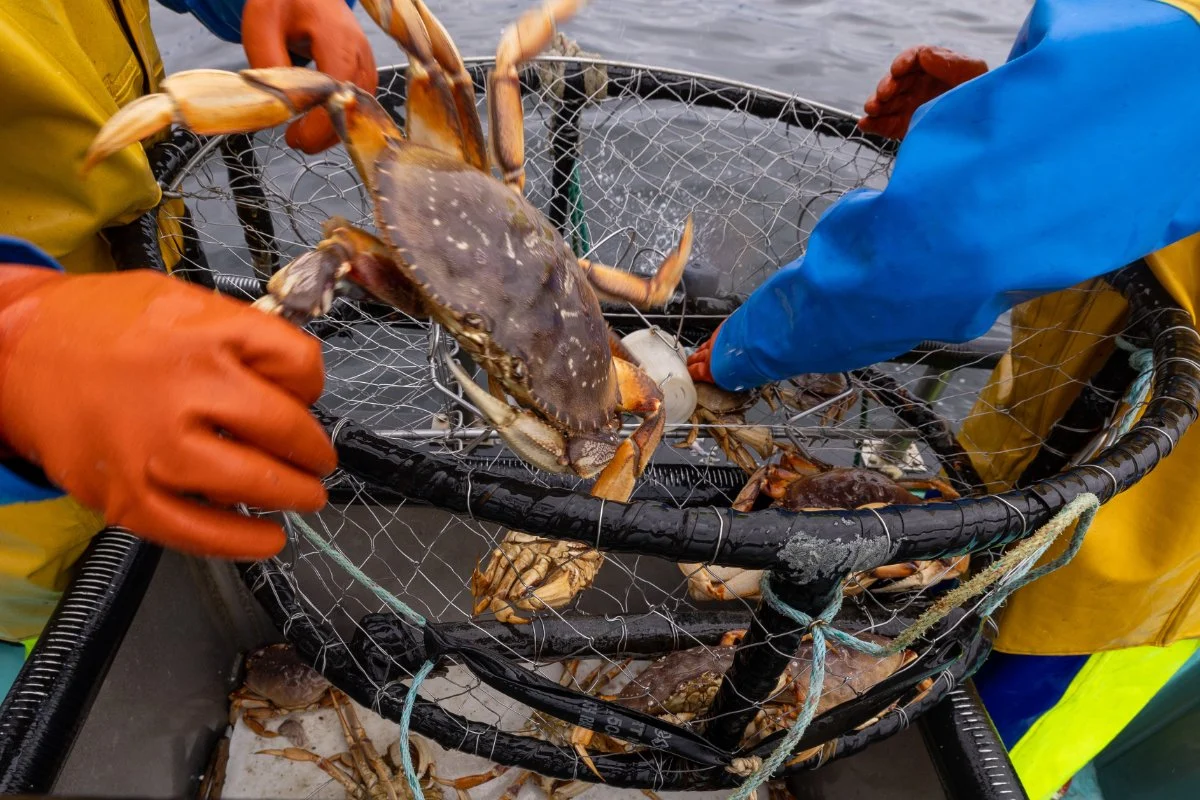
Fishers nationwide are grappling with a severe lack of insurance protections and critically delayed federal relief, pushing many out of business as the nation braces for an unprecedented "super El Niño" storm season. The rapid intensification of Hurricane Polo into a Category 5 storm off Mexico’s coast this week serves as a stark warning of the violent weather patterns expected to be amplified by this brewing climatic phenomenon in the tropical Pacific. With forecasters predicting one of the most powerful El Niño events on record, characterized by sea surface temperatures projected to surge 3.4°C through February, coastal communities and the vital fishing industry face a perilous future marked by erratic weather, heavy rains, strong winds, and widespread coastal flooding. California Governor Gavin Newsom has already taken preemptive action, declaring a state of emergency on September 21, 2026, to mobilize state resources and fortify vulnerable areas against the anticipated onslaught.
The Impending "Super El Niño": A Looming Ecological and Economic Threat
This particular El Niño event is not merely a natural climatic cycle; it is a force exacerbated by the accelerating impacts of climate change, creating a compounding threat to marine ecosystems from California to Alaska. El Niño, a periodic warming of sea surface temperatures in the central and eastern tropical Pacific Ocean, naturally weakens trade winds and disrupts ocean currents. This disruption traps vital nutrients, essential for the plankton at the base of the marine food web, at cooler depths and closer to shore. The ripple effect through the marine food chain is profound: some species face starvation, increased disease, or reproductive failure, while others are forced to migrate to deeper or colder waters in search of sustenance. Scientific consensus, detailed by researchers at institutions like NOAA and AccuWeather, indicates that human-induced climate change is intensifying these natural phenomena, leading to more frequent and powerful marine heatwaves and extreme weather events.
The historical precedent for such a "super El Niño" is dire. The 2015-2016 event, while not as intensely forecasted as the current one, resulted in devastating losses totaling at least $141 million across key Pacific fisheries, including Dungeness crab, salmon, red sea urchin, and sardines. The repercussions of that event lingered for years; California’s red sea urchin fishery, for instance, has yet to fully recover, contributing to broader ecosystem-level crises. These economic consequences extend far beyond the docks, impacting processing plants, distributors, and the entire socio-economic fabric of coastal fishing communities. Unlike their agricultural counterparts who benefit from government-supported crop insurance, fishers currently navigate these environmental hazards with a severely inadequate safety net.

Cascading Impacts on Marine Ecosystems and Fisheries
The initial signs of distress are already evident. Peru, a major global fishing nation, has been compelled to temporarily halt its anchovy fishery due to El Niño’s early effects. While the full "explosion" has yet to hit U.S. Pacific fisheries, as Anthony Rogers, senior fellow for Fisheries Economics and Climate at Ocean Conservancy, warns, the fuse is undeniably lit.
The Dungeness crab fishery, one of California’s most economically significant species, stands as a prime example of vulnerability. During the 2015-2016 super El Niño, it suffered a catastrophic "double whammy." Warmer waters spurred harmful algal blooms that produced domoic acid, a potent neurotoxin, rendering the crabs unsafe for consumption. Simultaneously, the scarcity of plankton further offshore drove humpback whales closer to the coast in search of food, leading to increased entanglements with crab gear. This confluence of factors forced the fishery to close for five of its seven months, resulting in an estimated $27.2 million in direct losses. The problem is compounded by the fact that this decade’s super El Niño follows another significant marine heatwave, creating prolonged periods of stress on already vulnerable ecosystems and potentially leading to back-to-back years of fishery losses.
Salmon stocks also face significant threats. While some Alaskan salmon juveniles might initially fare better in slightly warmer waters, according to Peter Westley, a professor at the University of Alaska’s College of Fisheries and Ocean Science, the overall outlook is concerning. Changes in rainfall patterns associated with El Niño can destroy crucial salmon spawning grounds and reduce the survival rate of juveniles before they even reach the ocean. Beyond direct impacts on fish populations, the sheer force of El Niño-driven weather—strong winds, monumental waves, and extensive coastal flooding—can prevent fishers from even getting their vessels out on the water, directly impeding their ability to earn an income. Dick Ogg, a Dungeness crab fisher from Bodega Bay, highlights how these operational challenges are as critical as stock depletion. California’s emergency declaration, by mobilizing resources for rapid response to flooding and landslides, may mitigate some public infrastructure damage but offers little direct protection for fishers’ livelihoods.
The Broken Promise: Federal Disaster Relief’s Critical Flaws

The current federal system for fishery disaster relief, administered by the National Oceanic and Atmospheric Administration (NOAA), is notoriously slow and cumbersome. The process typically begins with states submitting disaster requests, which NOAA then reviews and routes through various policy chains, including the Commerce Secretary and the Office of Management and Budget. Even after approval, these requests often languish, awaiting congressional appropriation of funds. Once funds are secured, states must then convene stakeholders to design equitable distribution plans, which require further federal sign-off. This multi-stage bureaucracy means relief often takes an agonizing three to six years to reach the pockets of struggling fishers. For many small, family-owned businesses, this relief arrives too late, forcing them to close their doors permanently.
The scale of this systemic failure is growing. Historically, from 1985 to 2015, NOAA received an average of two disaster relief requests per year. Since then, this number has skyrocketed to an average of ten per year, reflecting the increasing frequency and intensity of climate-related events. The backlog is staggering: the Trump administration, for instance, allocated $124 million in disaster funds this year for crises that occurred in 2022 and 2023, yet nearly 30 claims for environmental disasters dating as far back as 2019 are still awaiting review or disbursement.
The human cost of these delays is profound, particularly evident in Alaska’s crab fisheries. The Bristol Bay red king crab fishery, a cornerstone of Alaskan fishing, closed in 2019 for the first time in 25 years, possibly due to ocean acidification. This was followed by the devastating collapse of the snow crab fishery in 2021, triggered by a marine heatwave that caused a mass starvation event. Gabriel Prout, a third-generation crab fisherman and president of Alaskan Bering Sea Crabbers, vividly describes the impact: "We lost roughly $250 million in ex-vessel value in a year." It took a harrowing four years for crabbers to begin receiving federal relief for these catastrophic events, with two other disaster requests still pending. Prout emphasizes the brutal reality: "When your revenue basically disappears overnight for multiple years, it gets extremely difficult to stay in business. You’re still left with bank loans, quota rights, mortgage fees, vessel expenses, drydocking, and your regular living expenses."
To survive, Prout’s family resorted to drastic measures, cutting crew members, performing their own vessel maintenance, and seeking alternative income streams, including ferrying salmon and even renting out a room in their home and their personal vehicle on car-sharing apps. Such cost-cutting often comes at the expense of safety, as vessel maintenance might be neglected, and experienced crew members, unable to sustain themselves, leave the industry, replaced by potentially less-experienced workers. The ultimate consequence is clear: "A lot of small family businesses have decided to call it quits, and the fishery is continuing to get more consolidated," Prout laments, highlighting the erosion of a vital cultural and economic heritage.
A Call for Immediate Action and Systemic Reform

Ocean advocates and fishing groups are united in their call for urgent reform. Given the inevitability of the impending El Niño’s destructive force, Anthony Rogers of the Ocean Conservancy argues that Congress should appropriate funds immediately for anticipated losses. "Ultimately, they’re going to allocate disaster funds because we know a disaster is going to happen," Rogers asserts. "They should allocate it now so that it’s ready to disperse when people actually need it, rather than five years later." This pre-emptive approach would bypass the current cumbersome process and provide a lifeline to communities facing immediate economic collapse. A NOAA spokesperson, when asked for comment on the delays, declined to discuss "internal management matter," stating only that "NOAA remains dedicated to providing timely information, research and resources that serve the American public and ensure our nation’s economic and environmental resilience." This response, however, offers little solace to fishers facing imminent financial ruin.
Beyond immediate appropriation, there is a growing consensus that the fundamental mechanisms of disaster relief for fisheries must be overhauled. Jamie Goen, executive director at Alaskan Bering Sea Crabbers, encapsulates the sentiment: "Our country wants to support this vision of family businesses making it, whether it’s farmers or fishermen, and so we need insurance or other tools that can help them. We are losing the family fishing businesses."
Exploring a New Horizon: Fishery Insurance as a Long-Term Solution
The protracted delays in federal relief have catalyzed a renewed focus on developing a robust, government-supported insurance program for fishers, akin to agricultural crop insurance. The concept, which has been researched and debated for decades, is gaining significant traction, particularly with the establishment of USDA’s new Office of Seafood in April 2026. This office provides a crucial federal platform for exploring such innovative solutions.
Jamie Goen is actively involved with the Ocean Modeling Forum, one of several U.S. initiatives dedicated to researching the feasibility of creating specialized insurance products for fishers. The vision is to pilot a program within the next two years, with discussions already underway with the Office of Seafood. This ambitious program would likely involve multiple fisheries across the country to diversify and spread the risk for insurers. To ensure widespread adoption and provide meaningful protection, such an initiative would likely need to be fully subsidized and would ideally run for an initial period of about three years. Mike Illenberg, director of the Office of Seafood, confirmed these ongoing conversations, noting, "We are very much in the ideation stage."

Further momentum for fishery insurance is building in legislative circles. Homarus Strategies, a marine policy consulting group, and the Alaska Longline Fishermen’s Association have collaborated with Senator Lisa Murkowski’s (R-Alaska) office to secure $500,000 in the fiscal year 2027 budget. This funding is specifically earmarked to develop a pilot commercial fisheries insurance program, signaling a significant step toward practical implementation.
Models for fisheries insurance are already emerging, providing valuable insights. The USDA’s Office of Risk Management currently operates a pilot insurance program for oyster producers, demonstrating a precedent for federal involvement in aquaculture insurance. Internationally, the Caribbean region has made strides: in June, a Caribbean insurance provider partnered with the United Nations Office for Disaster Risk Reduction to launch a pioneering insurance product specifically designed to protect fishers from hurricane damages. Moreover, innovative parametric insurance policies, which trigger payouts based on specific environmental indicators like wind speed or ocean temperature rather than requiring damage assessment, are already in use for coral reefs in Mexico and Hawaii. These policies, underwritten by reinsurers like Swiss Re and Munich Re in collaboration with conservation nonprofits, provide funds for reef restoration after hurricane and tropical storm destruction.
Chris Anderson, a fisheries economist and professor at the University of Washington and a member of the Ocean Modeling Forum, highlights the potential of parametric insurance for fisheries, suggesting indicators like ocean temperature or salinity could serve as triggers. He also notes that more traditional forms of insurance, based on lost revenues from diminished catches, could be viable for certain fisheries. Anderson emphasizes that "now is the window of opportunity for insuring fishers. Climate impacts are happening with enough frequency, but not yet enough regularity, to make insurance feasible."
Navigating the Complexities: Challenges and Considerations for Fishery Insurance
Despite the promise, the development of fishery insurance presents numerous complexities. Anthony Rogers, while supporting the initiative, expresses a significant concern: "My biggest concern is moving to a model that could work for large industrialized fisheries but leave some of the small independent operators high and dry." This mirrors a long-standing issue with traditional crop insurance, which has historically favored large farms, leaving many small and mid-sized operations unprotected. To address this, Anderson suggests looking at USDA’s existing Whole Farm Revenue Protection and Micro Farm programs as potential models, which are designed to support smaller agricultural businesses. However, the incentive structure for insurance brokers, who typically work on commission and profit more from larger policies, would need to be re-evaluated, perhaps by implementing a flat-fee payment system.

Another critical consideration is the long-term nature of fishery impacts. Unlike annual row crops, fisheries often resemble tree crops, with effects lingering for years. Any insurance product must therefore account for these multi-year recovery periods. Rogers also cautions against inadvertently locking fishers into maladaptive practices, similar to how some crop insurance policies can discourage farmers from adopting climate-adaptive strategies. Fishers often respond to uncertainty by shifting target species or fishing grounds; insurance products must be flexible enough to allow for such adaptation. Furthermore, it is paramount that any insurance program be closely coordinated with existing fishery management systems to avoid unintentionally incentivizing unsustainable fishing practices, such as under- or over-fishing.
Regardless of the emergence of new insurance programs, federal disaster relief will remain an indispensable component of the safety net. Noah Oppenheim, founder of Homarus Strategies, underscores this point: "Nobody is saying we need to replace the fishery disaster program. We need to focus on improving it." Federal relief is crucial not only for individual fishers but also for supporting entire fishing communities, including processors, and funding vital research and long-term stock rebuilding programs. Fisheries that remain uninsurable due to unique risks or market conditions will still require access to robust disaster funds.
Protecting a Legacy: The Human Cost and Future of Family Fishing
The struggles of fishing families like Gabriel Prout’s highlight the urgent need for a comprehensive and responsive support system. Having endured multiple climate-related fishery disasters, Prout’s plea is deeply personal and widely shared: "It’s really about protecting their legacy, and being able to have something that’s sustainable for our children." The continued viability of small, independent fishing families, who have sustained their livelihoods from the sea for generations, is not just an economic issue; it is a question of cultural heritage, community resilience, and the future of America’s food systems. As the nation faces an increasingly volatile climate, the failure to adapt and provide adequate protections for its fishing communities risks losing an irreplaceable part of its identity and economy. The impending super El Niño serves as an undeniable catalyst for change, demanding that policymakers and stakeholders collaborate to forge a future where fishers are not left to weather the storm alone.