admin
admin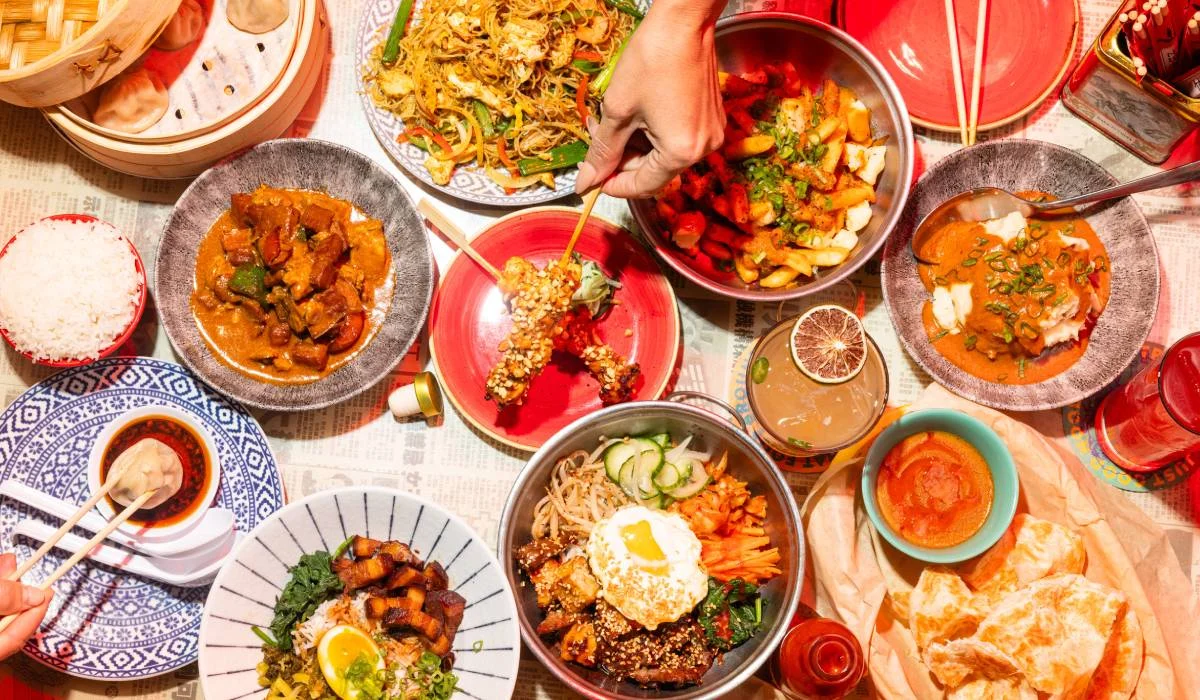
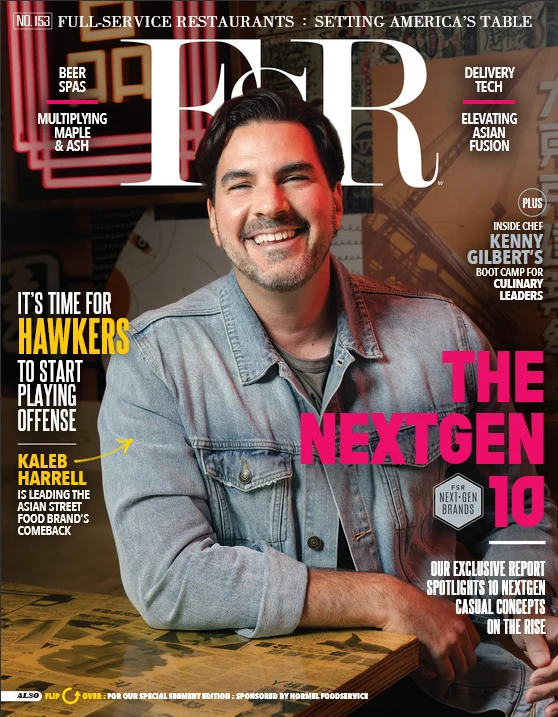
The full-service restaurant industry is undergoing a profound transformation, moving away from the rigid corporate structures of the past and toward a more agile, hospitality-focused model. As the sector stabilizes following years of economic volatility and shifting consumer behaviors, a new group of leaders has emerged. FSR Magazine’s 2026 NextGen 10 list identifies the brands currently setting the pace for the industry, showcasing a diverse array of concepts—from high-energy sports cantinas and viral brunch spots to authentic regional barbecue and international street food.

These brands represent a spectrum of scale, ranging from independent two-unit operations to established chains with over 60 locations. Despite their differences in cuisine and size, they are united by a commitment to sustainable growth, a focus on "people over purely profit," and a strategic integration of technology designed to enhance, rather than replace, the human element of hospitality.
The Strategic Shift: From Defense to Offense
The 2026 NextGen 10 list arrives at a critical juncture for the casual dining sector. According to industry data, the "NextGen" segment is defined by its ability to blend the efficiency of fast-casual operations with the immersive experience of traditional full-service dining. This year’s cohort demonstrates a significant shift in leadership mentality: a move from "survival mode"—characterized by cost-cutting and menu contraction—to an "offensive mindset" focused on expansion, menu innovation, and brand building.

Hawkers Asian Street Food: Rebounding with Rigor
Hawkers Asian Street Food serves as a primary example of this resilience. Founded in 2011 by Kaleb Harrell, Allen Lo, Wayne Yung, and Kin Ho, the brand was built on the flavors of traditional Asian hawker stalls. After navigating a complex period that included a Chapter 11 bankruptcy filing and the loss of co-founder Kin Ho to leukemia, the brand secured a pivotal investment from the Savory Fund in June 2025.
Under the leadership of CEO Kaleb Harrell, Hawkers has transitioned back to an aggressive growth strategy. The brand currently operates 15 company-owned locations across seven states, boasting impressive Average Unit Volumes (AUVs) of $4.6 million and a 4.8-star guest satisfaction rating. Harrell’s strategy focuses on internal development, with a goal of 50% of salaried team members being internal promotes. The brand’s "barbell" menu approach balances approachable staples like Pad Thai with adventurous dishes like Nasi Lemak, maintaining "street cred" while ensuring broad appeal.

Squeeze In: Scaling Radical Kindness
In the breakfast and brunch sector, Squeeze In Restaurants is leveraging a unique "sister conglomerate" leadership model. Co-owners Kay Young and Shila Morris have evolved the brand from a single Truckee, California, location into an eight-unit franchise system spanning California, Nevada, and Texas.
The brand’s identity is rooted in "radical kindness" and a maximalist aesthetic where guests are encouraged to sign the walls. With a long-term goal of reaching 100 units, the sisters view the 20-unit mark as the critical tipping point for national scalability. By recruiting franchisees from their own pool of loyal guests, Squeeze In ensures that its eccentric, community-focused culture remains intact during expansion.

Authenticity and Niche Market Dominance
A recurring theme among the NextGen 10 is the rejection of "one-size-fits-all" dining. These brands are finding success by leaning into specific cultural identities and regional legacies.
Ojos Locos Sports Cantina: The Latino Sports Authority
Ojos Locos was established in Dallas in 2010 to fill a void in the market: an authentic Tex-Mex environment dedicated to Latino sports. Today, the brand operates 35 locations across the Southwest and West Coast. Chief Marketing Officer Destinee Rollins has spearheaded a return to the brand’s scratch-cooking roots, removing operational shortcuts to ensure culinary authenticity. The brand is currently preparing for a major expansion into the Mid-Atlantic and Florida markets, supported by a refined franchising framework designed to replicate its high-energy "sports cantina" atmosphere.

Via 313: Nationalizing the Detroit Style
Founded by Detroit natives Zane and Brandon Hunt, Via 313 has been instrumental in the national rise of Detroit-style pizza. What began as a single food trailer in Austin, Texas, in 2011 has expanded to 26 locations across Texas, Utah, and Colorado. The brand’s partnership with Savory Fund has allowed the founders to focus on strategic oversight while maintaining the strict quality standards—such as weighing every pizza to the ounce—that defined their early success. The Hunts view their role as "national stewards" of a regional tradition, prioritizing hometown pride over fleeting industry trends.
Resilience and Rebirth in the Casual Space
Several brands on this year’s list have demonstrated remarkable staying power by modernizing their operations without losing their core identity.

Party Fowl: The Nashville Rooster Flies Again
Nashville-based Party Fowl faced significant headwinds before being acquired by R&R Brands in late 2024 following a Chapter 11 filing. Under CEO Scott Taylor, former head of Walk-On’s Sports Bistreaux, the brand has undergone an internal cultural overhaul. Taylor’s strategy involves re-engaging with local communities, specifically targeting university markets like Louisiana Tech and the University of Florida. The brand’s recovery is centered on the mantra of "showing Nashville that a rooster can fly," focusing on operational excellence to match its popular hot chicken offerings.
Cotton Patch Cafe: The Value of Texas Comfort
With nearly 50 locations, Cotton Patch Cafe has seen six consecutive quarters of positive comparable sales and traffic growth. CEO Brandon Coleman, who took the helm in 2024, attributes this success to "straight-shooting value." The brand’s $9.99 Texas Value Meal and commitment to a 70% scratch-made kitchen have resonated with consumers seeking full-service quality at an affordable price point. Following its acquisition by Local Favorite Restaurants in June 2025, Cotton Patch plans to double its footprint in Texas by utilizing second-generation restaurant spaces.

Immersive Dining and the Power of Identity
The final group of brands in the NextGen 10 highlights the importance of "theming" and social media as drivers of modern restaurant traffic.
Ford’s Garage: A Licensed Experience
Ford’s Garage has successfully leveraged its status as an official licensee of the Ford Motor Company to create a 1920s service station-inspired dining experience. With 34 locations and a pipeline set to hit 40 by the end of 2026, the brand is transitioning from a regional Florida concept to a national player. Newly appointed CMO Kathleen Bush is focusing on a "MotorClub" loyalty experience and digital integration to sustain momentum while maintaining the "authentic human connection" that its garage-themed décor facilitates.

Elm Street Diner: The Viral Destination
Elm Street Diner, a family-owned establishment in Stamford, Connecticut, since 1987, has become a national blueprint for the "viral" restaurant. Co-owner John Moshos rebranded the family business to target younger demographics, leveraging Instagram and TikTok (where the brand has a combined following of nearly 700,000) to showcase "over-the-top" brunch creations. Despite its digital fame, the brand remains rooted in Greek hospitality, proving that social media can be a powerful bridge between traditional service and modern marketing.
Metro Diner and Lucille’s: The Pillars of Consistency
Metro Diner (Jacksonville, FL) and Lucille’s Smokehouse Bar-B-Que (Long Beach, CA) represent the "legacy" wing of the NextGen 10. Metro Diner, with nearly 70 units, has successfully institutionalized its brand through initiatives like National Chicken & Waffle Day. President Stanley Goodman emphasizes that while the brand innovates, its core identity as an "All-American diner" remains unchanged.

Similarly, Lucille’s Smokehouse Bar-B-Que, part of the Hofman Hospitality Group, maintains 19 locations with a focus on "low and slow" cooking and Southern hospitality. President Brad Hofman notes that being family-owned allows the brand to be patient with real estate and labor markets, prioritizing "integrity over unit count."
Broader Industry Implications
The emergence of the 2026 NextGen 10 signals several key trends for the future of the American restaurant industry:

- The Rise of Specialized Private Equity: Partnerships with firms like Savory Fund and R&R Brands are becoming the preferred vehicle for scaling "scrappy" independent concepts into national contenders.
- Hospitality as a Tech Anchor: These brands use technology (loyalty apps, digital ordering) not to reduce labor, but to free up staff to provide higher levels of personal service.
- The "Stage, Not Age" Demographic: Brands like Hawkers and Elm Street Diner are moving away from traditional age-based marketing, instead targeting "behavioral personas" defined by curiosity and a desire for global flavors.
- Value Beyond Price: While value meals (like those at Cotton Patch Cafe) are important, "value" in 2026 is increasingly defined by the quality of the experience and the "authenticity" of the brand story.
As these 10 brands continue to expand, they provide a roadmap for the next generation of restaurateurs. By balancing the financial requirements of scale with a fierce commitment to their founding cultures, the NextGen 10 are not just surviving the new era of dining—they are defining it.