admin
admin
The aesthetic appeal of a wood-burning fireplace remains one of the most sought-after features in the residential real estate market, often serving as a focal point for living rooms and a symbol of domestic comfort. However, industry experts warn that what appears to be a charming architectural asset can rapidly transform into a significant financial liability if the underlying structure is compromised. While a chimney adds character and a secondary heat source to a home, it also introduces a complex set of maintenance requirements and safety risks that are frequently overlooked during the standard home-buying process. Understanding the technical mechanics, the necessity of specialized inspections, and the long-term fiscal responsibilities is essential for any prospective homeowner before finalizing a property purchase.
The Limitation of Standard Home Inspections
A common misconception among homebuyers is that a general home inspection provides a comprehensive evaluation of a chimney’s health. In reality, standard home inspections are typically non-invasive and limited to what is visible to the naked eye. An inspector might note the presence of a chimney and check if the damper opens, but they rarely possess the specialized equipment or the certification required to assess the internal integrity of the flue.
According to the Chimney Safety Institute of America (CSIA), a "Level 2" inspection is the industry standard during a real estate transaction. This level of inspection involves the use of specialized camera equipment that is lowered into the flue to check for cracks, gaps in the liner, and internal blockages that are invisible from the hearth or the roofline. Steve Jafari, managing partner at Restoration Doctor in Virginia Beach, emphasizes that skipping this step is a gamble. Jafari has observed numerous instances where buyers inherited chimneys requiring total rebuilds within a year of purchase because they relied solely on a general inspection report.
Technical Mechanics and Structural Integrity
To evaluate a chimney’s condition, one must understand its basic components. The firebox is where the combustion occurs, while the flue is the vertical passage that carries smoke and gases out of the home. The flue must be lined—usually with vitrified clay tiles, stainless steel, or a cast-in-place masonry material—to protect the house’s combustible structure from heat and corrosion.
Structural defects in these components are not merely cosmetic. Cracks in a clay liner can allow heat to reach wooden framing members, potentially leading to a house fire through a process known as pyrolysis, where wood is chemically altered by long-term heat exposure until it ignites at a lower temperature. Furthermore, a compromised flue can leak carbon monoxide, an odorless and colorless gas, into the living spaces. Professional inspections typically cost between $200 and $450, a nominal fee when compared to the average cost of a chimney liner replacement, which can range from $2,500 to $7,000 depending on the material and the height of the home.
The Hidden Danger of Creosote Buildup
One of the primary hazards associated with wood-burning systems is the accumulation of creosote. Creosote is a byproduct of incomplete combustion; it is a tar-like, highly flammable substance that adheres to the inner walls of the chimney. If left uncleaned, creosote can ignite, causing a chimney fire that reaches temperatures exceeding 2,000 degrees Fahrenheit. Such intense heat can shatter masonry and spread flames to the roof and walls of the house.
Data from the National Fire Protection Association (NFPA) indicates that heating equipment is one of the leading causes of home fires in the United States, with chimneys and fireplaces accounting for a significant portion of these incidents. Prospective buyers should investigate the "burning history" of the home. Tyler Mainka of Best Burn Firewood notes that the type of wood used by previous owners serves as a historical record for the chimney’s internal state. The use of "green" or unseasoned wood, which has a high moisture content, leads to rapid creosote accumulation because the energy of the fire is spent evaporating water rather than providing a clean burn.
Chronology of Chimney Maintenance and Safety
A chimney is not a "set and forget" feature; it requires a disciplined maintenance schedule to ensure safety and longevity. For a homeowner, the chronology of care should follow a specific annual and seasonal pattern:
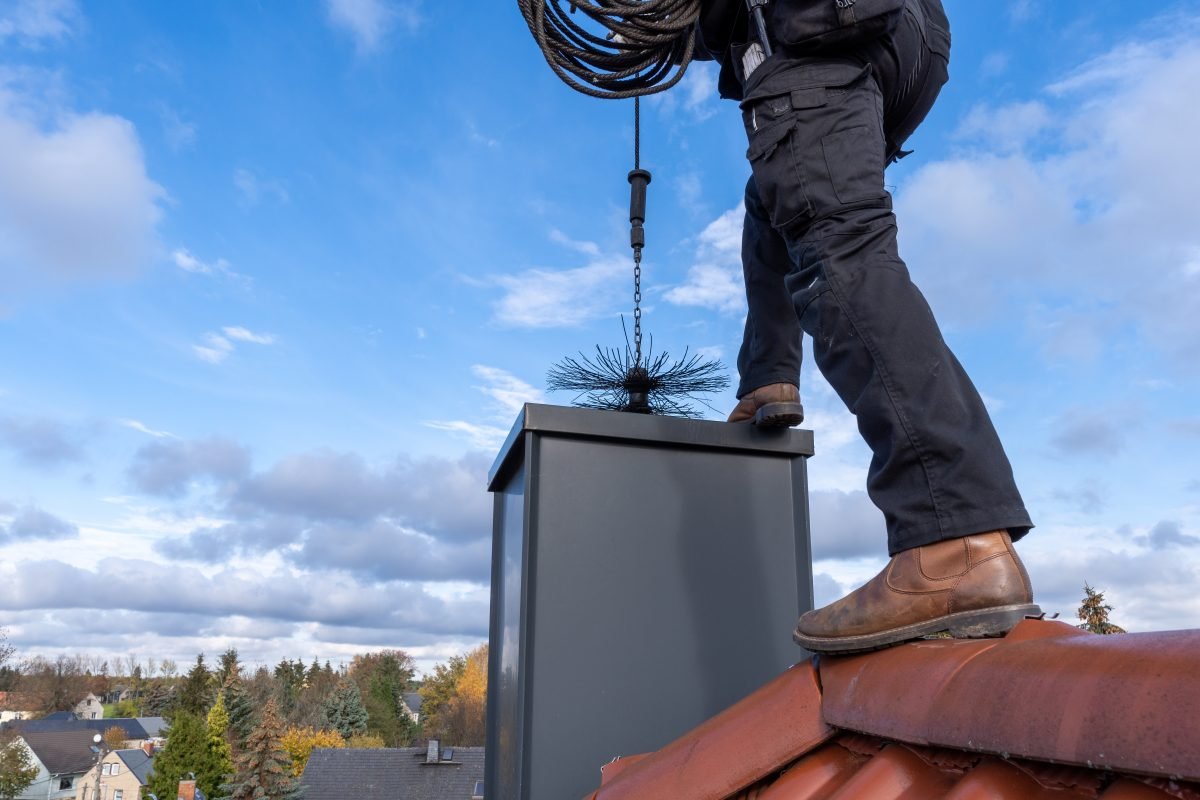
- Pre-Season Inspection (Late Summer/Early Autumn): Before the first fire of the year, a certified chimney sweep should perform a cleaning and inspection. This ensures that birds’ nests or debris accumulated over the summer are removed.
- Operational Monitoring (Winter): During the burning season, homeowners must monitor the "draft"—the upward flow of air. A poor draft can result in smoke entering the room, indicating a blockage or a mechanical issue with the flue.
- Post-Season Assessment (Spring): After the final fire, cleaning out the ash and checking the exterior masonry for "spalling" (flaking or peeling of the brick) is crucial. Winter freeze-thaw cycles can wreak havoc on chimney mortar.
- Exterior Maintenance (Every 3–5 Years): Waterproofing the exterior masonry and checking the integrity of the chimney cap and crown should be done periodically to prevent water intrusion.
The Overlooked Risk of Water Damage
While fire safety is the most immediate concern, water damage is arguably the most common cause of chimney deterioration. A chimney is essentially a large hole in the roof, and it relies on three main lines of defense: the chimney cap, the chimney crown, and the flashing.
The chimney cap sits atop the flue to keep out rain and animals. The crown is the slanted masonry surface at the top of the chimney structure designed to shed water away from the bricks. If the crown is cracked or the cap is missing, water can seep into the masonry. In colder climates, this water freezes and expands, causing the bricks to crack and the mortar to fail. Steve Jafari notes that moisture can also accelerate the rusting of the damper and the deterioration of the firebox floor. During a walkthrough, buyers should look for white, powdery staining on the exterior bricks (efflorescence) or water stains on the ceiling near the chimney, both of which are indicators of active leaks.
Financial and Insurance Implications
Owning a home with a chimney carries specific financial implications that extend beyond maintenance costs. Homeowners insurance providers often ask for disclosures regarding wood-burning stoves and fireplaces. In some cases, an uncertified or poorly maintained chimney can lead to higher premiums or the denial of a claim if a fire occurs.
Furthermore, the "ROI" (Return on Investment) of a fireplace is nuanced. While a functional, well-maintained fireplace can increase a home’s resale value and appeal, a "condemned" or non-functional chimney can be a major hurdle during negotiations. Sellers may be required to provide a credit to the buyer or repair the structure before a mortgage lender approves the loan, especially for FHA or VA loans which have stricter safety requirements.
Safety Provisions and Regulatory Context
Modern fire safety standards require more than just a clean chimney. Buyers should ensure the home is equipped with updated safety technology. This includes:
- Carbon Monoxide (CO) Alarms: Essential for any home with a combustion appliance. These should be located on every level of the home and near sleeping areas.
- Smoke Detectors: Properly functioning smoke alarms are the first line of defense in the event of a chimney fire.
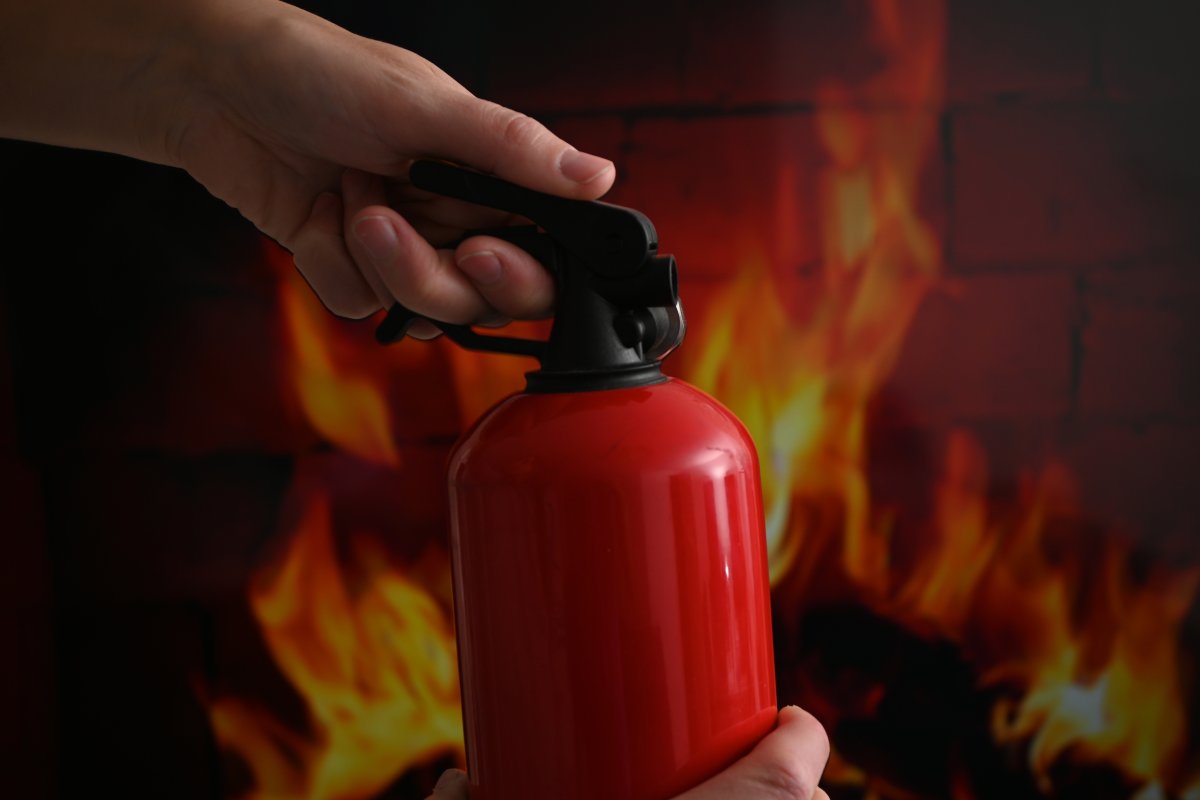
- Fire Extinguishers: A dedicated fire extinguisher should be kept within reach of the hearth.
- Hearth Requirements: Local building codes often dictate the "hearth extension"—the non-combustible floor area in front of the fireplace—to prevent stray sparks from igniting carpets or hardwood floors.
Broader Impact and Final Analysis
The decision to purchase a home with a chimney involves a transition from being a passive observer of a home’s aesthetics to an active steward of a complex mechanical system. The data is clear: the majority of chimney-related disasters are preventable through professional oversight and proper fuel choices.
By insisting on a Level 2 inspection, budgeting for an annual $300 professional cleaning, and understanding the signs of water and creosote damage, buyers can protect their investment. A fireplace should be a source of warmth and value, not a hidden danger. As the real estate market continues to prioritize "cozy" features, the burden of due diligence falls on the buyer to ensure that the hearth of the home remains a safe and functional asset for years to come. In the professional view of inspectors and safety institutes, the cost of a specialized inspection is a minor insurance policy against the catastrophic expenses of structural failure or fire.