admin
admin
In a strategic move aimed at capturing a larger share of the seasonal entertainment market, Topgolf has announced a substantial price reduction for its popular Summer Fun Pass, lowering the entry point from $179 to a more accessible $79. This 55 percent price cut represents a significant pivot in the company’s promotional strategy, designed to incentivize repeat visits during the peak summer months while positioning the brand as a value-driven destination for families and social groups. The pass, which is available for purchase and use through September 7, offers a comprehensive package of benefits that extends beyond simple gameplay, reflecting the company’s broader "eatertainment" business model that blends sports, dining, and social interaction.
Under the new pricing structure, the standard Summer Fun Pass provides passholders with two hours of gameplay per day. A critical component of this value proposition is the inclusion of up to five additional guests, allowing a group of six to utilize a single bay under the passholder’s membership. Beyond the physical activity on the tee line, the pass integrates a 10 percent discount on food and non-alcoholic beverages, as well as a 10 percent reduction on retail purchases made within the venue. While the starting price is set at $79, Topgolf has noted that pricing may vary by specific location, reflecting the diverse economic landscapes of the various metropolitan areas where the company operates.
Detailed Terms of Use and Scheduling
The Summer Fun Pass is governed by a specific set of operational hours, strategically designed to maximize bay occupancy during traditional "off-peak" or daylight hours. Passholders can utilize their benefits from Monday through Friday between 9:00 a.m. and 5:00 p.m. On weekends, the availability is more restricted to accommodate the typically higher volume of full-price evening bookings. Saturday access is limited to the morning window of 9:00 a.m. to 12:00 p.m. On Sundays, the pass offers a split schedule, allowing for play from 9:00 a.m. to noon, and then again from 5:00 p.m. until the venue closes.
It is important for consumers to note that the standard $79 pass is restricted to walk-in access only. This means that while passholders are entitled to two hours of play, they are subject to wait times during busy periods and cannot pre-book a bay. To address the needs of consumers seeking more predictability, Topgolf has introduced the Summer Fun Pass+. Starting at $199—again, with price variations based on venue location—the "Plus" tier includes all the benefits of the standard pass but adds the critical ability to make reservations in advance. This tiered approach allows the company to cater to both budget-conscious "walk-in" families and higher-spending customers who prioritize time management and guaranteed availability.
The Evolution of the Topgolf Business Model
The decision to lower the price of the Summer Fun Pass must be viewed through the lens of Topgolf’s evolution since its inception in the United Kingdom in 2000. Originally conceived as a way to improve the traditional driving range experience through the use of microchipped balls and electronic tracking, the company has transformed into a global entertainment powerhouse. Following its merger with Callaway Golf in 2021, Topgolf became the cornerstone of the Topgolf Callaway Brands (MODG) portfolio, bridging the gap between professional golf equipment and casual social entertainment.
Historically, Topgolf has relied on its unique ability to attract non-golfers. According to industry data, approximately 75 percent of Topgolf’s visitors do not identify as frequent golfers. By lowering the barrier to entry with a $79 pass, the company is doubling down on this demographic. The summer months present a unique challenge for indoor-outdoor entertainment venues; while school holidays provide a surge in potential daytime traffic, high temperatures in southern climates can deter casual visitors during the afternoon. The Summer Fun Pass effectively acts as a volume driver to ensure that the massive capital investments—each Topgolf venue can cost between $15 million and $50 million to build—remain active and revenue-generating throughout the day.
Economic Context and the "Eatertainment" Competitive Landscape
The reduction in pass pricing arrives at a time when the broader "eatertainment" sector is facing a complex economic environment. While consumer spending on experiences has remained resilient following the pandemic, persistent inflation has begun to squeeze discretionary budgets. Families are increasingly looking for bundled value options rather than one-off expensive outings. By offering a pass that essentially pays for itself in less than two visits (given that average hourly bay rates can range from $30 to $60 depending on the time and location), Topgolf is positioning itself as a high-value alternative to movie theaters, theme parks, and traditional bowling alleys.
Furthermore, Topgolf is facing increased competition from a new wave of high-tech golf and social venues. Competitors such as Drive Shack, Puttery, and Tiger Woods-backed Popstroke have entered the market, each vying for the same "social leisure" dollar. These competitors often focus on specific niches, such as high-end mini-golf or specialized indoor simulators. Topgolf’s response—leveraging its massive physical footprint and the brand recognition of its Summer Fun Pass—is a clear attempt to maintain its dominant market share by securing customer loyalty through a subscription-style model.
Strategic Implications for Food, Beverage, and Retail
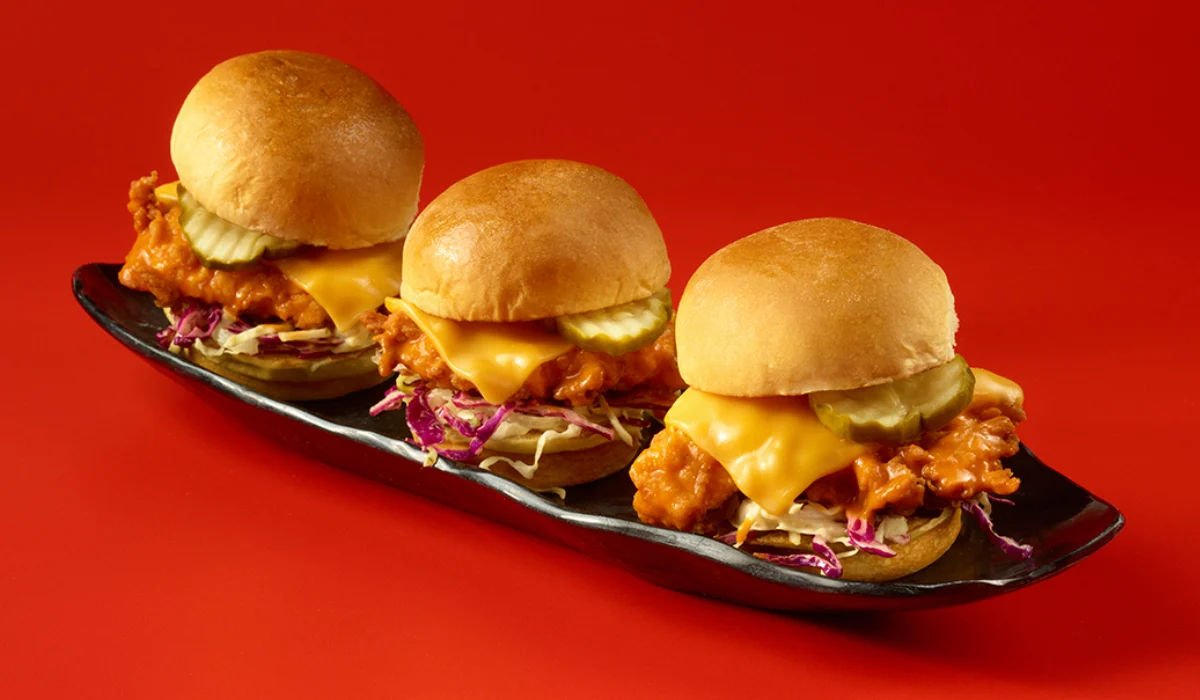
While the headline of the announcement is the $79 gameplay pass, the underlying financial strategy heavily involves the secondary spend of visitors. Topgolf venues operate as full-service restaurants and bars. By bringing people into the building for "free" or prepaid gameplay, the company significantly increases the likelihood of revenue generation through its food and beverage (F&B) programs.
Internal data from the hospitality industry suggests that in "eatertainment" venues, F&B can account for 40 to 50 percent of total revenue. Even with a 10 percent discount, the margin on appetizers, burgers, and craft cocktails remains high. The Summer Fun Pass effectively serves as a "loss leader" in the marketing funnel. If a family of four visits five times over the summer using the pass, they are statistically likely to purchase meals or snacks during at least three of those visits. Additionally, the retail discount encourages the sale of Topgolf-branded apparel and Callaway equipment, further integrating the customer into the Topgolf Callaway ecosystem.
Operational Logistics and Customer Experience
Managing an influx of passholders requires significant operational coordination. The restriction of the standard pass to walk-in access is a calculated move to manage bay inventory. By funneling passholders into the morning and mid-afternoon slots, Topgolf fills bays that might otherwise sit empty, while reserving the high-demand evening slots for full-paying corporate events and weekend parties.
From a technological standpoint, the use of the Summer Pass is integrated into the Topgolf mobile app. This allows the company to collect valuable consumer data, including visit frequency, average spend per visit, and preferred menu items. This data is instrumental for the company’s long-term CRM (Customer Relationship Management) efforts, enabling targeted marketing campaigns during the autumn and winter months when the summer pass expires.
Industry Reactions and Broader Impact
Market analysts have noted that Topgolf’s aggressive pricing could signal a broader trend in the leisure industry toward "membership-based" access. As the cost of individual outings rises, the predictability of a flat-fee pass is highly attractive to the middle-class consumer. While Topgolf has not released specific sales targets for the $79 pass, industry insiders suggest that the move is intended to boost "same-venue sales" figures, a key metric for publicly traded entertainment companies.
The reaction from the consumer base has been largely positive, particularly on social media platforms where "summer hacks" for families are a popular topic. For a parent looking to keep children entertained during the summer break, the ability to spend two hours in a climate-controlled (via high-powered fans and heaters) outdoor bay for a one-time fee of $79 is seen as a competitive bargain.
Conclusion and Future Outlook
Topgolf’s decision to lower the Summer Fun Pass price to $79 is a multifaceted strategic maneuver. It addresses immediate goals of increasing daytime occupancy and driving food and beverage sales, while also serving the long-term objective of brand immersion. By making the venue a regular part of a family’s summer routine, Topgolf is cultivating the next generation of golfers and entertainment consumers.
As the program continues through September 7, the industry will be watching closely to see if this price-drop strategy results in a sustained lift in ancillary revenue. If successful, this model could become a permanent fixture of Topgolf’s annual promotional calendar, potentially forcing competitors to reconsider their own pricing structures in an increasingly crowded and price-sensitive entertainment market. For now, the move solidifies Topgolf’s reputation not just as a place for a high-tech golf game, but as a savvy player in the broader landscape of American retail and hospitality.