admin
admin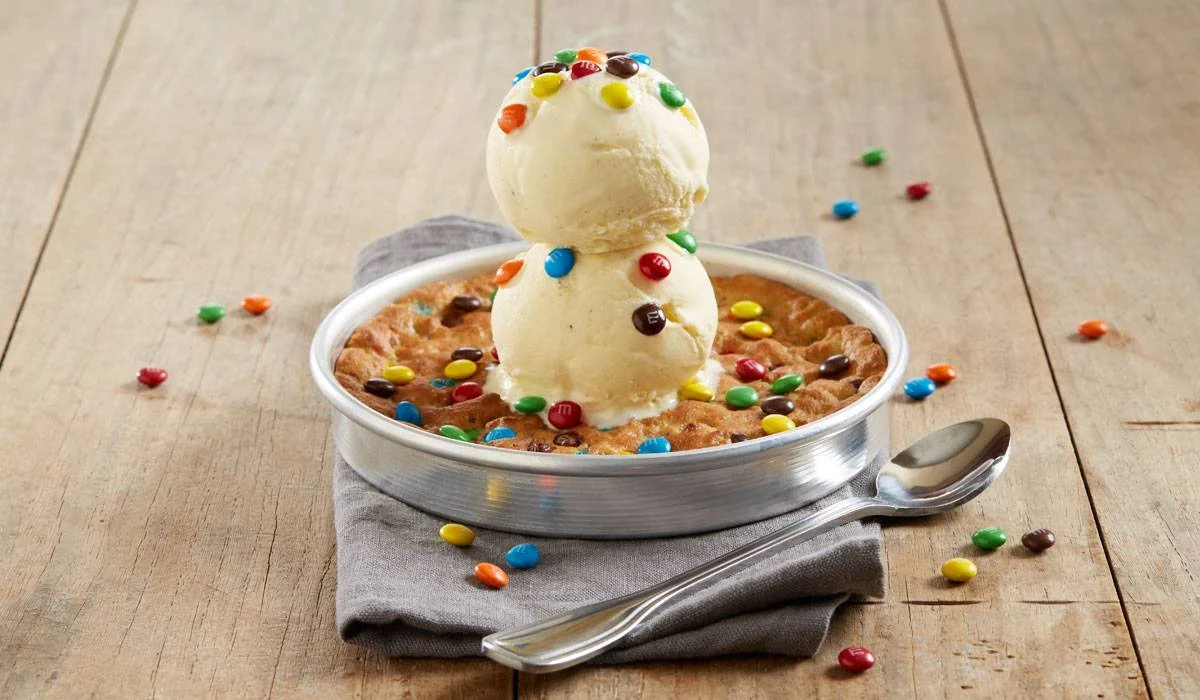
BJ’s Restaurants, the California-based casual dining staple, has reported a remarkably strong second quarter for the 2024 fiscal year, characterized by record-breaking traffic and a significant surge in same-store sales. The 219-unit chain, known for its extensive menu and signature deep-dish pizzas, effectively utilized what management terms the "Celebration Season"—the high-volume window spanning Mother’s Day, Father’s Day, and graduation season—to outperform industry benchmarks and solidify its position in a competitive market. Driven by a combination of menu innovation, specifically surrounding its iconic Pizookie dessert, and a strategic shift in marketing expenditures, the company achieved its eighth consecutive quarter of growth in both comparable restaurant sales and guest traffic.
Unpacking the Second Quarter Financial Performance
The financial results for the second quarter represent a high-water mark for the company in recent years. BJ’s Restaurants reported a same-store sales increase of 6.5 percent, a figure that represents the highest jump the brand has seen in three years. Perhaps more impressively, guest traffic increased by 8.3 percent, marking the best traffic performance for the chain in four years. This growth is particularly notable given the broader economic environment, where many casual dining operators have struggled with declining traffic due to inflationary pressures on consumer discretionary spending.
According to Chief Executive Officer Lyle Tick, these figures significantly outperformed the Black Box Intelligence casual dining benchmarks, which track the performance of the wider industry. The momentum has not been limited to a single peak period; management confirmed that the positive trends have sustained into the early weeks of the third quarter.
From a profitability standpoint, the company saw meaningful expansion. Restaurant-level operating margins grew by approximately 20 basis points, reaching 17.2 percent. Adjusted EBITDA (Earnings Before Interest, Taxes, Depreciation, and Amortization) saw an increase of $2.3 million over the previous year, with the EBITDA margin settling at 11.4 percent. These gains were attributed to higher sales volumes and improved operational efficiencies, which helped offset ongoing labor and commodity costs.
The Strategic Impact of Celebration Season
The second quarter is traditionally a robust period for casual dining, but BJ’s "Celebration Season" strategy maximized the potential of key holidays. Performance on Mother’s Day and Father’s Day served as the primary catalysts for the quarter’s success. Mother’s Day sales saw an 8 percent year-over-year increase, while Father’s Day followed with a 3 percent uptick.
During these peak periods, more than 80 of the chain’s 219 restaurants set new daily or weekly sales records. CEO Lyle Tick noted that the growth was "broad-based," meaning it was not confined to specific regions or meal times. Instead, the brand observed growth across all geographies, dayparts (lunch, happy hour, dinner, and late-night), and service channels (dine-in, takeout, and delivery). Furthermore, the sales increases were evenly distributed across the days of the week, indicating that the brand is successfully driving mid-week traffic rather than relying solely on weekend surges.
The Pizookie as a Growth Engine and Customer Acquisition Tool
Central to the brand’s identity and its recent financial success is the Pizookie—a deep-dish cookie topped with ice cream. In the second quarter, the introduction of the seasonal Biscoff Pizookie proved to be a major differentiator. The popularity of this specific flavor helped double the "Pizookie incidence"—the frequency with which guests order the dessert—compared to the same period last year.
Beyond being a popular menu item, the Pizookie has become a central pillar of BJ’s value proposition and marketing strategy. The "$13 Pizookie Meal Deal" (PMD), which includes an entrée and a Pizookie, has been a primary driver for new customer acquisition and repeat visits. While the popularity of the meal deal and the "$5 Pizookie Tuesdays" promotion resulted in a slightly negative menu mix—meaning guests were opting for lower-priced, high-value items—management views this as a strategic win.
"Not all mix is created equal," Tick explained during the earnings call. He emphasized that while these promotions might lower the average check slightly, they drive outsized traffic and attract younger, harder-to-reach demographics. By bringing guests through the door with high-value offers, the company is seeing higher total profit flowing to the bottom line due to the increased volume of transactions.
Looking forward, the company plans to continue this dessert-centric momentum. For the third quarter, BJ’s will leverage the S’mores and the "Spooky" Pizookie (a seasonal Halloween-themed offering) before introducing further innovations for the winter holiday season. There is also a pilot program underway to test a "premium tier" for the Pizookie, which would allow guests to "trade up" to more indulgent versions of the dessert, potentially boosting the average check without alienating value-conscious diners.
Marketing Shifts and the Rise of "Social Cultural" Influence
The second quarter’s success was also the result of a calculated shift in marketing strategy. BJ’s deliberately moved a portion of its marketing budget from the first quarter into the second to provide maximum support for the Celebration Season. This reallocation led to a 67 percent increase in marketing impressions during Q2. For the first half of 2024, total impressions were up a staggering 146 percent compared to the previous year.
The brand has moved away from traditional broad-reach advertising in favor of what Tick calls "social cultural word-of-mouth marketing." By focusing on social media platforms and digital engagement, BJ’s has been able to showcase its recent menu refreshes and atmospheric upgrades to a wider audience at a higher frequency. This digital-first approach has resonated particularly well with younger consumers, contributing to the record traffic numbers.
Management believes the increased social media popularity is not just a result of clever advertising but a reflection of a better overall "value proposition." This includes improvements in food quality, service speed, and the physical atmosphere of the restaurants, all of which encourage guests to share their experiences online.
Operational Excellence and Technological Investments
To support this growth, BJ’s has bolstered its executive leadership and invested heavily in back-of-house technology. The company recently hired Monika Saxena as Brand President and Birju Amin as Chief Technology Officer. Saxena brings a wealth of experience from LongHorn Steakhouse (a Darden Restaurants brand), while Amin previously led technology initiatives at Taco Bell (a Yum! Brands subsidiary). These hires signal a focus on scaling operations and integrating sophisticated tech solutions into the casual dining environment.
At the restaurant level, several initiatives have been implemented to simplify operations and improve the employee experience:
- POS Simplification: Streamlining the point-of-sale systems to reduce order entry time and errors.
- Tablet Upgrades: Providing servers with better hardware to facilitate tableside ordering and faster payment processing.
- AI-Supported Labor Modeling: Implementing an activity-based labor model that uses artificial intelligence to predict staffing needs based on real-time data.
These investments are already yielding tangible results. Management reported a reduction in food and beverage costs due to better inventory management and a noticeable improvement in team member and manager retention rates. By making the jobs of the staff easier, the company is seeing a direct correlation with better guest metrics and service scores.
Future Expansion and the "Refreshed Expression" of the Brand
With a solid financial foundation, BJ’s Restaurants is looking toward physical expansion. The company has announced plans to open new units in Buckeye, Arizona, and Joliet, Illinois. The Buckeye location represents further penetration into an established market where the brand already enjoys high awareness, while Joliet serves as an entry into a newer trade area.
Both new locations will feature a "refreshed expression" of the BJ’s brand. This includes updated interior designs, optimized kitchen layouts, and a more contemporary bar area, all designed to enhance the "high-energy" atmosphere that the chain is known for. Tick noted that these new builds would incorporate all the operational learnings from the past two years, aiming for higher efficiency and lower construction costs.
Analysis of Broader Implications for the Casual Dining Sector
The performance of BJ’s Restaurants provides a compelling case study for the current state of the American casual dining sector. While many analysts have predicted a slowdown in the industry due to "value fatigue" among consumers, BJ’s results suggest that demand remains strong for brands that can successfully balance value with a "celebratory" or "premium" experience.
The company’s reliance on the Pizookie as a traffic driver highlights the importance of "signature items" in building brand loyalty. In a crowded market of burgers, pizzas, and salads, having a unique, recognizable, and "Instagrammable" product like the Pizookie gives BJ’s a competitive edge that is difficult for competitors to replicate.
Furthermore, the brand’s success with its $13 Pizookie Meal Deal suggests that the "sweet spot" for casual dining value currently sits between the $12 and $15 price point. By offering a full meal plus a signature dessert at this price, BJ’s is successfully competing not just with other casual dining chains like Chili’s or Applebee’s, but also with "fast-casual" players where a meal and a drink can easily exceed $15.
As BJ’s moves into the second half of the year, the primary challenge will be maintaining this momentum in the absence of the "Celebration Season" holidays. However, with a robust pipeline of menu innovation, a more efficient labor model, and a growing digital presence, the company appears well-positioned to continue its trajectory of growth. The focus on "social cultural" marketing and technological integration suggests that BJ’s is successfully transitioning from a traditional legacy chain into a modern, data-driven restaurant enterprise.