admin
admin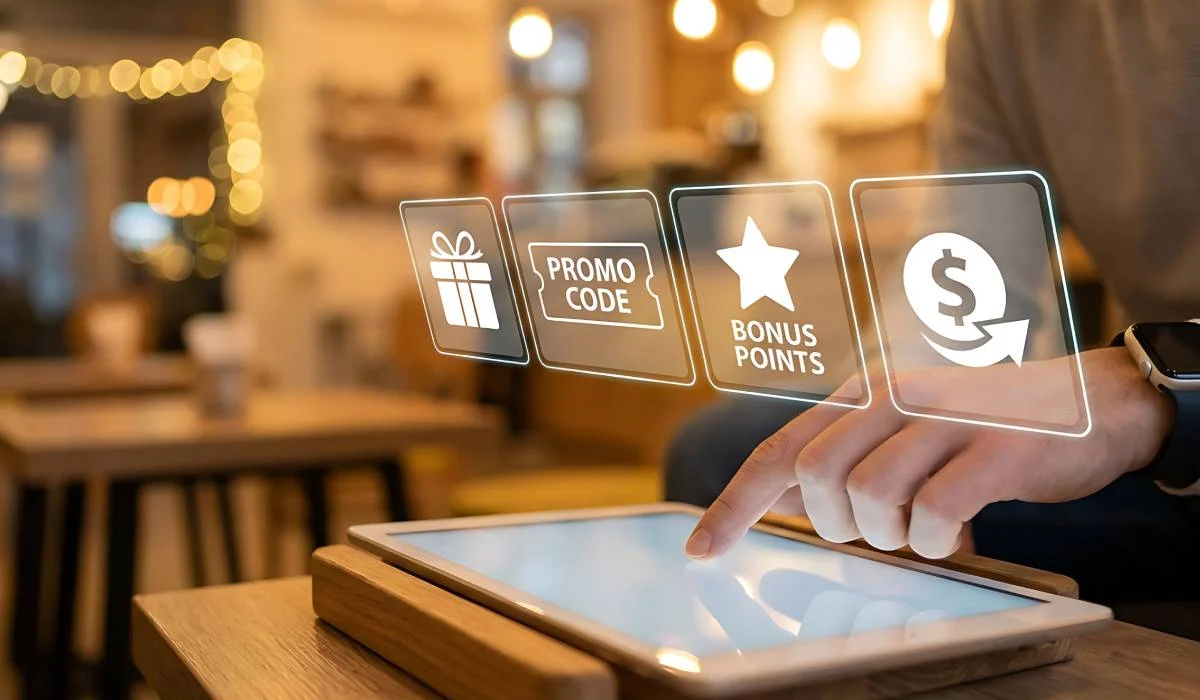
The hospitality and food service industries are facing a pivotal transformation as consumers increasingly adopt rigorous financial discipline, forcing brands to overhaul traditional loyalty programs to offer more immediate, transparent, and tangible value. As guests navigate a landscape of persistent price elevations and economic uncertainty, the traditional "slow-burn" points model is being replaced by strategies that emphasize instant gratification and cross-sector utility. This shift marks a departure from the post-pandemic recovery phase into a new era defined by "aggressive budgeting," where every dollar spent on discretionary services like dining and travel is subjected to intense scrutiny.
The Economic Context: Why Guest Behavior Has Shifted
To understand the necessity of redesigning loyalty programs, one must first examine the macroeconomic pressures weighing on the average household. According to the latest data from the U.S. Bureau of Labor Statistics (BLS), while the pace of inflation has moderated in certain sectors, the Consumer Price Index (CPI) for "food away from home" and "lodging away from home" remains significantly higher than pre-2020 benchmarks. For many consumers, the memory of lower prices acts as a psychological barrier, making current menu prices and room rates feel like a perpetual "surcharge" on their lifestyle.
Aggressive budgeting has moved from a niche financial strategy to a mainstream necessity. Households are increasingly utilizing zero-based budgeting—where every dollar is assigned a specific purpose—and "envelope" methods to cap discretionary spending. Deloitte’s State of the Consumer tracker reinforces this, noting that a substantial portion of consumers are prioritizing essential obligations like rent, groceries, and debt servicing over non-essential luxuries. Consequently, when a guest chooses to spend $50 at a restaurant or $200 on a hotel room, they are not merely purchasing a service; they are making a calculated trade-off against other financial goals.
The Evolution of Loyalty: From Points to Partnerships
Historically, loyalty programs in the hospitality sector functioned on a long-term accumulation model. Guests earned points over months or years, eventually redeeming them for a "free" stay or meal. However, in a climate where immediate liquidity and value are paramount, these delayed rewards are losing their efficacy.
Industry analysts observe that the "value gap"—the distance between spending and receiving a reward—has become too wide for the modern budget-conscious traveler. If a guest perceives that they must spend thousands of dollars before seeing a return, the loyalty program ceases to be an incentive and becomes a mere administrative hurdle.
A Chronology of Change in Loyalty Design
- The Pre-Pandemic Era (2010–2019): Loyalty focused on "earn and burn" cycles with high thresholds. Programs were often siloed within a single brand, and blackout dates were common.
- The Pandemic Pivot (2020–2022): Brands focused on status extensions and "staycation" offers to maintain engagement during travel restrictions.
- The Inflationary Response (2023–Present): The current phase emphasizes "anytime value." This includes the removal of blackout dates, the introduction of "pay with points" for partial bills, and instant perks like free Wi-Fi, early check-in, or complimentary appetizers upon sign-up.
Expert Perspectives on Structural Redesign
Gregor Emmian, Deputy Chief Digital Growth Officer at Rise, argues that the future of loyalty lies in tiered structures that acknowledge guests at every spending level. "A well-designed tier system rewards guests generously no matter their spend, so even the budget traveler feels appreciated," Emmian notes. He emphasizes that the psychological impact of being a "member" can outweigh the actual monetary value of the reward, provided the recognition is consistent.
Emmian also champions the rise of cross-brand partnerships. By allowing guests to earn or redeem points across different sectors—such as a hotel stay earning credits at a grocery chain or a retail outlet—brands can "multiply the value of every point." This interconnectedness makes the loyalty currency feel more like real money, which is a critical advantage for consumers who are currently viewing their finances through a utilitarian lens.
Bryan Henry, president and co-founder of PeterMD and a veteran executive in consumer services, highlights the importance of operational discipline in this transition. Henry suggests that while brand building is essential, the "back-end" of loyalty—data accuracy, compliance, and seamless execution—is what builds long-term trust. In a regulated and highly competitive market, guests are quick to abandon programs that feel "gimmicky" or difficult to navigate.
Strategies for Immediate Value and Demand Balancing
Operators are increasingly using loyalty programs not just as a reward system, but as a sophisticated tool for demand management. By offering "off-peak" incentives, businesses can drive traffic during traditionally slow periods while providing cost-conscious guests with a way to enjoy luxuries at a lower price point.
- Dynamic Incentives: Double points for Tuesday lunches or midweek hotel stays help balance the "peaks and valleys" of hospitality demand.
- Bundle Offers: Family-style bundles or "all-inclusive" dining credits allow guests to predict their total spend upfront, reducing the anxiety associated with a rising bill.
- Waived Fees: For hotels, the removal of "resort fees" or "parking charges" for loyalty members provides a transparent discount that guests can easily calculate into their budget.
These tactics address the "friction" of modern spending. When a guest knows that their loyalty membership will save them a specific, upfront amount, the decision to book becomes a logical financial choice rather than a risky emotional one.
Measuring Success: KPIs for the New Era
The metrics used to evaluate loyalty programs are also evolving. Total enrollment is no longer the primary indicator of health. Instead, operators are looking at:
Enrollment-to-Activation Rate
This metric tracks how many guests actually use their benefits within the first 30 to 60 days of joining. A high enrollment rate with low activation suggests that the initial "hook" is working, but the actual rewards are perceived as too difficult to obtain or irrelevant to the guest’s needs.
Incremental Lift vs. Control
To ensure that loyalty programs are not simply discounting visits that would have happened anyway, sophisticated operators use control groups. By comparing the behavior of loyalty members against non-members with similar spending profiles, brands can determine if the program is truly driving "incremental" revenue—new visits or higher check averages that wouldn’t have existed otherwise.
Redemption Velocity
In the past, low redemption rates were sometimes seen as a win for the balance sheet (unclaimed points are a liability). Today, however, low redemption is viewed as a sign of program failure. If guests aren’t redeeming, they aren’t engaged, and if they aren’t engaged, they aren’t loyal. High redemption velocity indicates that the rewards are attainable and desirable.
The Broader Impact and Implications for the Industry
The shift toward clearer, more immediate loyalty value has profound implications for the hospitality industry’s long-term structure. First, it necessitates a deeper investment in data analytics. To deliver "tailored offers" that feel personal rather than mass-produced, operators must be able to synthesize spending data into actionable insights.
Second, there is an increasing move toward "transparency as a luxury." In an era of hidden fees and "shrinkflation," brands that are upfront about costs and rewards are earning a disproportionate share of consumer trust. This transparency is becoming a brand pillar in its own right, often more influential than traditional marketing campaigns.
Finally, the redesign of loyalty programs represents a shift from a transactional relationship to a partnership between the brand and the consumer. By acknowledging the guest’s financial reality and providing tools to help them navigate it, restaurants and hotels are positioning themselves as "value partners" rather than mere service providers.
Conclusion: The Path Forward
As guest behavior continues to be shaped by economic caution, the hospitality sector must resist the urge to return to old models of engagement. The "why come back?" question has never been more difficult to answer, but the brands that succeed will be those that treat loyalty as an evolving dialogue.
Redesigning for immediate value, leveraging cross-industry partnerships, and maintaining rigorous operational discipline are no longer optional strategies; they are the prerequisites for survival in a budget-conscious world. By making the next visit feel easier to justify and more rewarding to experience, operators can turn a simple points ledger into an enduring relationship that survives even the tightest economic cycles. In the words of Bryan Henry, earning loyalty while expanding at scale requires a practical perspective on how service businesses provide real-world value—a lesson the hospitality industry is currently learning in real-time.