admin
admin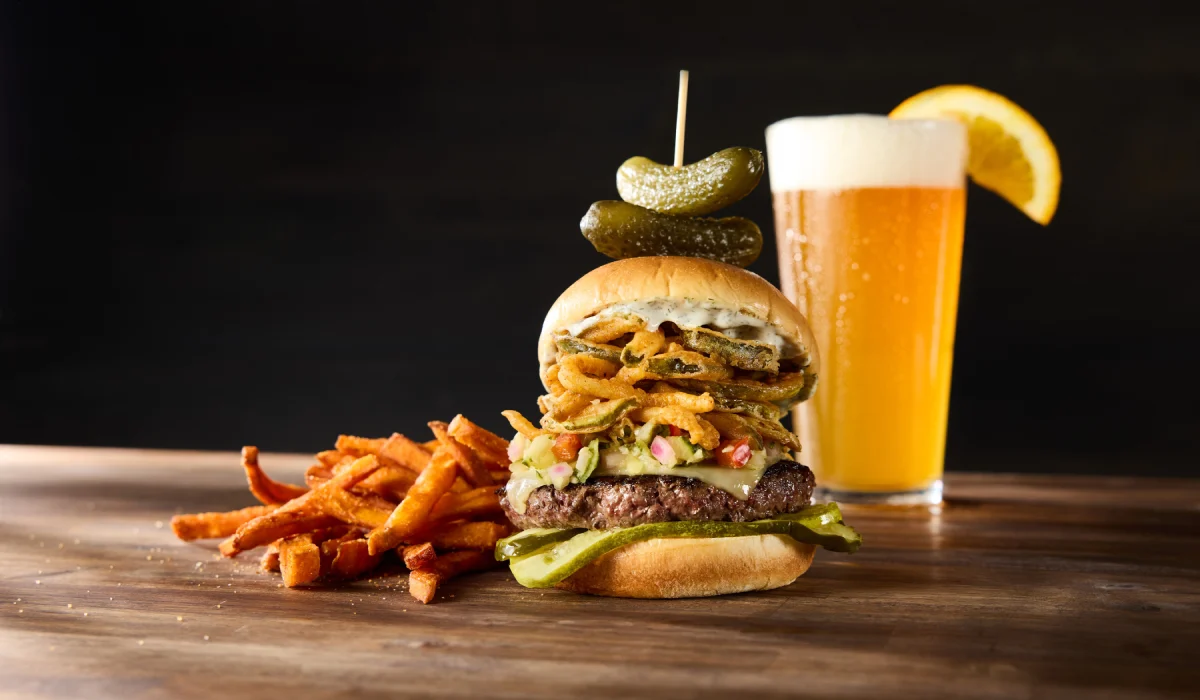
Bad Daddy’s Burger Bar has officially announced the launch of its latest culinary innovation, The Big Dill, marking the sixth installment in its successful "Big Bad Monthly Drop" series. Available throughout the month of August, this new menu item is designed specifically to cater to the growing demographic of pickle enthusiasts, combining a variety of textures and briny flavors into a cohesive gourmet burger experience. The introduction of The Big Dill represents a strategic move by the Denver-based chain to capitalize on seasonal dining trends while maintaining its reputation for chef-driven, "out-of-the-box" flavor profiles. By integrating housemade components and a specific craft beer pairing, the brand aims to drive foot traffic and increase average check sizes during the peak of the summer season.
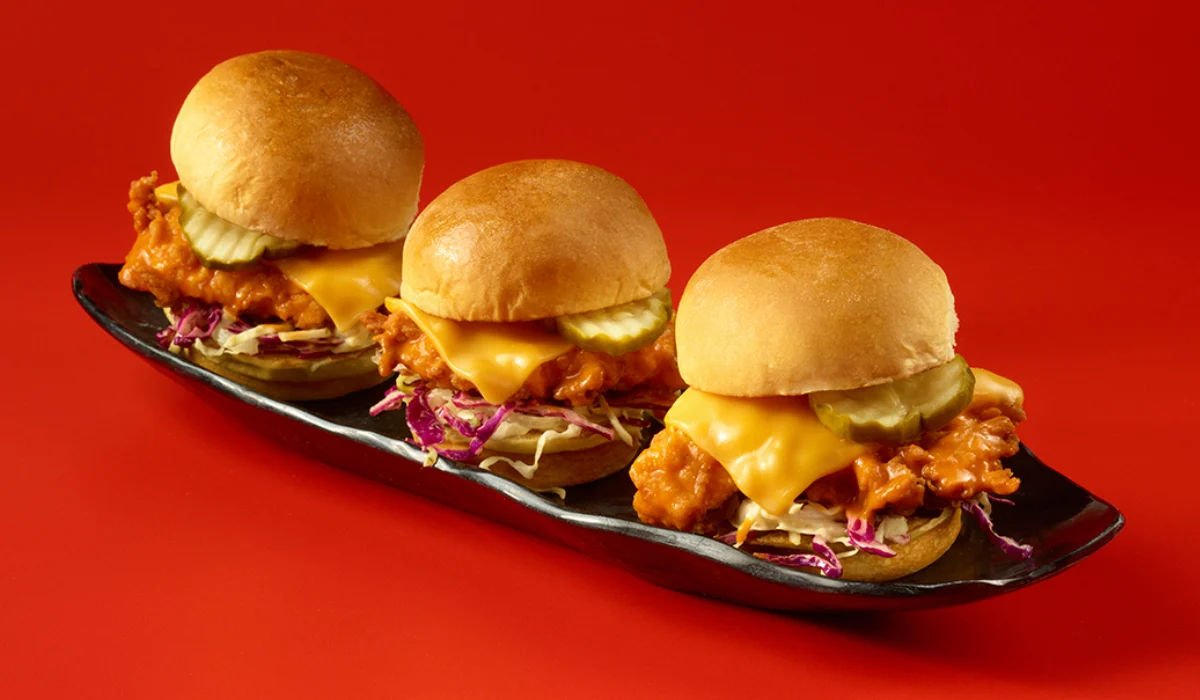
The Big Dill is constructed on a foundation of a seven-ounce premium beef patty, cooked to order and served on a toasted brioche bun. To distinguish this offering from a standard cheeseburger, the culinary team at Bad Daddy’s has incorporated Monterey Jack cheese for its mild, creamy melting properties, which serves as a canvas for three distinct pickle-infused elements. These include a housemade pickle pico de gallo, which offers a bright and acidic crunch; crispy housemade pickle frites, providing a warm, savory textural contrast; and a housemade dill ranch dressing that adds a cool, herbaceous finish. The burger is completed with a classic gherkin spear and is priced at $16, which includes a choice of a classic side dish, such as hand-cut fries or homemade potato chips.
Culinary Innovation and the Big Bad Monthly Drop Strategy
The "Big Bad Monthly Drop" program was conceptualized as a way for Bad Daddy’s Burger Bar to keep its menu dynamic and engage with "super-fans" who seek novelty. Each month, the brand releases a limited-time offer (LTO) that pushes the boundaries of traditional burger construction. John Masterson, the Culinary Director for Bad Daddy’s Burger Bar, emphasized that the development of The Big Dill was not merely about adding a garnish, but rather about layering the flavor profile into every component of the dish. According to Masterson, the goal was to create a "pickle lover’s dream" that remained a "seriously good burger" from a technical standpoint.
This approach reflects a broader trend in the fast-casual and casual dining sectors where brands use LTOs to create a sense of urgency. By limiting the availability of The Big Dill to the 31 days of August, Bad Daddy’s leverages the psychological principle of scarcity to encourage repeat visits. Furthermore, the "housemade" aspect of the pickle pico and frites underscores the brand’s commitment to scratch-made quality, a key differentiator in a market increasingly crowded by automated or pre-packaged food solutions.
The Cultural Phenomenon of the Pickle Trend
The decision to focus on pickles for the August drop is supported by significant market data suggesting a "pickle renaissance" in the American food landscape. Over the past three years, pickle-flavored products have seen a surge in popularity across various categories, including snacks, beverages, and even desserts. Market research indicates that the "sour and savory" flavor profile is particularly appealing to Gen Z and Millennial consumers, who often document their food experiences on social media platforms like TikTok and Instagram.
By centering a burger on the "Big Dill" theme, Bad Daddy’s is tapping into a viral food culture. The use of "pickle frites"—thinly sliced, breaded, and fried pickles—adds a level of indulgence that aligns with the brand’s "Badass" identity. Historically, pickles were relegated to a side garnish or a single layer of slices; however, modern culinary trends have elevated the ingredient to a primary flavor driver. Bad Daddy’s execution, which utilizes three different preparations of the vegetable, demonstrates a sophisticated understanding of how to balance acidity with the richness of beef and cheese.
Strategic Beverage Pairings and Revenue Growth
In addition to the food offering, Bad Daddy’s has integrated a beverage pairing to enhance the dining experience and bolster beverage sales. For the duration of August, guests can pair The Big Dill with a $6 "tall" (20-ounce) pour of Blue Moon Belgian White. This selection was deliberate; the citrus notes and coriander spice of the Belgian-style wheat beer are designed to cut through the saltiness of the pickles and the richness of the fried elements.
From a business perspective, the $16 burger price point combined with a $6 promotional beer creates a compelling value proposition for consumers while maintaining healthy margins for the restaurant. Beverage programs are essential for casual dining profitability, as alcohol typically carries higher margins than food. By offering a specific pairing, Bad Daddy’s simplifies the decision-making process for the guest, often leading to an increased "attach rate" for alcoholic beverages.
Corporate Background and Market Positioning
Bad Daddy’s Burger Bar, a subsidiary of Good Times Restaurants Inc. (NASDAQ: GTIM), has grown from a single location in Charlotte, North Carolina, in 2007 to a robust regional chain with dozens of locations across the Southeast and Midwest. The brand has carved out a niche in the "gourmet burger" segment by focusing on high-quality ingredients, a full bar featuring local craft brews, and a high-energy atmosphere.
The "Monthly Drop" initiative is part of a larger revitalization strategy under the leadership of the Good Times Restaurants corporate team. In recent quarterly earnings reports, the company has highlighted the importance of menu innovation in offseting inflationary pressures and fluctuating commodity costs. By driving traffic through unique, chef-driven items like The Big Dill, the company can maintain brand relevance without relying solely on deep discounting, which can often erode brand equity in the long term.
Chronology of the Monthly Drop Series
The Big Dill represents the midpoint of the 2024 Monthly Drop calendar. The series began earlier this year as a way to formalize the brand’s R&D (Research and Development) pipeline.
- Drop #001 – #003: Focused on heat and regional flavors, including spicy peppers and smoky barbecue elements.
- Drop #004 – #005: Experimented with "breakfast-for-dinner" themes and unconventional proteins.
- Drop #006 (The Big Dill): Focuses on the "briny and crunchy" profile for the peak of summer.
This chronological progression shows a deliberate attempt to rotate through different flavor profiles—sweet, savory, spicy, and sour—ensuring that there is something new for every type of palate throughout the year. The success of these drops is monitored through point-of-sale data and social media engagement, with the most popular items often being considered for permanent placement on the menu during annual "menu refreshes."
Operational Execution and Quality Control
Implementing a burger with three "housemade" pickle components requires significant operational coordination across all Bad Daddy’s locations. To ensure consistency, the corporate culinary team provides standardized training modules for back-of-house staff. The "pickle pico," for instance, requires precise knife work to ensure the acidity is distributed evenly in every bite, while the "pickle frites" must be breaded and fried to a specific temperature to maintain their structural integrity against the juicy beef patty.
This focus on operational excellence is a hallmark of the Bad Daddy’s brand. While many competitors have moved toward pre-breaded frozen appetizers to save on labor, Bad Daddy’s continues to lean into labor-intensive, scratch-made items. This "culinary-forward" approach is intended to justify the premium $16 price point in the eyes of the consumer, who is increasingly discerning about the value they receive for their dining dollar.
Broader Implications for the Casual Dining Industry
The launch of The Big Dill is a microcosm of the current state of the American casual dining industry. As fast-food prices continue to rise, the "value gap" between quick-service restaurants (QSR) and casual dining brands like Bad Daddy’s has narrowed. This provides an opportunity for brands that offer a full-service experience and higher-quality ingredients to capture market share from consumers who are "trading up" for a better experience.
Furthermore, the emphasis on digital engagement—specifically through Instagram, Facebook, and TikTok—reflects the industry’s shift toward a "digital-first" marketing strategy. Bad Daddy’s encourages guests to share photos of their Monthly Drops, effectively turning customers into brand ambassadors. The visual appeal of The Big Dill, with its towering layers of fried pickles and vibrant pico de gallo, is tailor-made for social media platforms, where "food photography" remains a dominant content category.
Conclusion and Future Outlook
As August progresses, Bad Daddy’s Burger Bar will likely see a surge in interest from both loyal patrons and new customers drawn in by the "pickle-centric" marketing. The success of The Big Dill will be measured not just in units sold, but in its ability to reinforce the brand’s identity as a leader in burger innovation.
Following the conclusion of the August window on August 31, the brand is expected to transition immediately into Drop #007 for September, which historically leans into autumnal flavors such as maple, bacon, and heavier cheeses. For now, however, the focus remains on the "tang" of the season. For those interested in experiencing The Big Dill, the burger is available at all participating Bad Daddy’s locations for dine-in, carry-out, and online ordering through the end of the month. As the industry watches, Bad Daddy’s continues to demonstrate that in the competitive world of gourmet burgers, sometimes the best way to move forward is to stay in a bit of a pickle.