admin
admin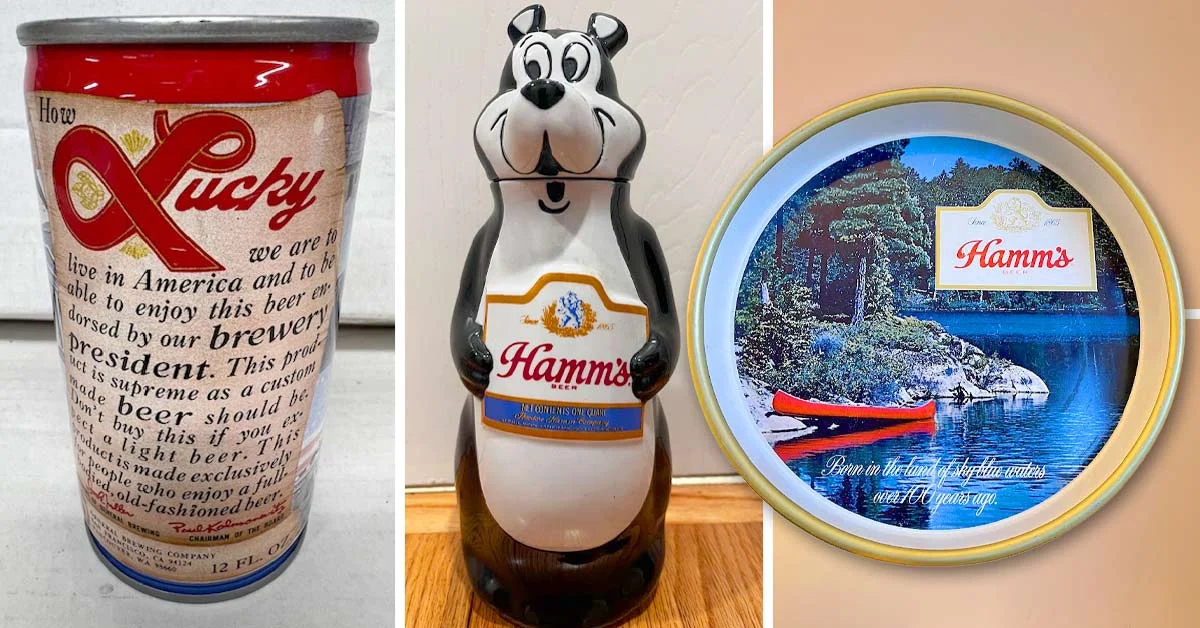
While the narrative of early 20th-century immigration to the United States is often anchored in the crowded tenements of New York City’s Lower East Side, a parallel and equally transformative movement was unfolding on the West Coast. In San Francisco, the promise of the "Golden Door" was realized not only through gold mining and maritime trade but through the industrial expansion of the brewing industry. Central to this expansion was a specific, yet often overlooked, demographic: the Slovene-American community. These Eastern European migrants, many of whom transitioned from the grueling mines of the Mountain West to the factory floors of the Bay Area, played a pivotal role in the mid-century brewing boom that defined San Francisco’s industrial identity.
The Evolution of Brewing in the Pacific Frontier
The history of beer in San Francisco is inextricably linked to the city’s rapid metamorphosis from a quiet outpost to a global metropolis. While the 1849 Gold Rush is the most cited catalyst for growth, the infrastructure of the city was built by those who provided for the prospectors. Historical records indicate that the first recorded shipment of bottled beer arrived in San Francisco in 1843, via the merchant firm of Benjamin T. Reed. However, the unique climate of the Bay Area necessitated innovation.
Without access to ice for traditional lagering, early brewers developed "steam beer." This process involved cooling the heated wort in shallow rooftop vats, utilizing the natural Pacific breezes to initiate fermentation with lager yeast at warmer temperatures. This technique, most famously preserved by the Anchor Brewing Company, became the signature style of the region. By the time author Richard Henry Dana returned to the city in 1858—twenty-four years after his first visit chronicled in Two Years Before the Mast—he found a bustling urban center where merchants and brewers had replaced the disillusioned gold seekers.
The Slovene Migration Path: From Mines to Manufacturing
The Slovene-American experience in the mid-20th century followed a distinct geographical and economic arc. In the early 1900s, many Slovenian immigrants initially settled in the Midwest or the Western interior, taking jobs in the coal and copper mines of Idaho, Montana, and Colorado. The 1920 United States Census estimated that there were approximately 228,000 Slovene-Americans and their children residing in the country, though many were categorized under the broader "Yugoslavian" designation.
The Great Depression and the aftermath of World War I created a volatile environment for these families. Many young men, such as those in the first-generation American cohort born just before the war, found themselves navigating a precarious economy. For many, the outbreak of World War II served as a turning point. After serving in the military—often in high-stakes environments like General Patton’s Third Army—veterans returned to a United States poised for an industrial surge. San Francisco, with its naval shipyards and manufacturing plants like Soule Steel, became a primary destination for these returning servicemen and their families.
The Golden Age of San Francisco Brewing: 1935–1960
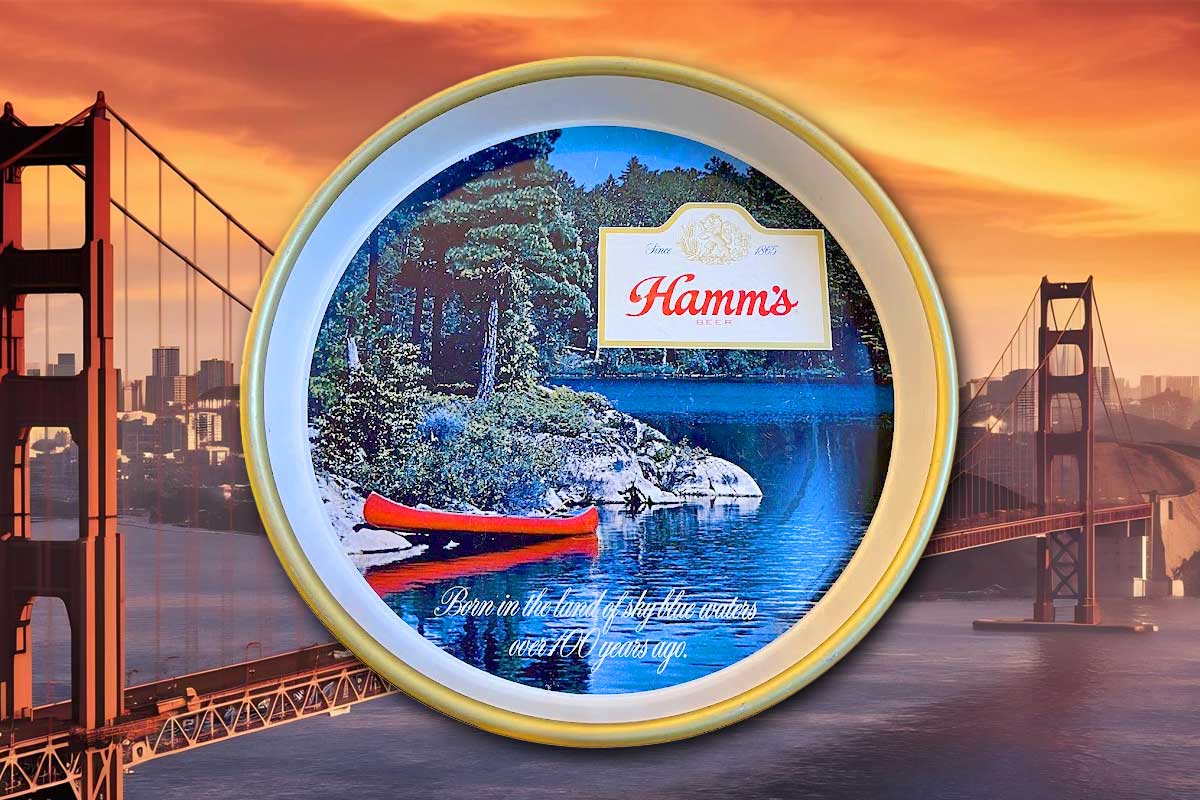
As the wartime demand for steel and heavy machinery began to wane in the late 1940s, the Slovene-American workforce in San Francisco shifted its focus toward the burgeoning beverage industry. While several major labels operated in the city—including Lucky Lager, Acme Brewing, and Hamms—it was the San Francisco Brewing Corp., later known as Burgermeister (or "Burgie"), that became the primary employer for the Slovene community.
The transition was fueled by social networks and word-of-mouth recruitment. Historical accounts from the era suggest that once a few Slovene families established a foothold at a plant, they facilitated the hiring of relatives and fellow countrymen. By the 1950s, more than a dozen Slovene-American men were often employed on a single factory floor. This concentration of immigrant labor occurred despite a climate of local discrimination. In the 1950s and early 1960s, it was not uncommon to see "No Bohunks Need Apply" signs in business windows—a derogatory term targeting Czechs, Slovenes, and Slovaks.
Labor Dynamics and the "Melting Pot" of the Brew Floor
The beer factory floors of the 1950s and 60s represented a microcosm of the American working class. Slovene immigrants labored alongside Irish, French, Italian, and Scottish workers. By the 1970s, management began integrating African American workers into the production lines, further diversifying the workforce.
The labor was physically demanding but offered significant economic mobility. Workers were responsible for:
- Packaging and Logistics: Moving large pallets of cans and heavy kegs via forklifts.
- Production Line Operations: Monitoring bottle fillers, applying labels, and sealing caps.
- Quality Control: Testing pH levels and product consistency to ensure brand standards.
During the peak summer months, demand for beer skyrocketed, allowing workers to take on extensive overtime. Double shifts during "swing" and "graveyard" schedules were common, providing families with the capital to purchase homes and send the next generation to college. The strength of the union—specifically the Teamsters—ensured that these blue-collar roles provided a path to a stable middle-class existence, complete with pensions and healthcare.
The Vietnam War and the Cultural Significance of Beer
The social fabric of the brewery extended beyond the factory walls. During the Vietnam War, the San Francisco brewing community maintained a unique connection to the front lines. Many of the factory workers were veterans themselves, and as their sons were drafted, the workplace became a hub of support.
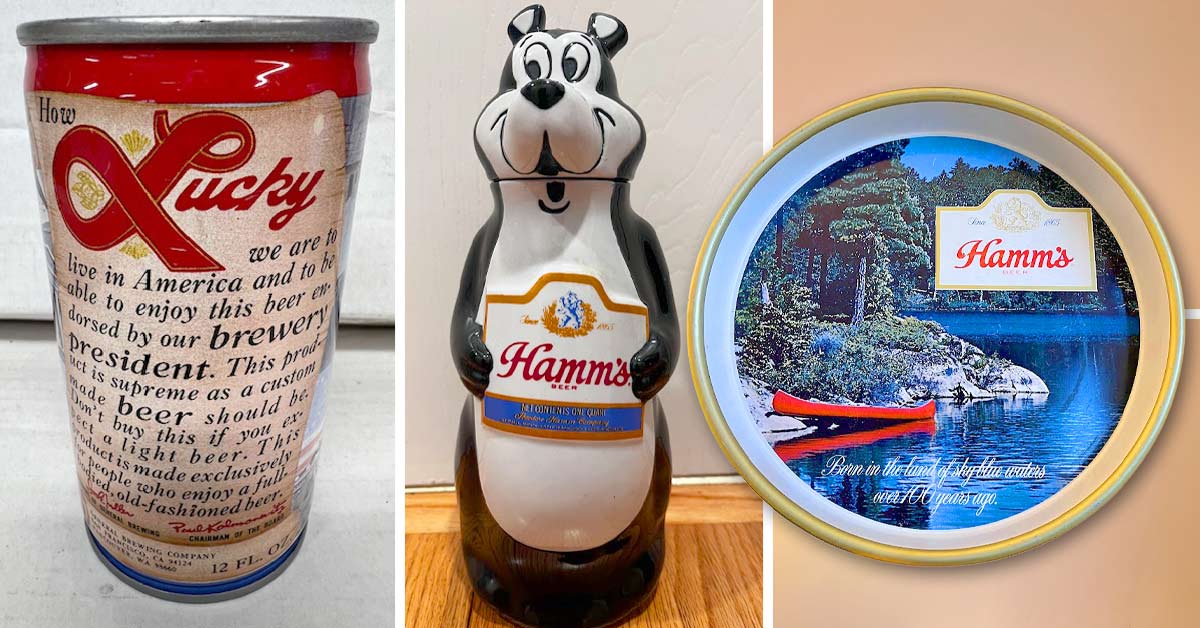
In a notable display of solidarity, workers would often line the pallets of beer destined for military shipments with local newspapers, magazines, and letters from home. For servicemen stationed in Southeast Asia, receiving a shipment of "Burgie" or "Lucky Lager" served as a vital link to their community in California. This practice underscored the role of the brewery not just as a site of production, but as a cornerstone of the immigrant community’s identity.
Automation and the Decline of Large-Scale Urban Brewing
The decline of the traditional beer factory in San Francisco was precipitated by two major factors: technological innovation and the rise of the craft beer movement. By the late 1970s, the manual labor that had sustained the Slovene community for decades was increasingly being replaced by automation. Machines capable of filling, sealing, and palletizing at speeds far exceeding human capacity led to significant workforce reductions.
Simultaneously, the industry began to fragment. In 1965, the acquisition of the struggling Anchor Brewing by Fritz Maytag signaled a shift toward smaller, quality-focused production. While this eventually birthed the modern craft beer revolution, it signaled the end for the massive industrial plants that required hundreds of manual laborers. Brands like Burgermeister were eventually sold or consolidated, and their iconic factory buildings were repurposed. The former Burgermeister plant, once a hub of Slovene-American life, now serves as a Costco wholesale warehouse.
Legacy and the Modern Slovene Beer Connection
Today, the legacy of the Slovene beer workers is preserved primarily through family oral histories and the continued success of the San Francisco beer scene. While the large-scale factories have largely vanished from the city limits, San Francisco remains a global hub for brewing excellence, highlighted by events such as SF Beer Week.
Interestingly, the connection between Slovenia and the brewing world has come full circle. In the modern era, Slovenia has developed a robust beer culture of its own, dominated by the Laško and Union brands (now under the Heineken umbrella). For the descendants of the San Francisco Slovene workers, the act of ordering a California-made beer or a Slovenian import remains a tribute to the "work of their hands" that built their families’ American foundations.
The story of the Slovene-American brewery workers serves as a testament to the transformative power of industrial labor in the immigrant experience. It highlights a period when the "Golden Door" was not just a poetic metaphor, but a literal factory gate that offered a path to prosperity through hard work, union solidarity, and a shared commitment to community. As the city of San Francisco continues to evolve, the history of its "brew floors" remains a vital chapter in the broader narrative of the American West.