admin
admin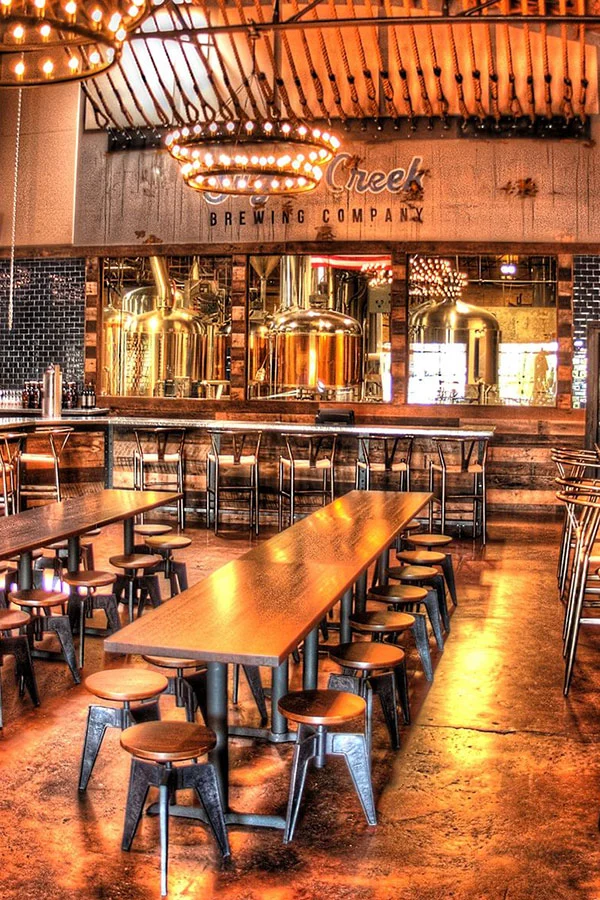
The integration of artificial intelligence into the global economy has transitioned from a speculative future to a present-day reality, influencing sectors ranging from high-frequency trading to autonomous transportation. As the technology matures, it has permeated the artisanal world of craft brewing, a sector traditionally defined by human intuition, sensory expertise, and centuries-old traditions. Across the United States, a growing number of breweries are leveraging large language models (LLMs), machine learning algorithms, and the Internet of Things (IoT) to optimize production, minimize waste, and push the boundaries of flavor profile experimentation.
While the emergence of AI has sparked concerns regarding job security and the potential homogenization of creative products, the craft beer industry currently views the technology as a collaborative tool rather than a replacement for the master brewer. By processing vast datasets on hop chemistry, water mineralogy, and consumer preferences, AI is enabling breweries to operate with a level of precision that was previously unattainable for small-scale independent operations.
The Operational Shift: Efficiency and Quality Control
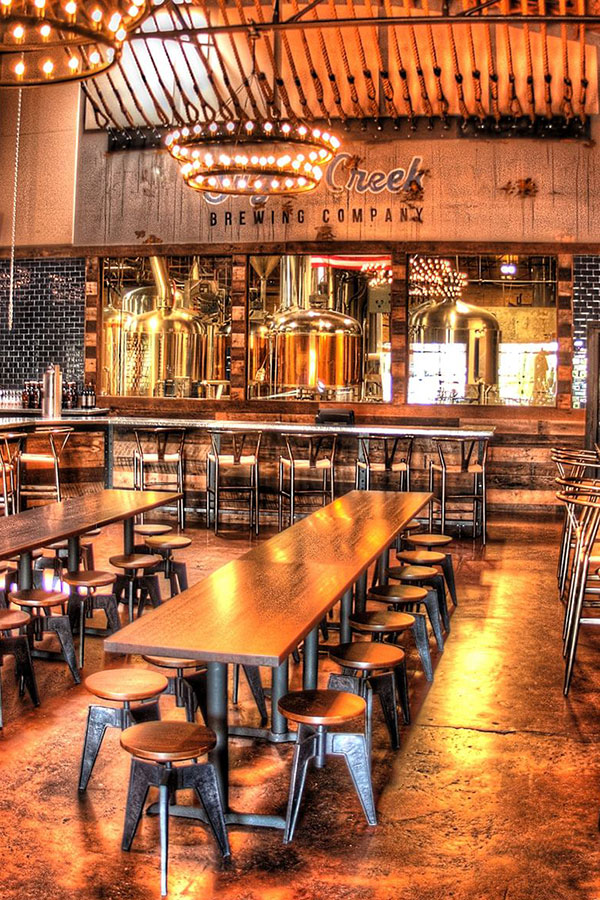
The application of AI in brewing often begins with the logistical and mechanical aspects of production. In an industry where profit margins are increasingly pressured by rising raw material costs and supply chain fluctuations, operational efficiency is paramount. Sugar Creek Brewing Company, based in Charlotte, North Carolina, serves as a primary case study for this technological adoption. By implementing an AI-driven network of sensors and monitoring devices, the brewery has automated the oversight of its packaging lines.
These AI systems monitor critical variables such as temperature, carbonation levels, and fill heights. One of the most significant challenges in bottling and canning is the management of "fobbing"—the foam created during the filling process. Excessive foam can lead to under-filled containers or oxygen ingress, both of which compromise the shelf life and quality of the beer. Through machine learning, Sugar Creek’s system can identify the precise conditions that lead to excessive foaming and alert operators in real-time, significantly reducing waste and ensuring a consistent consumer experience.
This shift toward data-driven quality control represents a broader trend in "Smart Manufacturing" within the beverage industry. According to industry data, the implementation of AI-monitored systems can reduce production waste by as much as 15% to 20%, a critical margin for independent breweries competing against large-scale international conglomerates.
Algorithmic Alchemy: AI-Generated Recipes and Flavor Profiles
Beyond the factory floor, brewers are experimenting with generative AI to assist in the creative process of recipe development. Traditionally, creating a new beer involves a lengthy cycle of research, pilot batching, and sensory evaluation. However, tools like OpenAI’s ChatGPT are now being used to compress these timelines from weeks to minutes.
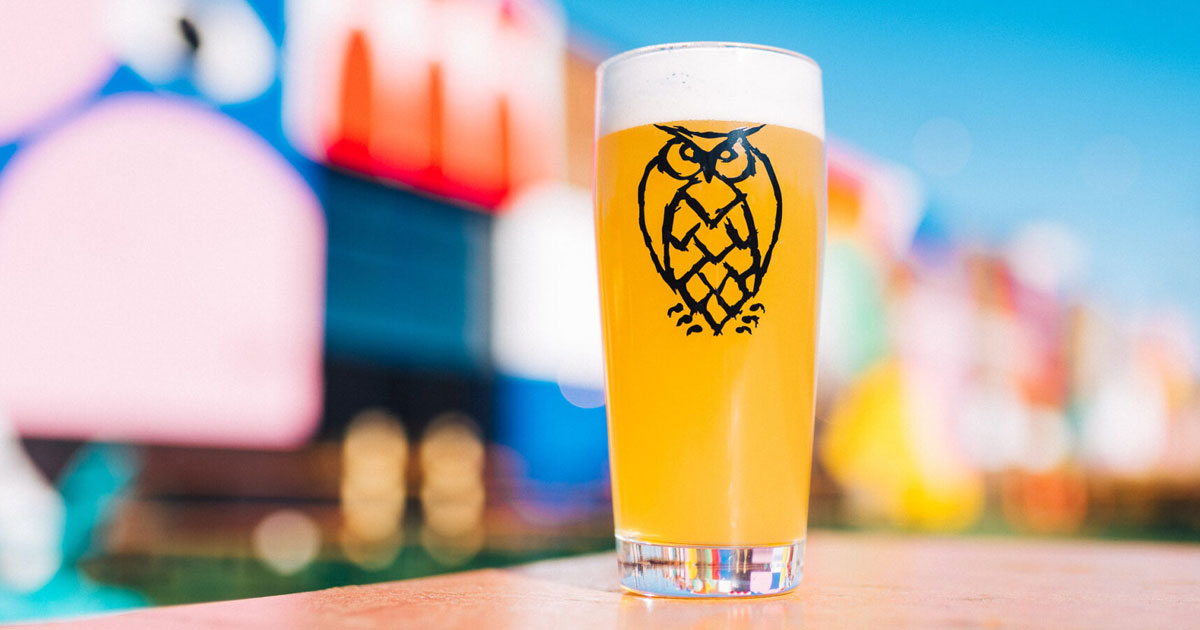
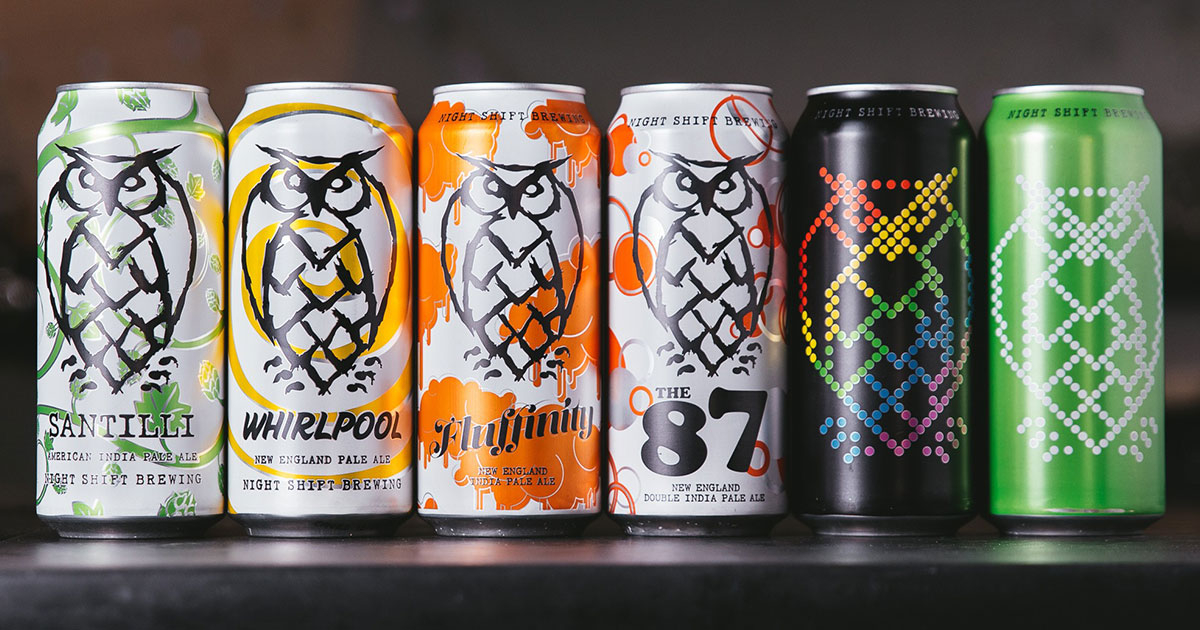
Michael Oxton, co-founder of Night Shift Brewing in Boston, recently utilized ChatGPT to formulate a recipe for a hazy IPA. The AI was tasked with not only selecting a hop bill and malt base but also calculating a specific water profile—a complex task involving the balance of sulfates, chlorides, and pH levels to achieve a desired "mouthfeel" and bitterness perception. Oxton noted that the AI’s ability to synthesize research and provide a technical starting point was remarkably efficient. The resulting "AI-PA" featured a complex profile of mango, watermelon, and citrus notes, which Oxton described as a successful and delicious experiment.
Similarly, other breweries have joined the "AI-IPA" movement. Asbury Park Brewery in New Jersey and Atwater Brewing in Detroit have both released beers designed by algorithms. In Rockford, Illinois, Urban Forest Craft Brewing took a more linguistic approach to the trend with the release of "Put the AI in sAIson," a play on the traditional Belgian farmhouse style. These projects serve a dual purpose: they act as a marketing catalyst to engage tech-savvy consumers and as a practical test of the AI’s understanding of brewing chemistry.
Advanced Data Modeling: The Species X Approach
While many breweries use general-purpose LLMs, some are developing proprietary, specialized models. The Species X Beer Project, led by founder Beau Warren, represented one of the most sophisticated intersections of data science and zymurgy (the study of fermentation). Warren, who possesses a background in both beer microbiology and data analytics, created a bifurcated production model: "Carbon Species" (human-designed recipes) and "Silicon Species" (AI-designed recipes).
Warren programmed seven distinct AI models using a combination of regression analysis and neural networks. These models were trained on proprietary data, including historical recipe performance, water chemistry, yeast attenuation rates, and detailed customer feedback. Unlike a general chatbot, these models were designed to understand the "laws of physics" within a brewhouse, ensuring that the generated recipes were actually brewable on specific equipment.
One notable result of this process was an amber lager made with 100% Maris Otter malt—a choice that most human brewers would avoid, as that malt is typically reserved for heavier ales and stouts. The AI, however, identified a path to a balanced lager that defied traditional style guidelines. Another creation, a "Beh3moth" imperial pastry Baltic porter, utilized 12 types of malt, marshmallows, lactose, coffee, and vanilla, then dry-hopped the mixture like a New England IPA. Warren described the result as a "superhuman" achievement in recipe balance that would have been unlikely to emerge from a traditional human creative process.
Microbiological Optimization: The Role of Yeast Buddy
The innovation extends into the microscopic realm of yeast management. Propagate Lab, a yeast propagation facility in Colorado, introduced "Yeast Buddy," an AI-powered chatbot designed to help brewers navigate the complexities of fermentation. With over 120 yeast strains available, each with different temperature tolerances, ester productions, and flocculation rates, selecting the correct microorganism is a daunting task.
Yeast Buddy acts as an intelligent database, allowing brewers to input their desired flavor outcomes and technical constraints to find the optimal biological match. Matthew Peetz, founder of Propagate Lab, compares the tool to a high-powered calculator. It prevents brewers from defaulting to "safe" or "standard" yeast strains, encouraging them to be more adventurous by providing data-backed confidence in less common varieties. This democratization of microbiological data allows smaller breweries to achieve the same level of consistency and innovation as larger labs.
The Human-in-the-Loop: Why AI is Not a Replacement
Despite the impressive capabilities of machine learning, industry experts emphasize that the "human-in-the-loop" remains essential. AI lacks the sensory apparatus to taste the final product and the emotional intelligence to understand the cultural context of a beer.
At Night Shift Brewing, the AI-generated IPA required several human adjustments before it could be produced. Brewers had to modify the recipe to account for available inventory and specific equipment quirks. Furthermore, the label art—also generated by AI—required a graphic designer to correct visual anomalies and ensure the files were print-ready.
The consensus among professionals is that AI functions best as a "creativity enhancement." It can suggest unconventional ingredient pairings or solve complex chemical equations, but the brewer must still provide the "guardrails." As Beau Warren noted, without human intervention and the constant input of new, high-quality training data, AI models would eventually stagnate, repeating the same patterns without true innovation.
Economic Realities and the Path Forward
The future of AI in craft beer is not without its challenges. The recent closure of Species X Beer Project, despite its technological prowess, highlights the harsh economic realities of the craft beer market. High interest rates, shifting consumer habits (including the rise of non-alcoholic options), and a saturated market mean that even the most innovative breweries must maintain a lean and effective business model.
However, the closure of a single pioneer does not signal the end of the trend. Instead, it suggests that the most successful application of AI will likely be in its more subtle, operational roles—reducing electricity usage in refrigeration, optimizing delivery routes, and predicting seasonal demand to reduce overproduction.
As the craft beer industry continues to evolve, the distinction between "hand-crafted" and "data-driven" is becoming increasingly blurred. The integration of AI does not necessarily detract from the "craft" nature of the product; rather, it provides a new set of tools for the modern artisan. By automating the mundane and providing a springboard for the "insane," AI is allowing brewers to focus on what they do best: creating unique, high-quality beverages that bring people together.
The timeline of AI in brewing is still in its early stages. If the 2010s were defined by the explosion of the hazy IPA and the proliferation of taprooms, the 2020s are likely to be defined by the "Superhuman Brewer"—an individual who uses algorithmic insights to master the ancient art of fermentation. As Matthew Peetz of Propagate Lab aptly summarized, AI is a tool of precision. When used correctly, it does not replace the brewer; it empowers them to hit a target they didn’t even know existed.