admin
admin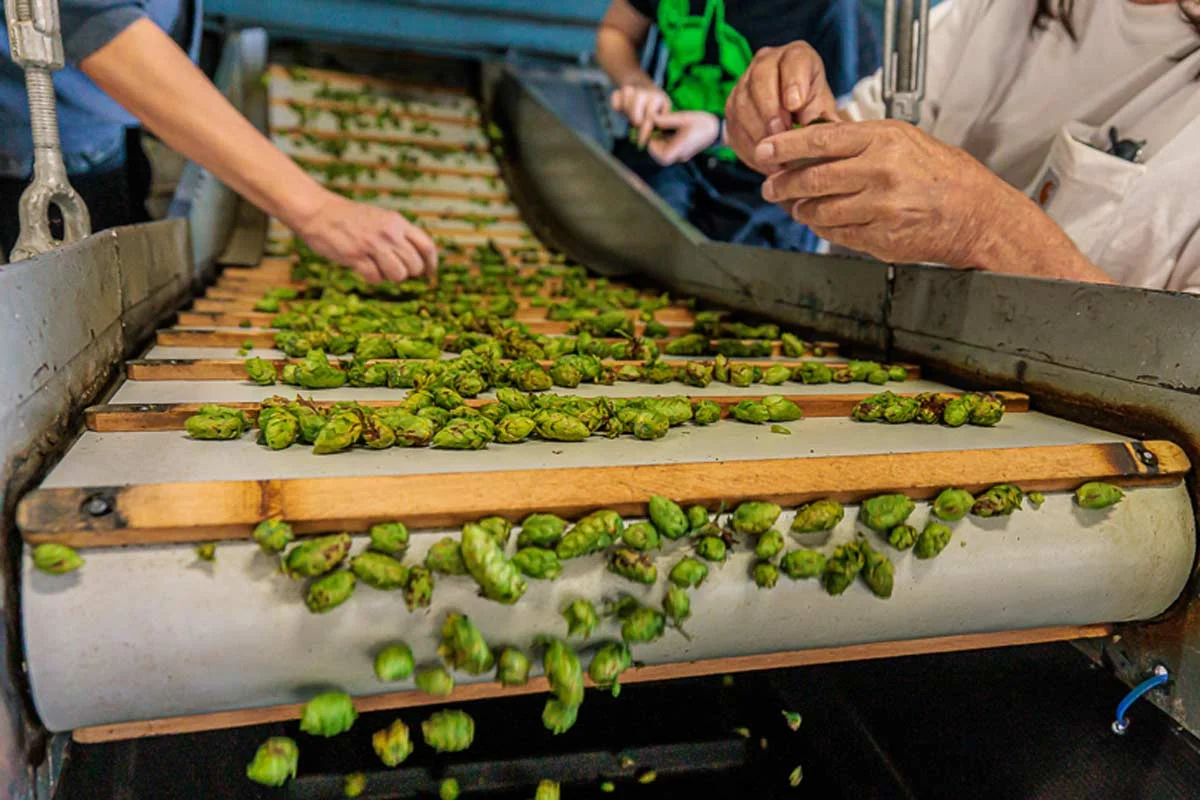
Michigan currently ranks as the premier hop-producing state in the Great Lakes region and holds the fourth-largest total hop acreage in the United States, yet a significant portion of the leadership driving this agricultural success remains largely uncredited in the public eye. While the Pacific Northwest has historically dominated the American hop market, Michigan has carved out a distinct niche through a combination of unique geography, academic support, and a workforce of women who oversee everything from greenhouse propagation and integrated pest management to land stewardship and harvest logistics. These professionals are not merely participants in the industry; they are the architects of a regional identity that seeks to redefine the sensory profile of American craft beer.
The Geography of the 45th Parallel: Michigan’s Natural Advantage
The success of Michigan’s hop industry is rooted in a specific set of geographical and geological conditions. Hops (Humulus lupulus) are notoriously temperamental perennials that require a precise balance of sunlight, temperature, and drainage. Michigan’s position along the 45th parallel—the same latitude shared by renowned hop-growing regions in Europe and the Pacific Northwest—provides the long, sun-drenched summer days necessary for flowering. Simultaneously, the state’s harsh winters provide the mandatory period of dormancy the plants require to reset for the following season.
The state’s soil composition, a legacy of ancient glacial movements, offers the well-drained, nutrient-rich environment that hops demand. Unlike vines, which use tendrils to climb, hops are "bines," utilizing stiff, downward-pointing hairs to spiral clockwise around support structures. In Michigan’s fertile dirt, these bines can grow up to 20 feet in a single season, sometimes rising nearly a foot in a single 24-hour period during peak growth. Mel Trowbridge of Top Hops Farm in Goodrich characterizes the plant as a paradox of "strong but delicate," requiring meticulous handling during its early stages and sheer physical endurance during the "jungle-like" conditions of the late-summer harvest.
Academic Infrastructure and Pest Management: The Role of MSU Extension
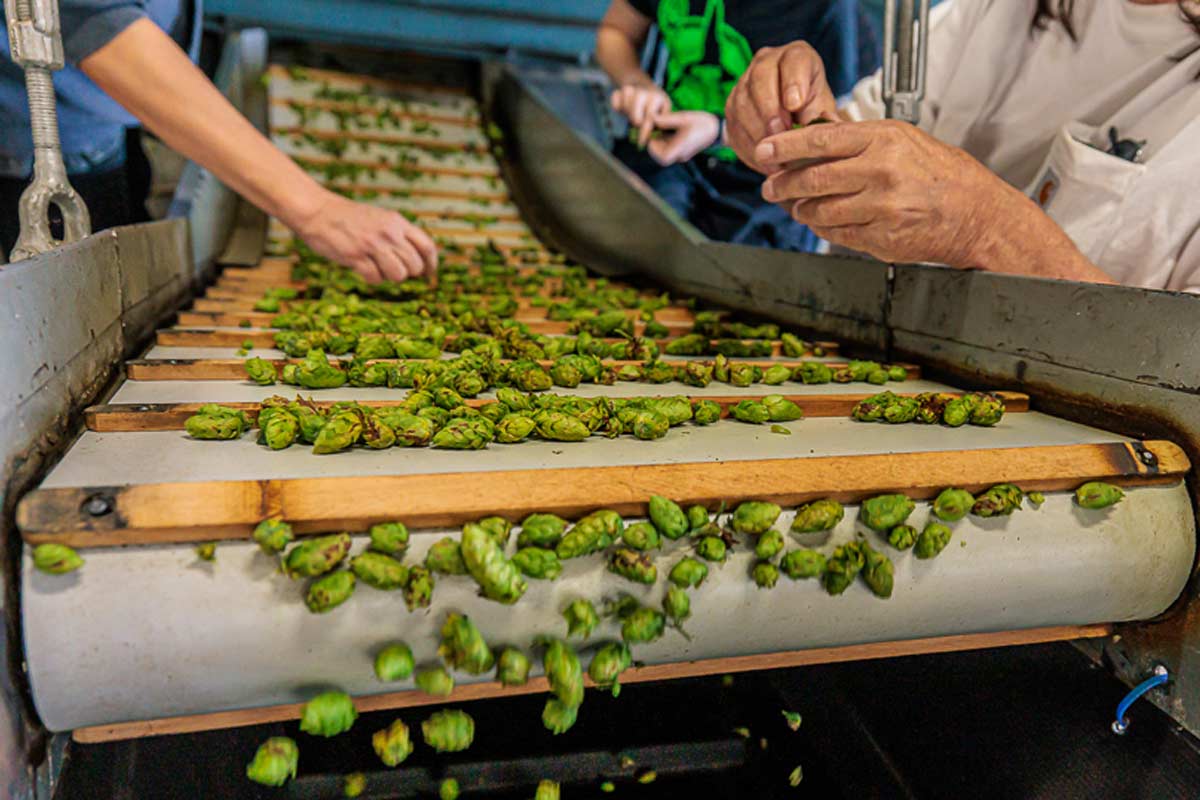
The resurgence of Michigan’s hop industry, which began in earnest around 2008, would likely have faltered without the scientific backing of Michigan State University (MSU). Central to this support system is Erin Lizotte, MSU’s integrated pest management coordinator and senior statewide educator. As growers transitioned from small-scale experimental plots to commercial acreage, they faced significant biological threats, including downy mildew, spider mites, and potato leafhoppers.
Lizotte’s work involves bridging the gap between laboratory research and field application. By providing real-time data on pest cycles and navigating the complex landscape of chemical approvals and organic alternatives, the MSU Extension team has stabilized the state’s crop yields. Growers frequently cite Lizotte’s responsiveness as a critical factor in their operational confidence, particularly as climate change introduces new volatility into the growing season. This academic-agricultural partnership has allowed Michigan to maintain high quality standards that rival established West Coast growers.
Propagation and the Clean Plant Protocol: Establishing a Foundation
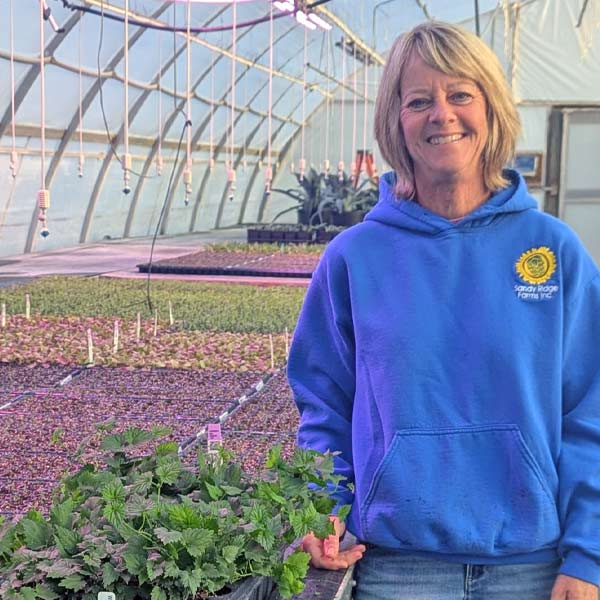
Before a hop bine can reach the trellis, it must begin as a healthy, disease-free starter. Julie Kane of Sandy Ridge Farms in Zeeland has spent over two decades in the greenhouse industry, eventually specializing in hop propagation as the Michigan market expanded. Her work is governed by the Clean Plant Protocol, a rigorous set of standards designed to prevent the spread of viruses and viroids that can devastate an entire region’s agricultural output.
Kane’s process begins with virus-free "mother plants" sourced from the National Clean Plant Network. Maintaining the integrity of these plants requires strict sanitation of tools, preventative fungicide applications, and annual testing through MSU’s Plant and Pest Diagnostics lab. This foundational work has become increasingly difficult due to shifting climate patterns. During the summer of 2024, prolonged heat waves pushed greenhouse temperatures above 100 degrees Fahrenheit, necessitating advanced cooling techniques and increased irrigation to prevent crop failure. Kane’s expertise has earned her a reputation for quality that has helped break down gender barriers in a traditionally male-dominated field, ensuring that the state’s farmers start their seasons with the best possible genetic material.
Stewardship and Sensory Evolution: The Bell’s Brewery Model
In Comstock, Michigan, the intersection of agriculture and brewing is managed by Bonnie Steinman and Elizabeth Mullins at Bell’s Brewery. Steinman, a veteran horticulturist, serves as the brewery’s land steward, overseeing a two-and-a-half-acre hop yard that serves as both a production site and a center for agricultural education. Her approach to hop farming emphasizes the sensory experience—a method she has passed down to Mullins.
The transition from "grassy" to "fruity" to "resinous" is a critical timeline for any hop grower. By performing daily "rub and smell" tests on the cones, Steinman and Mullins determine the optimal harvest window to capture specific aromatic oils. This focus on stewardship extends beyond the hops themselves; the Bell’s facility includes a butterfly waystation, an employee garden, and an apple orchard.
A notable innovation in their yard is "The Hideaway," a gathering space beneath the hop bines inspired by Oregon’s TopWire Hop Project. This initiative aims to increase the visibility of the crop, allowing the public and industry professionals—such as members of the Pink Boots Society—to experience the plants at their peak. For Steinman, the success of a harvest is measured not just in pounds per acre, but in the final quality of the beer and the sustainability of the land.
Engineering the Harvest: Precision and Logistics
At Top Hops Farm, Mel Trowbridge has applied her 40-year career as an automotive engineer and quality control specialist to the agricultural sector. Her methodology treats the farm as a process-driven operation, where training, task rotation, and daily debriefs are standard procedure. This engineering-centric approach is particularly vital during the harvest, a high-stakes window where timing is everything.
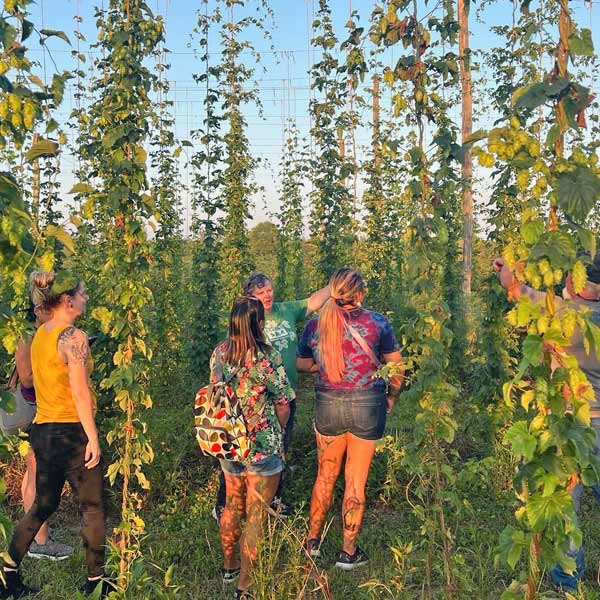
Trowbridge’s role is one of orchestration—managing crews, adjusting schedules for weather, and ensuring that the transition from the field to the drying kiln is seamless. Her focus on "orchestration over force" highlights a shift in farm management styles, where organizational efficiency is prioritized to maintain crop quality and worker morale.
The Michigan Chinook: Branding a Regional Identity
A central component of Michigan’s industry strategy is the promotion of the "Michigan Chinook" hop. While the Chinook variety is grown extensively in the Pacific Northwest, the Michigan-grown version exhibits a distinct terroir. According to industry experts, Michigan Chinook offers notes of pineapple and bright citrus, with less of the heavy resin and pine characteristic of its Washington and Oregon counterparts.
To celebrate and standardize this quality, Rose Stahl of Mr. Wizard’s Hops has been a key organizer of the Chinook Cup. This annual competition, held during the Great Beer State Conference and Trade Show, evaluates samples based on aroma, appearance, and analytical data. Stahl’s own entry into the industry was born of necessity; after a catastrophic flood ruined five acres of corn on her Monroe farm, she pivoted to hops on the suggestion of her son, then an employee at Short’s Brewing. A decade later, Stahl remains a central figure in the effort to establish Michigan hops as a premium, recognizable brand for brewers nationwide.
Economic Realities and Future Implications
The Michigan hop industry is currently navigating a complex economic landscape. Following a period of rapid expansion, the market is experiencing a contraction as craft beer growth stabilizes. Furthermore, labor shortages and the rising costs of inputs like fertilizer and trellis materials have put pressure on small and independent growers.
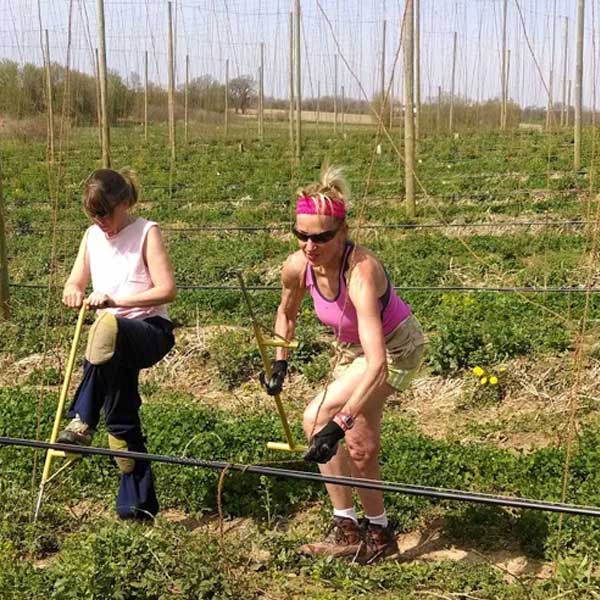
However, the "visibility gap" for women in the industry is slowly closing. Professionals like Amy Tennis of the Michigan Hop Alliance note that while women have historically managed the "back-of-house" operations—including bookkeeping, grant writing, irrigation management, and fundraising—they are increasingly being recognized as the primary decision-makers.
The long-term goal for the state is to move beyond being a regional alternative to the Pacific Northwest and instead become a primary destination for brewers seeking specific flavor profiles. As Nicole Shriner, a hops researcher at MSU, suggests, the objective is for "Michigan hops" to serve as a seal of quality and a unique identifier of terroir.
Conclusion: A Legacy in the Making
The story of Michigan hops is one of resilience and scientific rigor. From the glacial soils and the 45th parallel to the high-tech greenhouses and engineering-led harvest teams, the state has built a robust infrastructure for specialty agriculture. The women leading these efforts—Lizotte, Kane, Steinman, Mullins, Trowbridge, and Stahl—are not just growing a crop; they are sustaining a multi-billion dollar craft beer ecosystem. As the industry continues to mature, their contributions will likely move from behind the scenes to the forefront of Michigan’s agricultural identity, ensuring that the "Great Beer State" remains a leader in both production and innovation.