admin
admin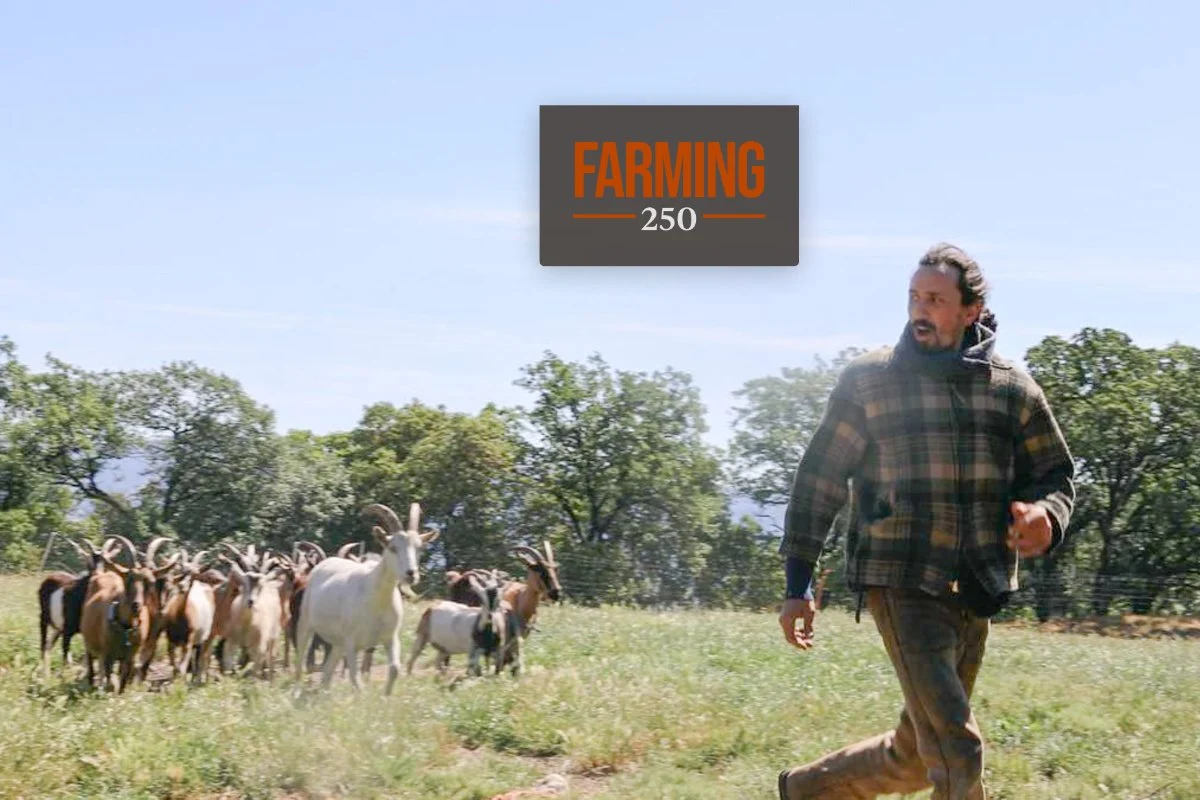
Northern California is witnessing a quiet resurgence of ancient land stewardship practices, championed by individuals like O’Mara, whose journey from a philosophy degree to a life deeply intertwined with animals and the land embodies a profound shift towards ecological reciprocity. After years navigating the demanding landscape of large-scale contract grazing, O’Mara has returned to his family’s ancestral property, embracing a smaller, more integrated approach to shepherding. Here, he meticulously tends a herd of 40 goats, not merely for sustenance, but as active partners in a living ecosystem, working to restore grasslands, enhance biodiversity, and mitigate wildfire risk. Beyond his personal stewardship, O’Mara has emerged as a passionate educator, leading workshops that revive "lost arts" such as animal processing, hide tanning, and felting, aiming to bridge the growing disconnect between people and the origins of their food and fiber. His work, which he describes as creating "conditions for more life," offers a compelling model for sustainable living and a deeper understanding of human-animal-land relationships in an era increasingly defined by environmental challenges.
A Modern Shepherd’s Genesis: From Philosophy to Pasture
O’Mara’s path to becoming a shepherd was far from conventional, beginning not in a barn, but in a lecture hall. Graduating with a philosophy degree, he initially felt the compelling pull of the land, a calling that led him away from abstract thought towards tangible, earth-based practices. This pivot saw him immerse himself in the practicalities of sustainable agriculture, undertaking a rigorous two-year training program at the renowned Chadwick Garden in Santa Cruz, California. Under the tutelage of the legendary Orin Martin, a figure celebrated for his pioneering work in organic gardening and his deep understanding of plant systems, O’Mara honed essential skills in horticulture and ecological cultivation. Martin, often regarded as a sage in the sustainable farming community, emphasized a holistic approach to land management, a philosophy that would profoundly shape O’Mara’s future endeavors. The Chadwick Garden, officially known as the Alan Chadwick Garden and part of the Center for Agroecology & Sustainable Food Systems (CASFS) at UC Santa Cruz, has long been a beacon for aspiring organic farmers, fostering a deep respect for natural processes and hands-on learning.
Following his foundational training, O’Mara gained hands-on experience working on diversified farms across Sonoma County, a region celebrated for its agricultural bounty and commitment to sustainable practices. This period provided him with invaluable insights into the complexities of farm operations, from crop rotation to pest management, and instilled a strong work ethic essential for agricultural life. Briefly, he ventured into running his own small farm, an experience that, while challenging, solidified his resolve to work directly with the land and its creatures.
In his late twenties, seeking a more direct engagement with animals, O’Mara found his entry point into shepherding through a friend’s contract grazing operation. This enterprise specialized in wildfire fuel reduction, a critical service in California’s fire-prone landscapes. The role of targeted grazing, utilizing livestock to clear flammable vegetation, has gained significant traction as an ecologically sound and cost-effective method of mitigating wildfire risk. This new chapter saw O’Mara deeply involved in moving flocks across vast stretches of Northern California, including Marin, Sonoma, Napa, and Petaluma counties, contributing directly to community safety and ecosystem health. The experience, while demanding, provided him with an unparalleled education in animal behavior, herd management, and the intricate dance between grazers and the landscape, cementing his practical knowledge of the intricate relationship between livestock and land.
Reclaiming the Land: Stewardship on Ancestral Property
After five intensive years in the contract grazing system, characterized by grueling 12- to 14-hour days, O’Mara made a pivotal decision to step back from the large-scale commercial operation. The relentless pace, constant travel, and logistical demands of managing hundreds of animals across diverse properties had become unsustainable. Today, he has returned to his roots, residing on his family’s historic property, a parcel of land that holds generations of his family’s story. This land, once a bustling hop farm during the Prohibition era, was acquired by his great-uncle in the 1930s and has remained in the family for four generations. The history of hop farming in California, particularly during the early 20th century, saw significant agricultural activity in regions like Sonoma and Mendocino counties, supplying breweries before and after the Prohibition era. O’Mara now stands as the sole steward, inheriting not just the acreage, but a legacy of connection to the soil. "I’ve been hunting here since I was five," he reflects, "and now I’m running animals on it, which is really wild."
On this ancestral land, O’Mara is embarking on a profound ecological experiment: the reintroduction of ruminants into the woodland landscape. His herd of 40 goats, primarily Alpine, Oberhasli, and Saanen mixes, are not simply livestock; they are agents of ecological restoration. The strategic grazing by these goats is designed to help evolve the grasslands, increasing biodiversity, improving soil health, and crucially, reducing fire fuel and risk. This approach stands in stark contrast to conventional mechanical fuel reduction methods, offering a natural, continuous process that benefits the entire ecosystem. The specific breeds chosen are known for their hardiness and browsing habits, making them ideal for managing diverse vegetation, particularly the woody undergrowth that often fuels wildfires.
O’Mara’s philosophy of stewardship is elegantly simple yet profoundly impactful: "creating conditions for more life." He envisions a landscape where healthy grasslands support healthy animals, which in turn contribute to the health of people. This holistic perspective informs every decision, from grazing patterns to herd composition. The tangible results of his efforts are already evident. "One of the most rewarding parts of this work is watching the land respond," he observes. He points to the visible return of native wildflowers, including species like Brodiaea californica (California Brodiaea) and various Calochortus varieties, particularly the delicate fairy lanterns. The re-establishment of native sedges is also a clear indicator of improving soil and hydrological conditions. His ultimate goal is to precisely manage grazing to target the seedheads of non-desired, invasive species before they can disperse, thereby giving native flora a competitive advantage. This delicate balance of intervention and observation underscores the nuanced art of regenerative land management.
The context for O’Mara’s work is critical. California, like much of the American West, has faced increasingly severe wildfire seasons, exacerbated by climate change and historical fire suppression policies that led to an accumulation of flammable vegetation. Targeted grazing has emerged as a vital tool in the toolkit of wildfire prevention. According to data from the California Department of Forestry and Fire Protection (CAL FIRE) and various ecological studies, properly managed grazing can significantly reduce fuel loads, create defensible spaces, and enhance the overall resilience of ecosystems to fire. Studies by institutions such as the University of California Cooperative Extension have demonstrated that goats and sheep are particularly effective at consuming brush and other ladder fuels that contribute to intense wildfires. O’Mara’s efforts are a microcosm of a larger, urgent need for such ecologically informed practices across the state, contributing to regional fire resilience strategies that combine traditional knowledge with modern ecological science.
The Rigors of the Range: Navigating Commercial Grazing
O’Mara’s decision to transition away from large-scale contract grazing was rooted in the inherent challenges and often unsustainable nature of the business. "The grazing business is very arduous," he explains, highlighting its domination by large operations. These enterprises typically manage thousands of sheep or goats, requiring substantial capital investment in infrastructure—trucks, trailers, mobile living setups for shepherds, extensive fencing, and a significant workforce. For smaller operators like O’Mara, who at one point managed 130 to 150 animals, the logistical and financial burdens became overwhelming. "I had 130, 150 animals at one point and I kind of drove myself crazy. I was all over the place," he recounts. The work involved constant relocation, hauling animals to wherever contracts dictated, and setting up temporary camps—a nomadic lifestyle that proved incompatible with his long-term vision for sustainable stewardship.
Furthermore, O’Mara encountered a significant philosophical and ecological disconnect within the commercial grazing sector. He notes that "you’re constantly trying to meet landowners’ expectations, and sometimes what they want is not actually what’s good for the animals or the land." A common misconception, particularly regarding fire safety, leads many landowners to desire complete vegetation removal, a practice O’Mara refers to as "moonscaping." This term vividly describes the outcome of excessive grazing, where the land is stripped bare, resembling a lunar surface. While seemingly effective for immediate fire reduction, this approach is ecologically detrimental. "A lot of people want every bit of vegetation removed because they think that’s what fire safety looks like," he states.
However, O’Mara emphasizes that "having grass on the ground doesn’t mean it’s going to burn." He identifies an "ecological illiteracy problem" in how these systems are often understood. In contrast to moonscaping, ecologically managed grazing leaves trampled vegetation on the ground, forming a vital layer of mulch. This mulch serves multiple crucial functions: it keeps the soil cooler, conserves moisture, feeds soil biology (microorganisms, fungi, insects), and ultimately supports healthier, more resilient grasslands. The animals’ manure, urine, and hoof disturbance also play a critical role, cycling nutrients and aerating the soil, all while maintaining protective ground cover. This regenerative approach promotes a vibrant ecosystem capable of self-regulation and natural fire resistance, rather than creating a sterile, vulnerable environment.
Experts in range management and soil science consistently advocate for practices that prioritize soil health and ecological function. Dr. Sarah Johnson, a range ecologist at a leading California university, explains, "Leaving residual dry matter after grazing is fundamental for soil health. It acts as a natural sponge, preventing erosion, enhancing water infiltration, and providing habitat for beneficial organisms. While intense grazing can reduce fuel loads, the key is knowing how and when to graze to achieve ecological benefits without degrading the land. This approach not only reduces fire risk but also builds carbon in the soil, enhancing drought resilience." This perspective reinforces O’Mara’s critique of overly aggressive, uninformed grazing strategies, highlighting the importance of nuanced, ecologically informed land management.
Reviving "Lost Arts": Education and Community Engagement
Beyond his direct land stewardship, O’Mara’s main passion lies in education, particularly in leading workshops dedicated to what he terms the "lost arts" of animal husbandry. These workshops cover essential, traditional skills such as animal processing, hide tanning, and felting. In an era where modern food systems often obscure the origins of meat, leather, and wool, O’Mara relishes the opportunity to teach skills that were once commonplace but are now largely missing from mainstream knowledge. "He relishes teaching skills often missing from modern food systems and guiding others to view shepherding as a relationship with the land," the article notes.
These workshops serve a dual purpose: they empower individuals with practical skills for self-sufficiency and foster a deeper connection to the entire cycle of life and sustenance. Participants learn to appreciate the full value of an animal, utilizing every part responsibly and respectfully. Hide tanning, for instance, transforms a byproduct into a durable and valuable material, reducing waste and honoring the animal’s contribution, while felting converts wool into functional and artistic creations. This holistic approach challenges the consumerist mindset, encouraging a more mindful and ethical engagement with animal products, and aligns with a growing interest in homesteading and traditional crafts across the country.
O’Mara’s role as a freelance ranch hand further underscores the value of these "lost arts." He describes it as a unique skill set that is increasingly difficult to find. "It’s hard to find trained people to work as ranch hands," he states. The ability to competently move animals, load trailers, herd cows in challenging terrain, and build sturdy fences are specialized skills that are not typically taught in academic institutions. These practical proficiencies are vital for supporting local agricultural communities and ensuring the efficient and humane management of livestock. The decline in these traditional agricultural skills reflects broader societal shifts away from agrarian lifestyles, creating a significant gap in the rural workforce. Organizations like the Quivira Coalition and Holistic Management International are working to address this gap by offering training programs in regenerative ranching and traditional husbandry, acknowledging the critical need for skilled practitioners like O’Mara to preserve and transmit this invaluable knowledge.
Reciprocity and Kinship: A Deeper Connection
Central to O’Mara’s philosophy is the concept of reciprocity and kinship in his relationship with land and animals. He views "kin as family," explaining, "Family are the people we’re indebted to." This perspective extends beyond human relationships to encompass the entire living system he inhabits and manages. Over years of living intimately with his animals, a profound bond has formed, characterized by mutual respect and care. The reciprocity manifests daily in his commitment to their well-being and the creation of systems that facilitate their natural behaviors and health.
His daily routine exemplifies this bond. He milks his goats every day, a direct interaction that fosters trust and provides sustenance. He allows them to roam freely on the range, accompanied by guardian dogs, ensuring their safety and encouraging natural foraging behaviors. He thoughtfully guides them up specific drainages during certain times of the year, directing their browsing to areas where their impact will be most beneficial for the land. "